No products in the cart.
Return To Shop
3 Ways Anhydrous Skincare Locks In Moisture, Backed by Bee Science
Anhydrous skincare benefits come down to three mechanisms: occlusion that locks in existing moisture, higher concentrations of oil-soluble actives than water-based formulas can carry, and a formulation environment too dry for most microbes to thrive without heavy preservative loads. These water-free oils, balms, and solids excel at reinforcing a compromised skin barrier and stabilizing sensitive antioxidants. They are not a substitute for humectant-based hydration. The best routines use both.
TL;DR:
- Anhydrous skincare reduces microbial growth and oxidation risks by eliminating water, allowing higher concentrations of stable, oil-soluble antioxidants and actives.
- These formulas significantly cut transepidermal water loss, with reductions of 20 to 30 percent, and support barrier repair in dry, sensitive, or compromised skin.
- They are best used after water-based serums, sealing in moisture and active ingredients, but cannot replace humectants like hyaluronic acid or glycerin.
- Waterless products are particularly effective for dry, reactive, or sensitive skin but should be paired with water-based hydrating steps for optimal results.
- Genuinely water-free formulas often require antioxidant stabilizers and protective packaging, and they tend to have a longer shelf life with lower microbial risk.
Table of Contents
- What Are the Real Benefits of Anhydrous Skincare?
- How Do Anhydrous Formulas Work on Skin?
- Is Anhydrous Skincare Right for Your Skin Type?
- What Formats Do Anhydrous Products Come In?
- Are Anhydrous Products Safe and Shelf-Stable?
- What Does a Bee-Science Approach to Waterless Antioxidant Care Look Like?
- How Do You Add Anhydrous Products to Your Routine?
- Sources
- FAQ
What Are the Real Benefits of Anhydrous Skincare?
Anhydrous formulas earn their reputation through occlusion. When a lipid film sits on the skin’s surface, it slows transepidermal water loss (TEWL), the process by which water escapes from the deeper skin layers into the air. Dermatological research on hydration balance confirms that anhydrous lipid systems reduce TEWL and support barrier repair, particularly in skin that has lost its own lipid matrix through age, weather, or over-cleansing.

The concentration advantage matters just as much. Oil-soluble antioxidants and lipophilic actives resist the hydrolytic breakdown that happens when they sit suspended in water for months. A balm or oil can pack these actives at levels a lotion physically cannot, because there is no water diluting the active phase.
Preservation follows a different logic here. Water is what most microorganisms need to reproduce, so EU guidance on preservative use requires broad-spectrum preservatives specifically in products where water supports microbial growth. Remove the water, and that requirement often changes, though repeated-use formats still need a risk assessment.
Anhydrous benefits at a glance:
- Reduced water loss through occlusive lipid films on the skin’s surface
- Higher stable concentrations of oil-soluble actives and antioxidants
- Lower reliance on synthetic broad-spectrum preservatives
- Lighter shipping weight and packaging, since no water mass is included
Formulation reviews document TEWL reductions in the range of 20 to 30 percent for certain anhydrous lipid systems compared with select emollients, a meaningful margin for anyone managing chronic dryness.
Pro Tip: Check the ingredient order on any waterless balm. If an oil-soluble antioxidant sits in the first five ingredients rather than the last five, the formula was likely built to deliver that active at a functional dose, not just list it for marketing.
How Do Anhydrous Formulas Work on Skin?
The science hinges on a term called water activity, written as aw. It measures how much unbound water is available in a formula, on a scale from 0 to 1. Most bacteria and fungi need an aw above roughly 0.6 to reproduce; a well-formulated anhydrous product sits low enough on that scale to become largely self-limiting for microbial growth.
Once applied, lipids in these formulas interact directly with the stratum corneum, the skin’s outermost layer, filling the gaps between skin cells and forming a barrier that slows moisture escape. This is occlusion, and it is the same mechanism dermatologists rely on when recommending petrolatum-based products for severely dry skin.
Some actives are simply better suited to oil carriers:
- Oil-soluble vitamin C derivatives, which oxidize faster in water
- Encapsulated lipophilic antioxidants, including certain propolis and honey-derived compounds
- Fat-soluble vitamins like vitamin E and retinol esters
The limitation is equally clear. Water-soluble humectants like glycerin and hyaluronic acid need an aqueous carrier to function, and editorial coverage of waterless beauty notes that anhydrous formulas cannot deliver these ingredients on their own. Anyone building a routine around occlusion still needs a humectant step somewhere in the mix. Learn more about how the barrier actually functions in skin hydration science.
Is Anhydrous Skincare Right for Your Skin Type?
Dry, compromised, and reactive skin sees the clearest gains from anhydrous formats. A randomized clinical trial testing a topical emollient over 28 days found corneometric hydration rose 66.2% by day seven and 74.1% by day 28, with TEWL dropping 11.3% and 13.5% respectively across the same period. That is measurable barrier recovery, not a cosmetic sensation.
- Dry or barrier-compromised skin: benefits most from occlusive balms and oils, especially through winter or in arid climates
- Sensitive skin: often does better avoiding the preservative systems required in water-based formulas
- Oily or acne-prone skin: should stick to lightweight, non-comedogenic oils such as squalane, jojoba, or light ester blends, applied sparingly
The clinical literature on xerosis, or abnormally dry skin, consistently supports emollient-rich anhydrous systems as a first-line intervention. For a broader framework on repairing barrier function before adding actives, see how to improve your skin barrier.
What Formats Do Anhydrous Products Come In?
Waterless skincare shows up in several physical forms, each suited to a different step in a routine.
- Facial oils deliver concentrated actives fast and layer well under moisturizer.
- Balm serums combine occlusion with targeted actives in a thicker, longer-wearing texture.
- Cleansing balms dissolve makeup and sunscreen without stripping the barrier the way surfactant washes can.
- Solid bars compress oils and butters into a travel-friendly, preservative-light format.
- Activate-on-use powders stay fully dry until mixed with water at the moment of use, extending shelf stability.
Apply anhydrous products after water-based serums, never before. The lipid layer needs to sit on top to trap the moisture and actives already absorbed underneath. Explore the mechanics of this layering in why balm cleansers work for makeup removal and hydration.
Pro Tip: Always use a spatula, not fingers, to remove product from a jar-packaged balm. Preservative-free formulas rely on you to keep contaminants out, since the formula itself has little defense against them.
Are Anhydrous Products Safe and Shelf-Stable?
Removing water eliminates one risk and introduces another: oxidation. Oils exposed to air and light degrade over time, turning rancid and losing potency. Formulators counter this with antioxidant stabilizers like tocopherol and rosemary extract, which protect the oil phase itself rather than the skin.
- Genuinely water-free formulas with low aw can be self-preserving, though this benefit depends on formulation and still requires a documented risk assessment for repeated-use products
- Airless pumps, single-dose capsules, and dark glass packaging all slow oxidative decline
- Products that need water-soluble humectants, like a lightweight daily moisturizer for combination skin, are usually better served by a properly preserved aqueous formula
Industry reviews of waterless technologies note that reduced water content also shrinks shipping weight and packaging volume, a secondary benefit tied to lifecycle emissions rather than skin performance. For a deeper look at how preservative-free claims hold up under scrutiny, see preservative-free formulations and what antioxidant skin needs.
What Does a Bee-Science Approach to Waterless Antioxidant Care Look Like?
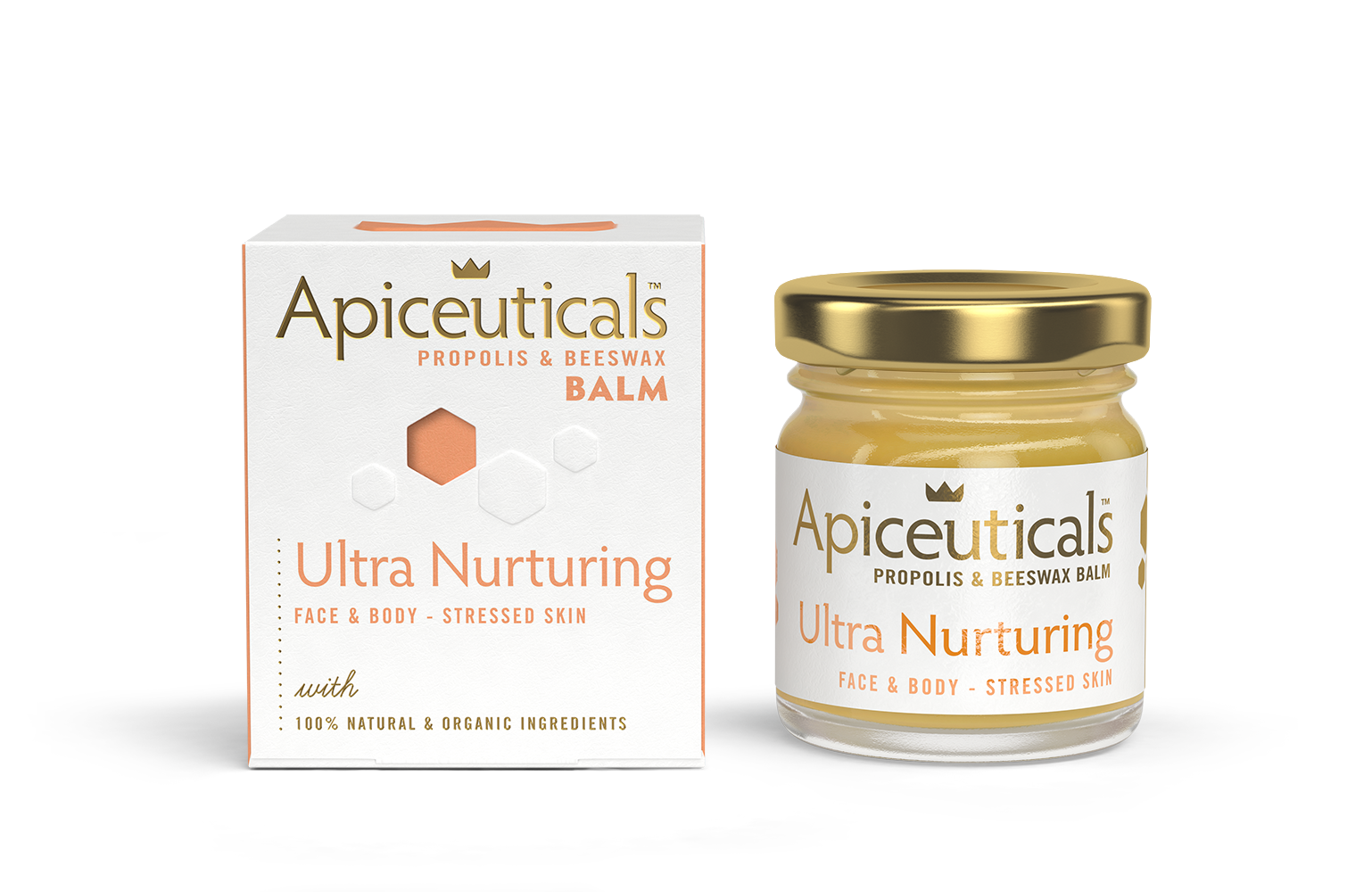
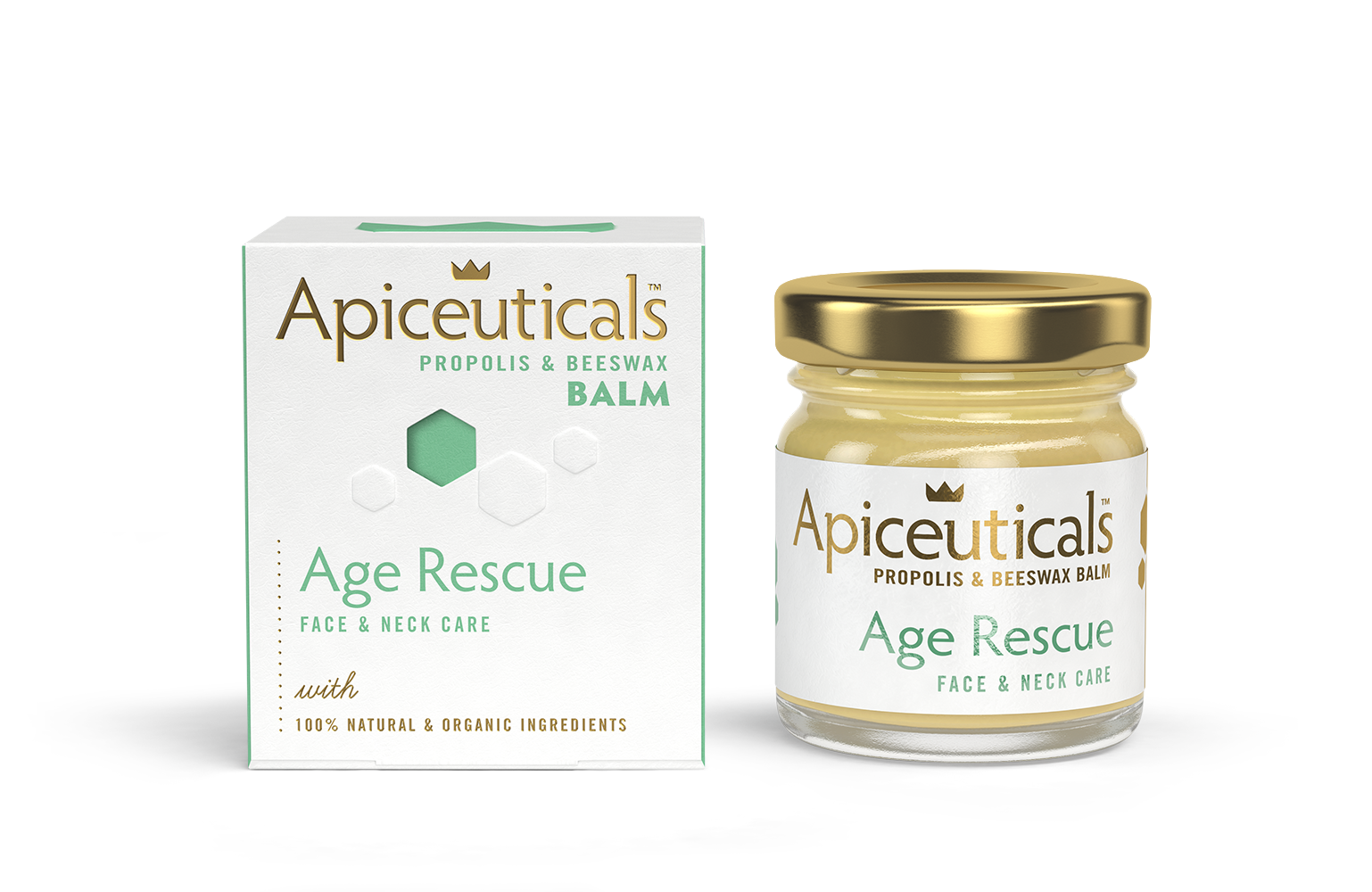
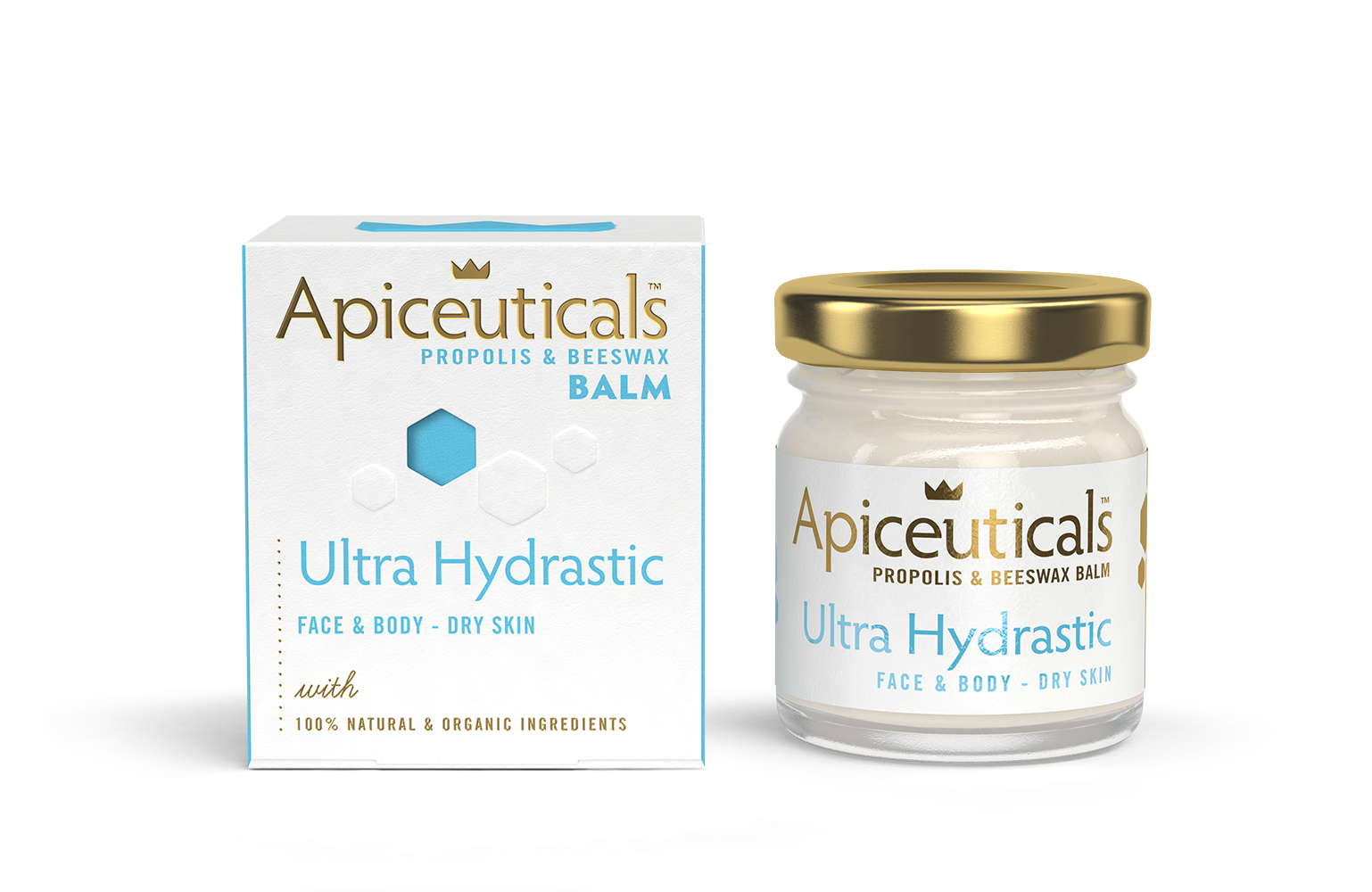
Apiceuticals builds its HONEY BALM™ Series around a waterless architecture centered on PROPOWAX™, a patented Living Honeycomb structure embedded in the formula that continuously releases antioxidants onto the skin rather than delivering a single dose at application. The technology holds a global patent for the highest antioxidant activity recorded in a cosmetic formulation, independently validated by researchers at the Aristotle University of Thessaloniki.
- Clinically observed wrinkle reduction of 26% supports the case that waterless antioxidant delivery can produce measurable results, not just theoretical ones
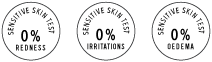
- Dermatological testing recorded 0% irritation on sensitive skin, a relevant data point given that anhydrous formulas skip the preservative systems that sometimes trigger reactivity
- Readers evaluating any waterless antioxidant product should look for the same three signals: dermatological test results, defined clinical endpoints, and antioxidant assay data rather than marketing language alone
How Do You Add Anhydrous Products to Your Routine?
- Cleanse with water-based cleanser, or a cleansing balm if removing makeup or sunscreen.
- Apply water-soluble serums first, while skin is still slightly damp.
- Layer a waterless balm or oil last to seal in hydration and deliver concentrated antioxidants.
- Patch test any new concentrated formula on the inner forearm for 48 hours before facial use.
- Introduce the product two to three times a week before moving to daily use, watching for improved smoothness rather than irritation.
Travel-size balms and refillable jars cut down on waste and make it easier to keep formulas fresh, since smaller batches see less repeated air exposure over time.
Pro Tip: Track visible barrier improvement, not just how skin feels the first night. Reduced flaking and fewer tight spots after one to two weeks is a more reliable signal than immediate softness, which any oil can produce.
A Scientist-Editor’s View on Waterless Antioxidant Skincare
Anhydrous formats work best as targeted tools, not blanket replacements for a full routine. The gap between marketing language and formulation reality closes only when a brand publishes dermatological testing, antioxidant assay data, and honest labeling about what a formula can and cannot deliver. Start small, watch for real barrier change, and trust the data over the texture.
— Apiceuticals
Where to Try a Waterless Antioxidant Balm
Apiceuticals built its HONEY BALM™ Series specifically as a waterless facial care line, formulated around the PROPOWAX™ Living Honeycomb structure that holds a global patent for antioxidant activity in cosmetics, validated at the Aristotle University of Thessaloniki.

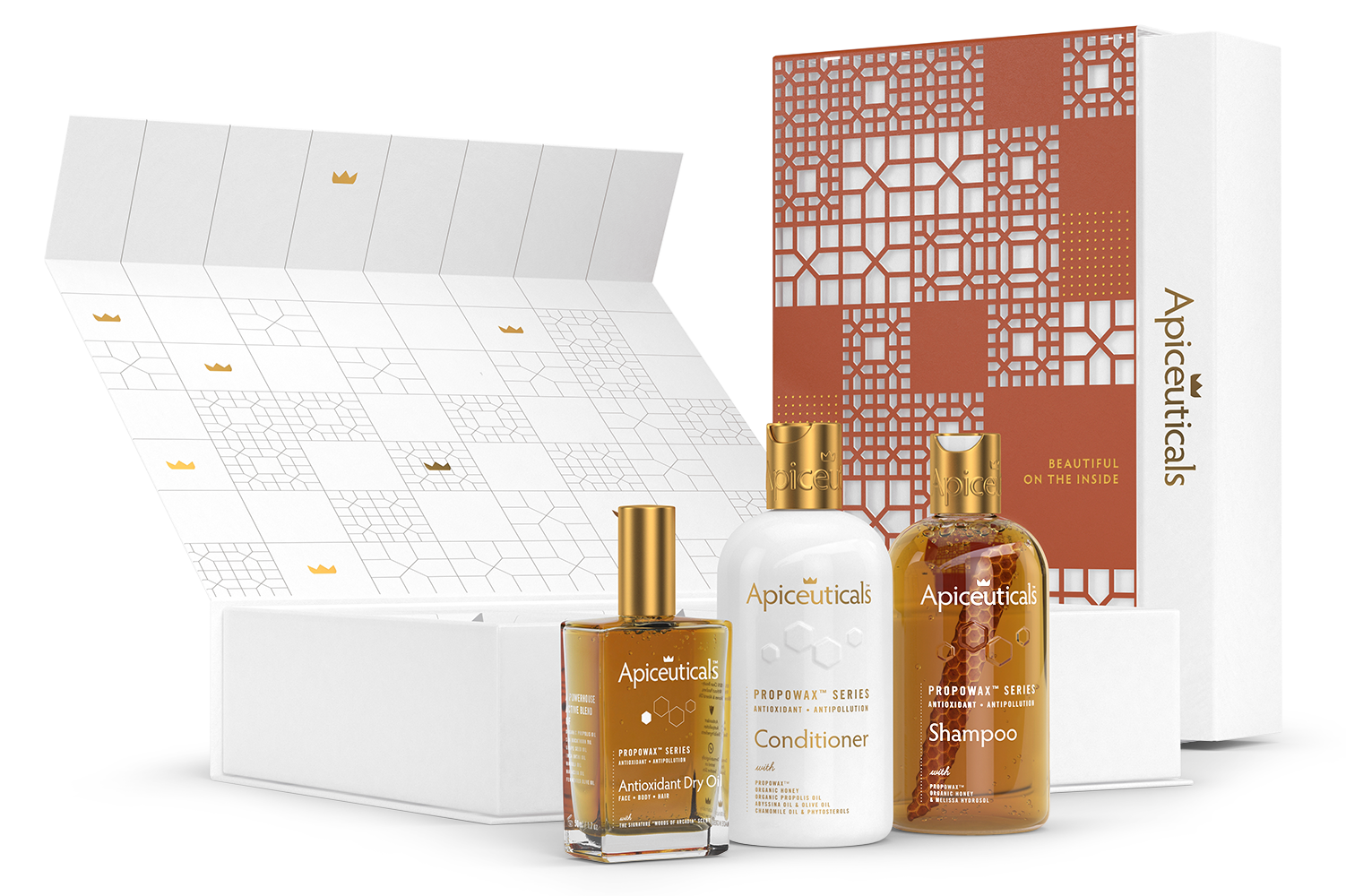
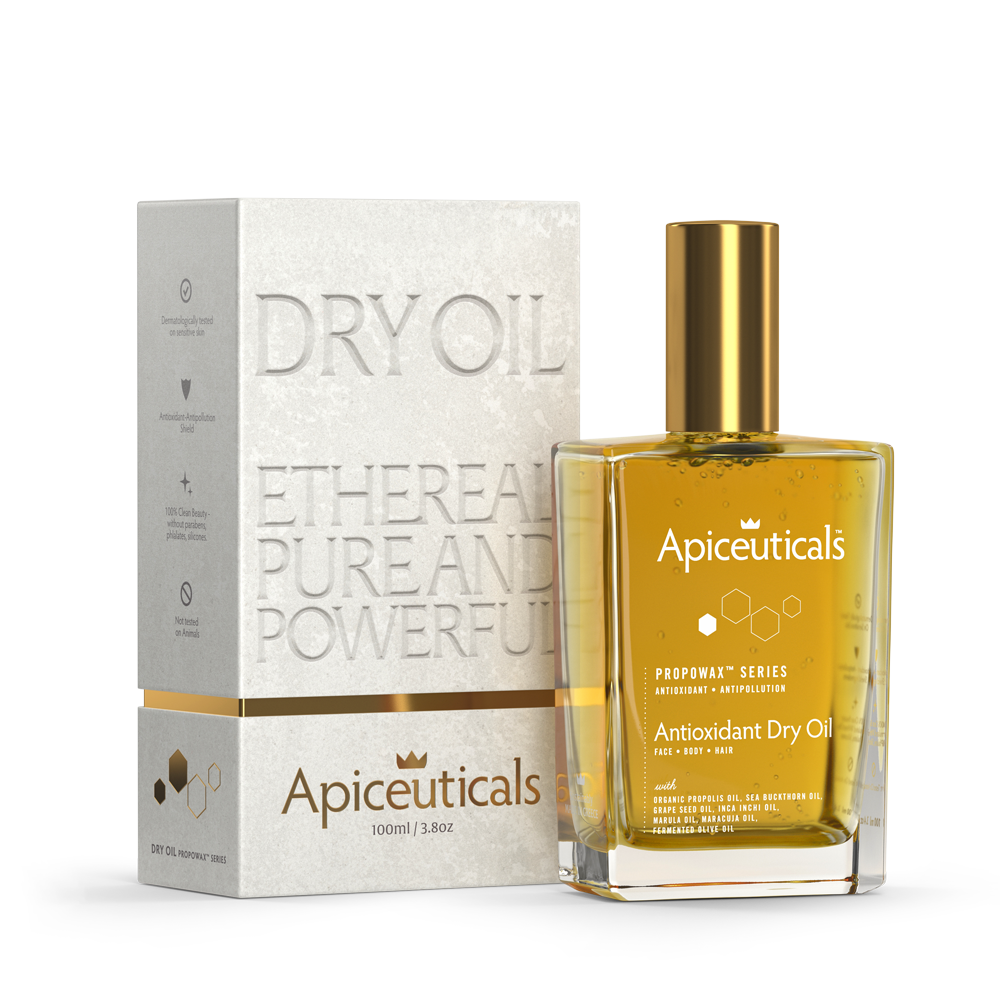
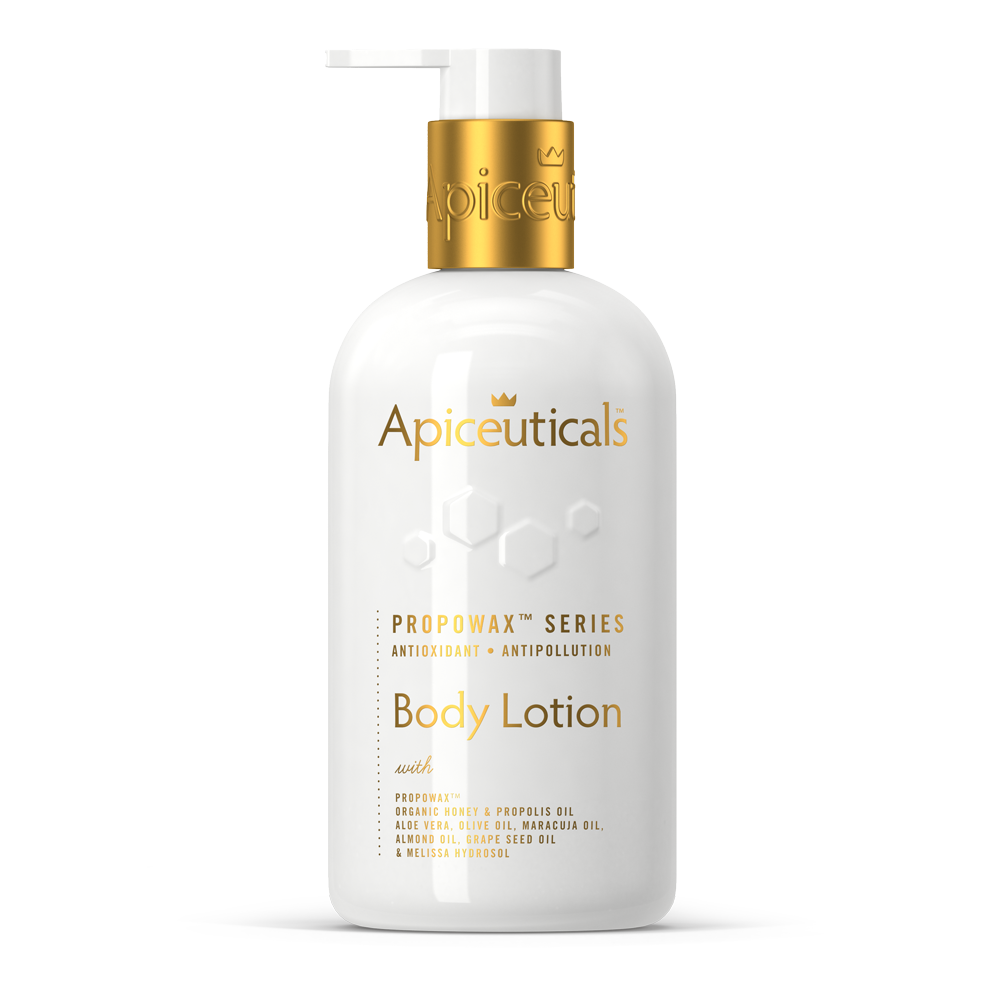
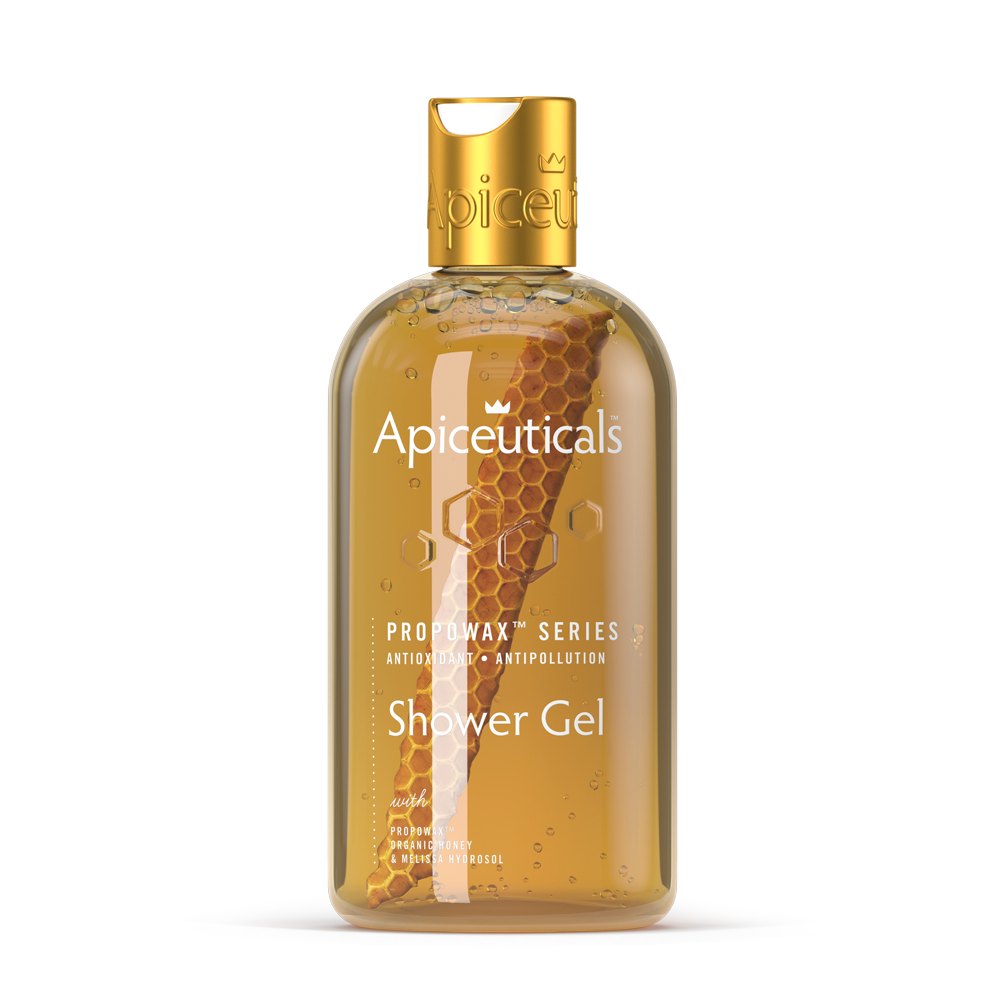
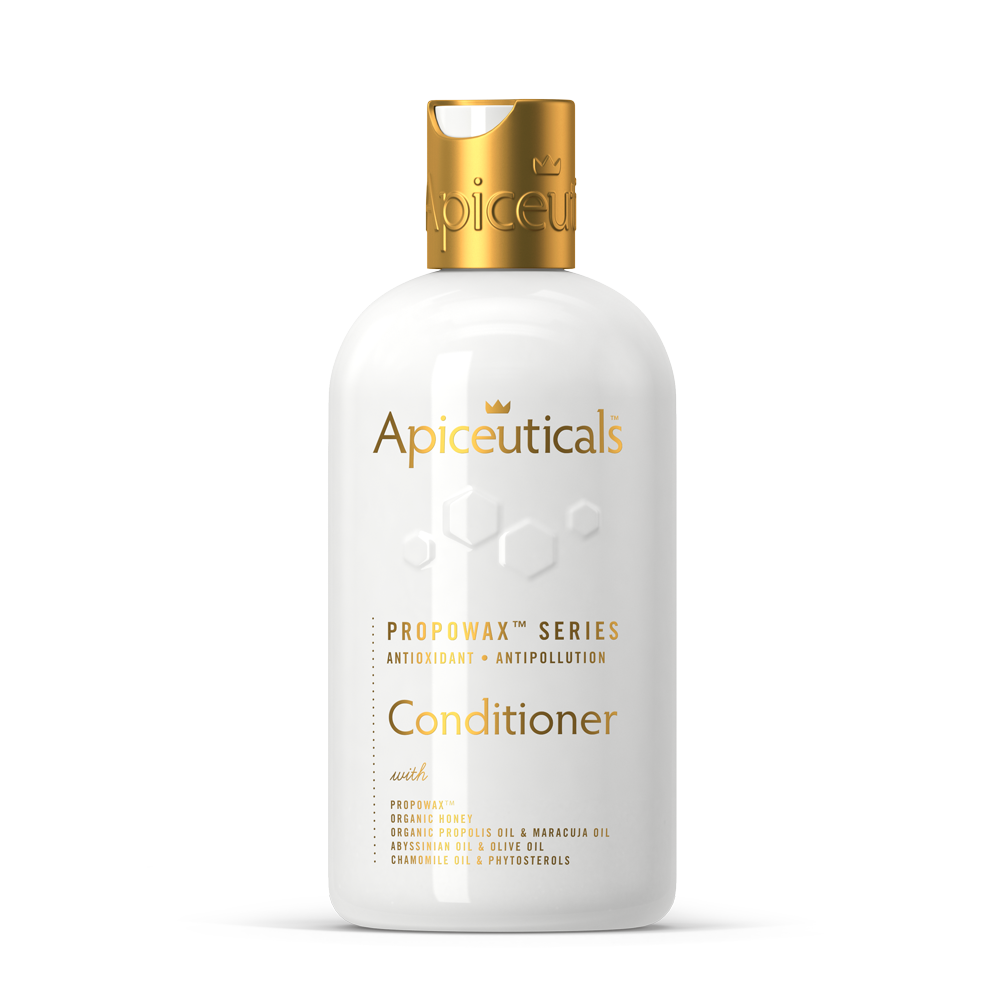
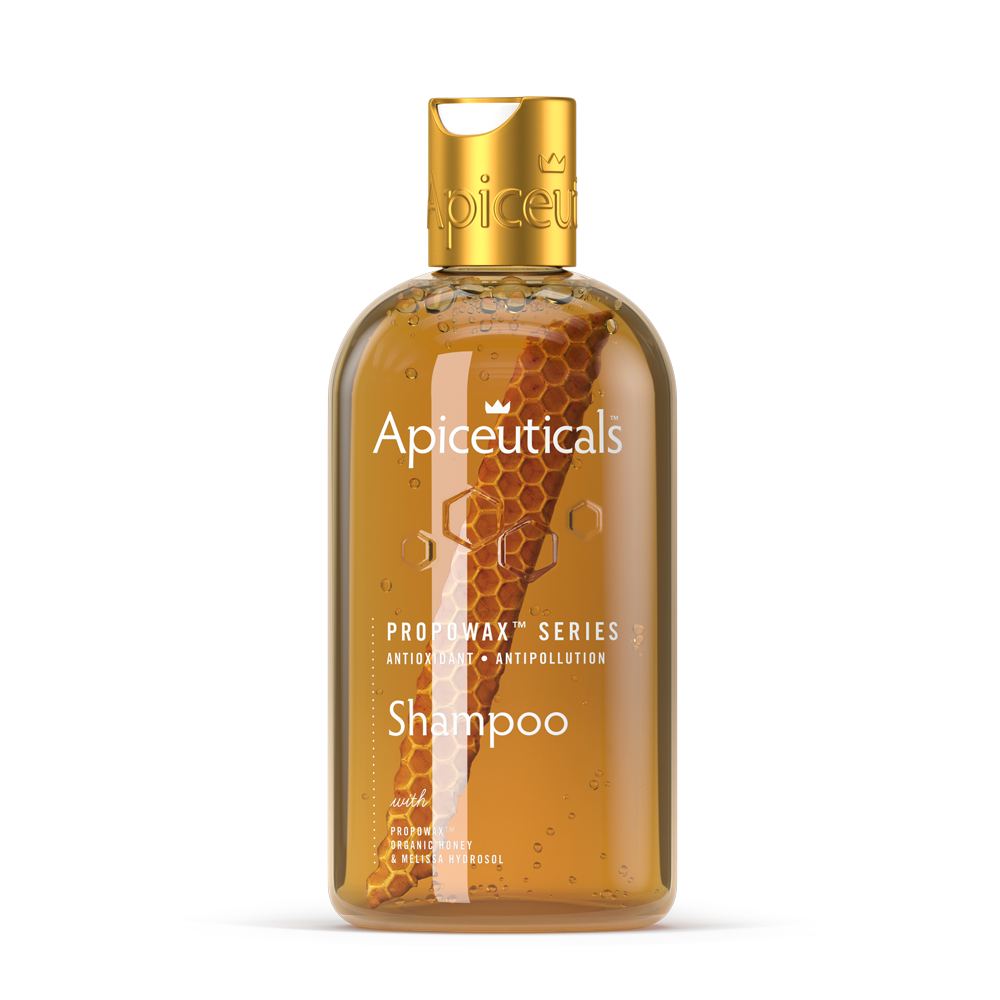
If you want antioxidant support beyond the face, the PROPOWAX™ Series extends the same continuous-release principle into hair and body care. Both lines sit within the broader antioxidant, clean beauty, and bee-powered skin science approach that shapes every Apiceuticals formula, and every product excludes over 2,000 potentially harmful ingredients as a baseline standard. Browse the current face care collection or start at the full product range to compare the HONEY BALM™ and PROPOWAX™ lines side by side, and read more on the formulation science behind the technology at the PROPOWAX™ technology page.
Sources
- PubMed article on hydration balance and barrier support
- Randomized clinical trial on emollient effects in xerosis
- European Commission: Cosmetics preservation explanation
- Formulation and barrier support literature (PMC article)
FAQ
What Is Anhydrous Skincare?
Anhydrous skincare refers to formulas made without water, typically built from oils, butters, waxes, and lipid-soluble actives. This water-free structure supports occlusion, reduces microbial risk through low water activity, and allows higher concentrations of oil-soluble antioxidants than a standard lotion.
What Do Korean Skincare Routines Use for Smooth, Even Skin?
Korean routines typically layer multiple humectant-rich, water-based steps first, such as essences and serums, before sealing everything in with an occlusive cream or oil. That final sealing step follows the same anhydrous skincare benefits logic as a Western balm or oil: locking in moisture already applied rather than replacing it.
What Does “Anhydrous Serum” Mean?
An anhydrous serum is a concentrated treatment formulated without water, usually built on an oil or lightweight ester base. It delivers oil-soluble actives, like certain antioxidants and vitamin derivatives, at higher stable concentrations than a water-based serum can typically maintain.
What Hydrates Skin Better Than Water Alone?
Water evaporates from skin quickly on its own; humectants combined with an occlusive lipid layer hold that moisture in place far longer. Clinical testing on emollients recorded corneometric hydration increases of up to 74.1% by day 28, demonstrating that the combination outperforms water applied alone.
Can Anhydrous Products Replace My Regular Moisturizer?
Not entirely. Anhydrous formulas excel at sealing in moisture and delivering oil-soluble actives, but they cannot deliver water-soluble humectants like glycerin or hyaluronic acid. Most routines get the best results pairing a water-based hydrating step with a waterless balm or oil layered on top.
Are Anhydrous Products Safe for Sensitive Skin?
Genuinely water-free formulas often skip the broad-spectrum preservatives that sometimes trigger sensitivity, which is why many sensitive-skin users tolerate them well. Apiceuticals reports 0% irritation in dermatological testing of its waterless HONEY BALM™ formulas on sensitive skin, a useful benchmark when evaluating any anhydrous product’s safety claims.
Recommended


Related posts

Explore how a trial lasting 24 weeks and Malassezia research link scalp oxidative stress to shedding, and where PROPOWAX™ fits continuous antioxidant care.

See when silicones smooth hair or build up, and how PROPOWAX™ holds a global patent for highest antioxidant activity, validated by Aristotle University.

Explore mountain honey benefits for skin and body, from floral polyphenols and antioxidant activity to evidence on cough relief, wound care, and safe use.

Propolis delivers stronger antioxidant and antimicrobial action. Royal jelly boosts hydration and repair. Learn which suits your skin or scalp and why...

Pick sulfate-free or sulfate shampoo by your scalp, porosity, and color needs. Read evidence-backed guidance, antioxidant options, and a 4-step switch...