No products in the cart.
Return To Shop
26% Fewer Wrinkles? Antioxidant Body Balms That Science Supports
Antioxidant body balm benefits are real but specific: sustained hydration, a repaired moisture barrier, and measurable protection against oxidative stress, with modest anti-aging gains when the formula is stable and well-dosed. A balm built on a delivery system like PROPOWAX™ Living Honeycomb, which Apiceuticals developed and the Aristotle University of Thessaloniki validated for antioxidant activity, extends how long those actives stay effective on skin. What a balm cannot do is replace sunscreen or reverse deep wrinkles overnight.
TL;DR:
- Antioxidant body balms provide sustained hydration and barrier repair by forming an occlusive film that holds active ingredients against the skin for longer periods.
- Delivery systems like PROPOWAX™ Living Honeycomb ensure antioxidants remain stable and effective over time, offering measurable anti-aging benefits with regular use.
- Ingredients such as stable vitamin C derivatives, vitamin E, propolis, and plant polyphenols are key for antioxidant protection, but their effectiveness depends on proper formulation and placement in the product.
- Balms are especially beneficial on dry, stressed skin areas and should be layered over serums with daily sunscreen use to maximize skin health benefits.
- Results like wrinkle reduction are modest and develop gradually over weeks, with hydration showing quick improvement within days.
Table of Contents
- What Is a Body Balm, and How Is It Different From a Lotion?
- How Do Topical Antioxidants Actually Protect Skin?
- Which Ingredients Do the Antioxidant Work?
- What Benefits Should You Actually Expect?
- How Should You Apply an Antioxidant Body Balm?
- Who Should Be Careful With Antioxidant Balms?
- What Does the Evidence Actually Say?
- Realistic Expectations for Antioxidant Body Balms
- Where PROPOWAX™ Fits Into a Body Care Routine
- Sources
- FAQ
What Is a Body Balm, and How Is It Different From a Lotion?
A body balm is a waterless, concentrated blend of butters, waxes, and oils, formulated without the water base that makes lotions and creams thinner and faster absorbing. That difference in structure changes how it behaves on skin. Because a balm has no water to evaporate, it forms an occlusive film that slows moisture loss and holds oil-soluble antioxidants against the skin for longer stretches of time, rather than letting them rinse away in a watery emulsion.
That occlusion is the whole point of the body balm vs body lotion distinction consumers keep asking about. A lotion spreads easily and suits daily hydration on normal skin. A balm works better where skin is under real stress:
- Elbows, knees, and heels that crack in cold or dry air
- Winter months when indoor heating strips humidity from skin
- Layering over a serum, where the balm seals in active ingredients rather than diluting them
Formulators and skincare editors alike describe this occlusive mechanism as one of the primary body balm advantages over thinner formats, since the richer base keeps working long after application.
How Do Topical Antioxidants Actually Protect Skin?
Oxidative stress happens when free radicals, unstable molecules generated by UV exposure, pollution, and normal metabolism, outnumber the antioxidants available to neutralize them. Left unchecked, these free radicals damage collagen and elastin fibers in the extracellular matrix, the scaffolding that keeps skin firm. That damage accumulates slowly, which is why skin ages faster in polluted or high-sun environments than the calendar alone would suggest.
Topical antioxidants intervene by donating electrons to free radicals, effectively defusing them before they degrade collagen and elastin. Medical News Today’s review notes that topical antioxidants may reduce DNA damage from UV light, improve hydration, and support the visible reduction of wrinkles and pigmentation over time. A separate review in PMC confirms that plant-derived antioxidants can lower oxidative stress markers in skin, provided the formulation keeps those actives stable long enough to penetrate.

That last condition matters more than most shoppers realize. An antioxidant that oxidizes in the jar before it ever reaches skin does nothing. Formulation science on delivery vehicles, concentration, and pH determines whether an ingredient list translates into a working antioxidant field or just an expensive one on paper. This is precisely where a controlled release system like PROPOWAX™ separates itself from a simple oil blend: continuous release keeps active concentration steady rather than front loaded and gone within an hour.
Which Ingredients Do the Antioxidant Work?
Reading a body balm label well means knowing what each antioxidant is actually contributing, since not every ingredient works the same way or at the same speed.
- Vitamin C drives collagen synthesis and helps even pigmentation, though its effectiveness depends heavily on using a stable derivative rather than raw ascorbic acid, which degrades quickly when exposed to air and light, according to a dermatology review of topical vitamin C.
- Vitamin E protects the lipid membranes of skin cells and works synergistically with vitamin C, each one extending the other’s antioxidant lifespan.
- Propolis and honey contribute polyphenols and flavonoids tied to antioxidant and reparative activity, with potency shaped by how the bee ingredients are harvested and concentrated.
- Plant polyphenols, from green tea to berry extracts, broaden the free radical scavenging beyond a single molecule.
- Butters, waxes, and squalane carry those actives and build the occlusive layer that keeps everything on skin long enough to matter.
Pro Tip: Check the ingredient order on the label. Antioxidants listed near the top of a balm’s formula are present in meaningful concentration; those buried near preservatives at the bottom are likely there for marketing, not efficacy.
For a deeper look at how these ingredients rank against each other, Apiceuticals breaks down the best antioxidants for skin by type and mechanism.
What Benefits Should You Actually Expect?
Each benefit tied to antioxidant body balms traces back to a distinct mechanism, and understanding that link keeps expectations realistic.
Hydration and barrier repair come from the occlusion effect described earlier: butters and waxes physically slow transepidermal water loss, the process by which moisture escapes through skin into the air. This is the fastest, most visible benefit, often noticeable within days.
Anti-aging results are slower and more cumulative. Antioxidants reduce oxidative damage to collagen and elastin, which can support the skin’s own maintenance of those fibers, but gains show up over weeks of consistent use, not overnight. Clinical evidence backs modest, measurable change rather than dramatic transformation.
Environmental protection works at the level of oxidative markers. A well-formulated balm can lower the oxidative burden pollution and UV exposure place on skin cells, but it is not a substitute for sunscreen. Medical News Today’s antioxidant skin research is explicit that these actives support photoprotection, they do not replace it.
Texture and tone improve as a secondary effect of sustained emollience. Roughness decreases with regular occlusion, and targeted antioxidants like vitamin C can soften the appearance of uneven pigmentation over time.
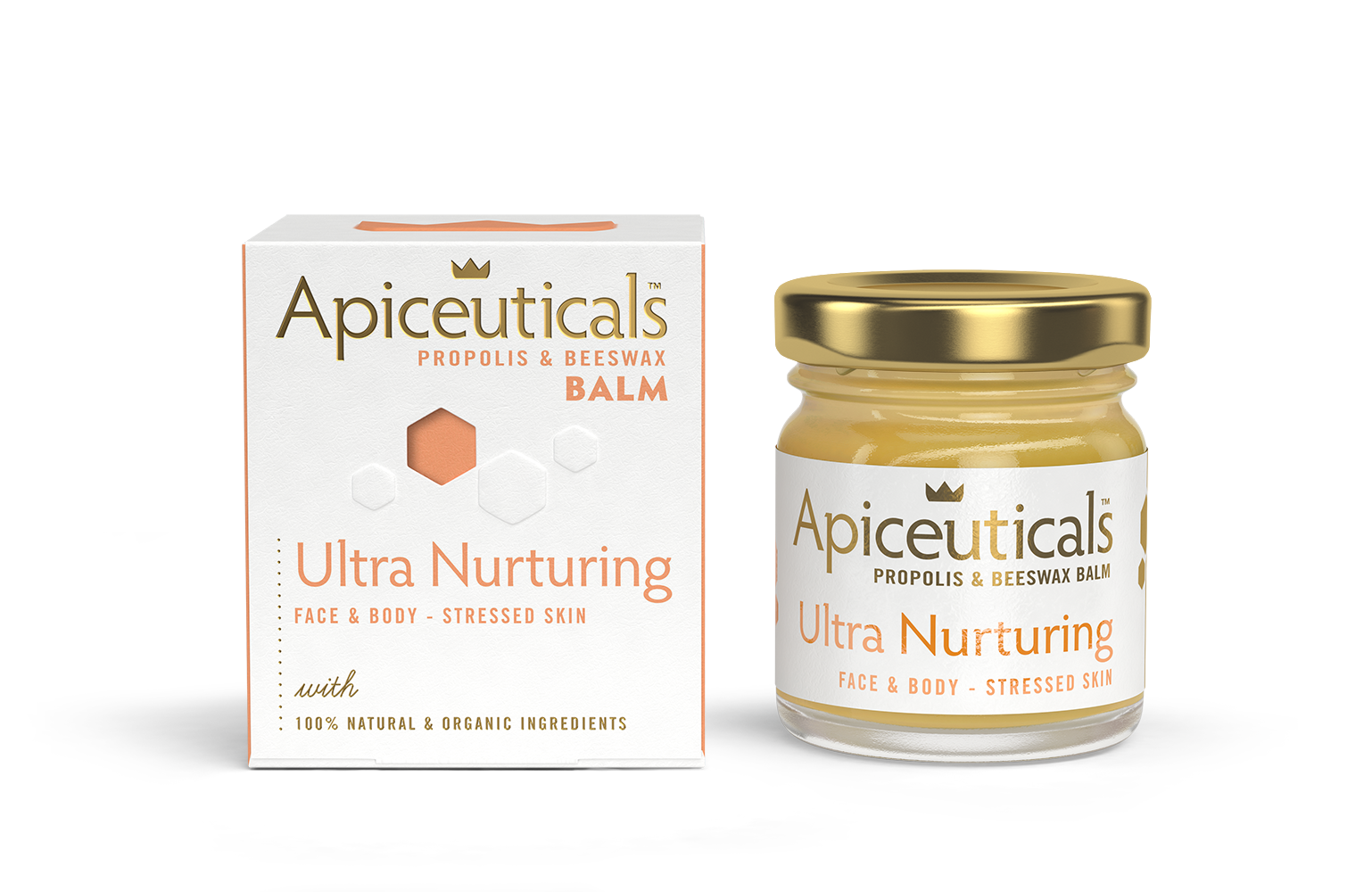
One clinical claim worth noting: Apiceuticals reports its HONEY BALM™ series achieved a 26% reduction in wrinkle appearance in client-reported clinical testing, a figure that illustrates what a stable, high-concentration antioxidant formula can realistically deliver.

How Should You Apply an Antioxidant Body Balm?
Application technique changes how much benefit you actually get from the formula, regardless of how good the ingredient list looks.
- Apply to damp skin right after a shower. Damp skin holds more water for the balm to trap, which is when occlusion does its best work.
- Focus on the driest areas first, elbows, knees, shins, rather than spreading a thin layer everywhere.
- Warm a small amount in your palms before applying. Balms are concentrated, so a little goes further than it looks, and warming helps it glide rather than drag.
- Massage until fully absorbed, then layer any serum underneath, never on top, since the balm’s job is to seal, not to penetrate first.
- During the day, always follow with broad-spectrum sunscreen. No antioxidant formula, however well studied, functions as UV protection on its own.
Give the routine several weeks before judging results. Antioxidant effects on tone and firmness build gradually, and stopping too early is the most common reason people underestimate what a balm can do.
Who Should Be Careful With Antioxidant Balms?
Most antioxidant body balms are well tolerated, but a few groups should read labels more carefully before adding one to a routine.
- Patch test any new balm on a small area for 24 to 48 hours, particularly if it contains fragrance or essential oils, the most common triggers for irritation.
- Avoid layering a body balm over retinoids or strong exfoliants without guidance, since the combination can increase irritation, and the American Academy of Dermatology notes retinoids already raise sun sensitivity on their own.
- If pregnant or breastfeeding, avoid retinoid-containing products; vitamin C and vitamin E antioxidants are generally considered acceptable, but a clinician should weigh in before using high-strength actives.
- Favor formulas that specify stable antioxidant forms and cite dermatological testing, ideally with a stated irritation rate, over vague “natural” claims with no data behind them.
Readers researching interactions between anti-aging actives and skin sensitivity can also review this Greek-market guide to anti-aging ingredient safety for a broader look at risk profiles.
What Does the Evidence Actually Say?
Apiceuticals built its case on independent validation rather than marketing language. The brand’s PROPOWAX™ technology holds a global patent for the highest antioxidant activity recorded in a cosmetic delivery system, a claim verified through independent testing at the Aristotle University of Thessaloniki. The mechanism behind it, a Living Honeycomb structure that continues releasing antioxidants onto skin after application, addresses the exact formulation problem researchers flag most often: stability.
Formulation stability, concentration, and delivery vehicle are consistently identified as the determining factors in whether a topical antioxidant performs as claimed or degrades before it can act. A continuous-release structure changes that equation by keeping active concentration steady over time rather than delivering a single, fast-fading dose.
That principle aligns with the wider evidence base. Independent reviews in PMC confirm that plant-derived antioxidants reduce oxidative stress markers when formulation allows genuine active delivery, the same condition Apiceuticals cites as the reasoning behind its own technology.
Realistic Expectations for Antioxidant Body Balms
Chronically dry skin, seasonal climate stress, and anyone building cumulative antioxidant protection into a routine will see the most benefit here. Choose a clinically tested, stability-focused formulation over a generic balm whenever anti-aging results matter to you. And keep sunscreen in the routine regardless. No balm, however well formulated, substitutes for daily UV protection.
— Apiceuticals
Where PROPOWAX™ Fits Into a Body Care Routine
Apiceuticals formulates its bodycare line around PROPOWAX™ Living Honeycomb, the same patented antioxidant delivery system validated at the Aristotle University of Thessaloniki for the highest recorded antioxidant activity in a cosmetic matrix. Rather than a single antioxidant dose that fades within hours, the Living Honeycomb structure continues releasing actives onto skin after application, which is the formulation principle behind measured results like the 26% wrinkle reduction reported for the HONEY BALM™ series.

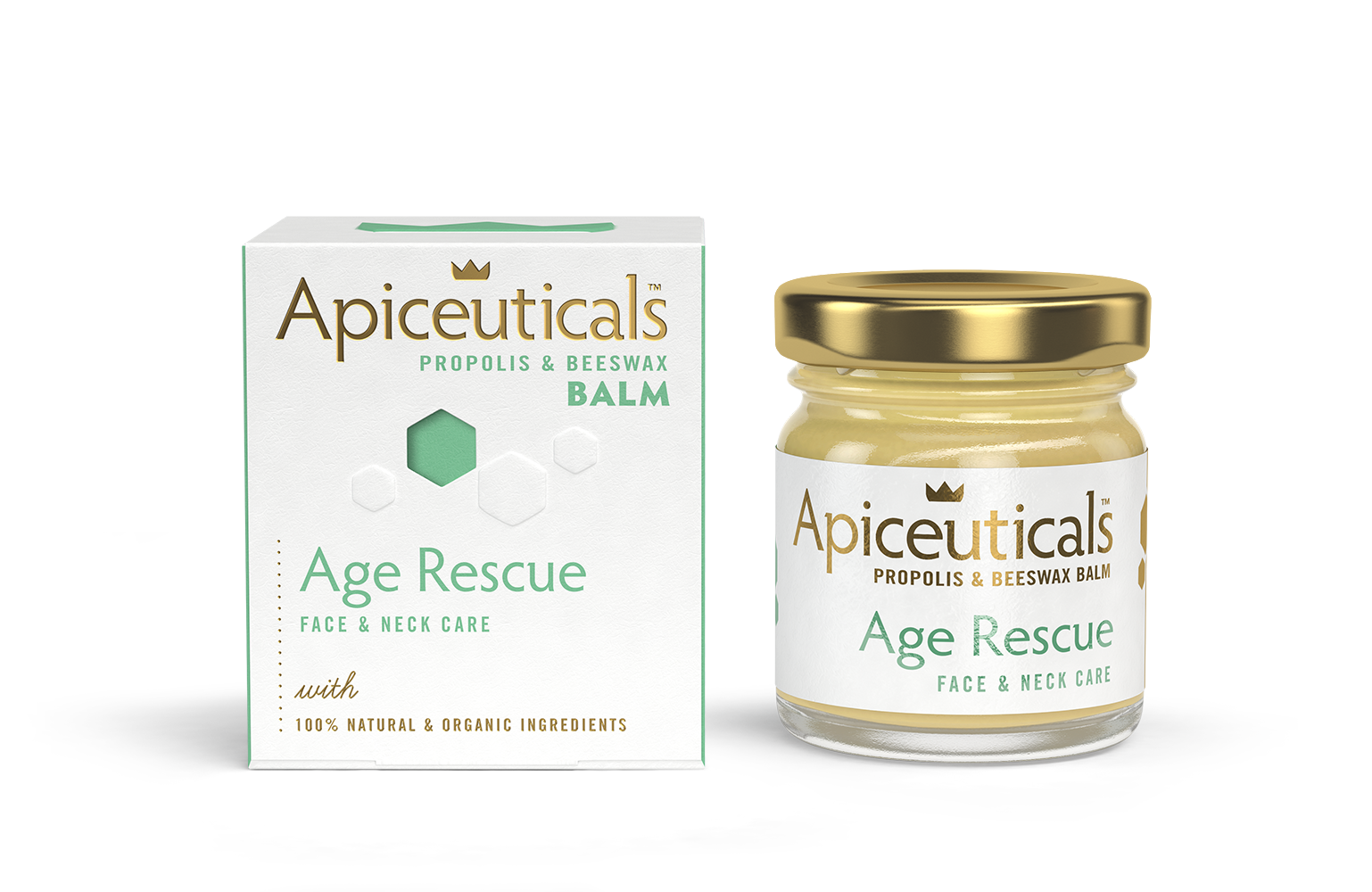
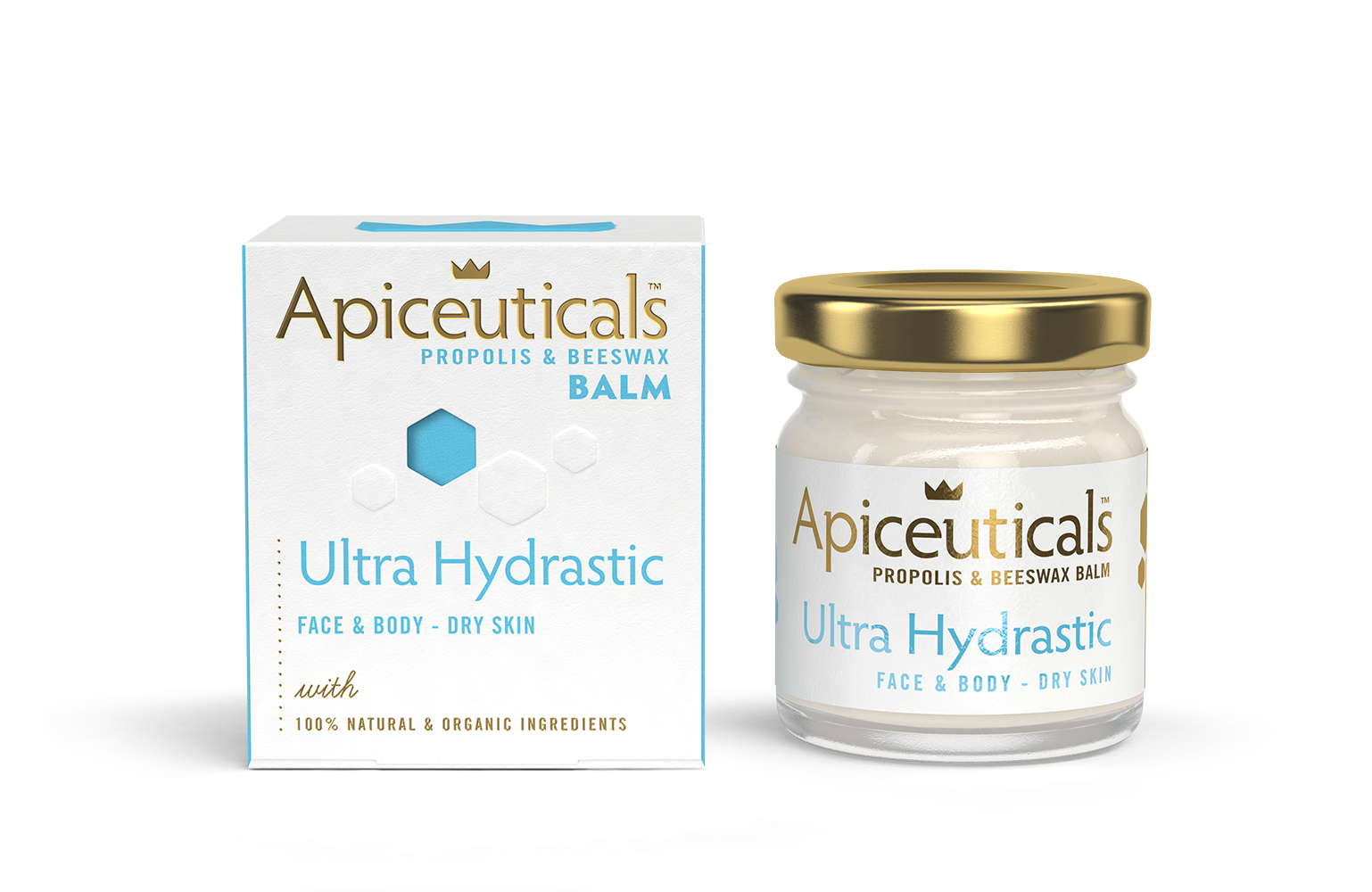
For readers who want to see the mechanism in full, Apiceuticals lays out the science behind the PROPOWAX™ technology in detail, including how the delivery system differs from standard antioxidant blends. The full antioxidant bodycare range, including balms formulated with propolis and organic honey, is available through the Apiceuticals shop, where every product is dermatologically tested and free from SLS, parabens, and mineral oils. If dry skin, seasonal stress, or visible aging are the concern, start there and pick the formulation that matches your skin’s actual needs.
Sources
- Antioxidants for skin: Benefits, drawbacks, and sources — Medical News Today
- Plant‑Derived Antioxidants: Significance in Skin Health and … — PMC
- Topical Vitamin C in Dermatology — PMC
- Retinoid and retinol guidance — AAD
FAQ
What Are the Benefits of Using a Body Balm?
Body balms hydrate more intensely than lotions because their waterless, occlusive base slows moisture loss and extends the delivery of oil-soluble antioxidants, supporting barrier repair and modest anti-aging benefits over time.
Is Antioxidant Good for Your Skin?
Yes. Topical antioxidants help neutralize free radicals from UV exposure and pollution, and research shows they can reduce DNA damage and improve hydration when the formula keeps the active stable.
What Is Antioxidant Cream Good For?
Antioxidant creams and balms target oxidative stress at the skin surface, supporting collagen and elastin maintenance, reducing the visible impact of pigmentation, and softening rough texture with consistent use.
What Is the Purpose of a Body Balm?
A body balm exists to concentrate hydration and antioxidant delivery in one occlusive layer, making it especially useful on very dry skin, in winter, or layered over a serum for extended protection.
Does Antioxidant Body Balm Replace Sunscreen?
No. Antioxidant balms reduce oxidative stress from UV exposure but do not block UV rays directly, so daily broad-spectrum sunscreen remains necessary regardless of which antioxidant formula you use.
How Long Until You See Results From an Antioxidant Balm?
Hydration improves within days, but anti-aging changes like reduced wrinkle appearance build gradually. Clinical testing on formulations like Apiceuticals’ HONEY BALM™ series showed measurable change over a full study period, not overnight.
Recommended


Related posts

Explore how a trial lasting 24 weeks and Malassezia research link scalp oxidative stress to shedding, and where PROPOWAX™ fits continuous antioxidant care.

See when silicones smooth hair or build up, and how PROPOWAX™ holds a global patent for highest antioxidant activity, validated by Aristotle University.

Explore mountain honey benefits for skin and body, from floral polyphenols and antioxidant activity to evidence on cough relief, wound care, and safe use.

Propolis delivers stronger antioxidant and antimicrobial action. Royal jelly boosts hydration and repair. Learn which suits your skin or scalp and why...

Pick sulfate-free or sulfate shampoo by your scalp, porosity, and color needs. Read evidence-backed guidance, antioxidant options, and a 4-step switch...