No products in the cart.
Return To Shop
Top 6 Eco-Friendly Asimosfoods.com Alternatives 2026
Sourcing eco-friendly raw honey that meets strict antioxidant and ethical criteria is a recurring challenge for gift buyers and health-focused households. Most mainstream honey brands rely on mass production and lack verified antioxidant activity claims or traceable ethical beekeeping. This comparison covers ingredient sourcing, scientific validation, and ethical practices across six premium alternatives, so buyers can match one to their needs directly.
Table of Contents
- Apiceuticals
- BeeHype
- Pearl Honey Spreads
- Cox Honeyland & Gifts
- Carmel Honey Company
- Rare Hawaiian Honey
- Comparison of alternatives
Apiceuticals
At a Glance
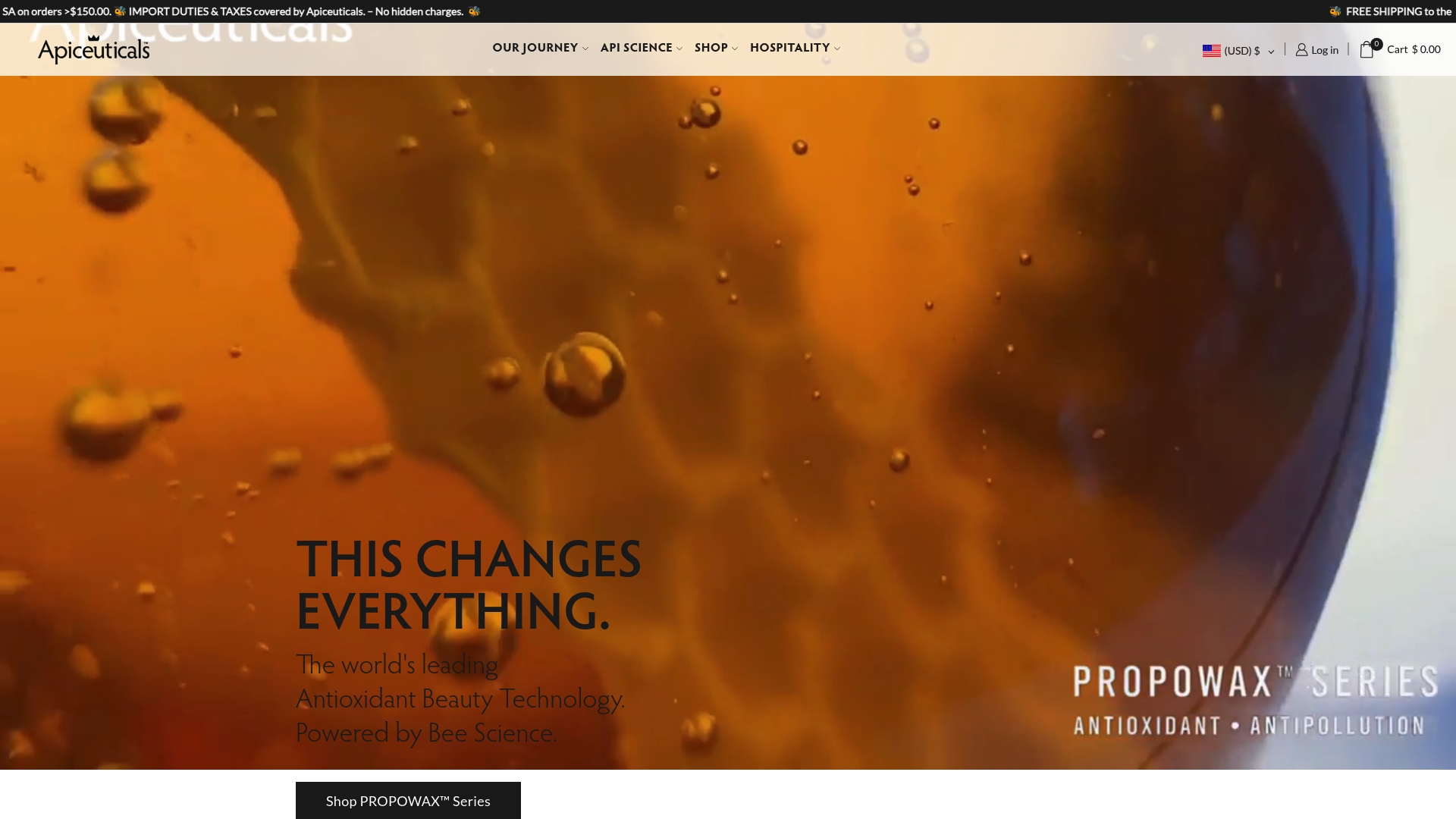
Apiceuticals holds a global patent for an antioxidant delivery system that embeds a living honeycomb into topical formulations. The brand pairs that patented Living Honeycomb with Greek botanical extracts and claims clinical testing for several products. The mix targets oxidative stress on skin, scalp, and hair while emphasizing ethical beekeeping.
Core Features
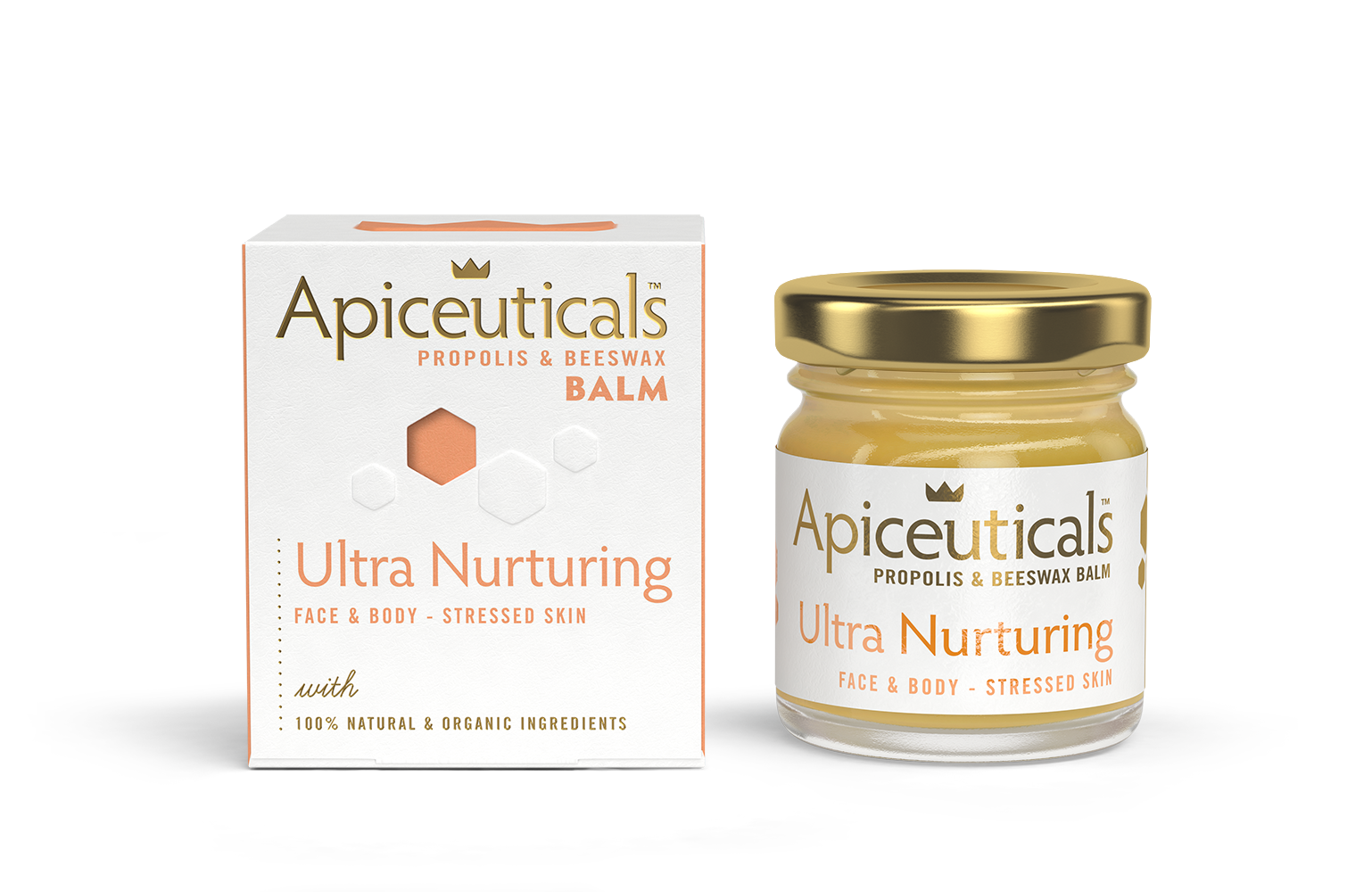
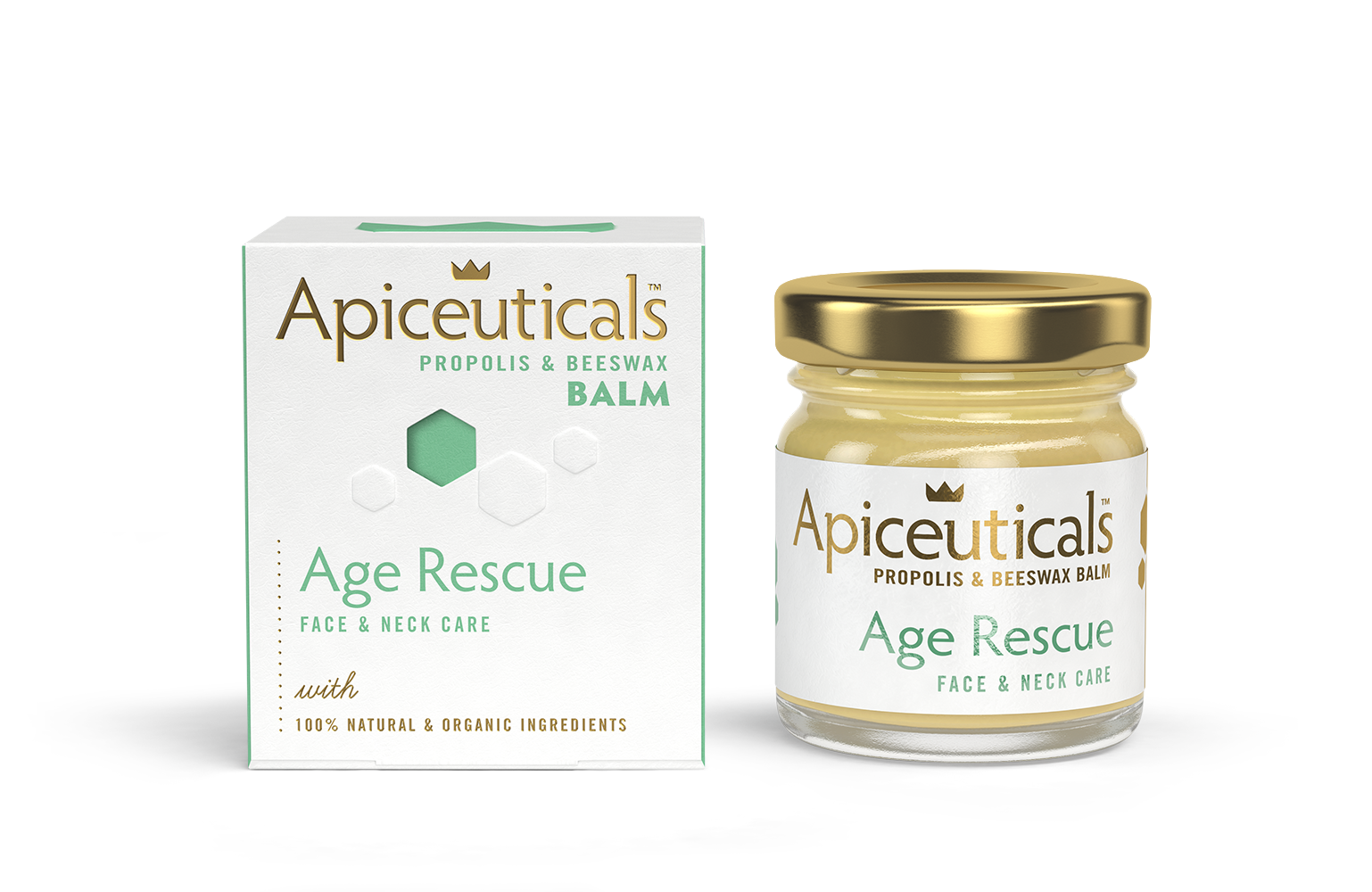
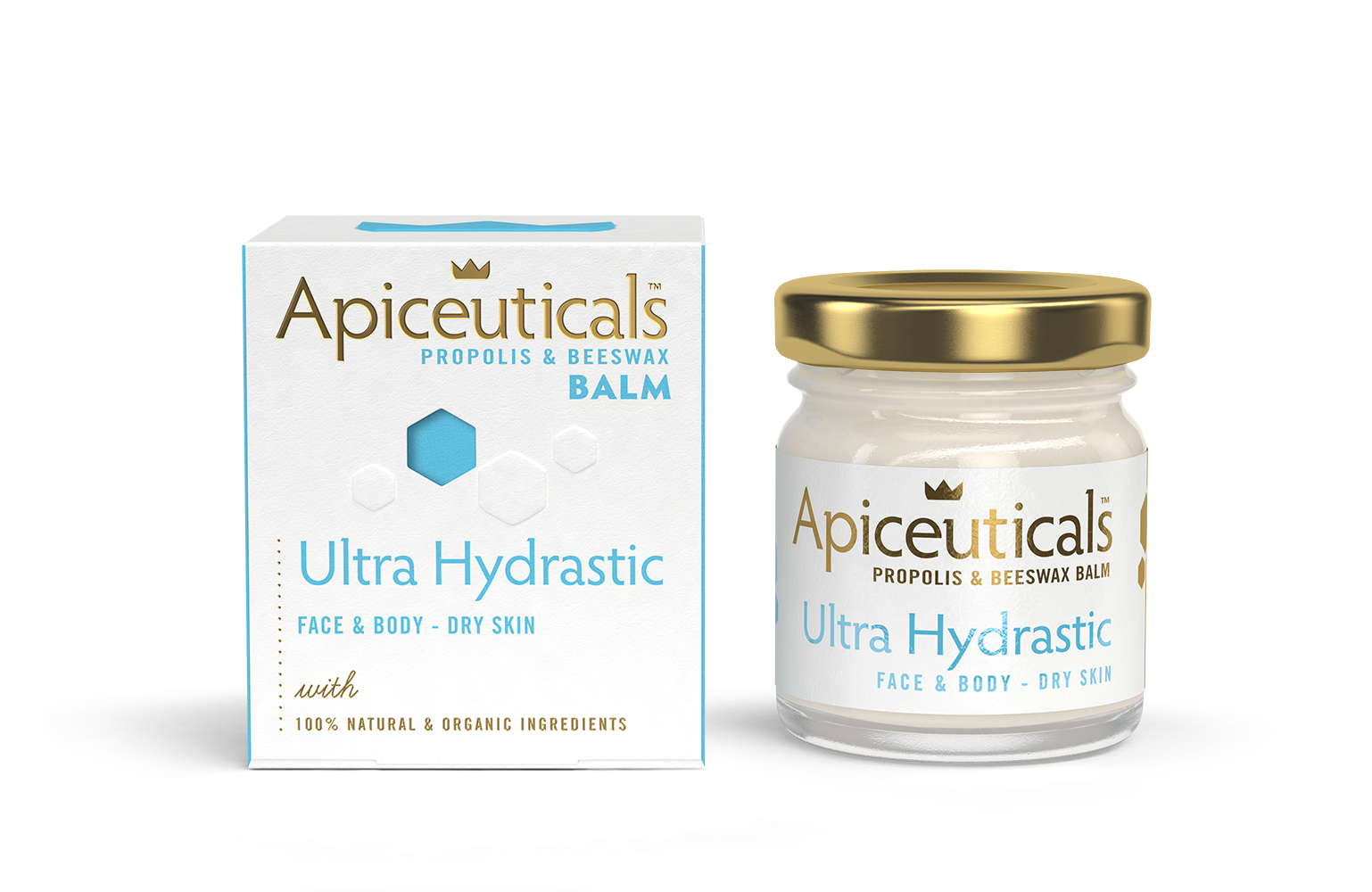
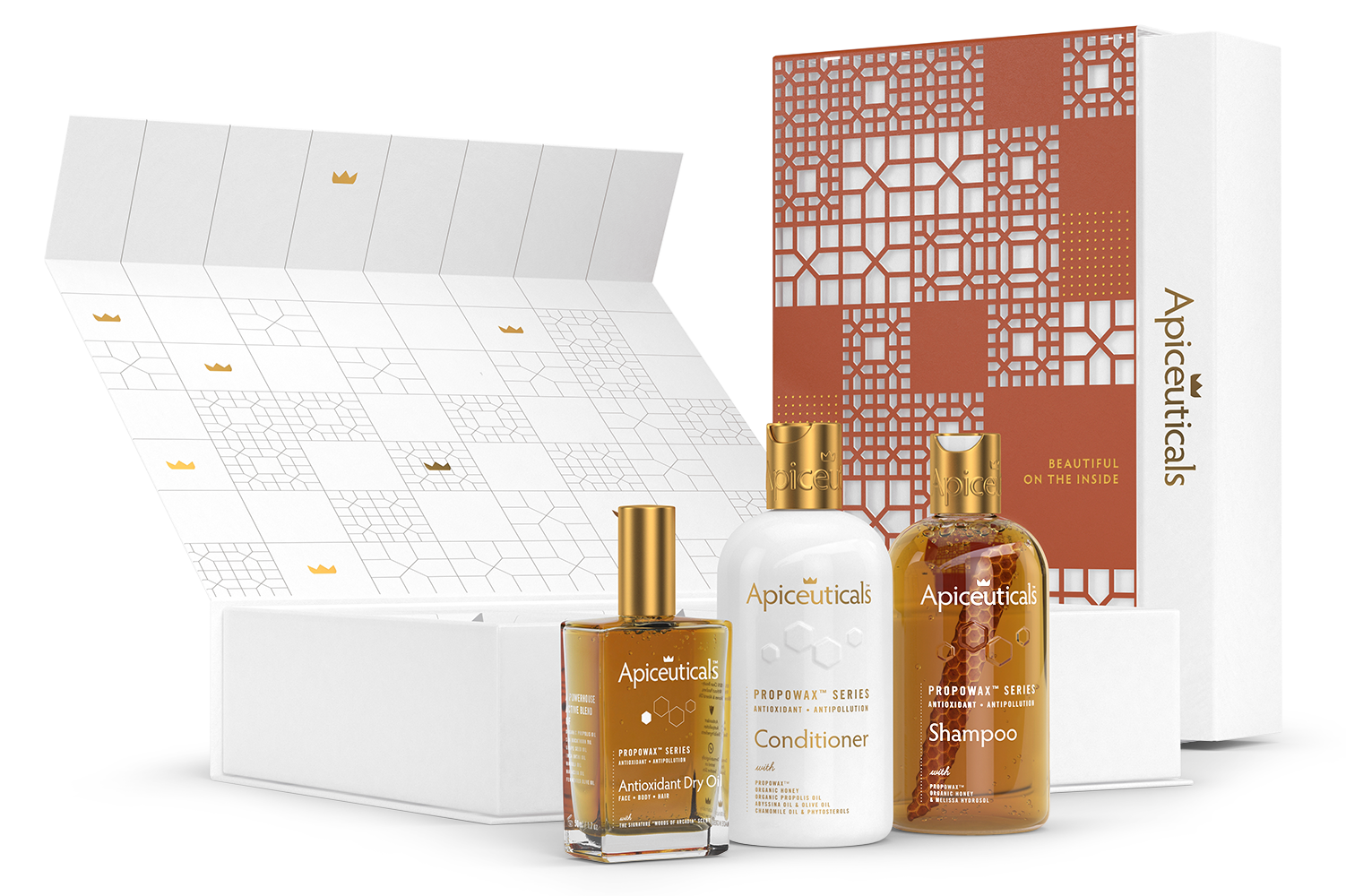
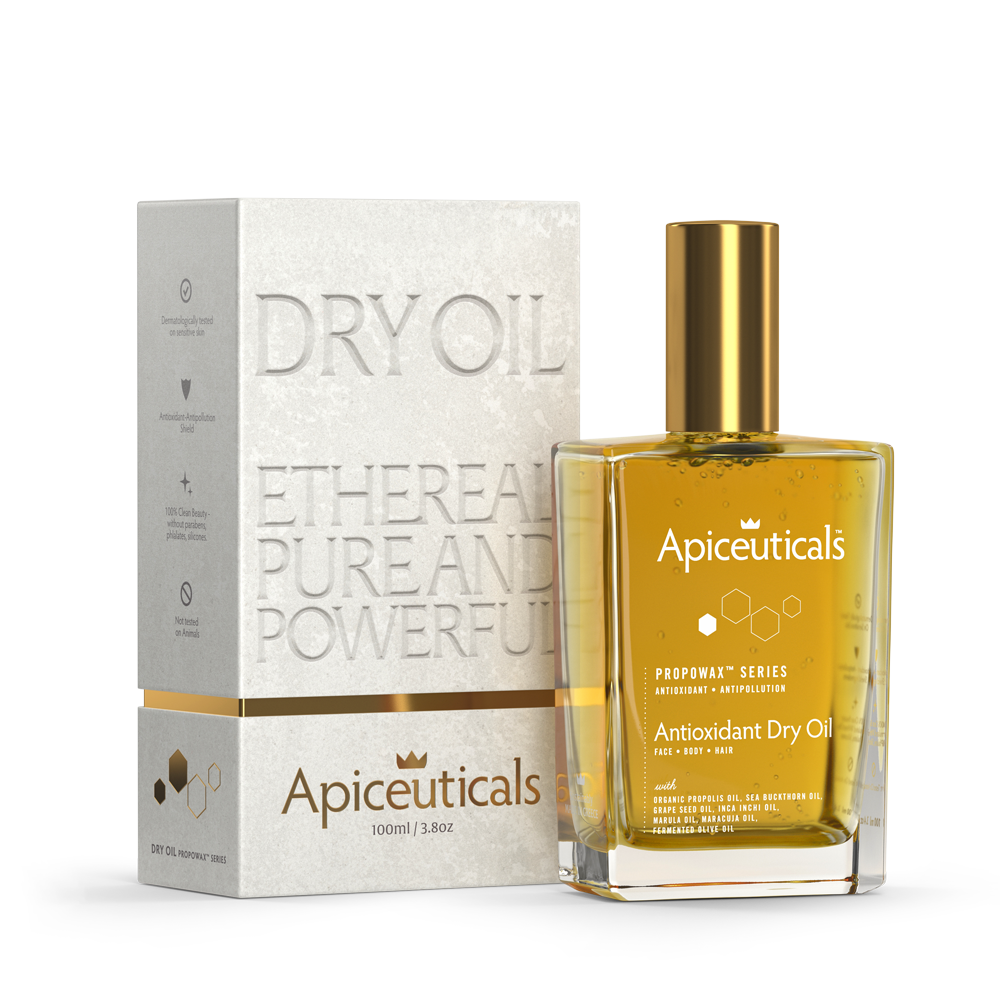
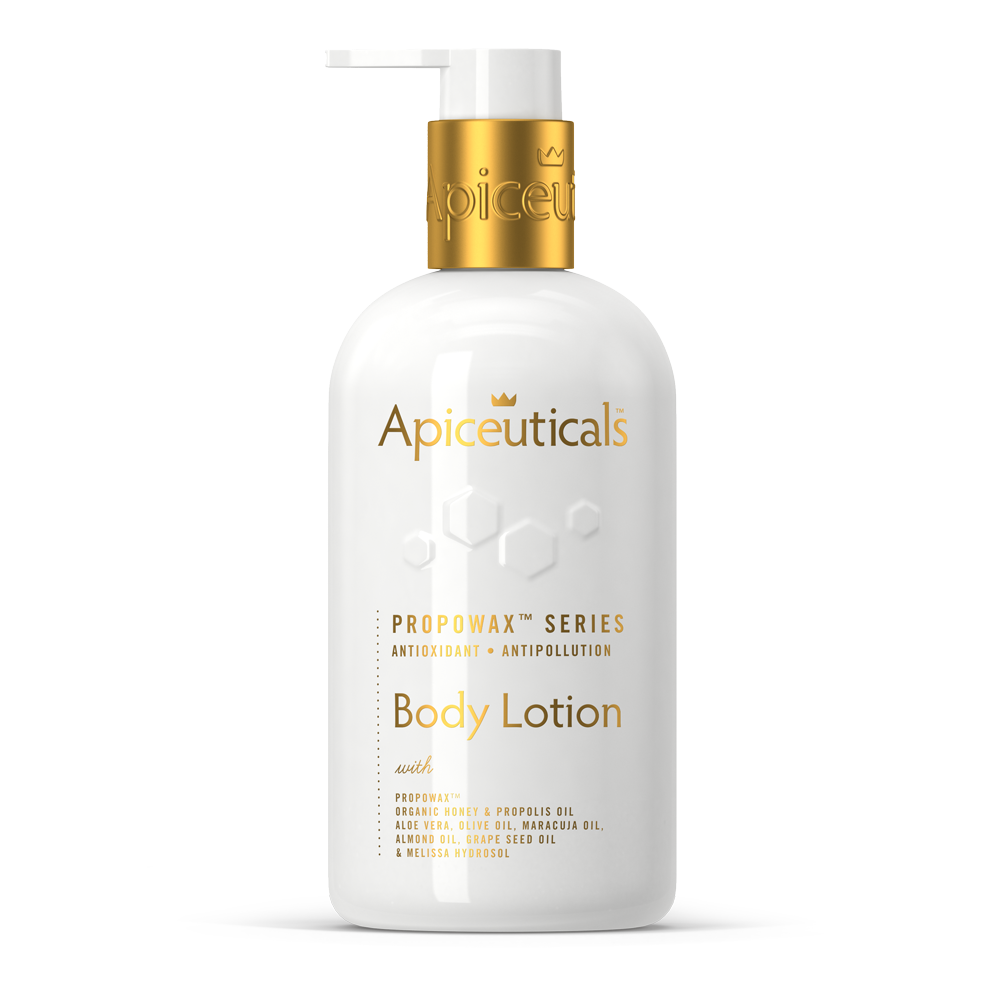
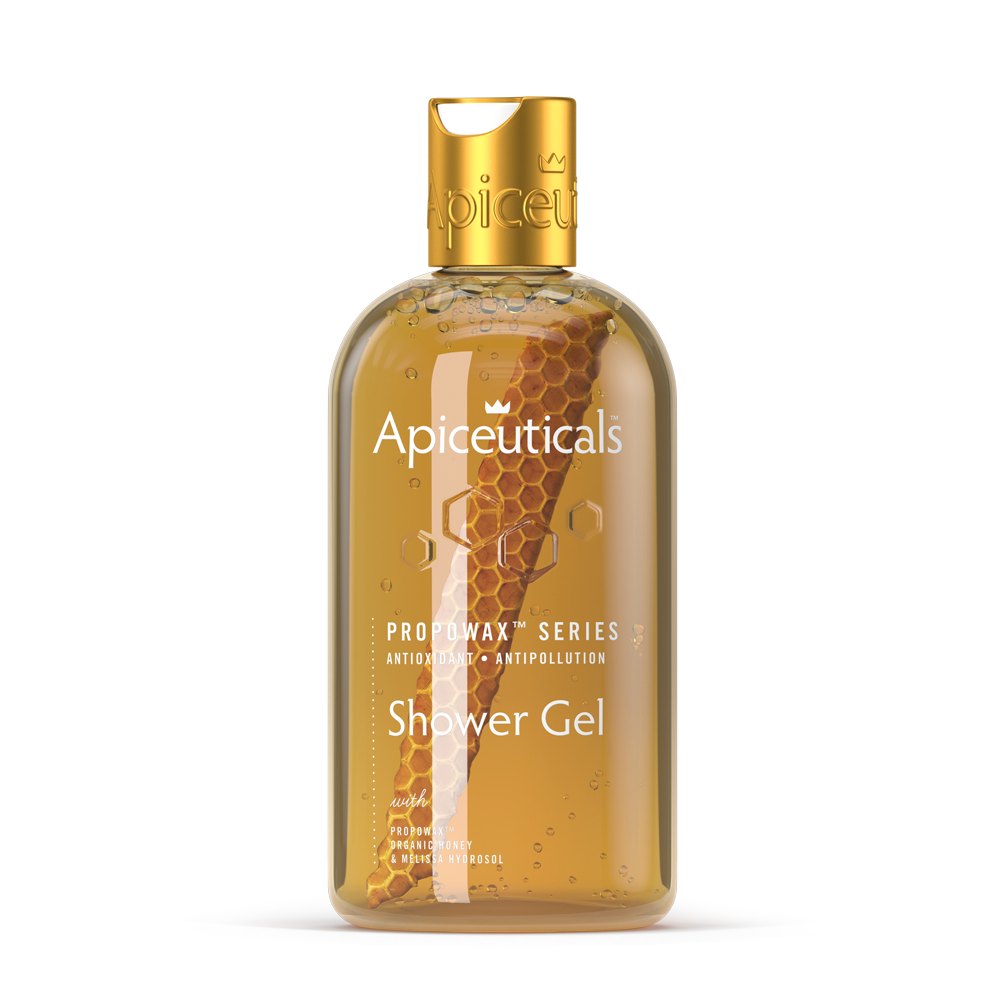
Apiceuticals centers its range on a patented bee science delivery mechanism called PROPOWAX™ Living Honeycomb, which continuously releases antioxidants onto skin and hair. The line includes serums, balms, hair products, and beauty tools, plus gift sets and waterless facial options. The vendor advertises clinically tested formulations and highlights organic, cruelty free ingredients and exclusion of parabens, silicones, and mineral oils.
Key Differentiator
The product differentiator is the combination of a patented Living Honeycomb antioxidant carrier and regional Greek botanicals validated by independent research. That patent underpins antioxidant release rather than momentary surface protection. The Aristotle University of Thessaloniki validated the technology, and industry press recognized the brand for antioxidant activity. This technical foundation steers formulations toward long term oxidative defense rather than short lived masking.
Pros
Apiceuticals delivers a clear scientific narrative tied to PROPOWAX™ Living Honeycomb, which gives the formulations a distinct mechanism. The ingredient lists favor organic and cruelty free inputs and the brand excludes over 2,000 controversial ingredients, which supports sensitive skin needs. Ethical beekeeping practices are documented, with collection limits to protect hive health and a large local apiary footprint in Arcadia. Award recognition for product innovation and taste further supports the brand story and product credibility.
Cons
- Premium pricing may be a barrier for some consumers who prefer budget skincare options.
Who It’s For
This line suits environmentally conscious, health focused consumers who prioritize science backed natural beauty. It fits people who prefer organic ingredients and who accept a higher price for documented ethical sourcing. Gift buyers who value presentation and provenance will also appreciate the curated sets.
Unique Value Proposition
PROPOWAX™ Living Honeycomb provides continuous antioxidant delivery rather than a one time antioxidant dose. That continuous release can reduce oxidative load on the skin and scalp throughout the day. For buyers seeking an evidence oriented, bee science approach, this changes how topical antioxidants are delivered and experienced.
Real World Use Case
A consumer subscribes to a periodic delivery of an Antioxidant Serum and Hair Care Duo and pairs the serum with a waterless HONEY BALM tool on evenings. Regular use creates a consistent antioxidant layer and complements a pollution exposure routine. The customer values the ethical sourcing and the brand’s traceable Arcadian beekeeping.
Pricing
Most single items range from approximately $37 to $99. Gift sets and larger sizes come at higher price points. The company reports free shipping above $150 and free import duties for the United States.
Website: https://apiceuticals.com
BeeHype
At a Glance
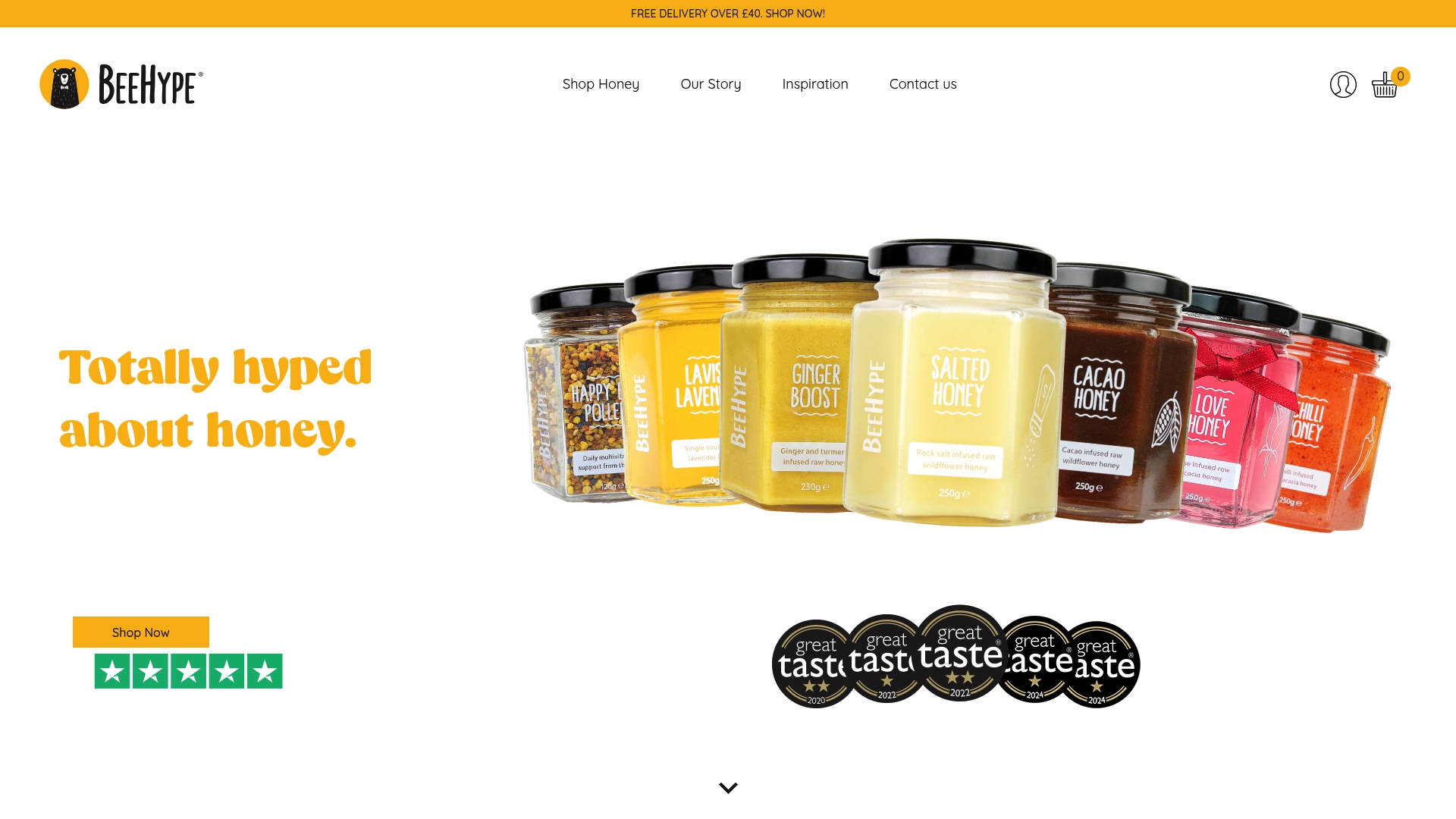
Honey from single varieties arrives directly from regional hives. The company works with small beekeepers and sells unprocessed jars without additives or pasteurization. Vogue and The Times have praised the products, and the brand holds multiple Great Taste Awards.
Core Features
BeeHype sources ethically from small beekeepers, offers single-variety unprocessed honey, and maintains regular testing for safety and purity. The range includes spreads, honey-based treats, and curated gift sets framed in recyclable, eco-conscious packaging. For scientific context, note that other brands reference patented antioxidant delivery such as PROPOWAX™ Living Honeycomb while BeeHype emphasizes raw flavor and provenance.
Key Differentiator
BeeHype’s strongest distinction is its close work with small-scale beekeepers to deliver single-variety honey that remains unprocessed. That approach keeps floral character and regional identity intact. Packaging and upcycling options reinforce the brand’s sustainability story.
Pros
High-quality jars retain flavor and natural texture, with minimal processing preserving enzymes and volatile aromatics. The brand’s ethical model supports small beekeepers and ties product provenance to distinct regional flavors. Eco-conscious packaging and curated gift sets make BeeHype a reliable choice for foodies and sustainable gift givers.
Cons
- Limited international shipping makes ordering difficult for customers outside the UK and Europe.
- A premium price point places BeeHype above mass-market honey options for budget shoppers.
- Some seasonal varieties sell out quickly, so availability can be inconsistent.
- The catalog focuses tightly on honey and related treats, offering less variety in other pantry categories.
When It May Not Fit
Buyers who need flat-rate worldwide shipping will find BeeHype restrictive because international coverage is limited. Price-sensitive shoppers will likely prefer supermarket brands over BeeHype’s premium pricing. People seeking broad pantry ranges beyond honey and spreads will find the selection narrow.
Who It’s For
Eco-minded food enthusiasts who value provenance and artisanal flavor will get the most from BeeHype. Gift buyers looking for distinctive, recyclable packaging and award-recognized varieties will appreciate the curated sets. Health-conscious consumers replacing refined sugar with natural honey will also find appeal.
Real World Use Case
A food lover subscribes to a monthly delivery and selects single-variety jars for breakfast and baking. They send a BeeHype gift set to a friend who enjoys artisanal products and reusable packaging. Social sharing about the brand’s ethical sourcing brings attention to the small beekeepers behind each jar.
Pricing
Most jars sit in the range of £6.95 to £14.95, with gift sets and special varieties priced higher. The vendor offers free shipping for orders over £30, which makes larger purchases more economical.
Website: https://beehype.co.uk
Pearl Honey Spreads
At a Glance
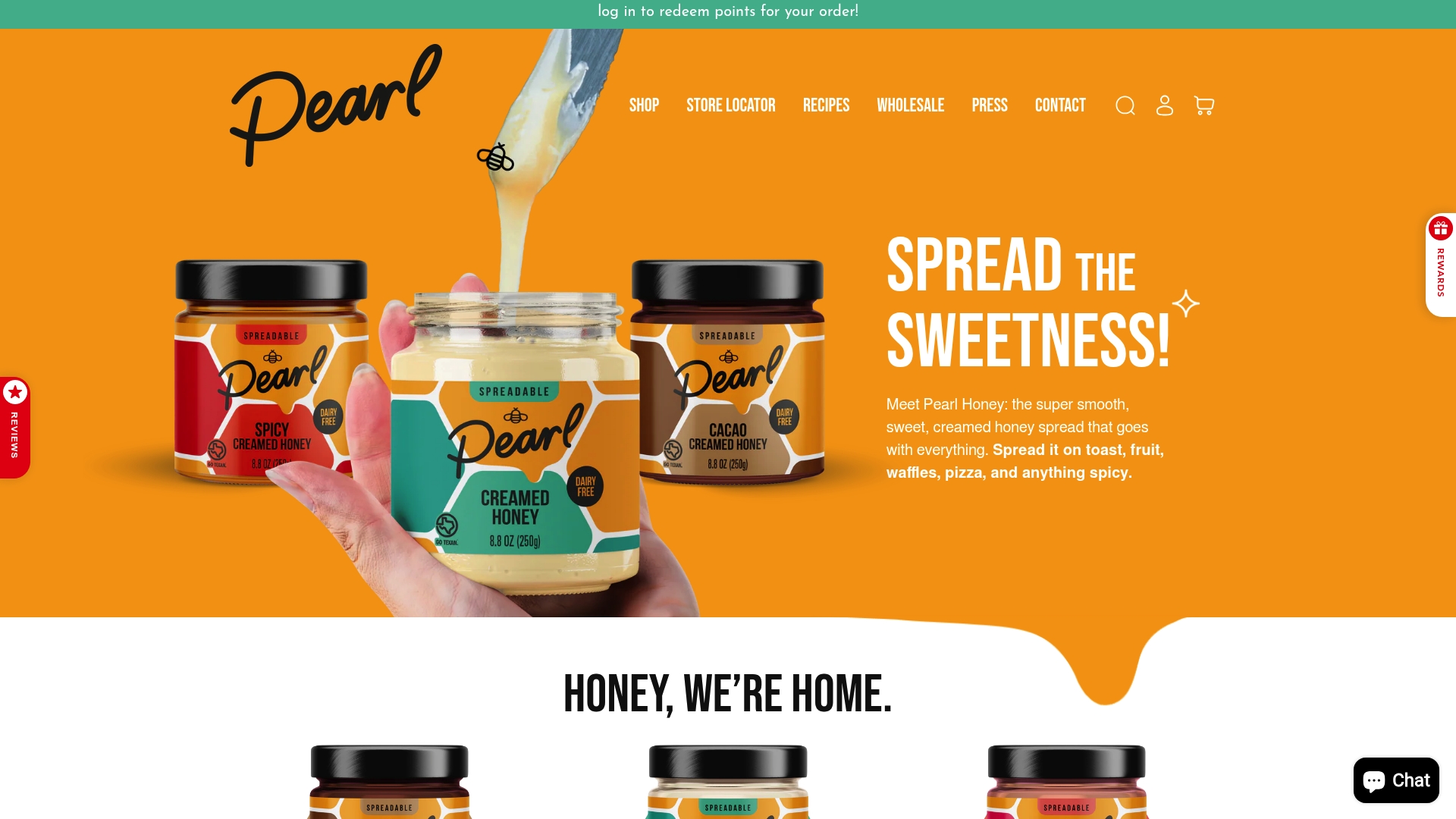
Pearl Honey Spreads sells creamed honey jars in striking gourmet flavors, including cacao, cinnamon, spicy, and match. The brand operates from Fort Worth, Texas, and highlights locally sourced honey from Texan beehives. Packaging and flavor focus make the jars easy gifts and kitchen staples.
Core Features
Pearl Honey Spreads pairs single origin Texas honey with added flavors to create a smooth, spreadable texture that works on toast, fruit, waffles, and savory dishes. The brand offers a subscription service for repeat deliveries and wholesale options for specialty stores and restaurants. The online store lists recipes, product descriptions, and a loyalty rewards program for repeat buyers, and the company emphasizes no dairy, gluten, soy, or preservatives.
Key Differentiator
Pearl Honey Spreads centers on small batch, locally sourced honey crafted into unusual flavor profiles for culinary use. That focus on flavor innovation and healthful ingredient lists sets it apart from standard honey jars found at supermarkets. The company also positions itself as woman and minority owned, which shapes its community engagement and marketing.
Pros
Local sourcing gives Pearl Honey Spreads a clear traceability story, and the flavor lineup attracts food enthusiasts looking for culinary variety. The subscription model and wholesale channels make regular ordering simple for individuals and stores. The product descriptions and recipe ideas on the site help buyers imagine uses beyond breakfast, and verified customer reviews cited on the site praise texture and depth of flavor.
Cons
- Limited international shipping: the brand primarily serves US customers and offers few global delivery options.
- Seasonal availability: several flavors may sell out quickly or return only at certain times of year.
- Premium pricing: artisanal production and small batches mean prices sit above mass market honey.
- Narrow category focus: product range centers on creamed honey and related items rather than a broader pantry catalog.
When It May Not Fit
Buyers on a strict budget will find the pricing unsuitable for everyday sweetening use. Those who need worldwide shipping or steady year round inventory may face disappointment. Retailers seeking an expansive pantry supplier will likely prefer a partner with a wider snack and condiment catalog. If a buyer needs organic or certification claims beyond local sourcing, those details are not highlighted on the site.
Who It’s For
This brand matches home cooks who want artisanal flavors and gift buyers seeking premium variety packs. Health conscious shoppers who avoid dairy, gluten, and soy will appreciate the ingredient policy. Small specialty grocers and restaurants that value local sourcing and distinctive flavors will find the wholesale options relevant.
Real World Use Case
A shopper tries a variety pack at a farmer market, enjoys the cacao and match jars on morning toast, and signs up for a monthly subscription. The shopper then uses the spicy flavor to glaze roasted vegetables and recommends the brand on social media. The subscription keeps the favorite jars on the shelf without repeated ordering.
Pricing
Most jars range from $13 to $20 USD, with subscription discounts and bulk pricing for wholesale orders. The site advertises free shipping once orders meet certain thresholds, making larger purchases more economical.
Website: https://pearlhoneyspreads.com
Cox Honeyland & Gifts
At a Glance
Cox Honeyland reports a family legacy dating back over 90 years, which anchors its local sourcing and product stories. The shop focuses on creamed, flavored, and single-varietal honeys and pairs those with beeswax lotions and gift sets. That mix makes the store a go-to for Utah pickup and regional shoppers.
Core Features
Cox Honeyland sells a wide variety of honey formats, including creamed honey, flavored jars, and honey sticks, alongside beeswax lip balms and lotions. The online store supports local pickup in Logan, Utah, and shows seasonal flavors and rotating gift sets. The brand shares recipes, blog posts, and a detailed FAQ to help shoppers use specialty honey in cooking and wellness.
Key Differentiator
The company emphasizes a long-standing family beekeeping tradition coupled with locally sourced honey from Utah beekeepers. That local focus supports transparent origin stories and seasonal single-varietal offerings. For context on continuous antioxidant approaches in topical bee science, see Apiceuticals’ PROPOWAX™ Living Honeycomb and related research at PROPOWAX™ technology.
Pros
Cox Honeyland benefits from an established family presence and handcrafted production that appeals to shoppers who want provenance. The product assortment covers everyday jars, specialty creamed honey, flavored lines, and practical beeswax skincare, so buyers can consolidate gifts and pantry staples in one-stop orders. The site supports local pickup and displays recipes and FAQs, which helps buyers use unfamiliar varieties in baking and beverages.
Cons
- Limited international shipping restricts buyers outside the United States.
- Primary focus on Utah pickup and US delivery narrows reach for distant customers.
- Niche emphasis on honey and bee products means less multicategory shopping for those wanting broader gourmet pantry items.
- Specialty or seasonal jars may sell out quickly during peak demand.
When It May Not Fit
Shoppers who need nationwide fast shipping or global delivery will find Cox Honeyland constrained by its US delivery focus. Large foodservice buyers seeking steady, large-volume supply may find the small batch model unsuitable. Buyers wanting a broad gourmet catalog beyond bee products will need a different retailer.
Who It’s For
This shop fits households and gift buyers who prefer local, transparent sourcing and handcrafted products. Home cooks and bakers who want distinct honey flavors will value seasonal and single-varietal options. People who prioritize supporting family-owned, regionally focused beekeepers will find the brand especially appealing.
Real World Use Case
A customer orders assorted creamed honey jars and honey sticks online, picks up the order in Logan, and assembles gift packages for holiday neighbors. The same honey appears in the customer’s tea and a honey-sweetened cake recipe linked on Cox Honeyland’s blog. That hands-on experience reinforces trust in origin and flavor.
Pricing
Most honey jars range from 3–20 USD, while gift sets start from 15 USD. Shipping and pickup fees vary by option and location, and seasonal specialty jars can price higher when availability is limited.
Website: https://coxhoney.com
Carmel Honey Company
At a Glance
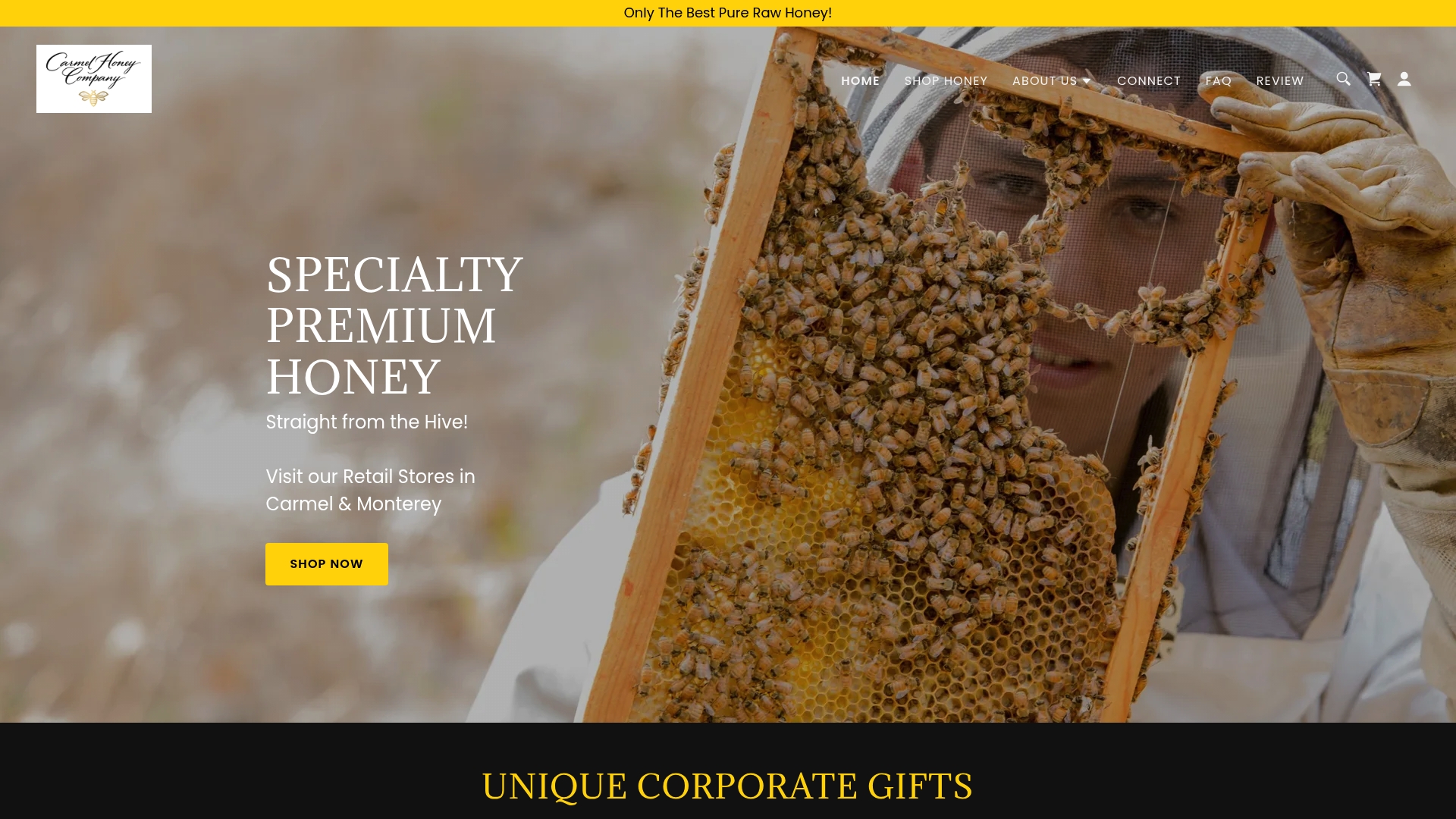
Sells raw honey jars sourced directly from local hives in Carmel, Monterey, and San Francisco. The brand pairs retail sales with educational events and donations to bee research. Tourists and corporate buyers find ready gift options and regional varietals that highlight local floral sources.
Core Features
Multiple retail locations support in-person tasting and gift selection, and the shop carries a wide selection of specialty varietal honeys and bee inspired lifestyle items. The company offers corporate and personalized gift services alongside regular community outreach and educational programming. For a technical reference on living honeycomb antioxidant systems, see PROPOWAX™ Living Honeycomb at https://www.apiceuticals.com/propowax-technology/; that page describes a globally patented approach validated by the Aristotle University of Thessaloniki.
Key Differentiator
A clear focus on sourcing authentic, raw honey from local hives anchors the brand. That sourcing links directly to visible community support and hands on education about pollinators. The company positions the product as both an artisanal food item and a conservation partner for local bee research.
Pros
The product line centers on raw, unfiltered honey with clear provenance, which appeals to shoppers who prefer traceable, small batch foods. Retail presence in tourist and neighborhood hubs makes sampling straightforward and increases the brand’s visibility. Strong community engagement, including educational events and research donations, reinforces the environmental narrative behind each jar.
Cons
- Limited shipping outside California and nearby states, which restricts access for national buyers.
- Premium price range for artisanal quality, which may exceed mass market honey budgets.
- Product focus remains mainly on honey and related items, leaving fewer options for broader honey based consumables.
When It May Not Fit
Buyers who need nationwide or international delivery will find the service limited. People seeking the lowest possible price for everyday honey will likely prefer mass market retailers. Shoppers wanting a large pantry of honey based food products or extensive flavor innovations may find the selection narrow.
Who It’s For
Local food shoppers and families who value artisanal provenance and bee conservation will appreciate these products. Corporate buyers seeking distinctive, personalized gifts tied to sustainability will find suitable options. Tourists wanting an authentic California souvenir that supports local beekeeping will value the in-store experience.
Real World Use Case
A visitor samples three varietals at the Carmel store, then buys a personalized gift set for a birthday. They attend a weekend bee talk hosted by the company and learn about honey varietals and local pollination. The shopper signs up for the newsletter to track new arrivals and future educational events.
Pricing
Honey jars generally range from $10 to $40 depending on varietal and jar size, and gift sets are priced higher to reflect customization and packaging. The vendor advertises free local store pickup and local delivery options for nearby customers. Corporate orders receive custom pricing based on quantities and labeling.
Website: https://carmelhoneycompany.com
Rare Hawaiian Honey
At a Glance
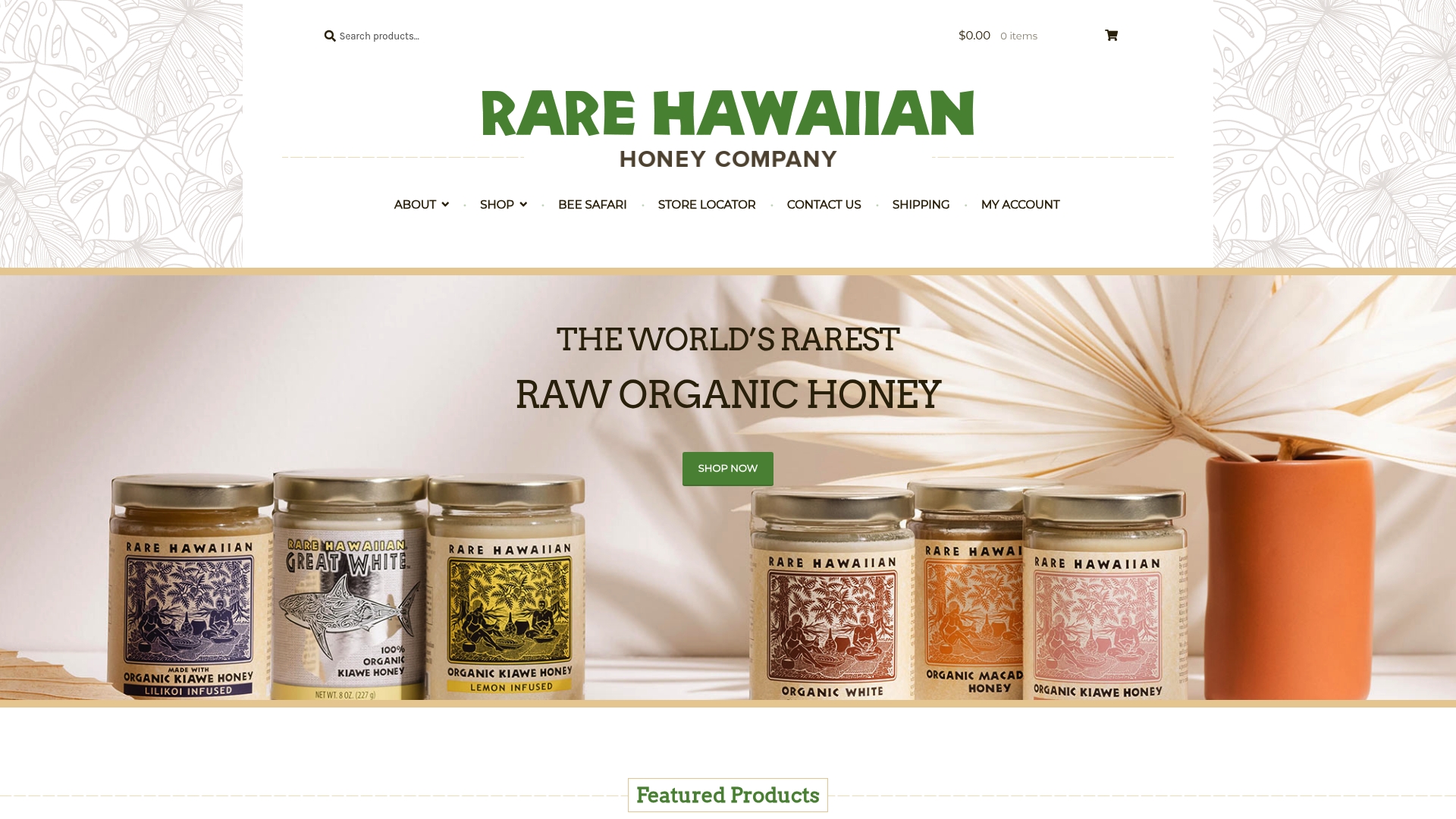
Rare Hawaiian Honey lists retail honey from $9 to $45, with gift baskets and cases from $240 to over $540. The vendor states the honey is certified organic and tested for purity. That price spread signals a focus on premium packaging and curated gift sets rather than bargain bulk syrup.
Core Features
Rare Hawaiian Honey sells single-origin and infused Hawaiian honeys alongside teas, skincare, candles, apparel, and curated gift boxes. The shop emphasizes purity testing and partnerships with local artisans to highlight Hawaiian flavors and cultural provenance. The brand also offers worldwide shipping with multiple delivery options.
Key Differentiator
A specific focus on Hawaiian provenance and purity testing separates this retailer from general honey merchants. The company sources directly from Hawaiian beekeepers and frames products around local taste profiles and gifting occasions.
Pros
The catalog centers on artisanal, origin labeled honey that appeals to gourmet cooks and gift buyers. The merchant pairs honey with complementary products and gift packaging, which simplifies buying for celebrations and corporate gifting. Active social engagement and artisan partnerships support the brand story and make seasonal sets feel thoughtful and authentic.
Cons
- Premium pricing reflects import and curation costs. This premium can be prohibitive for everyday pantry buyers.
- Primarily online presence limits immediate pickup or local sampling. Some customers prefer a storefront to taste before buying.
- Category focus is narrow, centered on honey and Hawaiian themed goods, which reduces options for shoppers seeking broader gourmet selections.
- International shipping can carry higher costs or regional restrictions that add to the total purchase price.
When It May Not Fit
Shoppers who need wholesale bulk pricing for retail resupply will find limited options without direct B2B arrangements. Buyers outside the available shipping regions face delivery gaps or steep freight charges. Budget shoppers seeking everyday table honey will find the pricing aligned more with gifting than daily use.
Who It’s For
This shop matches premium oriented buyers who value authenticity and Hawaiian provenance. Gift buyers looking for memorable party favors and corporate presents will appreciate the curated sets. Food enthusiasts who want tropical honey varieties and provenance labeling will find these offerings most attractive.
Real World Use Case
A host plans a Hawaiian themed celebration and orders assorted organic honeys plus gift baskets for party favors. The host shares recipes and pairing tips from the shop on social media and purchases seasonal gift sets for returning guests. That workflow fits the brand focus on gifting and occasion driven purchases.
Pricing
Retail honey ranges from $9 to $45. Gift baskets and case packs start near $240 and can exceed $540 depending on contents. Worldwide shipping is available with tiered shipping options and occasional bulk or gift set discounts.
Website: https://rarehawaiianhoney.com
Comparison of alternatives
Apiceuticals differentiates itself by offering a globally patented antioxidant delivery system based on its PROPOWAX™ Living Honeycomb technology. Its design provides ongoing oxidative stress reduction, which is particularly valuable for users concerned with long-term skin and hair health. Competitors within the premium honey market offer compelling features that cater to different consumer priorities while delivering distinct benefits.
Functional differentiation
BeeHype’s focus on unprocessed single-variety honey delivers regional identity and authentic floral character, directly sourced from small-scale beekeepers. Food enthusiasts seeking minimally processed honey with artisanal value will find BeeHype an exceptional option. Conversely, Pearl Honey Spreads emphasizes flavor diversification and local sourcing, useful for culinary innovation and pairing with diverse dishes.
Regional and culinary appeal
Apiceuticals excels in delivering evidence-backed beauty and health benefits via its advanced antioxidant systems. This positions it distinctively apart from competitors that concentrate primarily on honey’s flavor and culinary uses rather than its bioactive potential. However, brands such as Cox Honeyland and Carmel Honey Company maintain strengths in locally sourced offerings matched to regional preferences, ideal for immediate consumption needs rather than prolonged bioactivity.
Best fit
- Consumers focused on continuous skin and hair antioxidant defense will appreciate Apiceuticals’ scientifically validated formulations for lasting protection against oxidative stress.
- Buyers seeking authentic regional honey flavors will find BeeHype’s diverse range sourced from small-scale producers particularly appealing.
- Those prioritizing vibrant and culinary options may prefer Pearl Honey Spreads for its vast flavor portfolio made with single-origin local honey.
- Gift shoppers interested in curated sets with personalizable aspects might explore Cox Honeyland, which pairs honey offerings with practical skincare items.
- Parties valuing tropical honey varieties coupled with gifting solutions may opt for Rare Hawaiian Honey’s distinctive provenance and diverse category packaging.
Our pick
The unique PROPOWAX™ Living Honeycomb system establishes Apiceuticals as a frontrunner for consumers seeking antioxidant-laden, research-backed solutions, particularly relevant for those prioritizing advanced personal care. While its premium pricing reflects these innovations, cost-sensitive users focused solely on raw honey flavor or regional provenance may explore competitors instead.
The following table compares honey-based brands based on their unique attributes and offerings.
| Product | Key Differentiator | Best For | Pricing | Notable Limitation |
|---|---|---|---|---|
| Apiceuticals | Patented PROPOWAX™ Living Honeycomb for continuous antioxidant delivery | Environmentally conscious buyers prioritizing science-backed natural beauty | $37 to $99 | Premium pricing may not suit budget shoppers |
| BeeHype | Single-variety raw honey from small-scale beekeepers | Eco-minded consumers valuing artisanal raw honey | £6.95 to £14.95 | Limited international shipping |
| Pearl Honey Spreads | Gourmet flavored, creamed Texan honey | Food enthusiasts seeking artisanal flavors | $13 to $20 | Limited to the US with seasonal flavor availability |
| Cox Honeyland & Gifts | Family-sourced, locally produced seasonal and single-varietal honeys | Gift buyers and local customers desiring handcrafted honey | $3 to $20 | Focuses on Utah pickup and shipping within the US |
| Carmel Honey Company | Raw, varietal honey sourced from California hives | Local and family-owned food sources and conservation | $10 to $40 | Limited shipping outside California |
| Rare Hawaiian Honey | Hawaiian provenance and purity-tested organic honeys | Premium buyers valuing authentic regional products | $9 to $540 | Premium prices reflect import and production costs |
How Does Apiceuticals Address Challenges in Eco-Friendly Beauty Alternatives?
Choosing eco-friendly beauty options often involves balancing ethical sourcing, ingredient safety, and proven effectiveness against oxidative stress. Apiceuticals responds to these concerns through its globally patented PROPOWAX™ Living Honeycomb technology, which offers continuous antioxidant delivery validated by the Aristotle University of Thessaloniki. This approach targets free radicals on the skin, scalp, and hair throughout the day rather than a single antioxidant burst.
The brand’s heritage in organic and sustainable beekeeping since 1981 grounds its formulations in traceable, cruelty-free practices that exclude over 2,000 potentially harmful ingredients. For environmentally conscious, health-focused users seeking science-backed natural beauty, exploring Apiceuticals’ PROPOWAX™ Series and HONEY BALM™ products can offer a refined approach to managing oxidative skin and hair aging.
Explore Apiceuticals’ portfolio to understand how consistent antioxidant defense supports your skin’s resilience. Dive into formulations where biochemistry and ethical sourcing converge, and begin building an antioxidant routine designed for measurable protection.
FAQ
How does Apiceuticals ensure effective antioxidant delivery for hair care?
Apiceuticals uses its patented PROPOWAX™ Living Honeycomb, which embeds antioxidants in topical formulations. This delivery system continuously releases antioxidants to combat oxidative stress on hair and scalp, supporting long-term health. Consumers should expect enhanced protection against environmental damage with regular use of Apiceuticals products.
What is the difference between Apiceuticals and other premium raw honey products?
Other premium raw honey products may focus on flavor or purity, but they often lack the scientific foundation that Apiceuticals provides through its antioxidant technology. The PROPOWAX™ Living Honeycomb offers a unique mechanism that ensures continual antioxidant release, as validated by independent research from the Aristotle University of Thessaloniki. This focus makes Apiceuticals particularly beneficial for those seeking evidence-based hair care solutions.
Can Apiceuticals support consumers with sensitive skin issues?
Apiceuticals emphasizes ethical sourcing and excludes over 2,000 controversial ingredients, making it suitable for sensitive skin needs. The focus on organic ingredients further enhances its appeal, allowing consumers to use the products with confidence while targeting oxidative stress. Those seeking a commitment to quality and safety will find Apiceuticals a reliable choice.
How does Apiceuticals’s pricing compare to its competitors?
Pricing for Apiceuticals products ranges from approximately $37 to $99, reflecting its premium positioning. While some consumers may find this a higher investment compared to standard honey products, the significant antioxidant benefits and proprietary technology justify the cost, especially for those prioritizing long-term hair health.
What are potential benefits of choosing Apiceuticals for hair care?
Choosing Apiceuticals offers the advantage of scientifically validated formulations linked to reduced oxidative load on the scalp and hair. The use of PROPOWAX™ Living Honeycomb provides a sustained antioxidant layer, which can lead to healthier hair over time. Consumers interested in effective, long-lasting solutions should consider integrating Apiceuticals into their hair care routines.
Recommended


Related posts

Explore how a trial lasting 24 weeks and Malassezia research link scalp oxidative stress to shedding, and where PROPOWAX™ fits continuous antioxidant care.

See when silicones smooth hair or build up, and how PROPOWAX™ holds a global patent for highest antioxidant activity, validated by Aristotle University.

Explore mountain honey benefits for skin and body, from floral polyphenols and antioxidant activity to evidence on cough relief, wound care, and safe use.

Propolis delivers stronger antioxidant and antimicrobial action. Royal jelly boosts hydration and repair. Learn which suits your skin or scalp and why...

Pick sulfate-free or sulfate shampoo by your scalp, porosity, and color needs. Read evidence-backed guidance, antioxidant options, and a 4-step switch...