No products in the cart.
Return To Shop
Most Cocamidopropyl Betaine Reactions Are Impurities, Not Allergy
True cocamidopropyl betaine allergy is possible but uncommon, and much of what looks like it on a patch test is actually a reaction to manufacturing impurities left over from production, particularly amidoamine. If a cleanser or shampoo has left your skin red, itchy, or swollen, the first move is simple: stop using the suspect product and arrange dermatologist directed patch testing before assuming the ingredient itself is to blame. Expect any improvement to take time, since the irritation can linger for weeks even after the trigger is removed.
TL;DR:
- Most reactions to cocamidopropyl betaine stem from residual manufacturing impurities like amidoamine, not the surfactant itself.
- Contact dermatitis usually appears days after exposure and affects areas like the face, hands, or scalp where products contact thin or frequently washed skin.
- Patch testing should include related impurities and the suspected products, with tests typically done at 48 and 96 hours to capture delayed allergic responses.
- Avoiding known products and using gentle, low-irritant formulations with verified antioxidant support can promote skin recovery after a flare.
- Occupational exposure among hairdressers and frequent hand washers increases the risk of hand eczema, with protective gloves and barrier creams reducing allergenic and irritant effects.
Table of Contents
- What contact dermatitis from cocamidopropyl betaine looks like
- Why impurities, not the surfactant itself, often explain the reaction
- How dermatologists diagnose the reaction and what to bring
- Managing a flare and choosing what comes next
- Occupational exposure in hairdressing and frequent hand washing
- Choosing gentler formulations while your skin recovers
- A note on caution over self-diagnosis
- A gentler option worth discussing with your dermatologist
- Sources
- FAQ
What contact dermatitis from cocamidopropyl betaine looks like
The clinical picture is a delayed eczema, not an instant flare. Redness, itching, swelling, and sometimes small blisters appear hours to a few days after contact rather than in minutes, which is what separates this cocamidopropyl betaine allergy pattern from an immediate type reaction to a food or an inhaled trigger. According to DermNet, the eruption typically shows up where the product actually touched skin, and it can persist for weeks after the offending cleanser is dropped, which is worth knowing before you assume a new product is failing you just because symptoms have not fully cleared.
Typical sites and signs include:
- Face and eyelids, often from rinse-off cleansers or facial washes that briefly contact thin skin.
- Hands, especially with frequent exposure to liquid soaps or shampoos.
- Scalp and hairline, tracking closely with shampoo or conditioner use.
One documented pattern: case series have linked cocamidopropyl betaine or related surfactants to facial, eyelid, and beard cleanser dermatitis, with symptoms resolving once the product was avoided. A sudden facial swelling with breathing difficulty is a different, urgent situation and calls for emergency care rather than a dermatology appointment.
Why impurities, not the surfactant itself, often explain the reaction
Cocamidopropyl betaine sensitivity is frequently a case of mistaken identity. Manufacturing residues, chiefly amidoamine and related compounds like DMAPA and LAPDMA, are often the true allergens, and clinicians who test these residues alongside the parent surfactant regularly find the impurity, not the betaine, driving the response.
- A widely cited product use study found that most patients reacting to cocamidopropyl betaine also reacted to amidoamine, the leftover compound from its synthesis.
- Larger patch test network analyses have found cocamidopropyl betaine positivity to be uncommon, and reproducibility of positive results can be poor, which suggests some readings reflect irritation rather than true allergy.
- Structurally related amphoteric surfactants can occasionally cross react, complicating interpretation when multiple positives appear on one panel.
This distinction matters practically. A positive patch test to cocamidopropyl betaine alone, without impurity testing, may overstate how often the molecule itself is the culprit.
How dermatologists diagnose the reaction and what to bring
Diagnosis rests on patch testing interpreted alongside your history and the actual products you use, not on a single reading in isolation. Standard practice, per DermNet, uses cocamidopropyl betaine at 1% in water, with readings taken at 48 and 96 hours because allergic responses can take days to fully develop. Clinicians often test amidoamine and other related impurities at the same time, along with the patient’s own suspected products, since a reaction to your actual shampoo carries more weight than a reaction to an isolated chemical.
Bring the following to your appointment:
- The suspect product itself, in its original packaging where possible.
- A full ingredient list, since label wording varies (cocamidopropyl betaine, coconut oil amidopropylbetaine, and cocamido betaine are common synonyms).
- A timeline noting when symptoms started relative to product use.
The British Society of Cutaneous Allergy notes that reviewing full packaging often uncovers exposures patients had not considered. A patch positive that does not match your real world symptom pattern deserves a second look rather than automatic avoidance of every product containing the ingredient.
Pro Tip: Photograph your skin reaction as it develops, dated day by day. It gives your dermatologist a timeline that a single office visit cannot capture.

Managing a flare and choosing what comes next
Once a product is implicated, stopping it is the single most useful step you can take. Short courses of topical corticosteroids, used as your dermatologist advises, help settle inflammation while the skin barrier recovers. Seek urgent care if swelling spreads to the throat or breathing becomes difficult, since that points to a different and more serious process than contact dermatitis.
- Check the full INCI label on every purchase, since cocamidopropyl betaine appears under several names and formulations change without notice.
- Avoid trusting marketing claims like “natural” or “hypoallergenic” as a substitute for reading the ingredient list.
- Discuss patch test guided substitutions with your dermatologist rather than switching products by guesswork.
Pro Tip: Keep a small log of every new cleanser you try for the first month, including the exact product name. It turns a future flare into a five minute investigation instead of a mystery.
Occupational exposure in hairdressing and frequent hand washing
Hand eczema dominates the occupational picture, particularly among hairdressers and others repeatedly handling shampoos and liquid soaps. Occupational patch test series generally find lower overall prevalence of true cocamidopropyl betaine allergy but a higher likelihood of hand dermatitis, multiple contact allergies, and irritant contributions layered on top of any allergic component.
- Protective gloves and barrier creams reduce repeated exposure during a shift.
- Product substitution, guided by occupational dermatology referral, addresses both irritant and allergic contributors.
- Occupational cases tend to be more chronic and more hand localized than the facial or scalp patterns seen in general consumers.
Choosing gentler formulations while your skin recovers
Clinical guidance is consistent on one point: avoidance paired with a genuinely gentle, non-irritant formulation supports recovery more reliably than switching between products with similar surfactant profiles. Antioxidants and barrier supporting ingredients play a secondary but real role here, helping skin manage the oxidative load that accompanies any inflammatory process.
- Favor cleansers with a documented low irritation profile rather than relying on front-of-pack claims.
- Recheck labels at every purchase, since formulations shift more often than shoppers expect.
- Pair avoidance with barrier support rather than treating the two as separate problems.
Apiceuticals formulates around PROPOWAX™ Living Honeycomb, a patented antioxidant delivery system independently validated by the Aristotle University of Thessaloniki for the highest antioxidant activity recorded in a cosmetic patent. For readers rebuilding a routine after a flare, that kind of independently verified antioxidant behavior is a useful benchmark when comparing formulations, alongside checking coconut derived ingredients that sometimes get confused with cocamidopropyl betaine reactions.
A note on caution over self-diagnosis
Skin that reacts to a cleanser deserves an accurate answer, not a guess. Some formulations are developed with patented antioxidant systems validated by independent research and are tested on sensitive skin. None of that replaces a dermatologist’s assessment. If you suspect a cocamidopropyl betaine allergy, get it confirmed through proper testing before deciding what your skin can and cannot tolerate.
— Apiceuticals
A gentler option worth discussing with your dermatologist
Once a flare has settled and your dermatologist has cleared a path forward, the question becomes what to use next. Certain product series have been formulated with patented Living Honeycomb antioxidant systems rather than traditional surfactant blends often implicated in cocamidopropyl betaine sensitivity discussions.

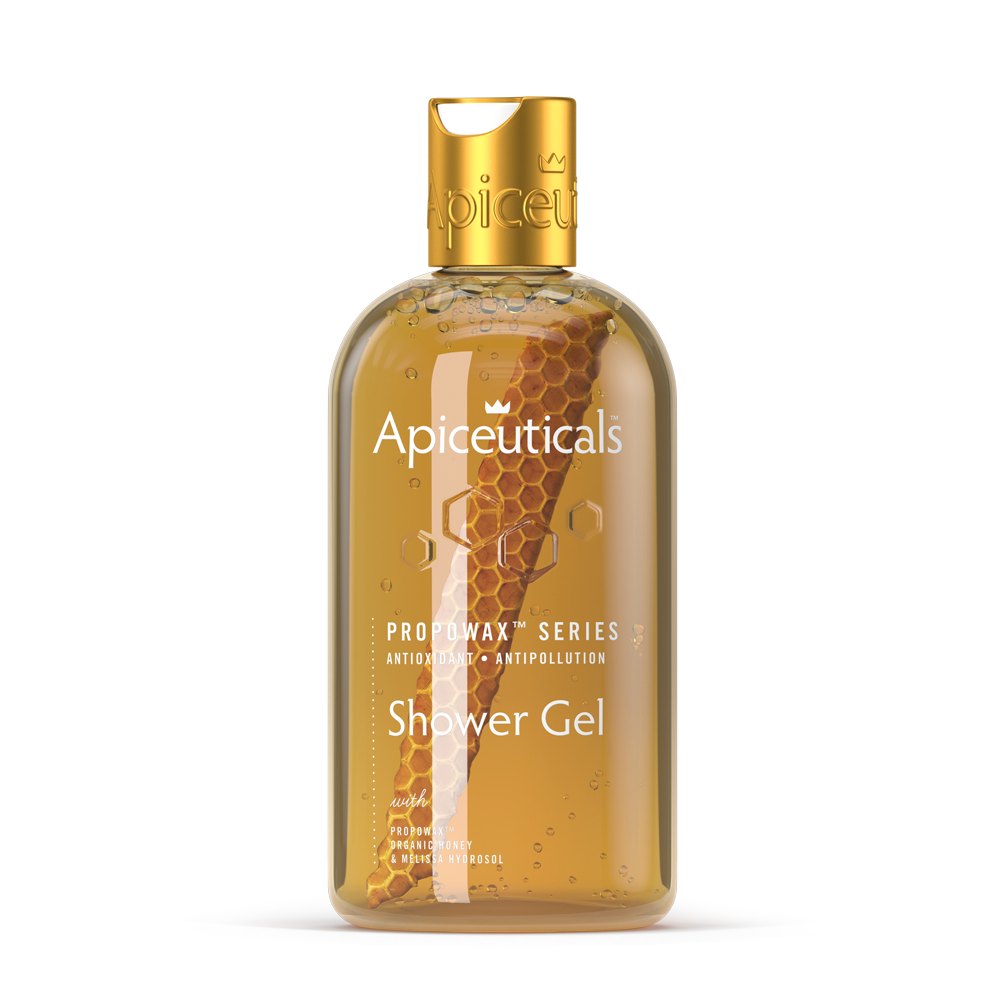
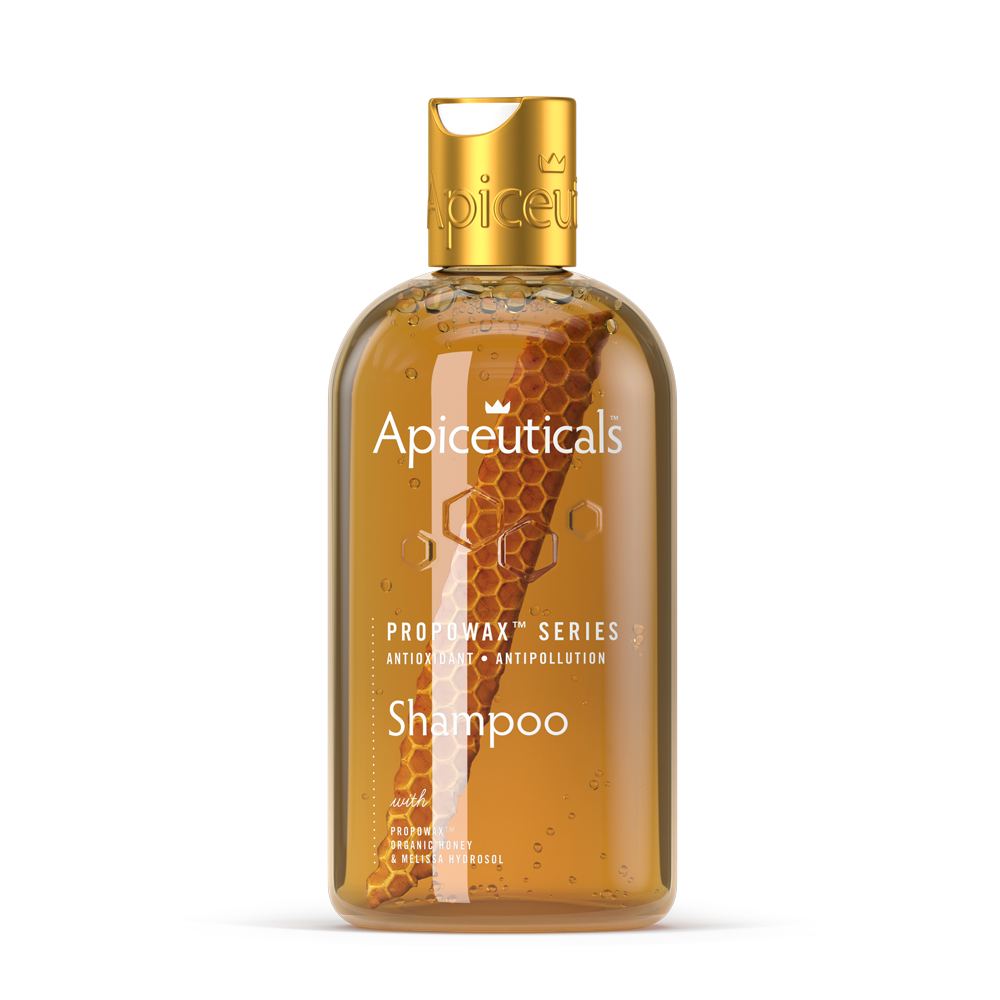
- The PROPOWAX™ Antioxidant Shampoo and Antioxidant Shower Gel are formulated as low-irritant options to raise with your dermatologist.
- Some products are designed to exclude potentially harmful ingredients and undergo dermatological testing on sensitive skin.
| Product | Category | Antioxidant proof point |
|---|---|---|
| PROPOWAX™ Antioxidant Shampoo | Haircare | PROPOWAX™ Living Honeycomb, patent-validated by Aristotle University of Thessaloniki |
| PROPOWAX™ Antioxidant Shower Gel | Bodycare | PROPOWAX™ Living Honeycomb, patent-validated by Aristotle University of Thessaloniki |
Browse the full range on the Apiceuticals shop to check current availability before your next appointment.
This article is general information, not a substitute for advice from a qualified doctor. Consult a qualified healthcare professional about your own circumstances before acting on anything here.
Sources
- Cocamidopropyl Betaine: Allergic Contact Dermatitis – DermNet
- Allergy to cocamidopropyl betaine may be due to amidoamine: a patch test and product use test study
- Allergy to Cocamidopropyl-betaine | Allergy Advice – BSCA
- Occupational contact allergy to cocamidopropyl betaine and its impurities
- Case reports and analyses showing CAPB/coco betaine contact dermatitis and impurity implications
FAQ
Why am I allergic to cocamidopropyl betaine?
Most reactions labeled as cocamidopropyl betaine allergy trace back to amidoamine, a manufacturing impurity left in the surfactant, rather than the molecule itself, according to a product-use patch test study. True allergy to the parent compound is uncommon and patch test reproducibility can be poor, so confirming the exact trigger requires impurity-specific testing.
Can I use cocamidopropyl betaine if I’m allergic to coconut?
Yes, in most cases, since coconut food allergy and cocamidopropyl betaine contact allergy are recognized as distinct conditions by the British Society of Cutaneous Allergy. A positive skin patch test to the surfactant does not diagnose a coconut food allergy, though anyone with a history of severe food reactions should still discuss cosmetic ingredients with an allergist.
What are the top 3 rarest allergies?
This article does not cover general allergy rarity rankings, and no source in this piece establishes a definitive top three. What the evidence does show is that true cocamidopropyl betaine sensitization itself is considered uncommon relative to impurity-driven reactions.
What is cocamidopropyl betaine found in?
Cocamidopropyl betaine appears widely in shampoos, liquid hand soaps, shower gels, toothpaste, make-up removers, roll-on deodorants, and contact lens fluids, according to DermNet. Label synonyms include cocamidopropyl betaine, coconut oil amidopropylbetaine, and cocamido betaine, so checking the full ingredient list matters more than scanning for one exact name.
How do I manage a suspected betaine allergy day to day?
Stop the suspect product immediately and arrange dermatologist-directed patch testing rather than eliminating every cleanser containing the ingredient. Short-term topical corticosteroids can calm a flare under clinical guidance, and checking the INCI label on every future purchase helps you avoid an unplanned repeat exposure.
Recommended


Related posts

Explore how a trial lasting 24 weeks and Malassezia research link scalp oxidative stress to shedding, and where PROPOWAX™ fits continuous antioxidant care.

See when silicones smooth hair or build up, and how PROPOWAX™ holds a global patent for highest antioxidant activity, validated by Aristotle University.

Explore mountain honey benefits for skin and body, from floral polyphenols and antioxidant activity to evidence on cough relief, wound care, and safe use.

Propolis delivers stronger antioxidant and antimicrobial action. Royal jelly boosts hydration and repair. Learn which suits your skin or scalp and why...

Pick sulfate-free or sulfate shampoo by your scalp, porosity, and color needs. Read evidence-backed guidance, antioxidant options, and a 4-step switch...