No products in the cart.
Return To Shop
Examples of Anti-Aging Ingredients That Actually Work
TL;DR:
- Effective anti-aging relies on priority ingredients like sunscreen, retinoids, and vitamin C, supported by clinical evidence. Bee-derived antioxidants in formulations like PROPOWAX™ and HONEY BALM™ provide continuous, validated protection against oxidative stress. Consistent use over 8 to 12 weeks optimizes visible results with a properly structured routine.
The most effective examples of anti-aging ingredients, ranked by clinical evidence, are: broad-spectrum sunscreen (UV damage prevention), retinoids (collagen stimulation and cell turnover), Vitamin C / L-ascorbic acid (antioxidant protection and collagen synthesis), niacinamide (barrier repair and brightening), peptides (collagen signaling), hyaluronic acid (deep hydration), AHAs (exfoliation and texture refinement), ceramides (barrier restoration), Vitamin E, CoQ10, resveratrol, and ferulic acid (antioxidant support), and bee-derived actives including propolis, honey, and the patented PROPOWAX™ Living Honeycomb technology from Apiceuticals. The PROPOWAX™ Series and HONEY BALM™ Series place bee-science antioxidants within a clinically validated framework, with the HONEY BALM™ Series delivering a clinically proven 26% wrinkle reduction. This anti-aging ingredient checklist gives you a working map of what each active does and where it belongs in a routine.
Table of Contents
- How do anti-aging ingredients work at a cellular level?
- Which anti-aging ingredients have the strongest clinical evidence?
- How do you build a morning and evening routine with examples of anti-aging ingredients?
- What makes bee-derived antioxidants scientifically distinct?
- Safety, side effects, and when to consult a clinician
- Key Takeaways
- The case for evidence-first antioxidant selection
- Apiceuticals and the antioxidant-first routine
- Useful sources
- FAQ
How do anti-aging ingredients work at a cellular level?
Every anti-aging active works through one of five core mechanisms, and knowing which mechanism you are targeting makes ingredient selection far more precise.
Antioxidant neutralization is the most fundamental. Free radicals, generated by UV exposure, pollution, and metabolic stress, oxidize structural proteins much the way rust corrodes metal. Antioxidants donate electrons to stabilize those radicals before they degrade collagen and elastin. Vitamin C, Vitamin E, ferulic acid, CoQ10, resveratrol, and bee-derived polyphenols all operate through this pathway. Understanding how antioxidants prevent skin oxidation helps explain why layering multiple antioxidants amplifies protection rather than duplicating it.
Collagen stimulation is the domain of retinoids and peptides. Retinoids bind nuclear receptors to upregulate collagen gene expression and accelerate keratinocyte turnover. Peptides act as messenger fragments that signal fibroblasts to produce new collagen, without the adaptation period retinoids require.

Exfoliation via AHAs (glycolic, lactic, mandelic acid) dissolves the bonds between dead corneocytes, revealing smoother, more even skin and improving the penetration of actives applied afterward.
Barrier repair is the job of ceramides and niacinamide. Ceramides replenish the lipid matrix of the stratum corneum, reducing transepidermal water loss. Niacinamide strengthens tight junctions and inhibits melanin transfer, which is why it addresses both barrier compromise and uneven tone simultaneously.
Humectant hydration is where hyaluronic acid excels. It binds up to 1,000 times its weight in water, drawing moisture into the dermis and creating the plump, tensioned appearance associated with younger skin.
Pro Tip: Vitamin C (L-ascorbic acid) is highly sensitive to light, heat, and air; an oxidized, yellowed serum has lost most of its antioxidant activity. Store it in an opaque, airtight bottle in a cool, dark place and replace it when the color shifts to orange or brown.
Which anti-aging ingredients have the strongest clinical evidence?
Not all actives are equal. Dermatologists and pharmacologists consistently place ingredients into evidence tiers, and building a routine around that hierarchy prevents wasted effort.
Tier 1: Strongest evidence
- Broad-spectrum SPF 30+ is the single most important anti-aging ingredient in any routine. UV radiation is the primary driver of photoaging, and no topical active can outperform consistent daily sun protection.
- Retinoids (tretinoin, retinaldehyde, retinol) carry the strongest evidence for reversing structural skin aging after sunscreen, backed by decades of controlled human-subject trials.
- Vitamin C (L-ascorbic acid) protects against pollution and UV damage while aiding collagen synthesis; niacinamide at 4–5% concentration adds brightening and barrier repair with strong clinical backing.
Tier 2: Well-supported supplementary actives
- Niacinamide, AHAs, peptides, and hyaluronic acid all have solid clinical data. They improve hydration, signal collagen synthesis, and accelerate cell turnover, but they build on the Tier 1 foundation rather than replace it.
Tier 3: Supportive and emerging actives
- Bakuchiol, ceramides, CoQ10, resveratrol, and bee-derived actives including propolis and honey sit here, not because the evidence is absent, but because the volume of human-subject data is smaller. Bee-derived actives are a notable exception within this tier: PROPOWAX™ Living Honeycomb holds a global patent for the highest antioxidant activity in cosmetics, independently validated by the Aristotle University of Thessaloniki, placing it on a firmer scientific footing than most Tier 3 candidates. Explore the role of antioxidants in skin health for a deeper look at how these mechanisms interact.
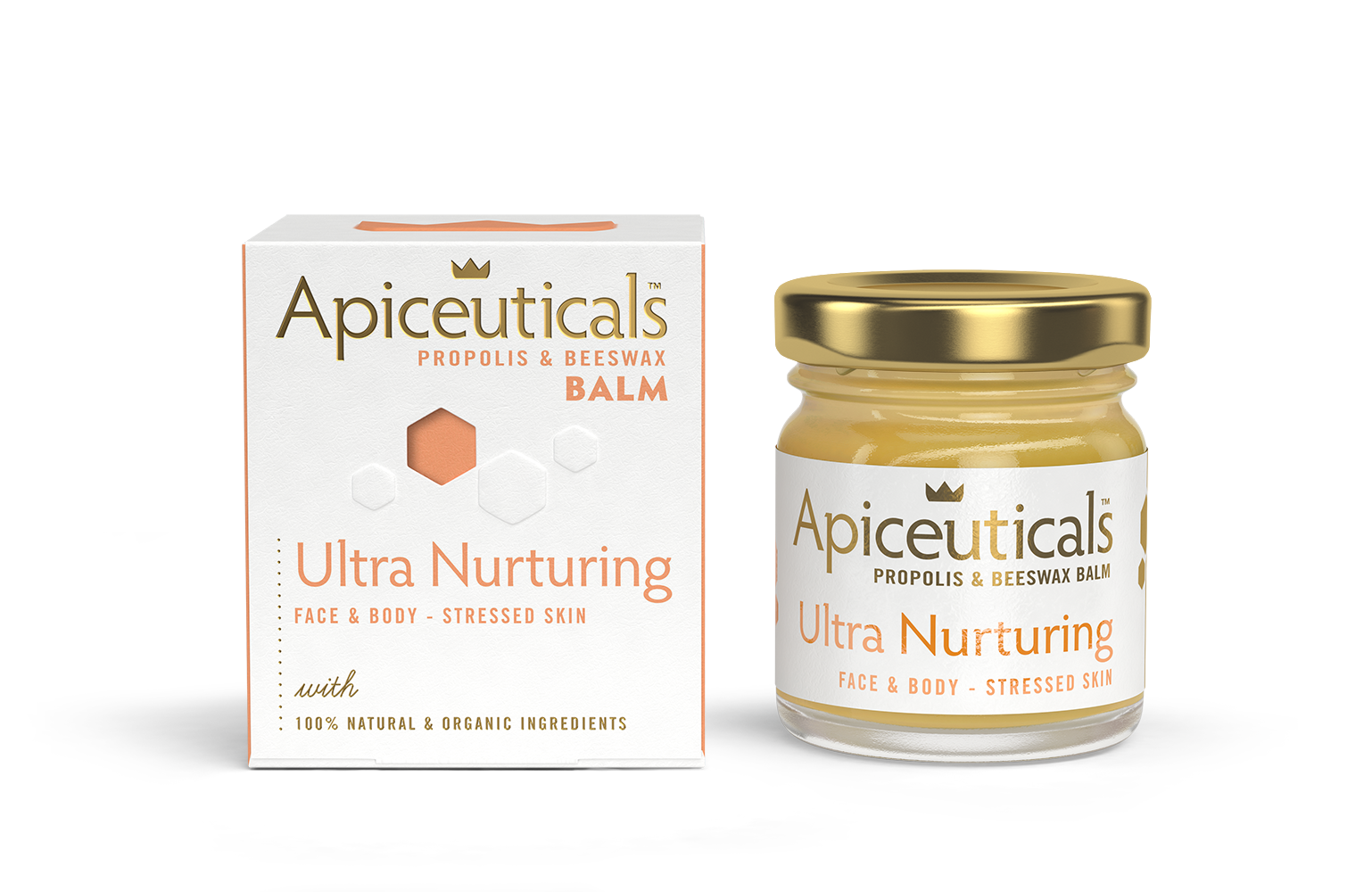
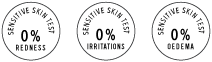
Clinical signal: The HONEY BALM™ Series from Apiceuticals has demonstrated a 26% wrinkle reduction in clinical testing, with dermatological testing on sensitive skin showing 0% irritation.
How do you build a morning and evening routine with examples of anti-aging ingredients?
Pharmacologists advise building an evidence-based foundation before adding targeted antioxidants, and the sequencing below reflects that principle. A well-structured skincare routine applies actives in order of molecular weight: lightest first, occlusives last.
Morning routine
- Gentle, pH-balanced cleanser
- Vitamin C serum (L-ascorbic acid, 10–20%, stable formulation)
- Niacinamide or peptide serum (if using both, apply niacinamide first)
- Hyaluronic acid (apply to damp skin for maximum uptake)
- Moisturizer with ceramides
- Broad-spectrum SPF 30+ (final step, never skipped)
Evening routine
- Gentle cleanser (double-cleanse if wearing SPF or makeup)
- Retinoid (start at low concentration; increase gradually over weeks)
- Hyaluronic acid or barrier-repair serum
- Ceramide-rich moisturizer
Weekly additions: AHA exfoliant (1–2 nights per week, not on retinoid nights); antioxidant mask or treatment.
Ingredient compatibility at a glance:
| Pairing | Guidance |
|---|---|
| Vitamin C + Vitamin E + ferulic acid | Synergistic; use together in AM |
| Retinoid + AHA | Avoid same night; alternate or separate AM/PM |
| Niacinamide + Vitamin C | Compatible at standard concentrations; apply niacinamide after Vitamin C |
| Retinoid + peptides | Compatible; apply peptides after retinoid |
| Hyaluronic acid + any active | Compatible with all; apply before moisturizer |
For stable Vitamin C, look for cosmetic formulations that use ascorbyl glucoside or sodium ascorbyl phosphate when L-ascorbic acid stability is a concern, though L-ascorbic acid at the correct pH remains the gold standard for efficacy.
Pro Tip: Evidence-backed topicals generally need 8–12 weeks of correct daily use to show visible improvement. Early retinoid irritation is an adaptation period, not a failure signal. Buffer retinoids by applying moisturizer first, or alternate nights until tolerance builds.
What makes bee-derived antioxidants scientifically distinct?
Bee-derived actives occupy a unique position among natural anti-aging compounds: they combine polyphenolic antioxidant density with bioactive compounds (flavonoids, phenolic acids, enzymes) that few plant-derived ingredients match in concentration.
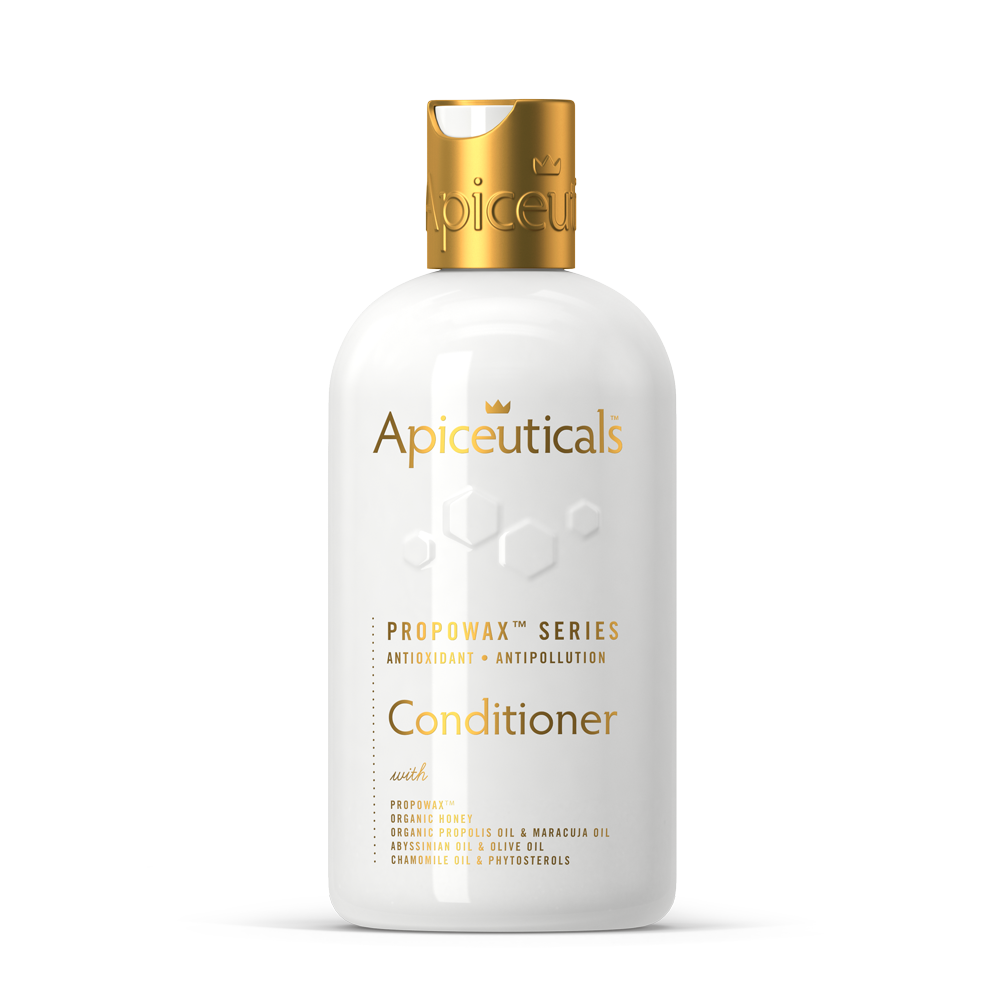
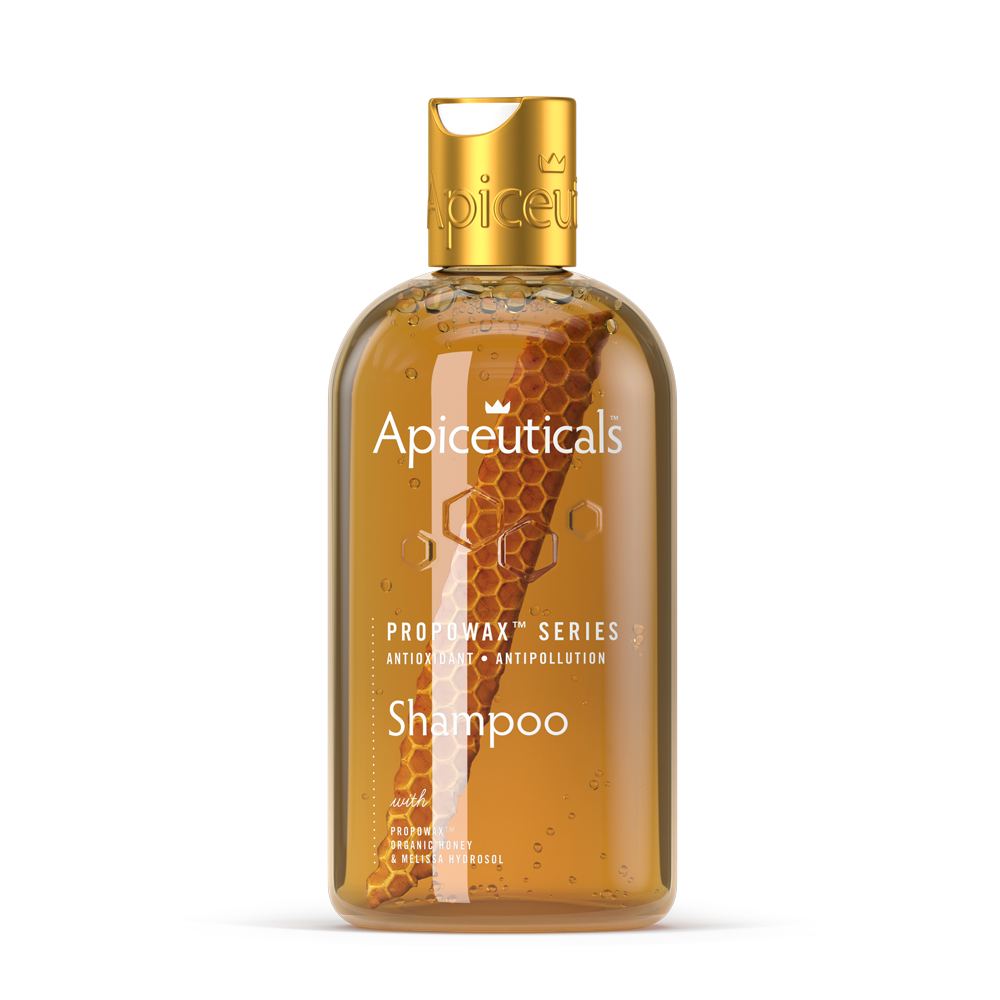
Apiceuticals’ PROPOWAX™ Living Honeycomb is the clearest example of this distinction in a formulated product. The technology functions as a continuous-release antioxidant delivery system, a patented Living Honeycomb structure inside every product that releases antioxidants onto skin, scalp, and hair over time rather than in a single application burst. This global patent for the highest antioxidant activity in cosmetics was independently validated by the Aristotle University of Thessaloniki, and British Vogue has described Apiceuticals as “arguably the global leader in antioxidant activity.” Explore the full science at the PROPOWAX™ technology page.
Key clinical and validation proof points:
- Global patent for highest antioxidant activity in cosmetics (PROPOWAX™ Living Honeycomb)
- Independent validation by the Aristotle University of Thessaloniki
- 26% wrinkle reduction demonstrated in clinical testing of the HONEY BALM™ Series
- 0% irritation in dermatological testing on sensitive skin
- Clean formulation: free from SLS, SLES, parabens, silicones, and mineral oils; excludes over 2,000 potentially harmful ingredients
- Awards: Top 3 Startups in Greece (2019), Most Sustainable Startup (Venture Impact Awards 2020–2021), Muse Design Awards Gold and Silver
For luxury hotel managers, the PROPOWAX™ Series and HONEY BALM™ Series are available as refillable hotel amenity systems designed for 4- and 5-star properties, giving guests access to clinically validated antioxidant actives in a format that aligns with sustainability commitments.
Safety, side effects, and when to consult a clinician
Effective actives can irritate or interact, and simple precautions reduce most risks significantly.
- Retinoids: cause photosensitivity; always apply at night and use SPF the following morning. Pregnant individuals should avoid all retinoid forms.
- AHAs: over-exfoliation compromises the barrier; limit to 1–2 applications per week and avoid combining with retinoids on the same night.
- Vitamin C: an oxidized formulation can cause irritation rather than protection; discard discolored serums.
- Niacinamide: generally well tolerated, but very high concentrations (above 10%) may cause flushing in sensitive skin.
- Bee-derived actives: individuals with known bee or pollen allergies should patch-test before use.
- Patch testing: apply a small amount to the inner forearm for 24–48 hours before full-face use with any new active.
Consult a board-certified dermatologist if you experience persistent redness, peeling beyond the expected adaptation window, or if you are managing a skin condition such as rosacea, eczema, or active acne alongside an anti-aging regimen.
Pro Tip: When introducing a retinoid, apply your moisturizer first, wait two minutes, then apply the retinoid on top. This “sandwich” method slows absorption and reduces the likelihood of irritation without meaningfully reducing efficacy.
Key Takeaways
The most effective anti-aging strategy layers a clinical foundation (sunscreen, retinoid, Vitamin C) with targeted antioxidants and hydrators, applied consistently for at least 8–12 weeks to see visible results.
| Point | Details |
|---|---|
| Sunscreen is non-negotiable | Broad-spectrum SPF 30+ is the single most impactful anti-aging step in any routine. |
| Retinoids lead the evidence | Retinoids have the strongest clinical data for reversing structural skin aging after sunscreen. |
| Consistency drives results | Evidence-backed topicals need 8–12 weeks of correct daily use to show visible improvement. |
| Antioxidants are supplementary but essential | Vitamin C, CoQ10, ferulic acid, and bee-derived actives protect against oxidative damage that sunscreen alone cannot address. |
| Apiceuticals PROPOWAX™ | Holds a global patent for highest antioxidant activity, validated by the Aristotle University of Thessaloniki, with HONEY BALM™ Series showing 26% wrinkle reduction clinically. |
The case for evidence-first antioxidant selection
The most persistent mistake in skincare is treating every new active as equally valid. Decades of dermatology research have produced a clear hierarchy, and the ingredients at the top of that hierarchy (sunscreen, retinoids, Vitamin C) are unglamorous precisely because they work. The genuinely interesting question is what happens in the supplementary tier, where antioxidant delivery systems like PROPOWAX™ Living Honeycomb introduce a mechanism that standard serums cannot replicate: continuous, time-released antioxidant activity rather than a single-application dose. For sensitive or mature skin, that distinction matters practically. For oily skin, the waterless format of the HONEY BALM™ Series removes the emollient load that heavier creams introduce. The organic bee-science routines Apiceuticals has built around PROPOWAX™ are not a departure from evidence-based skincare. They are an extension of it, grounded in a global patent and independent university validation.
Apiceuticals and the antioxidant-first routine
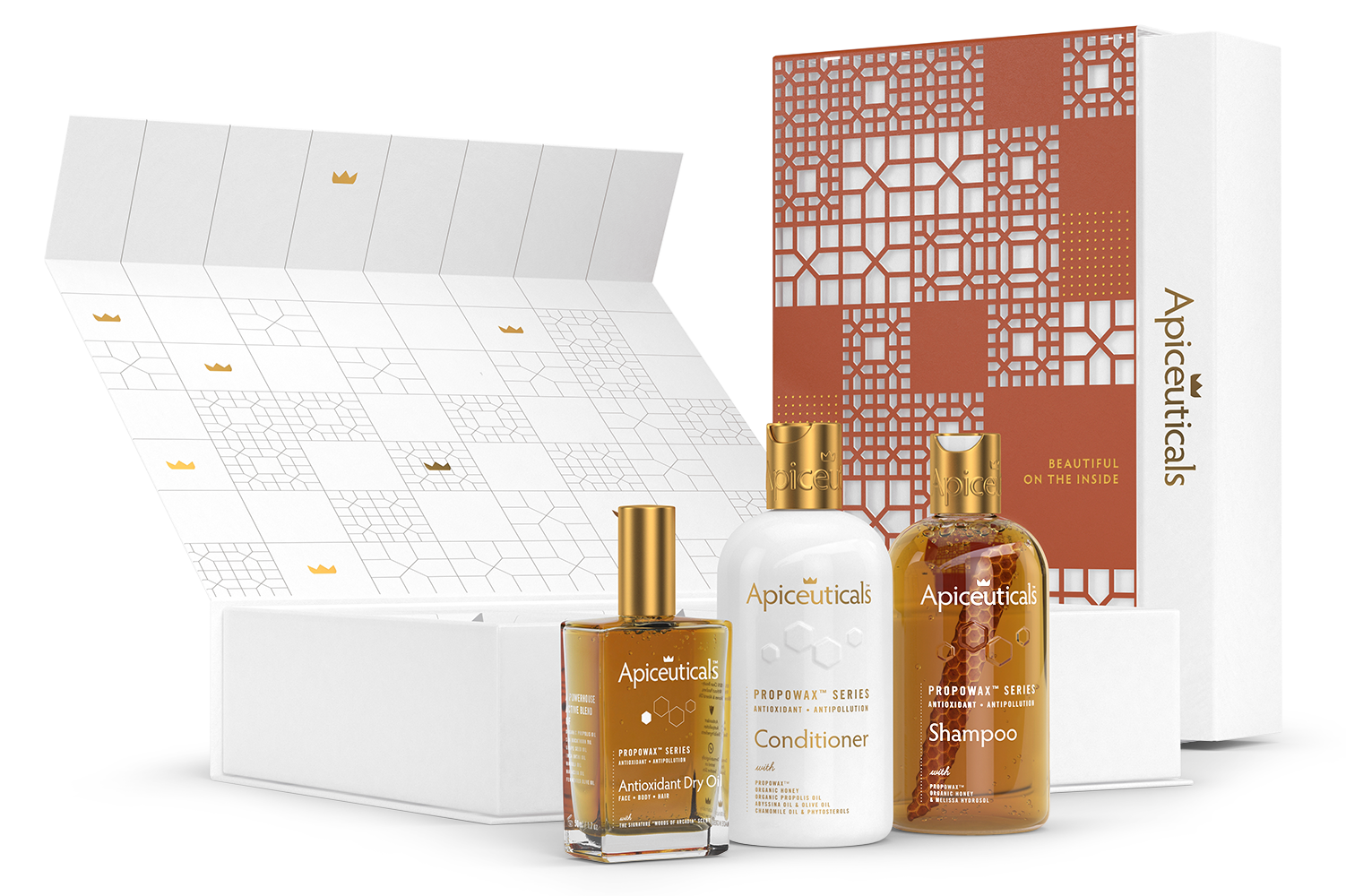
The PROPOWAX™ Series and HONEY BALM™ Series from Apiceuticals are formulated to slot directly into the supplementary antioxidant tier of an evidence-first routine. Every product is built around the patented PROPOWAX™ Living Honeycomb, which continuously releases bee-derived antioxidants onto skin and hair. The HONEY BALM™ Series is waterless, clean, and clinically proven to reduce wrinkles by 26%, making it a precise fit for mature and sensitive skin types that need antioxidant density without irritants.

For hotel managers, Apiceuticals offers refillable luxury amenity systems for 4- and 5-star properties, delivering the same clinically validated formulations in a sustainable, guest-facing format. To explore the full product range or inquire about hotel partnerships, visit the Apiceuticals shop or contact the amenities team directly through the hotel page.
Useful sources
- PROPOWAX™ Living Honeycomb Technology — Apiceuticals’ patent overview, antioxidant delivery mechanism, and Aristotle University of Thessaloniki validation data.
- Wrinkle Creams: Your Guide to Younger Looking Skin — Mayo Clinic overview of clinically supported anti-aging actives including Vitamin C stability and retinoid evidence.
- Drugstore Skincare: Science-Backed Anti-Aging Ingredients — Harvard Health summary of niacinamide concentration data and accessible anti-aging actives.
- Anti-Aging Ingredients That Actually Work: Ranked by Scientific Evidence — Health and Beyond evidence-tier ranking used as the structural basis for the Tier 1–3 framework in this article.
- Best Anti-Aging Skincare Ingredients According to a Pharmacologist — Skin Science Hub pharmacologist perspective on sunscreen as the foundational anti-aging step.
- Anti-Aging Tips 2026: 27 Science-Backed Secrets — Health Linear source for the 8–12 week consistency finding.
- Honey Balm Benefits, Antioxidants, and Clean Beauty Truths — Apiceuticals editorial on HONEY BALM™ Series antioxidant evidence and clean formulation standards.
- Natural Anti-Aging Solutions That Science Actually Supports — Apiceuticals evidence-based guide to natural anti-aging compounds and ingredient selection.
FAQ
What are the best examples of anti-aging ingredients for beginners?
Start with broad-spectrum SPF 30+, a stable Vitamin C serum for the morning, and a low-concentration retinoid at night. These three form the clinical foundation that dermatologists consistently recommend before adding any supplementary actives.
How long does it take to see results from anti-aging ingredients?
Most evidence-backed topicals require 8–12 weeks of consistent daily use before visible improvement appears. Early irritation with retinoids is an adaptation response, not a reason to stop.
Can bee-derived actives like PROPOWAX™ replace retinoids?
No. Bee-derived actives, including PROPOWAX™ Living Honeycomb, function as validated antioxidant actives in the supplementary tier. They address oxidative stress and support skin resilience, but retinoids remain the only topical class with clinical evidence for directly reversing structural aging.
What anti-aging ingredients work best for sensitive skin?
Niacinamide at 4–5%, ceramides, hyaluronic acid, and peptides are the best-tolerated actives for sensitive skin. The HONEY BALM™ Series from Apiceuticals was dermatologically tested on sensitive skin with 0% irritation, making it a clinically supported option in this category.
Which anti-aging ingredients should not be combined?
Retinoids and AHAs should not be used on the same night, as the combination increases the risk of barrier disruption. Vitamin C and retinoids are best separated into morning and evening applications respectively.
What makes PROPOWAX™ different from standard antioxidant serums?
PROPOWAX™ Living Honeycomb is a patented continuous-release delivery system, not a single-dose antioxidant application. It holds a global patent for the highest antioxidant activity in cosmetics, independently validated by the Aristotle University of Thessaloniki, which distinguishes it structurally from conventional antioxidant serums.
Recommended


Related posts

How bees and biodiversity sustain each other, what the science says about Greece and the Aegean, and how antioxidant beauty can start from a hive...

How organic propolis extraction works, from hive to extract: collection, solvents, EU organic rules, Greek propolis phenolics and what it means for skincare.

Build an anti pollution skincare routine that fits Greek city life: what pollution does to skin, the morning and evening steps, and the antioxidants with...

Honey moisture content explained: the EU and Greek limits, how to take a refractometer reading, what excess water does to honey, and why it matters...

How antioxidant activity measurement works: DPPH, ABTS, FRAP and ORAC explained, why results differ, and what a lab number can and cannot say about skin...