No products in the cart.
Return To Shop
Antioxidant Backed Fragrance Free Shampoo Benefits for Reactive Scalps
Fragrance free shampoo benefits sensitive and allergy-prone scalps primarily by removing one of the most common cosmetic allergens from daily contact with skin. Avoiding added perfume reduces exposure to known sensitizers and makes it easier to spot whether a scent, rather than another ingredient, is behind irritation. Formulation still matters: a fragrance free product can still contain preservatives or surfactants capable of triggering a reaction.
TL;DR:
- Switching to fragrance-free shampoo reduces exposure to common fragrance allergens that can cause contact dermatitis, especially in sensitive areas like the hairline and neck.
- Reactions can be triggered by preservatives and surfactants in formulations labeled as hypoallergenic or natural, which still may contain allergenic ingredients.
- For best results, conduct a patch test before fully switching and wait two to four weeks to observe any changes in irritation or flaking.
- “Unscented” labels may still contain masking fragrances, making “fragrance free” a more reliable choice for allergy avoidance.
- Persistent symptoms after a fair trial warrant consultation with a dermatologist for patch testing and proper diagnosis.
Table of Contents
- Practical benefits you can expect from fragrance-free shampoo
- How fragrance, and other shampoo ingredients, cause reactions
- Who should try fragrance-free and when to seek medical testing
- Practical checklist for choosing a genuinely fragrance-free shampoo
- What to expect after switching and how long to test effectiveness
- Evidence and product fit from Apiceuticals
- A pragmatic experiment for health-conscious readers
- How Apiceuticals fits this need
- FAQ
- Sources
Practical benefits you can expect from fragrance-free shampoo
For someone with a reactive scalp, the shift to fragrance free shampoo tends to produce a short list of noticeable, cumulative improvements rather than one dramatic change. Dermatology guidance treats fragrance avoidance as a reasonable first move precisely because perfume compounds are implicated so often in contact reactions around the hairline, ears, and neck, areas where rinse-off residue tends to linger longest.
- Lower exposure to the fragrance allergens most frequently linked to cosmetic contact dermatitis
- Clearer signal when troubleshooting irritation, since masking scents no longer obscure other triggers
- Reduced stinging or tightness around the hairline, ears, and neck during and after washing
- Better alignment with dermatology-recommended regimens for eczema-prone or reactive skin
Pro Tip: Keep the rest of your routine unchanged for two to three weeks after switching shampoos, so any improvement (or lack of one) can be attributed to the fragrance change alone.
How fragrance, and other shampoo ingredients, cause reactions

Fragrance ranks among the most frequent causes of contact dermatitis traced back to cosmetics, according to DermNet’s review of contact reactions. The mechanism unfolds in two stages: sensitization, where the immune system first learns to recognize a compound as a threat, and elicitation, where later exposure triggers the visible reaction. Rinse-off products are not exempt. Repeated, low-level contact with the scalp, even briefly during washing, can be enough to sustain both stages over time.
The European Commission’s scientific committee has catalogued a specific list of established and likely fragrance allergens and recommends clear labeling so consumers can avoid them deliberately rather than by chance.
- Fragrance mixtures remain one of the most commonly identified cosmetic allergens in dermatology practice
- Preservatives such as MCI/MI are recognized triggers in rinse-off formulas
- Alkyl glucoside surfactants, often chosen for mildness, are documented contact allergens in their own right
- Labels reading “natural” or “hypoallergenic” describe marketing positioning, not a guarantee of tolerance
A substantial share of products marketed as hypoallergenic still contain alkyl glucosides as their primary surfactant, according to research on rinse-off formulations, which explains why some sensitive-skin shoppers keep reacting even after switching brands.
Who should try fragrance-free and when to seek medical testing
Fragrance avoidance tends to help three overlapping groups most: people with a confirmed or suspected fragrance allergy, those with atopic dermatitis or eczema, and anyone noticing redness or flaking concentrated along the hairline, behind the ears, or down the neck, the classic transfer zones for rinse-off residue.
- Track whether symptoms appear only after washing, which points toward a product-related trigger rather than an unrelated skin condition
- Distinguish allergic contact dermatitis, which tends to itch and flare in the exact contact area, from seborrheic dermatitis, which often involves greasy scale and a different distribution
- Consider patch testing through a dermatologist if symptoms persist past a fair trial period, since case-based clinical evidence confirms shampoo-related allergic contact dermatitis is both real and diagnosable this way
A dermatological testing overview explains what that clinical process typically involves for readers considering the next step.
Practical checklist for choosing a genuinely fragrance-free shampoo
Reading an ingredient list carefully matters more than trusting a front-of-bottle claim. “Parfum” or “fragrance” anywhere on the list, including as a component of a botanical extract, means the product is not fragrance free, regardless of what the packaging implies. True fragrance free formulas also tend to exclude named essential oils added purely for scent.
- Scan for “parfum,” “fragrance,” or named essential oils anywhere in the ingredient list, not just near the top
- Treat “unscented” with caution, since it can mean a masking fragrance was added to neutralize other odors rather than omitted entirely
- Note preservatives like MCI/MI and surfactants like cocamidopropyl betaine or alkyl glucosides, which carry their own documented allergy risk
- Confirm that “hypoallergenic” claims are paired with a visible ingredient list rather than offered as a substitute for one
DermNet’s guidance on fragrance allergy draws a sharper distinction between “fragrance-free” and “unscented” than most shoppers expect, and that gap is worth understanding before buying. A related breakdown of why fragrance-free matters for sensitive skin and a guide on shampoo ingredients to avoid cover these label details further.
Pro Tip: Before committing to a full bottle, apply a small amount of new shampoo to a patch of skin behind the ear or inside the elbow and wait 48 hours, a standard first step dermatologists recommend before broader product testing.

What to expect after switching and how long to test effectiveness
The first difference most people notice is simply the absence of scent, which can initially feel like the shampoo is not “working” since many associate fragrances with cleanliness rather than cleansing performance itself.
- In the first week, expect no scent and possibly a sense that hair feels less perfumed, not less clean
- Over two to four weeks, any reduction in itching, flaking, or tightness around the hairline should become noticeable if fragrance was the trigger
- If symptoms persist or worsen past that window, patch testing and a clinical evaluation become the more reliable path forward, as clinical guidance on sensitive scalp conditions notes that overlapping scalp conditions can resemble each other closely enough to need a professional read
Evidence and product fit from Apiceuticals
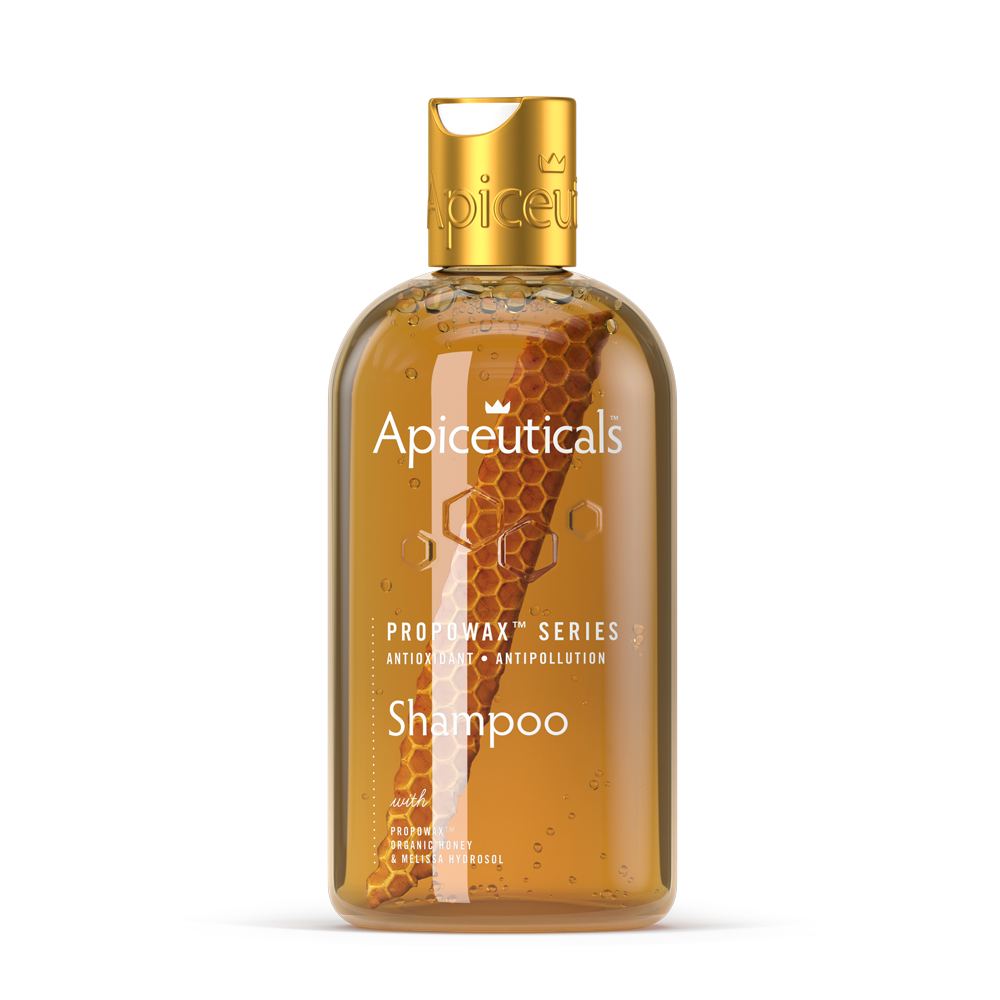
Apiceuticals formulates its PROPOWAX™ Series around a patented Living Honeycomb structure embedded in each product, a delivery system that continuously releases antioxidants onto scalp and hair rather than depositing them once and washing away. The technology holds a global patent for the highest antioxidant activity recorded in cosmetics, independently validated by the Aristotle University of Thessaloniki, placing it on firmer scientific footing than most antioxidant claims in the category.
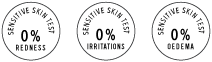
- Dermatologically tested with 0% irritation reported on sensitive skin
- Formulated without SLS, SLES, parabens, silicones, or mineral oils, and screened against more than 2,000 potentially harmful ingredients
- Built around organic, ethically harvested bee ingredients rather than synthetic fragrance compounds
Antioxidant delivery and fragrance avoidance address different problems. One works to counter oxidative stress on scalp and hair tissue; the other removes a known irritant. Neither substitutes for a dermatologist’s diagnosis when symptoms persist. Readers can review the PROPOWAX™ technology directly for the research behind it.
A pragmatic experiment for health-conscious readers
Switching to fragrance free shampoo is a low-risk, evidence-aligned first experiment for anyone dealing with a reactive scalp, cheap to try and easy to reverse. Check the rest of the ingredient list before assuming fragrance is the only variable, and note symptoms day by day rather than relying on memory. Persistent irritation deserves a dermatologist’s attention, not another product swap.
— Apiceuticals
How Apiceuticals fits this need
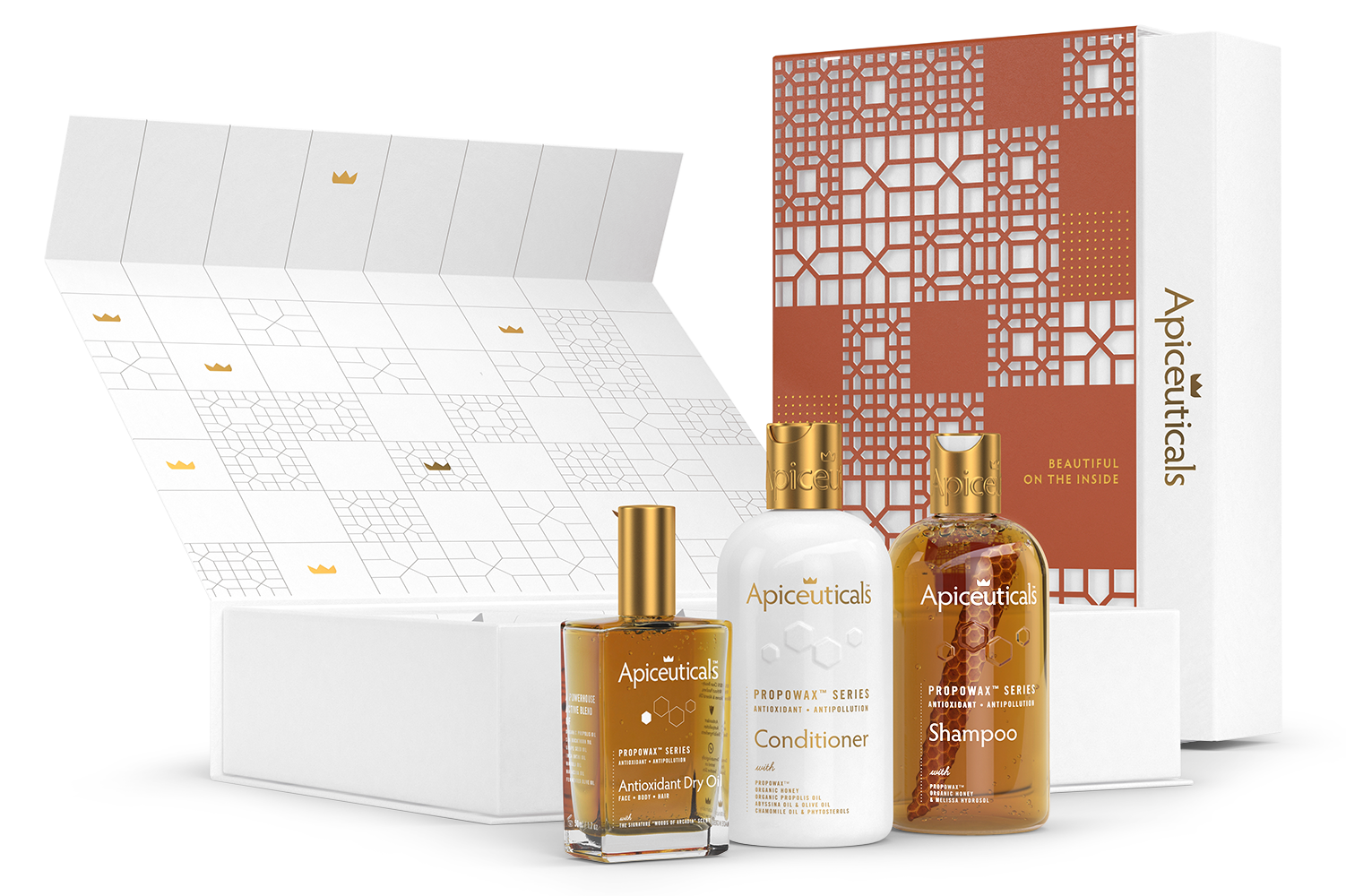
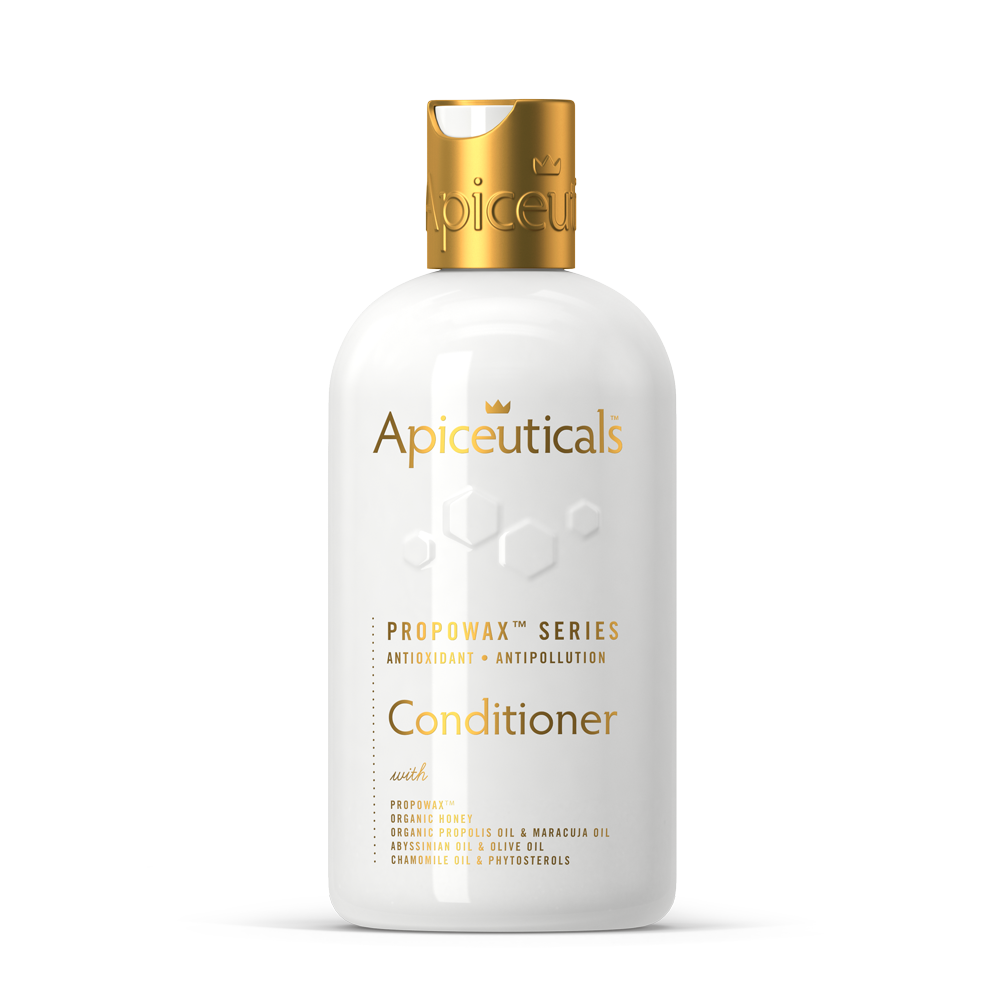
Apiceuticals built its PROPOWAX™ Antioxidant Shampoo around the same premise this article has laid out: fragrance avoidance paired with a formulation that still does active work on scalp and hair, rather than fragrance avoidance as an empty gesture. The Living Honeycomb structure inside the product releases antioxidants gradually during use, an approach suited to readers who want a fragrance free routine that does not feel like a compromise.

- Start with a patch test behind the ear, the same protocol recommended for any new rinse-off product
- Review the PROPOWAX™ Antioxidant Shampoo product page for its full ingredient list before ordering
- Explore the broader antioxidant, clean beauty science behind the formulation approach
For readers ready to try a fragrance free option built on documented antioxidant research rather than a scent-free claim alone, the Apiceuticals shop is the place to start.
FAQ
What is the healthiest shampoo for your hair?
There is no single “healthiest” shampoo that fits every scalp, since the right formula depends on individual sensitivities and goals. A fragrance free, antioxidant-forward formula free of SLS, parabens, and silicones is a reasonable starting point for anyone prioritizing scalp comfort and long-term hair condition.
Is fragrance shampoo good for hair?
Fragrance itself does not improve hair health and is included purely for scent, not performance. DermNet identifies fragrance as one of the most common causes of cosmetic contact dermatitis, which makes it a liability rather than a benefit for anyone with a sensitive or reactive scalp.
What are the benefits of using fragrance-free products?
Fragrance free products reduce exposure to a well-documented category of cosmetic allergens and make it easier to identify other irritants when a reaction does occur. They tend to suit people with eczema, atopic skin, or a known fragrance allergy particularly well, though other ingredients like preservatives and surfactants still need checking.
What is better, unscented or fragrance free?
Fragrance free is generally the more reliable choice for allergy avoidance, since “unscented” products can still contain a masking fragrance added to cover other odors. DermNet’s comparison of the two terms recommends checking the ingredient list directly rather than relying on either label alone.
How long should I trial a fragrance-free shampoo before judging results?
Two to four weeks is a reasonable window to notice whether irritation, itching, or flaking has eased after switching. If symptoms persist past that point, patch testing or a dermatologist visit is the more reliable next step.
Does Apiceuticals test its fragrance-free shampoo on sensitive skin?
The formula also excludes a range of common irritants as part of its clean-formulation standard.
Sources
- Contact reactions to cosmetics — DermNet NZ
- Exa
- Allergic contact dermatitis by shampoo — Anais Brasileiros de Dermatologia (2020)
- Perfume allergies — European Commission (SCCS) layman overview
Recommended


Related posts

Explore how a trial lasting 24 weeks and Malassezia research link scalp oxidative stress to shedding, and where PROPOWAX™ fits continuous antioxidant care.

See when silicones smooth hair or build up, and how PROPOWAX™ holds a global patent for highest antioxidant activity, validated by Aristotle University.

Explore mountain honey benefits for skin and body, from floral polyphenols and antioxidant activity to evidence on cough relief, wound care, and safe use.

Propolis delivers stronger antioxidant and antimicrobial action. Royal jelly boosts hydration and repair. Learn which suits your skin or scalp and why...

Pick sulfate-free or sulfate shampoo by your scalp, porosity, and color needs. Read evidence-backed guidance, antioxidant options, and a 4-step switch...