No products in the cart.
Return To Shop
Haircare Tips with Antioxidants: 7 Practical Moves
TL;DR:
- A combined daily antioxidant-rich diet and topical routine can significantly reduce hair shedding and boost hair count over 24 weeks. Effective ingredients include Vitamin C, E, green tea polyphenols, niacinamide, and bee-derived polyphenols like PROPOWAX™, which support follicle health and protect against oxidative stress. Consistent application, proper storage, and a nutrient-diverse diet enhance results, with improvements typically visible within 8 to 24 weeks.
The most practical, evidence-backed approach to protecting your hair is straightforward: combine a daily antioxidant-rich diet with a targeted topical routine, specifically an antioxidant shampoo or scalp serum in the morning and a concentrated leave-on treatment at night. These haircare tips with antioxidants are grounded in a 24-week randomized, double-blind, placebo-controlled clinical trial that showed statistically significant reductions in shedding and increased total hair count versus placebo. Three things you can do today:
- Add a vitamin C (L-ascorbic acid) rich food, such as bell peppers or citrus, and an omega-3 source to your meals.
- Swap to an antioxidant shampoo or apply a scalp antioxidant serum twice weekly.
- Apply a light antioxidant leave-in or SPF-rated scalp product each morning before UV and pollution exposure.
Ingredients to look for include Vitamin C, Vitamin E (tocopherols), green tea polyphenols (EGCG), niacinamide, and PROPOWAX™ Living Honeycomb, the patented bee-derived antioxidant source from Apiceuticals, validated by the Aristotle University of Thessaloniki.
Table of Contents
- Which antioxidants should you look for on hair product labels?
- How do antioxidants actually protect your hair and scalp?
- Haircare tips with antioxidants: your step-by-step AM and PM routine
- Oral versus topical antioxidants: which route works better for you?
- Is it safe to use antioxidant hair products on a sensitive scalp?
- When will you see results, and what does a routine cost?
- Key Takeaways
- Antioxidants as upkeep, not a cure: an editorial perspective
- What Apiceuticals’ PROPOWAX™ haircare offers for your routine
- Useful sources and further reading
- FAQ
Which antioxidants should you look for on hair product labels?
Dermatologists recognize several antioxidants as genuinely effective for hair and scalp, each working through a distinct mechanism. Here is what each one does and where you will typically find it:
- PROPOWAX™ (bee-derived polyphenols, Apiceuticals): A patented Living Honeycomb matrix that continuously releases antioxidants onto the scalp and hair shaft. Independently validated by the Aristotle University of Thessaloniki for the highest antioxidant activity in cosmetics. Found in Apiceuticals’ antioxidant shampoo, conditioner, and leave-on serum formats. Label clue: PROPOWAX™ or propolis extract. Best for: broad-spectrum UV and oxidative protection, color preservation.
- Vitamin C (L-ascorbic acid): Supports collagen synthesis and enhances iron absorption, both critical for follicle function. Found in serums, shampoos, and conditioners. Label clue: L-ascorbic acid, ascorbyl glucoside. Best for: thinning hair, UV-exposed or color-treated strands.
- Vitamin E (tocopherols): Protects lipid membranes in follicle cells from oxidative damage and supports scalp circulation. Found in oils, leave-on serums, and masks. Label clue: tocopherol, tocopheryl acetate. Best for: dry scalp, anti-breakage, shine.
- Green tea polyphenols / EGCG (Camellia sinensis extract): Polyphenols protect follicle cells, delay premature graying, and prolong the anagen (growth) phase. Found in rinse-off shampoos and scalp serums. Label clue: Camellia sinensis leaf extract, EGCG. Best for: follicle longevity, scalp inflammation.
- Niacinamide (Vitamin B3): Strengthens the scalp barrier, reduces inflammation, retains moisture, and supports keratin synthesis. Found in serums, shampoos, and conditioners. Label clue: niacinamide, nicotinamide. Best for: sensitive or irritated scalps, density improvement.
- Resveratrol: A stilbene polyphenol with antioxidant and anti-inflammatory properties; found in grape seed extracts and some premium serums. Best for: scalp aging and oxidative stress reduction.
- CoQ10 (ubiquinone): Supports mitochondrial energy in follicle cells, which is essential for sustaining the growth phase. Found in targeted scalp serums. Best for: age-related thinning.
- Astaxanthin: A carotenoid that protects follicle stem cells from UV-induced oxidative damage. Found in ingestible supplements and some topical serums.
- Selenium and zinc (cofactors): These trace minerals underpin endogenous antioxidant enzymes, including glutathione peroxidase, which the follicle relies on for its own internal defenses. Found in medicated shampoos (selenium sulfide) and dietary supplements.
How do antioxidants actually protect your hair and scalp?
Free radicals damage the hair follicle much the way rust corrodes metal: silently, progressively, and at the structural level. Reactive oxygen species (ROS) generated by UV radiation, pollution, heat styling, and normal metabolic activity attack lipid membranes, proteins, and DNA within follicle cells. The result is shortened anagen phases, weakened hair shafts, and, over time, accelerated shedding. Antioxidants interrupt this process by donating electrons to neutralize ROS before they can cause that cellular damage.
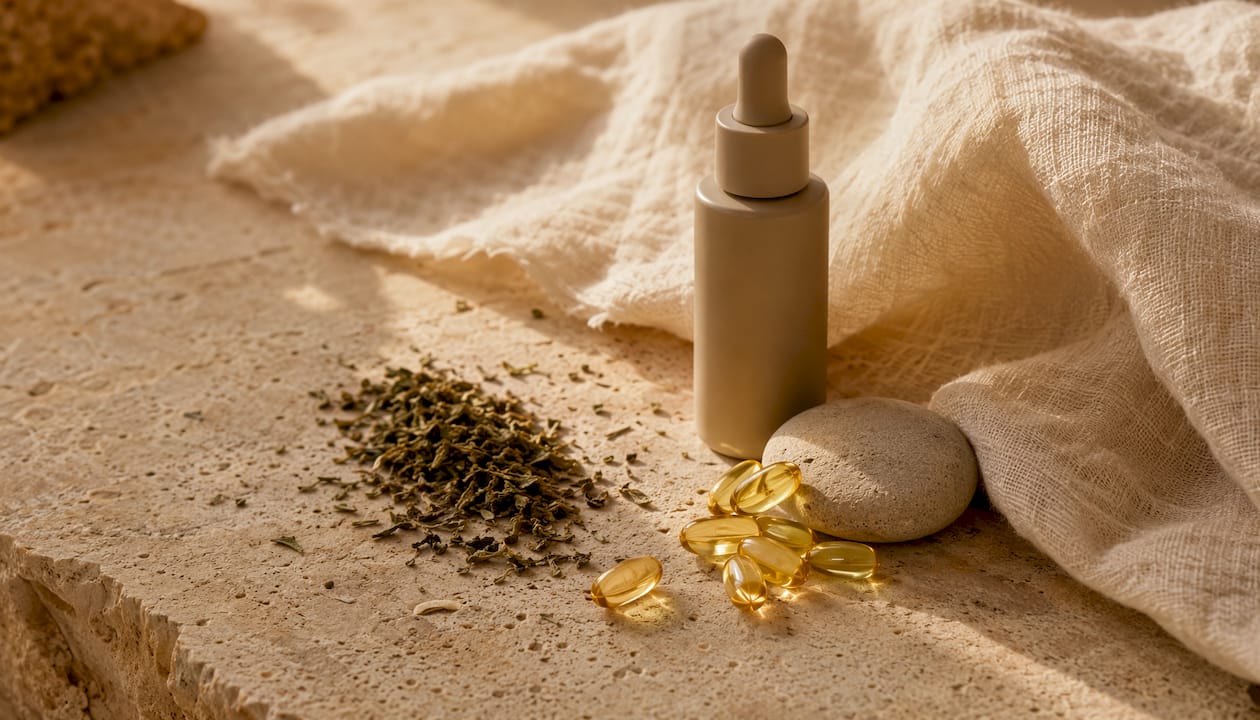
The clinical evidence for topical antioxidant routines is meaningful. A 24-week randomized, double-blind, placebo-controlled trial demonstrated statistically significant reductions in hair shedding and increases in total hair count at the 8-, 16-, and 24-week time points. Crucially, the regimen combined antioxidants with barrier-enhancing actives, including niacinamide, panthenol, and zinc pyrithione, which produced better scalp condition outcomes than antioxidants alone, including reduced transepidermal water loss (TEWL) and improved scalp biomarkers.
The follicle’s own antioxidant defenses also depend on systemic cofactors. Glutathione peroxidase, one of the body’s primary antioxidant enzymes, requires selenium and zinc to function. CoQ10 and astaxanthin support mitochondrial energy production within follicle cells, sustaining the metabolic demands of the growth phase. A nutrient-dense diet supplies these cofactors more reliably than isolated megadose supplements.
The follicle microenvironment is a living ecosystem. Antioxidants preserve its capacity to function — they do not reverse androgenetic (pattern) hair loss. If you are experiencing significant or progressive thinning, a dermatologist assessment is the appropriate first step, not a serum.
Mechanism, antioxidant examples, and evidence level:
| Mechanism | Antioxidant examples | Evidence level |
|---|---|---|
| Lipid membrane protection | Vitamin E (tocopherol), astaxanthin | Clinical trial, in vitro |
| Collagen and iron support | Vitamin C (L-ascorbic acid) | Clinical commentary, in vitro |
| Follicle cell and stem cell protection | Green tea EGCG, CoQ10 | In vitro, dermatology commentary |
| Barrier enhancement and keratin synthesis | Niacinamide | Clinical trial (combined regimen) |
| Broad-spectrum polyphenol antioxidant activity | PROPOWAX™ (bee-derived polyphenols) | Patent validation, Aristotle University of Thessaloniki |
| Endogenous enzyme cofactors | Selenium, zinc | Dietary research, clinical commentary |
Haircare tips with antioxidants: your step-by-step AM and PM routine
The sequence matters as much as the ingredients. Antioxidants degrade with heat, light, and oxidizing agents, so applying them in the right order and storing them correctly determines whether they reach the follicle intact.
AM routine (daily)
- Cleanse with a gentle antioxidant shampoo formulated without SLS or SLES, which strip the scalp’s lipid barrier and accelerate oxidative vulnerability.
- Follow with an antioxidant conditioner on mid-lengths and ends; rinse thoroughly. For color-treated hair, choose a formula explicitly tested for color compatibility.
- On damp hair, apply a light antioxidant leave-in serum or spray to the scalp and lengths. Vitamin C serums should be applied before any heat styling, as heat accelerates L-ascorbic acid oxidation.
- Apply a scalp-protective product with UV filters before outdoor exposure. UV radiation is one of the primary drivers of oxidative stress in the follicle microenvironment.
PM routine (daily or 4–5 nights per week)
- If you did not shampoo in the morning, rinse the scalp with lukewarm water to remove pollution particulates before applying any treatment.
- Apply a concentrated antioxidant leave-on serum or scalp treatment to the scalp on damp hair. Massage gently to support absorption.
- Twice weekly, use a dedicated antioxidant scalp mask or treatment for 20–30 minutes before rinsing, particularly if you are managing thinning or a compromised scalp barrier.
Compatibility notes
Avoid applying high-concentration acid exfoliants (glycolic, salicylic) in the same session as an unstable vitamin C serum. Strong peroxides used in bleaching processes can oxidize antioxidant actives on contact; always complete chemical services before resuming your antioxidant routine. For color-treated hair, antioxidant conditioners and leave-ons are generally well tolerated, but check that the formula is silicone-free if you are using a bond-repair treatment simultaneously.
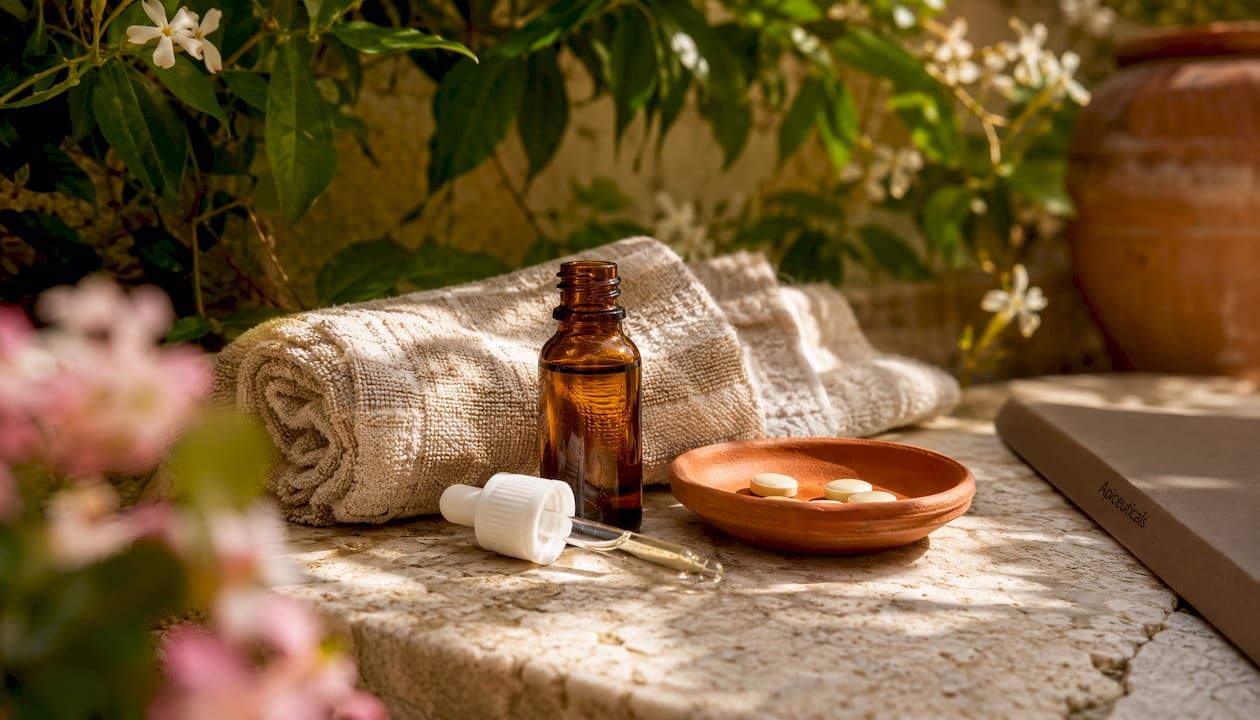
Pro Tip: Store antioxidant serums, especially those containing L-ascorbic acid, in opaque, airless pump bottles away from direct light and heat. A bathroom cabinet rather than a countertop shelf extends potency significantly. Replace open serums within three months; if the formula has turned orange or brown, the vitamin C has already oxidized and is no longer effective.
Oral versus topical antioxidants: which route works better for you?
Both routes are necessary, and they work on different timescales. Diet supplies the broad-spectrum cofactors and sustained systemic antioxidant protection that no topical product can replicate. Topical antioxidants deliver concentrated, localized support directly to the follicle and scalp surface, where environmental oxidative stress is most acute.
| Oral / dietary | Topical / scalp | |
|---|---|---|
| Best for | Systemic deficiency, cofactor supply (selenium, zinc, folate), broad-spectrum protection | Local oxidative hotspots, UV and pollution defense, scalp barrier repair |
| Formulation type | Whole foods, clinician-directed supplements | Leave-on serum, shampoo, conditioner, treatment mask |
| Evidence level | Dietary research (PMC), clinical commentary | 24-week RCT (Wiley/PubMed), dermatology commentary |
| Safety / compatibility | Generally safe from food; megadose supplements carry risk (selenium toxicity, excess vitamin A causing hair loss) | Well tolerated; patch-test new formulas; avoid oxidizing agents in same session |
Three practical dietary examples worth building into your week:
- Mediterranean-style meals: Olive oil, leafy greens, legumes, and oily fish supply polyphenols, Vitamin E, selenium, and omega-3 fatty acids in synergistic combinations that isolated supplements cannot match.
- Green tea (2–3 cups daily): Delivers EGCG directly to the systemic circulation; a consistent, low-risk source of follicle-protective polyphenols.
- Berries and mixed nuts: Blueberries, walnuts, and Brazil nuts cover Vitamin C, Vitamin E, and selenium in a single snack. One Brazil nut per day provides close to the recommended daily selenium intake.
A practical rule: prioritize dietary variety first, and consider a targeted supplement only after a clinician has identified a specific deficiency. High-dose isolated antioxidant supplements are not a reliable shortcut and can be counterproductive, particularly at megadose levels of selenium or vitamin A. Pregnancy, pre-existing conditions, and medication interactions all warrant clinician review before adding any supplement.
Is it safe to use antioxidant hair products on a sensitive scalp?
Most antioxidant hair products are well tolerated, including on sensitive and color-treated scalps, provided the formula excludes common irritants. That said, reactions do occur, and knowing the red flags protects you from prolonged exposure to a product that is not right for your scalp.
Red flags to watch for:
- Scalp burning, stinging, or significant redness within 30 minutes of application.
- Increased shedding that persists beyond two full hair cycles (roughly 8–12 weeks) after starting a new product.
- Itching, hives, or swelling, which may indicate an allergic rather than irritant reaction.
- Flaking or crusting that worsens rather than improves after two weeks of use.
Compatibility warnings:
- Do not combine high-concentration acid scalp exfoliants with antioxidant serums in the same application session.
- Avoid applying antioxidant treatments immediately before or after a bleaching or high-peroxide coloring service.
- Selenium sulfide shampoos are medicated; do not use them more frequently than directed, and do not combine with other medicated scalp treatments without clinician guidance.
Patch-test protocol: Apply a small amount of the product behind the ear or on the inner forearm. Leave it undisturbed for 48 hours. If no redness, itching, or swelling develops, the product is likely safe for scalp use. Stop use immediately and consult a dermatologist if any reaction appears. For supplements, excessive selenium or high-dose vitamin A can paradoxically cause hair loss; always confirm dosing with a clinician before exceeding standard dietary reference intakes.
When will you see results, and what does a routine cost?
Modest scalp and texture improvements from a consistent topical antioxidant routine are commonly noticeable within 8–16 weeks. The 24-week clinical trial recorded measurable reductions in shedding and increased hair count at multiple time points, with the clearest outcomes at 24 weeks for a combined antioxidant and barrier-enhancing regimen.
Realistic timeline:
- Immediate (weeks 1–2): Reduced scalp irritation, less oxidative dryness, improved manageability.
- 8–12 weeks: Reduced breakage, improved shine and texture, less visible shedding on the brush.
- 16–24+ weeks: Measurable reduction in daily shedding, early improvements in hair count and density for those following a consistent combined regimen.
- Beyond 24 weeks: If significant thinning persists, seek a dermatologist evaluation. Antioxidants support the follicle environment; they do not address androgenetic alopecia, hormonal causes, or nutritional deficiencies that require clinical intervention. For those exploring clinical options alongside their topical routine, hair restoration with PRF represents a separate, clinician-directed approach.
Typical cost ranges:
- Drugstore antioxidant shampoo and basic serum: $15–$40 per month.
- Mid-range antioxidant shampoo, conditioner, and leave-on serum: $50–$100 per month.
- Dermatology-grade or patented antioxidant serums (such as those built on validated antioxidant technology): $80–$150+ per month, depending on the product range.
- Clinical treatments for pattern hair loss carry separate costs and timelines and are outside the scope of a topical antioxidant routine.
Key Takeaways
Topical antioxidant routines, when combined with a nutrient-dense diet and barrier-supporting actives, produce measurable reductions in shedding and improved scalp condition within 16–24 weeks, as demonstrated in a randomized clinical trial.
| Point | Details |
|---|---|
| Combine diet and topical care | A plant-rich diet supplies systemic cofactors; topical antioxidants address local oxidative stress at the follicle. |
| Prioritize the AM/PM sequence | Apply antioxidant leave-in and UV protection each morning; use a concentrated serum or mask at night. |
| Pair antioxidants with barrier actives | Niacinamide, panthenol, and zinc pyrithione alongside antioxidants produced better clinical outcomes than antioxidants alone. |
| Set a realistic timeline | Texture and breakage improvements appear at 8–12 weeks; shedding reductions are measurable at 16–24 weeks. |
| Apiceuticals PROPOWAX™ | Apiceuticals’ patented PROPOWAX™ Living Honeycomb, validated by the Aristotle University of Thessaloniki, delivers continuous antioxidant release to the scalp and hair. |
Antioxidants as upkeep, not a cure: an editorial perspective
The most persistent misconception in antioxidant haircare is the idea that a serum can undo what genetics, hormones, or years of oxidative accumulation have already done. It cannot. What antioxidants do, and do well, is maintain the follicle’s operating conditions: reducing the oxidative burden that shortens the anagen phase, protecting the lipid integrity of the hair shaft, and preserving the scalp’s barrier function so that the follicle can do its job without unnecessary interference. Think of it as maintenance for a living engine rather than a repair for a broken one.
What makes the science genuinely interesting is the specificity of the mechanisms. EGCG from green tea does not act the same way as tocopherol, and neither behaves like a bee-derived polyphenol complex. Apiceuticals’ PROPOWAX™ Living Honeycomb, which holds a global patent for the highest antioxidant activity in cosmetics and was independently validated by the Aristotle University of Thessaloniki, represents a distinct class of antioxidant delivery: a matrix that continuously releases polyphenols rather than depositing a fixed dose that degrades within hours. That distinction matters for sustained follicle protection, particularly in the context of daily UV and pollution exposure.
The honest caveat is equally important. If you are experiencing progressive thinning, a widening part, or significant density loss, antioxidant products are a supportive measure, not a primary treatment. A dermatologist evaluation, and potentially a clinician-directed intervention, belongs at the center of that conversation. Antioxidant haircare is most powerful when it is part of a well-maintained baseline, not a substitute for clinical assessment.
What Apiceuticals’ PROPOWAX™ haircare offers for your routine
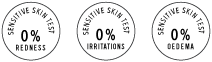
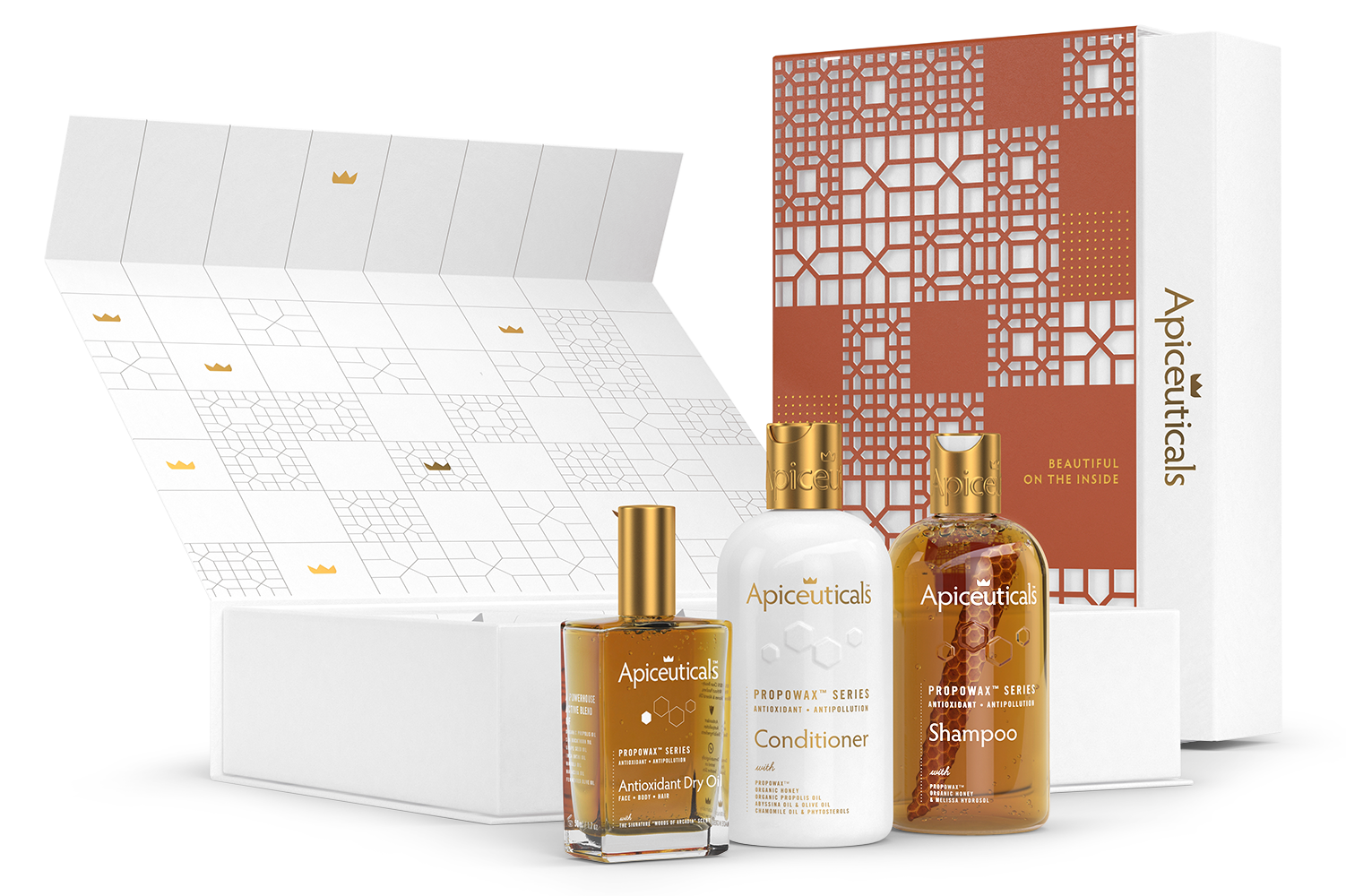
The AM/PM routine described above maps directly to the Apiceuticals PROPOWAX™ Series: an antioxidant shampoo for the morning cleanse, an antioxidant conditioner for the mid-lengths and ends, and a leave-on antioxidant serum for the scalp treatment step. Each product is built on PROPOWAX™ Living Honeycomb, the patented bee-derived polyphenol matrix that continuously releases antioxidants rather than delivering a single fixed dose. All formulas are dermatologically tested on sensitive skin with 0% irritation and exclude SLS, SLES, parabens, silicones, and mineral oils, making them compatible with color-treated and chemically processed hair.

For readers who want to understand the technology before purchasing, the PROPOWAX™ technology page details the patent validation and the Aristotle University of Thessaloniki research. The antioxidant science guide covers the ingredient rationale in depth. To explore the full PROPOWAX™ haircare range and find the right starting point for your routine, visit Apiceuticals.
Useful sources and further reading
- Scalp application of antioxidants improves scalp condition and reduces hair shedding (Wiley): The primary 24-week randomized, double-blind, placebo-controlled clinical trial cited throughout this article; essential reading for anyone evaluating the evidence base for topical antioxidant regimens.
- PubMed record: topical antioxidant clinical trial: The PubMed abstract for the same trial, with full methods and outcome measures across the 8-, 16-, and 24-week time points.
- PMC: Diet and hair follicle health: Peer-reviewed dietary research on how nutrient diversity supports the follicle cycle; the basis for the dietary recommendations in this article.
- Vital Nutrients: The Science of Antioxidants for Hair Growth: Accessible explanation of astaxanthin, CoQ10, and polyamine mechanisms at the follicle stem-cell level.
- Byrdie: The Best Antioxidants for Hair and How to Use Them: Dermatologist commentary (Dr. Hannah Kopelman and Dr. Serena Mraz) on Vitamins A, C, E, polyphenols, selenium, and niacinamide for hair and scalp health.
- Protecting hair’s engine from premature cellular aging: Covers the limits of megadose supplementation and the case for dietary cofactor diversity over isolated antioxidant pills.
- Apiceuticals PROPOWAX™ technology page: Technical documentation of the PROPOWAX™ Living Honeycomb patent and the Aristotle University of Thessaloniki validation.
FAQ
What antioxidants are most effective for hair health?
Vitamin C (L-ascorbic acid), Vitamin E (tocopherols), green tea polyphenols (EGCG), niacinamide, and bee-derived polyphenol complexes such as PROPOWAX™ are the best-supported antioxidants for hair, each acting on a distinct mechanism from collagen synthesis to follicle cell protection. Dermatologists also highlight selenium and zinc as essential cofactors for the follicle’s own antioxidant enzyme systems.
Can antioxidants help with hair regrowth?
Antioxidants support the follicle microenvironment by reducing oxidative stress that shortens the growth phase, and a 24-week clinical trial showed increased total hair count with a combined antioxidant and barrier regimen. They do not reverse androgenetic (pattern) hair loss, which requires clinical assessment and targeted medical treatment.
How long does it take for antioxidant haircare to show results?
Texture and breakage improvements are commonly noticeable within 8–12 weeks of a consistent topical routine; measurable reductions in shedding and hair count improvements were observed at 16–24 weeks in the clinical trial referenced above.
Is it better to take antioxidant supplements or use topical products for hair?
Both routes serve different purposes. A nutrient-diverse diet supplies the systemic cofactors the follicle depends on, while topical antioxidants deliver concentrated protection directly to the scalp surface. High-dose isolated supplements are not a reliable substitute for either and carry risks at megadose levels.
Are antioxidant hair products safe for color-treated or chemically processed hair?
Most antioxidant shampoos and conditioners formulated without SLS, parabens, and silicones are well tolerated by color-treated hair. Avoid applying antioxidant serums immediately before or after a bleaching or high-peroxide service, as oxidizing agents can degrade antioxidant actives on contact.
Why do diets in some cultures support notably healthy hair?
Diets rich in diverse plant foods, oily fish, green tea, and fermented foods supply a broad spectrum of polyphenols, omega-3 fatty acids, selenium, zinc, and B vitamins that collectively support follicle function. No single food or ingredient is responsible; the synergistic effect of a varied, plant-forward dietary pattern is what the research consistently points to.
Recommended


Related posts

Explore how a trial lasting 24 weeks and Malassezia research link scalp oxidative stress to shedding, and where PROPOWAX™ fits continuous antioxidant care.

See when silicones smooth hair or build up, and how PROPOWAX™ holds a global patent for highest antioxidant activity, validated by Aristotle University.

Explore mountain honey benefits for skin and body, from floral polyphenols and antioxidant activity to evidence on cough relief, wound care, and safe use.

Propolis delivers stronger antioxidant and antimicrobial action. Royal jelly boosts hydration and repair. Learn which suits your skin or scalp and why...

Pick sulfate-free or sulfate shampoo by your scalp, porosity, and color needs. Read evidence-backed guidance, antioxidant options, and a 4-step switch...