No products in the cart.
Return To Shop
5 Honeys Formulators and Shoppers Use for Antioxidant Skin and Hair
Buckwheat, honeydew, heather, chestnut, and thyme honey consistently rank among the healthiest honey types for topical antioxidant use, thanks to phenolic and flavonoid concentrations well above pale, single-floral varieties. These darker, botanically distinct honeys donate electrons to neutralize free radicals before they degrade collagen or oxidize scalp lipids. For skin, scalp, or hair formulations, look for a stabilized delivery format rather than raw honey alone. PROPOWAX™ Living Honeycomb, A patented antioxidant release system has been built around exactly that principle.
TL;DR:
- Darker honey varieties like buckwheat, honeydew, and chestnut contain significantly higher phenolic and flavonoid levels, making them more effective for antioxidant skincare.
- Formulation quality and processing controls, such as avoiding high heat and limiting light exposure, are crucial for preserving honey’s antioxidant activity.
- Assay data showing total phenolic content and radical-scavenging capacity are more reliable indicators of antioxidant strength than simple labels like “raw” or “pure.”
- Engineered delivery systems like PROPOWAX™ Living Honeycomb enable continuous antioxidant release, overcoming rapid degradation associated with raw honey applications.
- Honey should be used at 1 to 10 percent in topical cosmetics, with darker, opaque varieties generally providing higher antioxidant benefits.
Table of Contents
- Which Honey Types Rank Highest for Antioxidant Skincare?
- Why Antioxidant Profile Matters for Topical Beauty
- How to Use and Formulate Honey for Skin, Scalp, and Hair
- Selection Checklist for Shoppers and Formulators
- What Three Generations of Beekeeping Taught Us About Antioxidants
- Where to Find Antioxidant-Rich Honey in Ready-Made Formulas
- Sources
- FAQ
Which Honey Types Rank Highest for Antioxidant Skincare?
Antioxidant strength in honey tracks closely with color and botanical source, not with marketing terms like “raw” or “pure.” Darker honeys, drawn from tree resin, heather moorland, or medicinal plants, accumulate far more phenolic acid and flavonoid content than the pale acacia or clover varieties sold primarily for eating. That distinction matters more to a formulator reading a certificate of analysis than to a shopper reading a label, but both groups benefit from knowing the hierarchy.
- Buckwheat and honeydew honey. Among the darkest varieties available, these consistently score highest on DPPH and FRAP assays, the two standard laboratory measures of free-radical scavenging capacity. Their intensity and near-black color are visual cues of dense phenolic loading, which makes them strong candidates for anti-aging serums and scalp treatments.
- Heather honey. This variety carries a notably high total phenolic content and performs well in skin-relevant antioxidant testing, according to comparative analysis of honeys by botanical origin. Its thixotropic, gel-like texture (it turns solid when undisturbed, then liquefies when stirred) also makes it unusually cooperative in emulsions. Apiceuticals sources a heather honey specifically for its antioxidant density.
- Chestnut honey. Research measuring total phenolic concentrations has recorded levels as high as 762 milligrams per kilogram in chestnut honey, among the highest reported for any single-source variety. Its slightly bitter, mineral character signals the tannin and phenolic acid content responsible for that number.
- Thyme and other medicinal-plant honeys. Honeys drawn from thyme, oregano, and similar Mediterranean scrub plants inherit concentrated flavonoid profiles from the source flower itself. These work well in leave-on scalp oils and spot treatments where a smaller amount needs to carry a larger antioxidant payload. Apiceuticals offers a thyme honey drawn from this category.
- Oak and forest honeydew honey. Produced from tree sap rather than floral nectar, oak honey tends toward a darker, more mineral profile with a distinct antioxidant signature suited to body and hair applications where a heavier, richer texture is welcome. Apiceuticals’ oak honey falls into this category.
For most shoppers, appearance and viscosity offer a rough first read: the darker and more opaque the honey, the more likely it carries meaningful phenolic weight. But appearance alone cannot replace an actual assay result, which is where formulation science takes over.
Why Antioxidant Profile Matters for Topical Beauty
Free radicals behave in skin and hair the way rust behaves on iron: unchecked oxidation weakens the structure over time, whether that structure is a collagen fiber or a keratin strand. Phenolic acids and flavonoids intervene by donating electrons to unstable molecules before they can trigger that cascade, as detailed in this guía sobre cómo elegir tratamiento antiedad. Gallic acid, caffeic acid, quercetin, pinocembrin, and chrysin are the compounds most frequently isolated from antioxidant-rich honeys, and each has documented radical-scavenging activity in laboratory assays. Phenolic acids and flavonoids are described as the primary drivers of honey’s antioxidant capacity in a recent review of honey’s therapeutic applications, which also notes that engineered honey-derived ingredients can outperform raw honey in delivered antioxidant activity.

Botanical origin drives these numbers more than processing method does. A stable, well-characterized phenolic profile, not a “raw” claim on a jar, determines real topical value. That is the gap PROPOWAX™ Living Honeycomb was engineered to close: a patented structure that continuously releases antioxidants onto skin, scalp, and hair rather than depositing a single dose that degrades on contact with air and light.
How to Use and Formulate Honey for Skin, Scalp, and Hair
Cosmetic formulations typically incorporate honey at 1 to 10 percent of total formula weight, with specialty stabilized blends occasionally running higher. Vehicle choice matters almost as much as concentration. Hydrogels and emulsions have shown efficient release of honey’s phenolic acids into skin layers in permeation studies, according to research on honey-based topical formulations, while waterless balms sidestep the water-activity problems that can destabilize phenolics in traditional creams.
Preserving that antioxidant activity through manufacturing requires a few disciplined habits:
- Avoid high heat during processing. Excess temperature degrades phenolic compounds before they ever reach a jar.
- Limit light exposure. UV and even bright ambient light accelerate oxidation of the very compounds meant to fight oxidation elsewhere.
- Control water activity. Honey’s natural humectant properties help here, but formulators still need to manage moisture migration to prevent microbial growth.
- Patch test before full use. Apply a small amount to the inner forearm, wait 24 to 48 hours, and check for redness or irritation before applying to the face or scalp.
Studies on honey-loaded gels and emulsions confirm that antioxidant activity survives intact when manufacturing avoids these destructive conditions, based on FRAP and DPPH testing of honey-loaded topical formulations. That is a meaningful finding: it means the “raw versus processed” framing many shoppers rely on is largely beside the point. Formulation discipline, not raw status, decides whether the antioxidants survive to do their job.
Pro Tip: If a scalp serum or body oil stings or tingles on first use, that is not always a sign of potency. High-concentration honey extracts have shown measurable irritation in cell studies at concentrations as low as 2.5 to 5 percent, so dermatological testing and a lower starting concentration matter more than intensity of sensation.
Selection Checklist for Shoppers and Formulators
Evaluating a honey or honey-derived ingredient for antioxidant skincare comes down to documentation, not adjectives on a label. Before buying or sourcing, confirm the following:
- Botanical origin is named specifically (heather, chestnut, thyme, buckwheat), not vaguely labeled “wildflower” or “raw.”
- Assay data exists and is shared. Total phenolic content (TPC) and DPPH or FRAP results should be available on request, since antioxidant activity varies significantly across varieties even within the same botanical family.
- Organic certification and traceable sourcing back the origin claim rather than relying on marketing language alone.
- Processing notes confirm minimal heat exposure, and packaging uses dark glass to limit light-driven degradation.
- Dermatological and microbiological reports are available, particularly for anything marketed toward sensitive skin or scalp use.
Treat the absence of any of these as a red flag, not a minor omission. A supplier who cannot produce assay numbers is asking you to trust a color instead of a measurement. For more on distinguishing genuine ingredient sourcing from marketing shorthand, see this guide to identifying natural ingredients in skincare.
What Three Generations of Beekeeping Taught Us About Antioxidants
Apiceuticals began as a beekeeping family in Arcadia in 1981, decades before “antioxidant beauty” became a category name. That heritage shaped a research instinct: measure before you claim. PROPOWAX™ Living Honeycomb, our patented antioxidant delivery structure, holds a global patent for the highest antioxidant activity recorded in cosmetic testing, independently validated by the Aristotle University of Thessaloniki. We built it because a single dose of even the best honey degrades fast; a living structure that keeps releasing antioxidants does not.
— Apiceuticals
Where to Find Antioxidant-Rich Honey in Ready-Made Formulas
Formulating your own antioxidant blend at home is possible, but it demands the same rigor described above: sourced assay data, controlled processing, and careful storage. For readers who would rather start from a product already built around that discipline, Three routes into this category are offered.

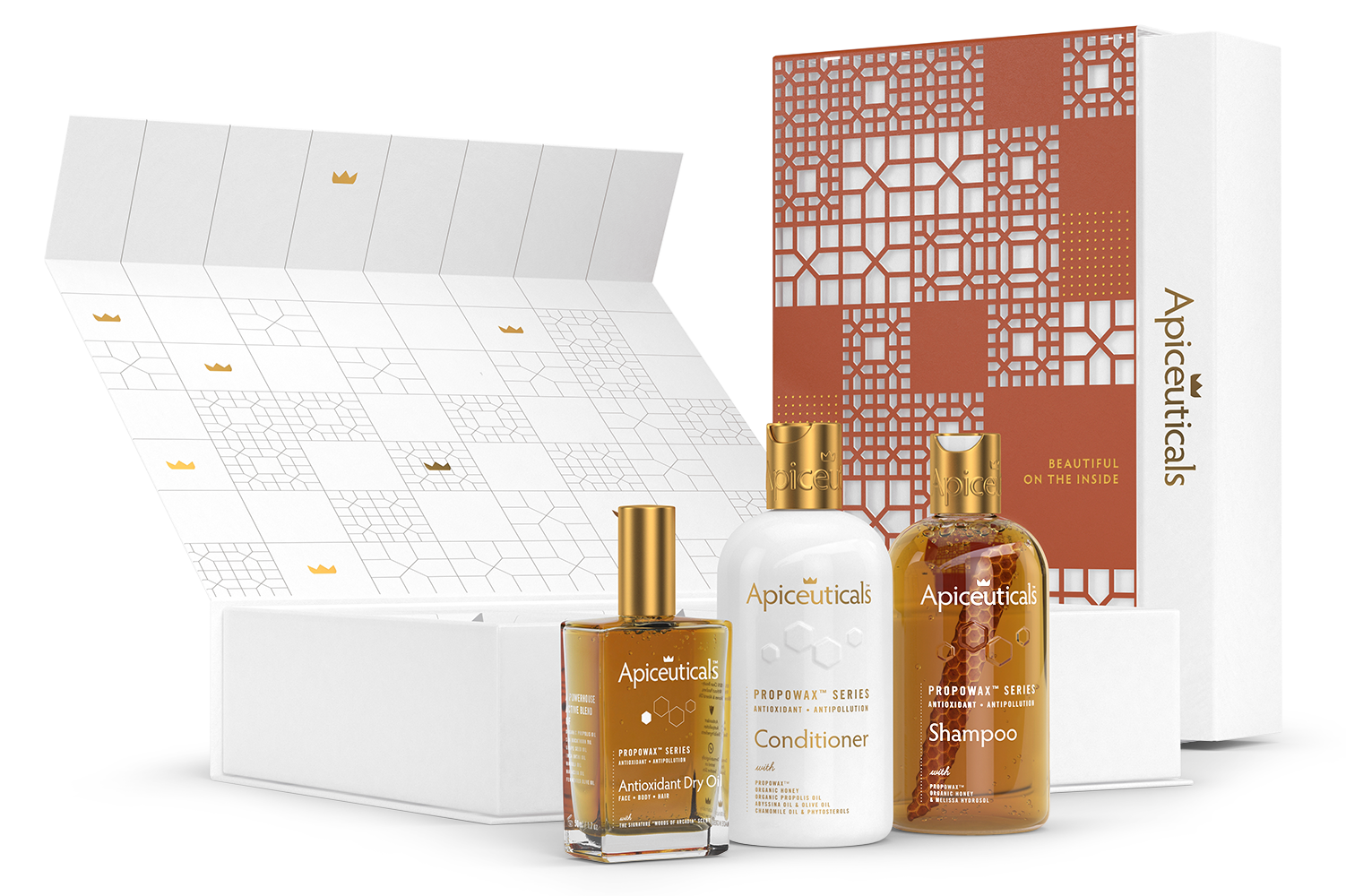
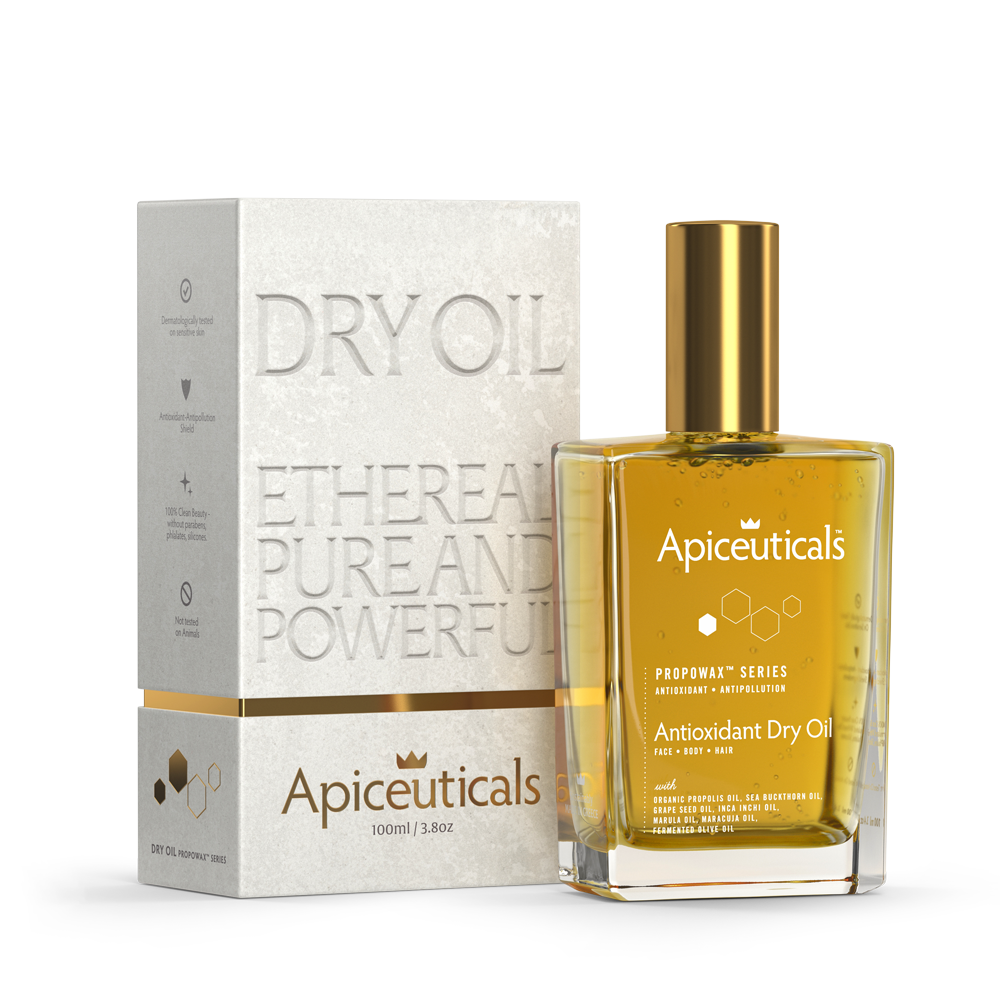
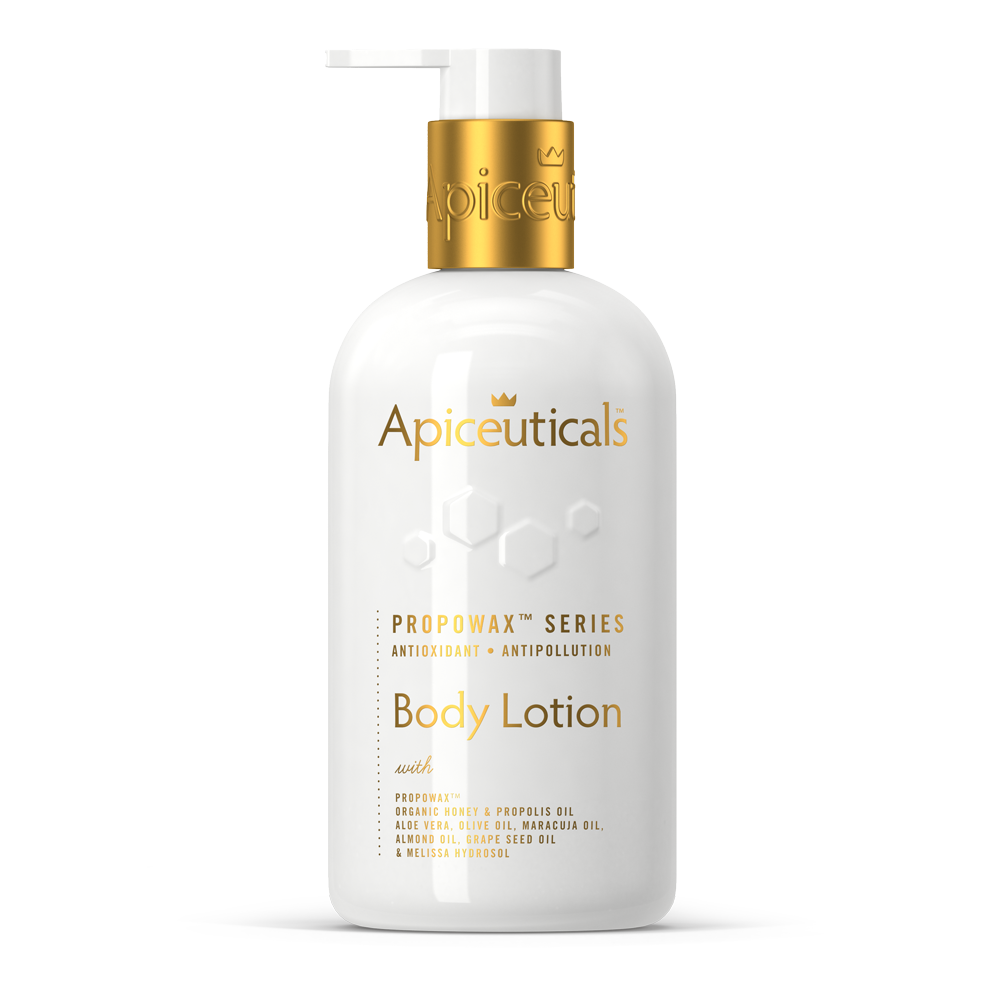
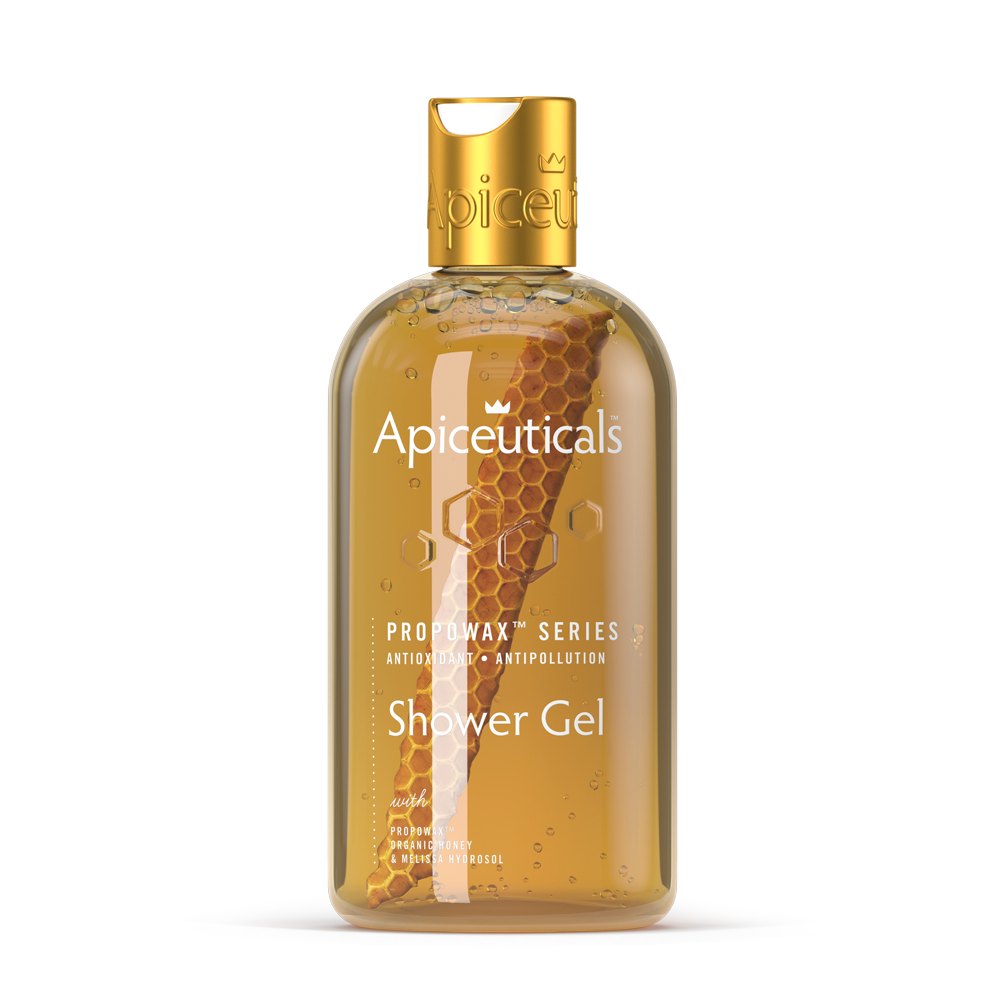
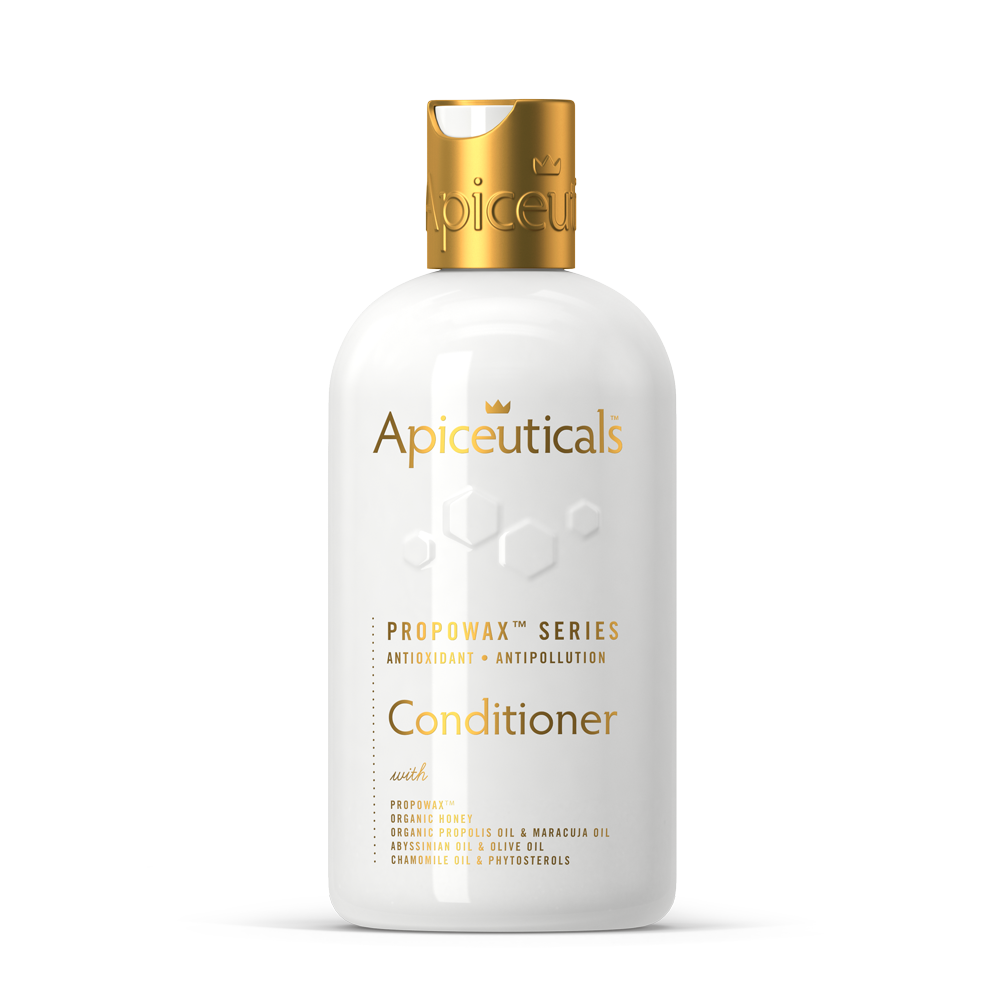
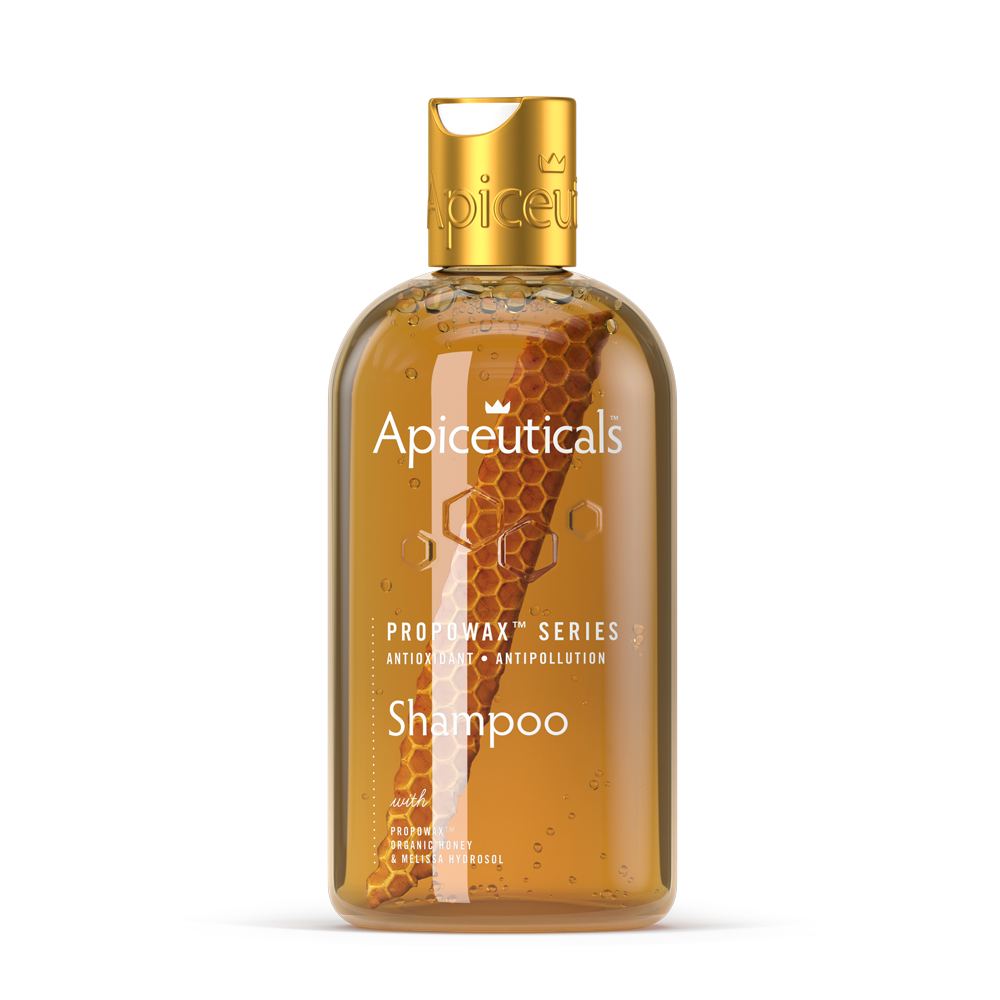
The PROPOWAX™ Series applies Living Honeycomb technology across haircare and bodycare, delivering antioxidants continuously rather than in a single application. The HONEY BALM™ Series takes a waterless approach to facial care, sidestepping the water-activity instability that challenges many honey-based creams. And the premium organic honey collection, including heather, thyme, and oak varieties, gives shoppers and formulators direct access to the same botanical sources discussed throughout this guide. This is one option among several paths to antioxidant skincare, not a claim that it outperforms every alternative approach. If you want to see the antioxidant technology behind these formulas in more detail, the PROPOWAX™ technology page walks through the patent and its university validation.
Sources
- Antioxidant Capacity and Therapeutic Applications of Honey: Health Benefits, Antimicrobial Activity and Food Processing Roles
- Eudermic properties and chemical–physical characterization of honeys of different botanical origin
- Permeation and skin accumulation of phenolic acids from honey-based topical formulations
- Antioxidant and antibacterial activities of honey-loaded topical formulations (FRAP, HPTLC-DPPH assays)
FAQ
What are the healthiest honey types for skin?
Buckwheat, honeydew, heather, chestnut, and thyme honey rank among the healthiest honey types for topical antioxidant use, based on their consistently high phenolic and flavonoid content in laboratory assays.
Is manuka honey the best choice for antioxidant skincare?
Manuka honey is well known for antibacterial properties, but for topical antioxidant strength specifically, darker varieties like chestnut and heather often show comparable or higher phenolic concentrations in skin-relevant testing.
What compounds make honey antioxidant rich?
Gallic acid, caffeic acid, quercetin, pinocembrin, and chrysin are the phenolic acids and flavonoids most often identified as responsible for honey’s antioxidant activity.
Does raw honey work as well as engineered honey formulas on skin?
Raw honey applied directly degrades quickly once exposed to air and light, while engineered delivery systems like PROPOWAX™ Living Honeycomb are designed to release antioxidants continuously over time.
What concentration of honey should a topical product contain?
Most cosmetic formulations use honey at 1 to 10 percent of total formula weight, with specialty stabilized blends occasionally formulated higher when properly manufactured.
How do I know if a honey product is safe for sensitive skin?
Check for dermatological testing results and patch test any new product on the inner forearm for 24 to 48 hours before applying it to the face or scalp.
Recommended


Related posts

Explore how a trial lasting 24 weeks and Malassezia research link scalp oxidative stress to shedding, and where PROPOWAX™ fits continuous antioxidant care.

See when silicones smooth hair or build up, and how PROPOWAX™ holds a global patent for highest antioxidant activity, validated by Aristotle University.

Explore mountain honey benefits for skin and body, from floral polyphenols and antioxidant activity to evidence on cough relief, wound care, and safe use.

Propolis delivers stronger antioxidant and antimicrobial action. Royal jelly boosts hydration and repair. Learn which suits your skin or scalp and why...

Pick sulfate-free or sulfate shampoo by your scalp, porosity, and color needs. Read evidence-backed guidance, antioxidant options, and a 4-step switch...