No products in the cart.
Return To Shop
High Phenolic Heather Honey: Antioxidant Uses for Skin and Throat
Heather honey benefits come primarily from its unusually high phenolic content, documented antimicrobial activity, and immunomodulatory signals seen in cell studies, making it one of the more scientifically interesting monofloral honeys available. Its practical wellness uses include soothing a sore throat, supporting topical skincare as an adjunct ingredient, and adding antioxidant density to a daily diet. The evidence base is genuinely promising but still largely preclinical or laboratory-based, so heather honey belongs alongside medical care, not in place of it, for anyone managing a real health condition.
TL;DR:
- Heather honey’s high phenolic content, comparable to Manuka honey, makes it one of the most antioxidant-rich monofloral honeys available.
- Its antimicrobial activity against bacteria like Staphylococcus aureus involves a dual mechanism of peroxide and non-peroxide effects due to its protein and phenolic load.
- Most health benefits are based on laboratory and cell studies, with limited evidence from human trials, especially for immune modulation and cough relief.
- To maximize its benefits, use heather honey in warm liquids below 104°F to preserve enzymes and phenolics, and perform patch tests before topical application.
- Authentic heather honey can be identified by its gel-like thixotropic texture and botanical label indicating Calluna vulgaris.
Table of Contents
- What Heather Honey Is Made Of and Why That Matters
- The Evidence Behind Heather Honey’s Antioxidant and Immune Effects
- How to Use Heather Honey for Wellness
- How to Tell Authentic Heather Honey From an Imitation
- Who Should Be Careful With Heather Honey
- Apiceuticals’ Roots in Bee Science and Antioxidant Research
- Why Antioxidant Honey Deserves a Closer Look
- Bringing Heather Honey Into Your Antioxidant Routine
- Primary Sources and Recommended Reading
- Sources
- FAQ
What Heather Honey Is Made Of and Why That Matters
Heather honey’s reputation rests on its total phenolic content (TPC), a measure of the plant compounds responsible for much of its antioxidant capacity. Research comparing Irish single-origin honeys found heather samples carrying the highest TPC of the varieties tested, with overall phenolic presence in the same range as Manuka honey. That finding matters because floral origin, not processing, is what drives a honey’s bioactive ceiling. Darker, single-origin honeys consistently outperform blended, multifloral varieties on phenolic density.
Among the compounds identified in monofloral honeys like heather are quercetin, kaempferol, ellagic acid, caffeic acid, and chlorogenic acid, each contributing to the honey’s overall antioxidant profile. Heather honey also carries an elevated protein fraction compared with most other honey types, and that colloidal protein is what gives it a gel-like, thixotropic texture rather than the free-flowing consistency of clover or acacia honey. This texture is not a curiosity. It affects how the honey behaves against skin and in the mouth, and it signals authenticity to anyone checking a jar before buying it.

Enzymatically, glucose oxidase in the honey generates hydrogen peroxide, one classic antimicrobial pathway found across many honey types. Heather honey’s non-peroxide activity, driven by its protein and phenolic load, works alongside that mechanism.
Quick composition snapshot:
- Total phenolic content: notably high among monofloral honey comparisons
- ORAC (antioxidant capacity): recognized as high in quality samples
- Protein content: notably elevated versus lighter honey varieties, driving the gel texture
- Key phenolics: quercetin, kaempferol, ellagic acid, caffeic acid, chlorogenic acid
The Evidence Behind Heather Honey’s Antioxidant and Immune Effects
The strongest data on heather honey benefits comes from in vitro work, not human trials, and that distinction matters for how confidently you can interpret the results. A cell-based study on Irish monofloral heather honey found it activated Nrf2 and superoxide dismutase (SOD), two of the body’s core antioxidant defense pathways, while also modulating inflammatory markers including NF-κB, TNF-α, IL-1β, and IL-10. That is a genuinely interesting result: it suggests heather honey does more than simply neutralize free radicals directly. It appears to nudge the body’s own antioxidant machinery into higher gear, a mechanism distinct from the passive scavenging most people associate with antioxidant foods.

On the antimicrobial side, laboratory testing has recorded inhibition zones of roughly 9 to 12 millimeters against several bacterial strains, including Staphylococcus aureus. Researchers attribute this to a combination of peroxide activity from glucose oxidase and non-peroxide factors tied to the honey’s protein and phenolic content, a dual mechanism that gives heather honey more resilience than single-pathway antimicrobial agents.
For oral use, broader honey research (not heather-specific) has found honey reduces cough frequency compared with usual care in both adults and children, lending some real-world context to the traditional throat remedy. Heather-specific human trials remain scarce.
Evidence strength, honestly stated:
- Strong: in vitro antioxidant and antimicrobial activity, biochemical assays (TPC, ORAC, DPPH, MIC-style inhibition testing)
- Moderate: broader honey evidence for cough relief
- Limited: heather-specific clinical trials in humans
How to Use Heather Honey for Wellness
You get the most from heather honey benefits by matching the form of use to the goal, whether that is soothing a throat, supporting skin, or simply adding antioxidant density to meals.
- For a sore throat or cough: Stir one to two teaspoons into warm (not boiling) water or herbal tea, sipped slowly. Honey’s viscosity coats the throat lining, and broader honey research supports its use for cough relief compared with no treatment.
- For a topical antioxidant mask: Apply a thin layer of raw heather honey to clean, dry skin for 10 to 15 minutes, then rinse. Always patch-test on the inner forearm 24 hours before a full-face application.
- For daily antioxidant intake: Choose heather over milder honeys like acacia when the goal is phenolic density rather than a neutral flavor. It has a stronger, slightly resinous taste that pairs well with strong cheeses or dark bread.
- For wound-adjunct use: The honey’s gel-like thixotropy helps it stay in place on the skin surface longer than runnier honeys, though deep or infected wounds always call for medical supervision rather than home care.
Pro Tip: Stir heather honey into warm liquid rather than hot. Temperatures above roughly 104°F start breaking down some of the enzymes and phenolics responsible for its antimicrobial and antioxidant activity, so raw or gently warmed use preserves more of what makes it worthwhile.
How to Tell Authentic Heather Honey From an Imitation
The single most reliable authenticity test for heather honey is thixotropy: real ling heather honey (Calluna vulgaris) forms a gel when left undisturbed, then turns liquid again when stirred or agitated. If you press a spoon into the jar and it holds a jelly-like resistance before loosening, that is a strong sign of genuine heather honey rather than a blended imitation.
Beyond the gel test, a few label details are worth checking before you buy:
- Botanical name on the label: look for Calluna vulgaris specifically, since “heather honey” without botanical confirmation can sometimes include bell heather or blended sources with a milder phenolic profile.
- Single-origin sourcing: monofloral honeys consistently show higher TPC than multifloral blends, so single-origin labeling is a meaningful signal, not marketing language.
- Extraction method: true ling heather honey’s gel structure often cannot be reliably extracted by centrifuge, so pressed extraction is common among specialists and tends to command a higher price.
- Storage: keep the jar in a cool, dark cupboard away from direct heat, which helps preserve both the enzymatic activity and the phenolic compounds over time.
Who Should Be Careful With Heather Honey
Heather honey is generally well tolerated, but a few groups need to take real precautions before adding it to a routine.
- Infants under 12 months should never be given honey of any kind, heather included, due to the risk of infant botulism.
- Anyone with a pollen or bee-product allergy should patch-test heather honey on the inner forearm before any topical use, and stop immediately if redness or irritation develops.
- People managing diabetes or following a carbohydrate-restricted diet should account for heather honey’s natural sugar content and speak with a clinician about how it fits their plan.
- Anyone with a diagnosed inflammatory or autoimmune condition should not treat the immunomodulatory lab findings as license to self-treat. Those results come from cell models, not patients, and belong in conversation with a doctor rather than a home protocol.
Apiceuticals’ Roots in Bee Science and Antioxidant Research
Apiceuticals has worked with bees since 1981, when the Roumeliotis family became the first in Greece to practice organic, sustainable beekeeping, a heritage that now informs how the brand sources and evaluates honey and other bee-derived ingredients from the Arcadian forests.
That same scientific attention extends into skincare through PROPOWAX™ technology, a patented Living Honeycomb structure that continuously releases antioxidants onto skin, scalp, and hair. The delivery system holds a global patent for and the highest antioxidant activity in cosmetics, independently validated by the Aristotle University of Thessaloniki.
- Beekeeping heritage rooted in Arcadia since 1981
- Patent for antioxidant activity, validated by an academic institution rather than internal testing alone
- A full organic honey category available for readers comparing varieties beyond heather
Why Antioxidant Honey Deserves a Closer Look
Working with bee-derived ingredients for decades teaches you that phenolic density is not an abstract lab statistic. It is what separates a honey that supports skin and wellbeing from one that is essentially flavored syrup. Heather honey’s gel texture and elevated TPC are the kind of details that reward attention rather than marketing shorthand.
The honest position is to treat heather honey as a genuinely evidence-backed antioxidant food and topical adjunct, sourced with real transparency, rather than a cure dressed up in scientific language.
— Apiceuticals
Bringing Heather Honey Into Your Antioxidant Routine
If you want heather honey’s phenolic and antimicrobial properties in a form built for daily use, Apiceuticals’ organic heather honey is harvested from Arcadian forests and triple-certified organic, giving you a traceable, single-origin option rather than a blended jar of uncertain provenance.

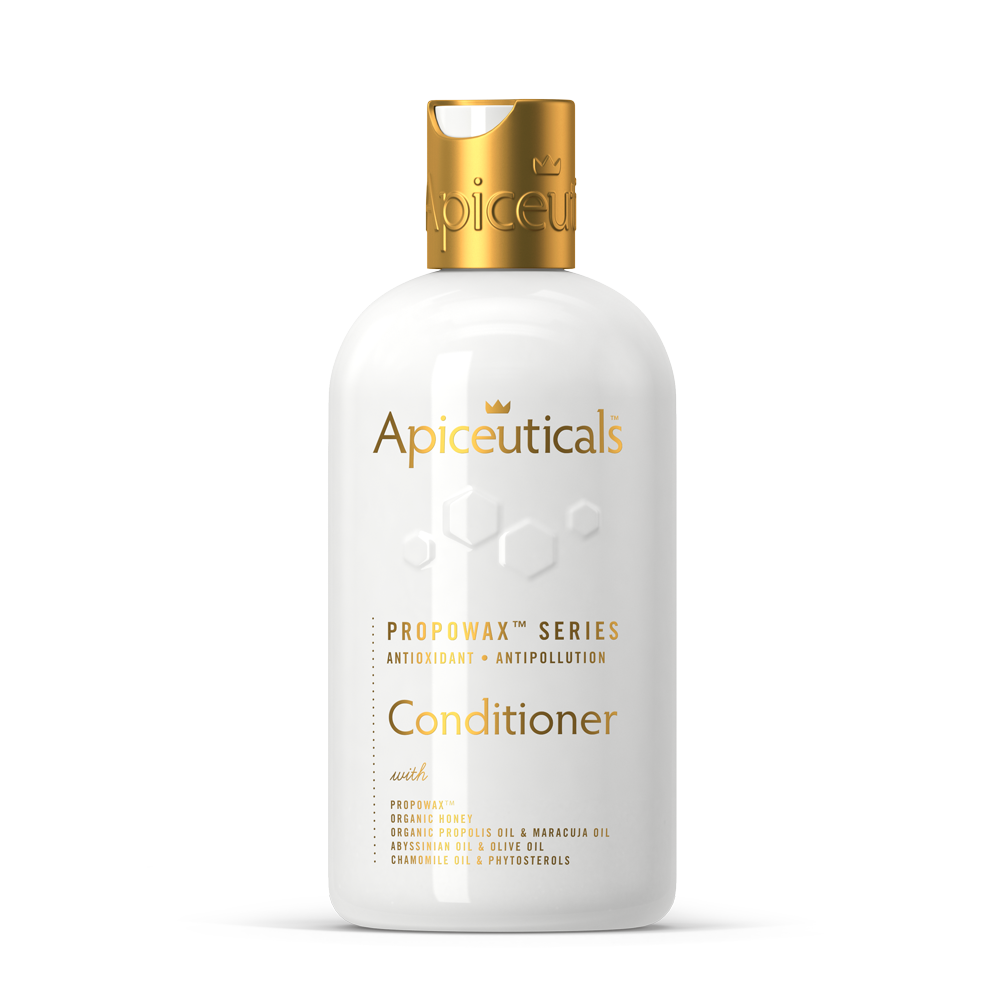
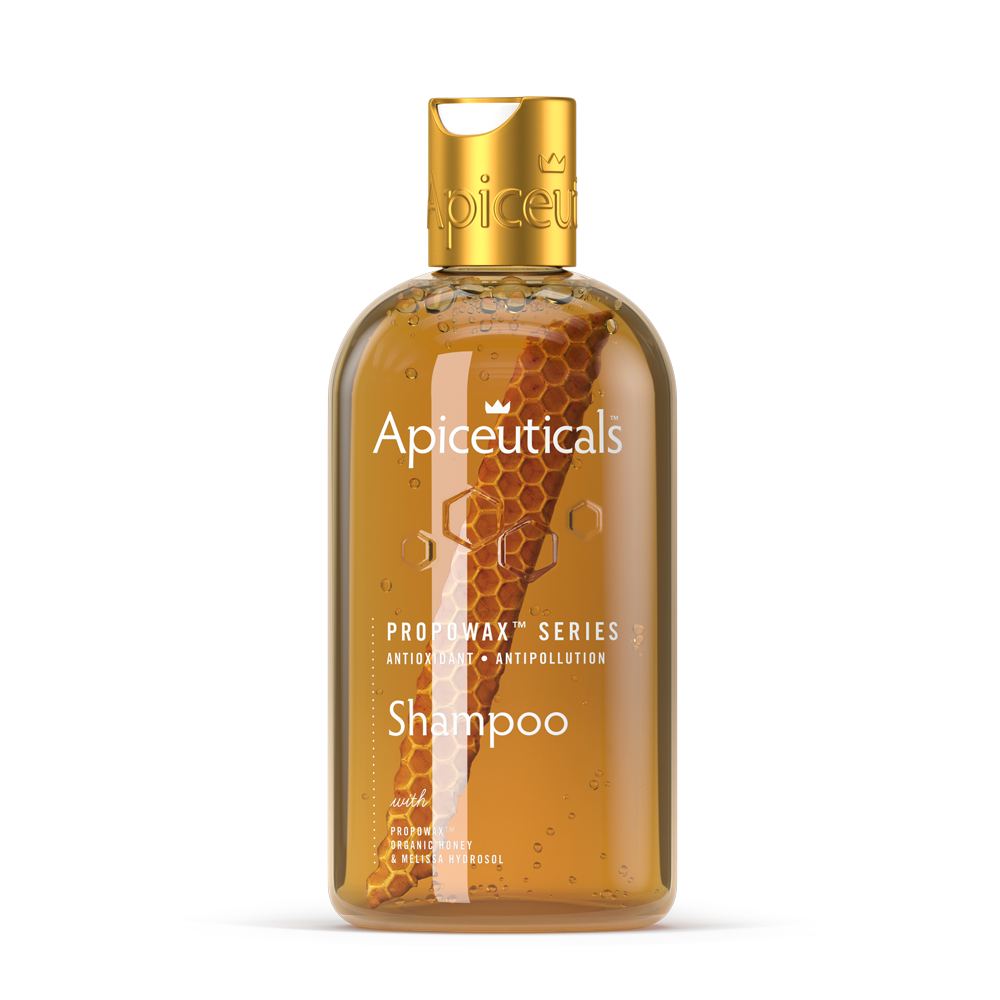
For topical antioxidant support, the brand’s PROPOWAX™ technology applies the same phenolic science to skin, scalp, and hair through a patented Living Honeycomb structure that releases antioxidants continuously rather than in a single application. The two forms serve different goals: the honey is a food-grade antioxidant source for daily oral use, while PROPOWAX™ formulations target skin directly. Explore the full antioxidant skincare range to see which fits your routine, or start with the heather honey jar itself and build from there.
Primary Sources and Recommended Reading
- The In Vitro Antioxidant and Immunomodulatory Effects of the Irish Monofloral Ivy and Heather Honey Varieties — peer-reviewed cell-study data
- Food Chemistry — analytical comparisons of monofloral honey phenolics — DOI-listed phenolic analysis
- Trinity College Dublin — health benefits of Irish heather honey — university research summary
- CAB Digital Library — laboratory antimicrobial data — inhibition zone measurements
- Raw Honey Guide — heather honey properties and thixotropy — consumer-facing reference
This article is general information, not a substitute for advice from a qualified doctor. Consult a qualified healthcare professional about your own circumstances before acting on anything here.
Sources
- The In Vitro Antioxidant and Immunomodulatory Effects of the Irish Monofloral Ivy and Heather Honey Varieties
- Health benefits of Irish heather honey comparable to those of Manuka honey – Trinity College Dublin
- Food Chemistry — analytical comparisons of monofloral honey phenolics (DOI)
- CAB Abstract / Laboratory data on honey antimicrobial activity
FAQ
Is heather honey good for you?
Yes, for most healthy adults. Its high phenolic content and documented antimicrobial and antioxidant activity make it a nutritionally interesting honey, though it should not replace medical treatment for existing conditions.
What is the difference between honey and heather honey?
Standard multifloral honey blends nectar from many plants, while heather honey comes specifically from Calluna vulgaris and carries notably higher phenolic content, elevated protein, and a distinctive gel-like texture.
Is Scottish heather honey as good as Manuka honey?
Research on Irish heather honey found its total phenolic content comparable to Manuka honey in laboratory testing, though the two use different primary antimicrobial mechanisms and have been studied to different depths.
Which honey has the most health benefits?
Darker, single-origin monofloral honeys like heather tend to rank highest for phenolic content and antioxidant capacity, since floral origin is the main driver of a honey’s bioactive potential.
Can you use heather honey on your skin?
Yes, as a topical antioxidant mask or wound-care adjunct for minor skin concerns, always after a patch test; deep or infected wounds require medical supervision rather than home application.
How do you know if heather honey is authentic?
Check for the thixotropy gel test: genuine heather honey sets into a soft gel that liquefies when stirred, and the label should specify Calluna vulgaris as the botanical source.
Recommended


Related posts

Explore how a trial lasting 24 weeks and Malassezia research link scalp oxidative stress to shedding, and where PROPOWAX™ fits continuous antioxidant care.

See when silicones smooth hair or build up, and how PROPOWAX™ holds a global patent for highest antioxidant activity, validated by Aristotle University.

Explore mountain honey benefits for skin and body, from floral polyphenols and antioxidant activity to evidence on cough relief, wound care, and safe use.

Propolis delivers stronger antioxidant and antimicrobial action. Royal jelly boosts hydration and repair. Learn which suits your skin or scalp and why...

Pick sulfate-free or sulfate shampoo by your scalp, porosity, and color needs. Read evidence-backed guidance, antioxidant options, and a 4-step switch...