No products in the cart.
Return To Shop
Honey for Athletes: Keep Topical Antioxidants Active After Workouts
Topical honey antioxidants for athletes are effective for supporting skin, scalp, and hair recovery after training, but only when the formulation preserves the compound’s bioactivity from jar to skin. Cellular studies point to real mechanisms, including KEAP1/NRF2 activation and measurable protection against UV and oxidative protein damage. Not every honey-based product delivers on that promise. Stabilized delivery systems, such as the PROPOWAX™ Living Honeycomb built by Apiceuticals, exist precisely to solve the gap between raw honey’s known chemistry and what actually survives in a finished product.
TL;DR:
- Proper formulations utilize stabilization techniques like microencapsulation and continuous-release systems to preserve honey’s antioxidant activity during use and storage.
- Honey extracts reduce UV-induced protein oxidation and activate skin’s own antioxidant defenses through KEAP1/NRF2, supporting recovery after outdoor training.
- Effective products contain 1 to 10% honey, with clear labeling of delivery technology, and avoid additives like fragrance or alcohol that can compromise stability or irritate sensitive skin.
- Post-exercise application on exposed skin, especially face and neck, is most beneficial when done quickly after cooldown with fast-absorbing products, while scalp serums can target buildup from helmets or hats.
- Use skincare products with validated antioxidant activity and dermatological testing, and avoid high-concentration honey formulations that lack stability or proper delivery systems.
Table of Contents
- How Honey Works on Stressed Athletic Skin and Scalp
- Formulation Essentials: Concentration, Stability, and Bioactivity
- When and How to Apply Honey-Based Antioxidants Around Training
- What to Look for on the Label and Common Red Flags
- Safety, Compatibility, and When to See a Professional
- Apiceuticals’ Bee-Science Approach to Athletic Skin Recovery
- Where Apiceuticals’ Products Fit an Athlete’s Routine
- Sources
- FAQ
How Honey Works on Stressed Athletic Skin and Scalp
Training puts skin and scalp through a specific kind of stress. Sweat raises surface pH, friction from gear and repeated motion micro-abrades the barrier, and sun exposure during outdoor sessions compounds oxidative load. Honey’s relevance to that stress comes down to a few measurable actions, not a vague reputation for being soothing.
The clearest mechanism is antioxidant scavenging paired with a more specific effect: honey extracts reduce protein carbonyl formation, a direct marker of oxidative damage to skin proteins, in keratinocytes exposed to UVB. A Journal of Integrative Dermatology study found that honey extracts substantially lowered UVB-induced protein oxidation in HaCaT skin cells, the standard model for human epidermal keratinocytes.
A second, less-discussed pathway matters just as much for recovery. Honey and chamomile extracts can activate the KEAP1/NRF2 antioxidative system inside keratinocytes. NRF2 is the master switch that turns on a cell’s own antioxidant machinery. Honey doesn’t just supply outside antioxidants; it appears to prompt skin cells to produce more of their own defenses, which is a meaningfully different action than simple topical moisturizing.
Honey’s documented skin actions in lab models:
- Reduced protein carbonyl content after UVB exposure in keratinocyte models
- KEAP1 inhibition and NRF2 stabilization, boosting intrinsic antioxidant protein expression
- Attenuated MMP up-regulation (the enzymes that break down collagen) in reconstructed skin exposed to UVB
- Decreased DNA strand breaks in Greek honey extract trials on human skin models
Statistic to note: in the same reconstructed skin research, selected Greek honey extracts attenuated up-regulation of MMP-3, MMP-7, and MMP-9, the collagen-degrading enzymes most associated with premature skin aging after UV exposure. For anyone training outdoors through summer months, that MMP suppression is arguably more relevant than any surface hydration claim.
Formulation Essentials: Concentration, Stability, and Bioactivity
Honey’s chemistry works against it the moment a chemist tries to put it in a jar. It has a low glass transition temperature, high viscosity, and pronounced hygroscopicity, meaning it pulls in moisture and resists staying put in a stable emulsion. Left unaddressed, those properties are exactly why raw honey applied to skin feels sticky rather than absorbing cleanly, a problem documented in formulation research on engineered honey derivatives.
Concentration is the other variable that separates a real antioxidant product from a marketing claim. Cosmetic formulations typically use 1 to 10% honey, while therapeutic or medical-grade topical treatments can run up to about 70%. That gap exists for good reason: higher concentrations intensify stickiness, alter pH, and demand more careful stabilization to avoid degrading the antioxidant compounds during manufacturing.
For an athlete, this technical detail has practical consequences. Heat, repeated sweat exposure, and frequent reapplication all stress a formulation the same way UV stresses skin.
What preserves honey’s activity in a finished product:
- Microencapsulation of active compounds to shield them from heat and moisture
- Low-temperature extraction methods that avoid degrading heat-sensitive antioxidants
- Waterless or near-waterless formats that reduce water activity and slow degradation
- Continuous-release delivery systems, rather than a single bolus of active ingredient at application
Pro Tip: Check whether a product names its delivery technology specifically. “Honey extract” on an ingredient list tells you nothing about concentration or stability; a named, patent-referenced system tells you the brand solved the stickiness and shelf-life problem on purpose.
PROPOWAX™ Living Honeycomb, used across Apiceuticals’s PROPOWAX™ Series, approaches this as a continuous-release system rather than a one-time dose, which matters more for training bodies than for skin sitting still indoors.
When and How to Apply Honey-Based Antioxidants Around Training
Timing matters almost as much as formulation. Skin and scalp are most receptive to antioxidant support in the window right after exercise, when sweat has already stripped some surface lipids and oxidative stress is at its peak from the workout itself.
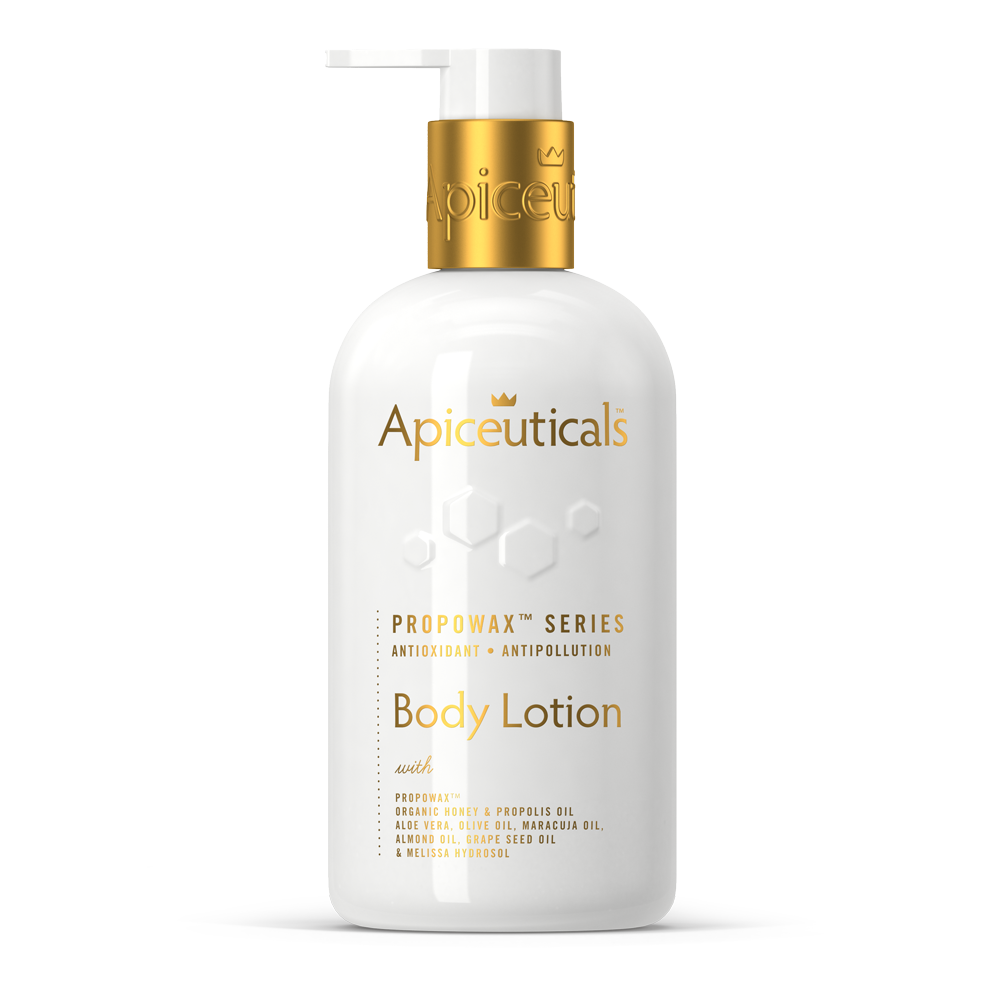
- Post-cooldown, before you shower. A light antioxidant pass on exposed skin, especially face, neck, and forearms, catches oxidative stress before it compounds. This works best with a fast-absorbing lotion or serum rather than a heavy balm.
- After cleansing, while skin is still slightly damp. This is the moment for a targeted, waterless balm application, since a clean barrier absorbs concentrated actives more evenly than sweat-covered skin.
- On the scalp, two to three times weekly for heavy sweaters. A lightweight scalp serum applied at the roots after a wash addresses the buildup that heavy training and helmet or hat use can cause, without weighing down hair.
Three routine examples show how this maps to different training profiles. An outdoor endurance runner benefits most from a fast-absorbing post-run lotion applied immediately after cooldown, before UV-driven oxidative stress has time to set in. A gym-based strength athlete showering after every session gets more value from a waterless balm applied post-cleanse, targeting knees, elbows, and any friction-prone zones. A cyclist or athlete wearing headgear for hours needs the scalp serum in rotation, since trapped sweat and heat under a helmet create a distinct kind of scalp stress that facial products don’t address.
What to Look for on the Label and Common Red Flags
A useful topical honey product tells you what it contains and why. Vague labeling is the first warning sign worth taking seriously.
Signals worth trusting:
- A stated honey percentage, not just “contains honey” or “honey extract”
- A named delivery technology, such as PROPOWAX™ or a documented microencapsulation method
- Dermatological testing data, ideally with a stated irritation outcome
- Independent lab validation of antioxidant activity, not just an in-house claim
Red flags to skip:
- “Honey extract” with no percentage anywhere on the packaging or product page
- Unresolved stickiness with no formulation explanation for why that’s the case
- Added fragrance or alcohol-heavy bases layered onto a “sensitive skin” claim
Safety, Compatibility, and When to See a Professional
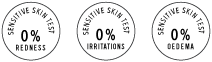
Topical honey is generally well tolerated, but dermatological testing is what separates a checkable claim from marketing language. Apiceuticals formulations are dermatologically tested on sensitive skin with a documented 0% irritation result, a standard every honey-based product claiming suitability for post-workout use should be able to point to.
A few situations call for caution rather than routine application:
- Broken skin or open wounds: use medical-grade honey formulations designed for wound care, or consult a clinician, rather than a cosmetic product.
- Active retinoid or chemical exfoliant use: layering a new antioxidant honey product on top of strong actives can increase sensitivity; introduce gradually.
- Persistent redness or irritation after training: see a dermatologist or sports medicine clinician rather than assuming any topical product will resolve an underlying skin condition.
Reviews of honey’s dermatological uses note that while wound-healing evidence is strong, randomized trial data for broader cosmetic antioxidant use is still developing, so realistic expectations matter as much as good formulation.
Apiceuticals’ Bee-Science Approach to Athletic Skin Recovery

Apiceuticals was built on beekeeping practiced by the Roumeliotis family in Arcadia since 1981, long before “antioxidant skincare” was a category anyone marketed. That heritage led to PROPOWAX™, a Living Honeycomb antioxidant delivery system holding global patent for and highest antioxidant activity in cosmetics, independently validated by the Aristotle University of Thessaloniki.
For athletes specifically, the case for continuous release over a single application is straightforward: sweat and heat degrade free bioactives fast, and a product that releases antioxidants steadily outperforms one that delivers everything at once and fades within an hour. That’s the working thesis behind the PROPOWAX™ Series, and it’s a claim built on formulation logic, not sentiment.
— Apiceuticals
Where Apiceuticals’ Products Fit an Athlete’s Routine
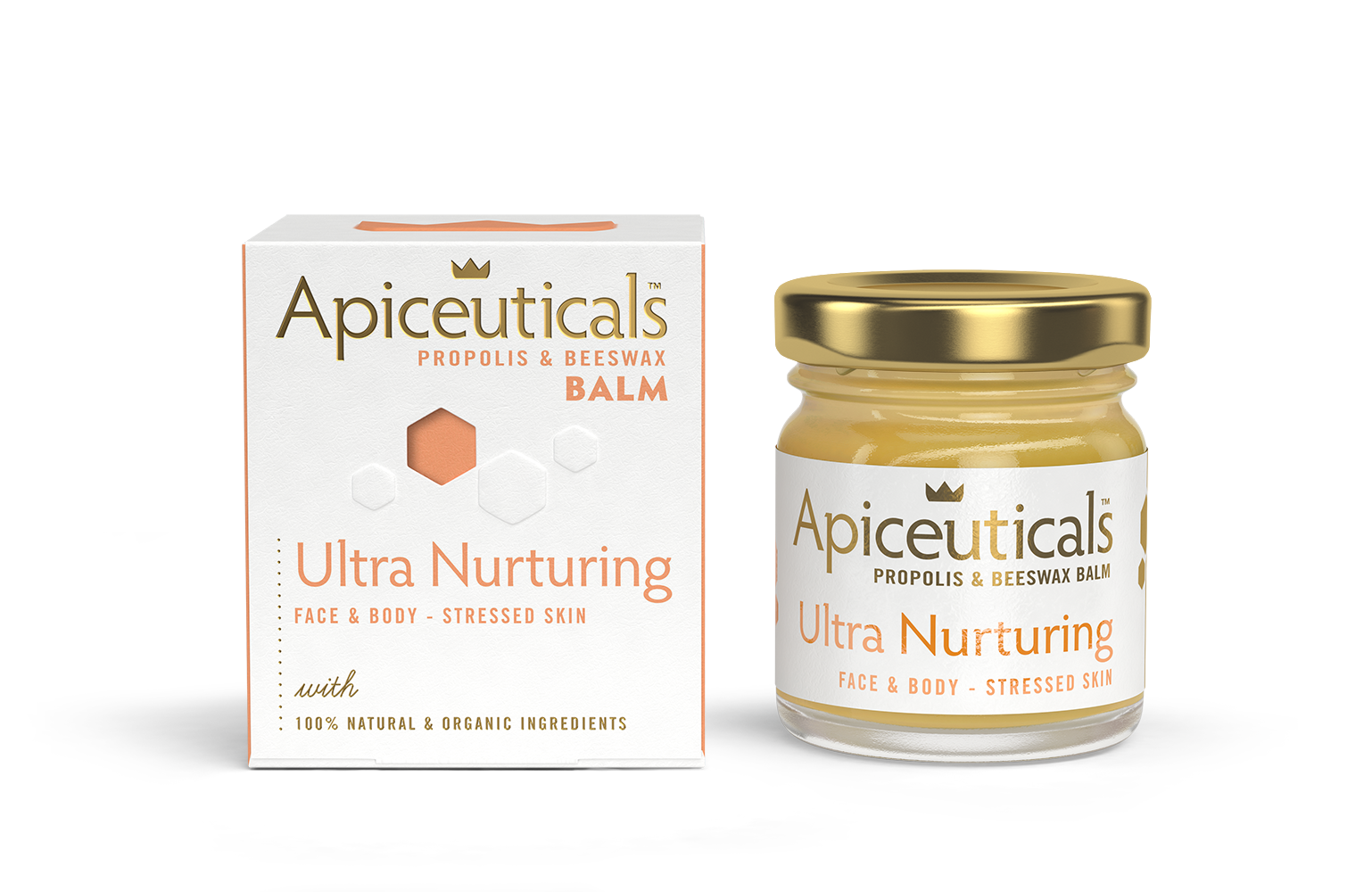
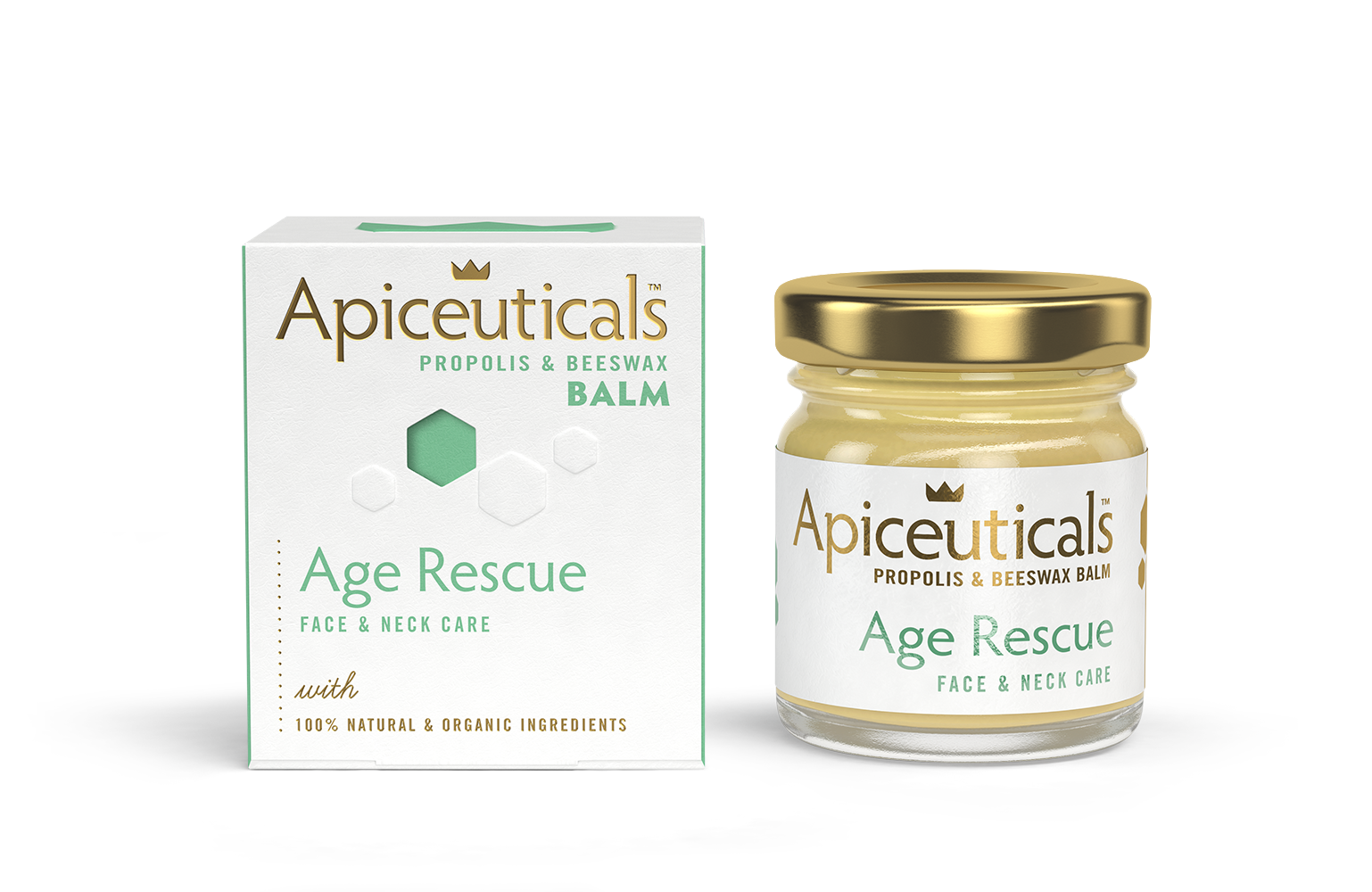
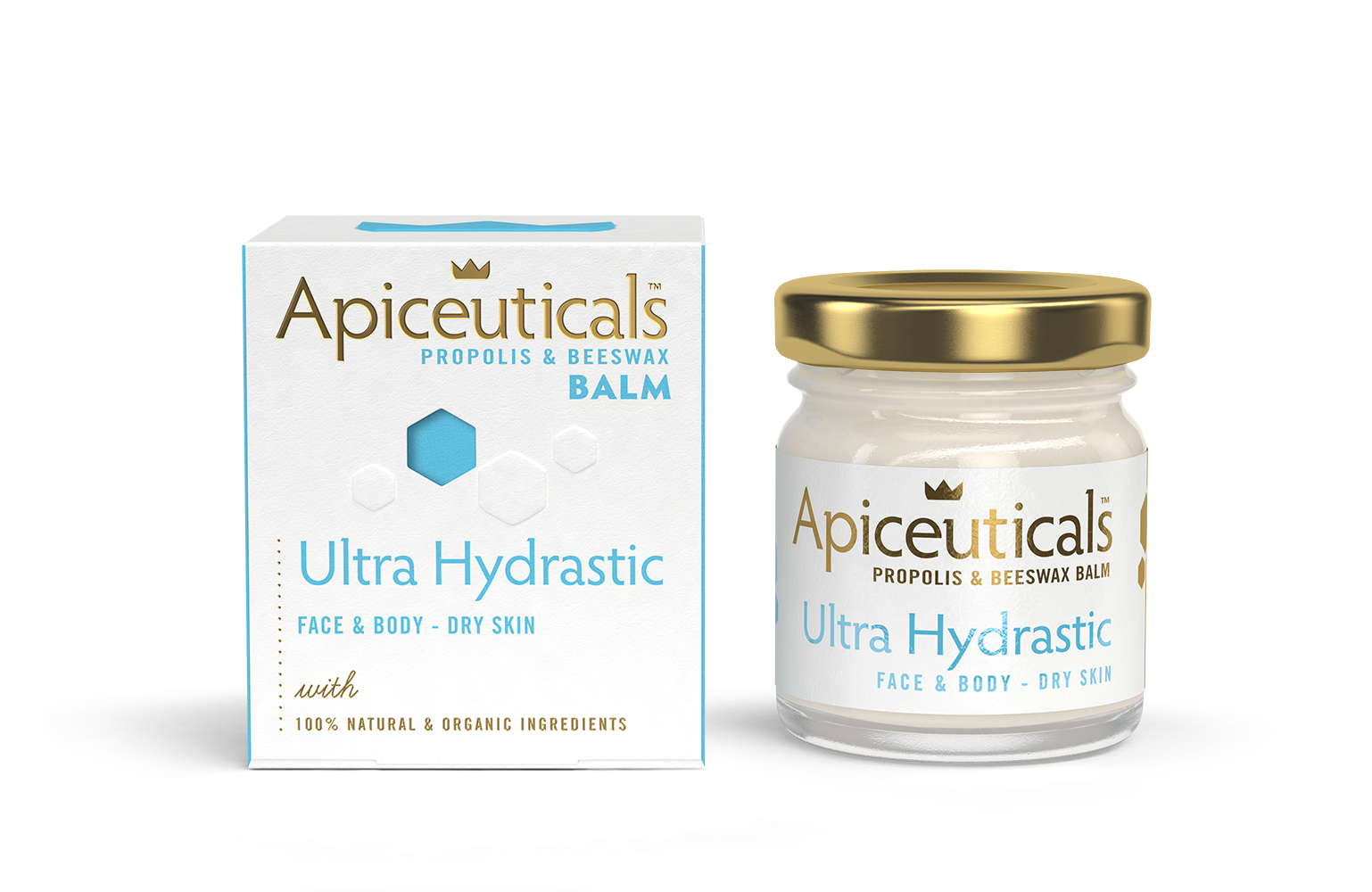
Matching product type to training demand is simpler than most routines make it look. The HONEY BALM™ Series works as a concentrated, waterless rescue for post-workout skin, formulated for targeted antioxidant release exactly where friction and UV exposure concentrate damage, and backed by clinical data showing 26% wrinkle reduction over time.
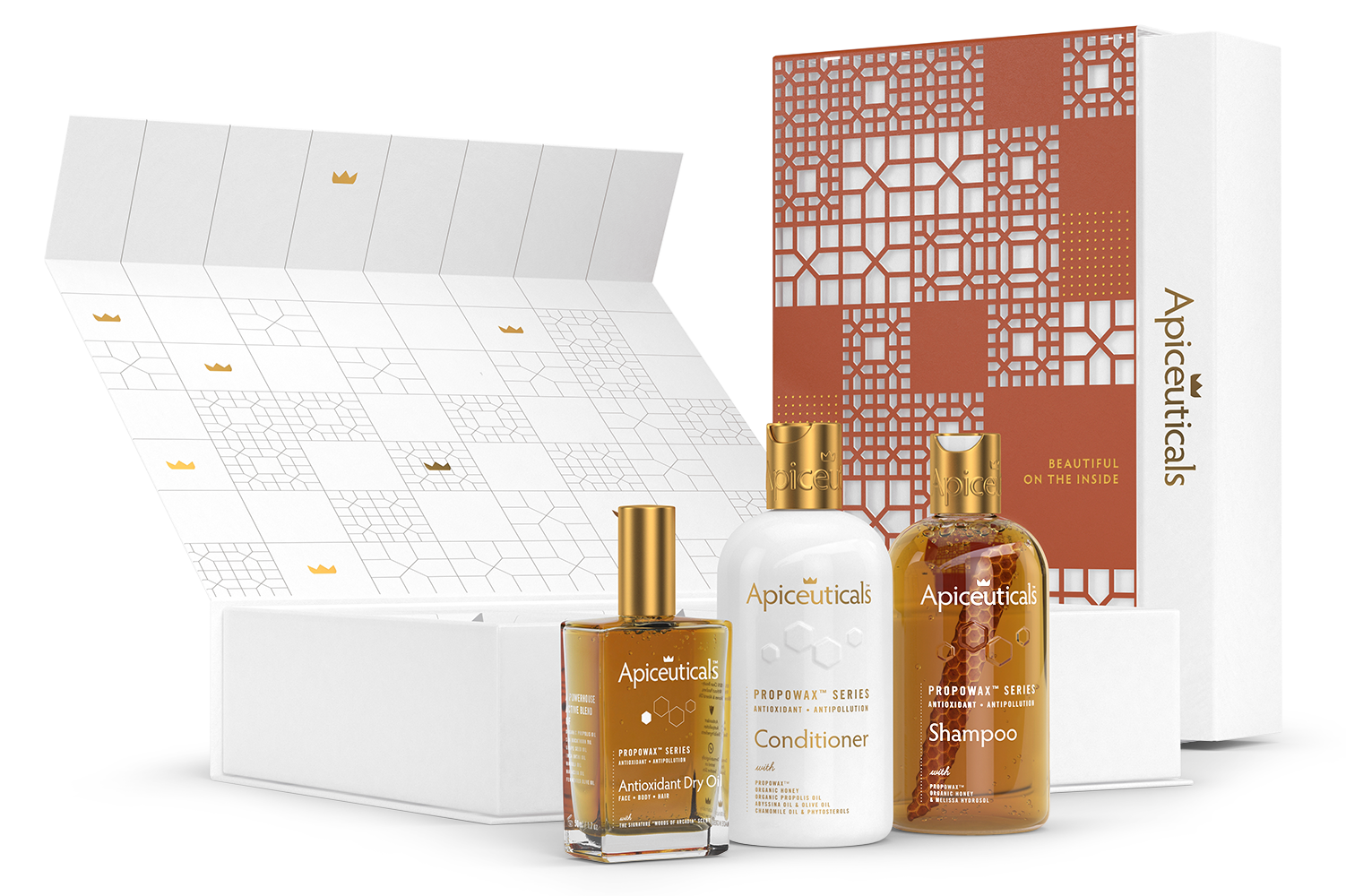
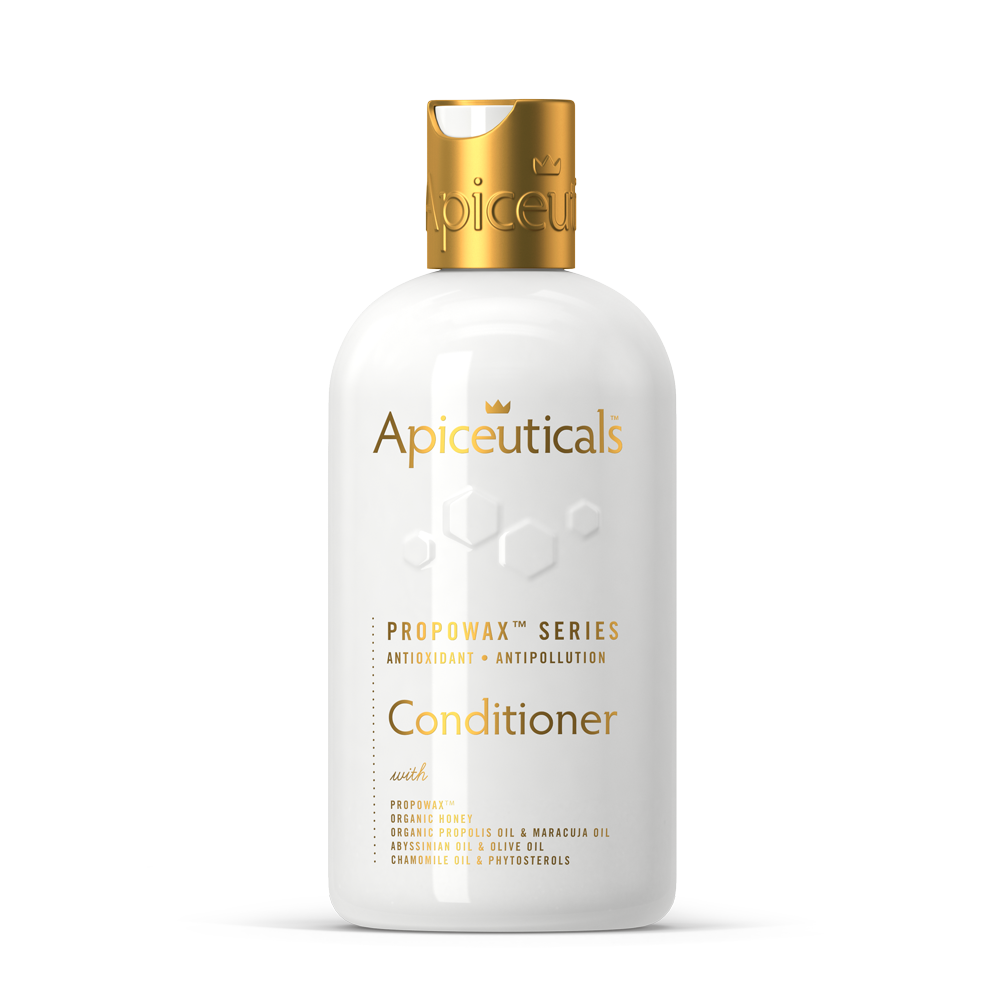
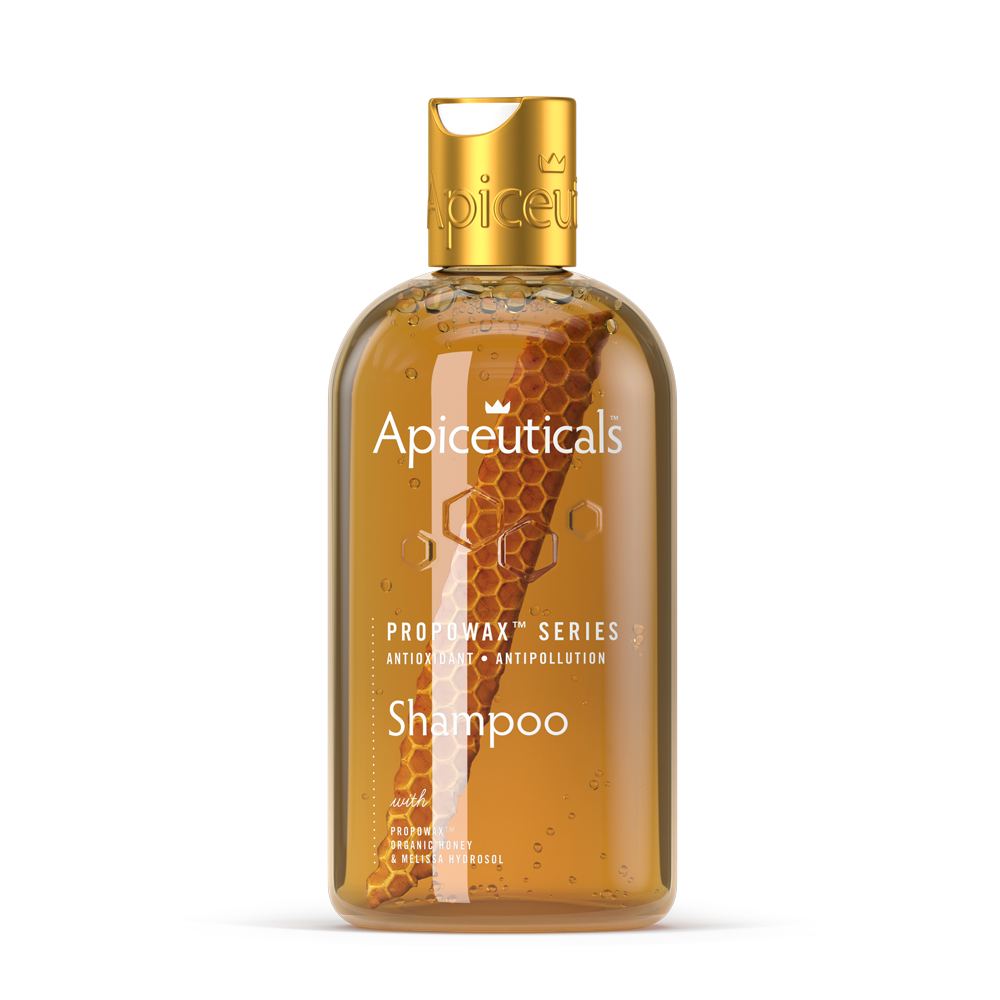
For scalp and hair carrying the brunt of sweat and heat, the PROPOWAX™ Series delivers continuous antioxidant support through the same Living Honeycomb technology, rather than a single upfront dose that fades before the next session. Both lines exclude SLS, SLES, parabens, silicones, and mineral oils, and carry the same dermatological testing standard referenced earlier. If you’re building a full antioxidant routine around training rather than a single product, the skin oxidation prevention guide walks through how to sequence these actives across a week. Start by identifying which zone takes the most punishment in your sport, then shop the corresponding line directly from the PROPOWAX™ technology page.
Key Research Backing Topical Honey Antioxidant Claims
- KEAP1/NRF2 activation study — mechanism behind honey’s intrinsic antioxidant priming
- UVB protein oxidation research — direct evidence of reduced oxidative damage
- Cosmetic concentration review — sourcing for 1 to 10% versus 70% formulation ranges
- UVB photoprotection in skin models — MMP and DNA damage attenuation data
- Dermatological therapeutic potential review — context on evidence limits beyond wound care
Sources
- Journal of Integrative Dermatology study on honey and protein oxidation
- Honey in dermatology and skin care: a review (PubMed)
- Honey and chamomile activate keratinocyte antioxidative responses via KEAP1/NRF2 (PubMed)
- MOSY PHYCOLLREPAIR safety and efficacy evaluation (PMC)
FAQ
Is Honey Good for Athletes’ Skin After Training?
Yes, when applied as a stabilized topical antioxidant. Research shows honey extracts reduce UVB-induced protein oxidation and support the skin’s own antioxidant defenses through KEAP1/NRF2 activation.
What Is the Best Honey Concentration for Skin Recovery?
Cosmetic products typically use 1 to 10% honey, which is sufficient for daily antioxidant support without the stickiness or sensitivity risk of higher therapeutic concentrations.
Can I Use Honey Pre Workout on My Skin?
Honey-based antioxidant products are more useful post-workout, when oxidative stress from exercise and UV exposure peaks, rather than as a pre-workout skin treatment.
Does Topical Honey Help With Scalp Sweat and Buildup?
A lightweight honey-based scalp serum applied two to three times weekly can help address the buildup and irritation heavy sweating and headgear cause during training.
Is PROPOWAX™ Different From Regular Honey Skincare?
Yes. PROPOWAX™ Living Honeycomb is a patented continuous-release antioxidant delivery system, validated by the Aristotle University of Thessaloniki for the highest antioxidant activity recorded in a cosmetic formulation.
Recommended


Related posts

Explore how a trial lasting 24 weeks and Malassezia research link scalp oxidative stress to shedding, and where PROPOWAX™ fits continuous antioxidant care.

See when silicones smooth hair or build up, and how PROPOWAX™ holds a global patent for highest antioxidant activity, validated by Aristotle University.

Explore mountain honey benefits for skin and body, from floral polyphenols and antioxidant activity to evidence on cough relief, wound care, and safe use.

Propolis delivers stronger antioxidant and antimicrobial action. Royal jelly boosts hydration and repair. Learn which suits your skin or scalp and why...

Pick sulfate-free or sulfate shampoo by your scalp, porosity, and color needs. Read evidence-backed guidance, antioxidant options, and a 4-step switch...