No products in the cart.
Return To Shop
4 Real Honey Hair Mask Benefits Backed by Science
Honey hair mask benefits come down to four measurable effects: deep moisture retention, smoother cuticles that read as shine, reduced frizz, and calmer, less flaky scalp skin. Honey works best on dry or dull hair and as a mild adjunct for scalp irritation, including early-stage seborrheic dermatitis. It is not a substitute for dermatological care, and anyone with bee or pollen allergies should patch test before applying it anywhere near the scalp.
TL;DR:
- Honey is most effective for dry or dull hair, providing moisture, smoothing cuticles, and reducing frizz, especially with a weekly routine.
- Diluted honey solutions similar to clinical trials (about 90% honey with water) improve scalp itching, scaling, and hair loss in seborrheic dermatitis within four weeks.
- Applying honey on damp hair enhances distribution, with over 120°F temperature destroying its antimicrobial enzyme, so gentle warming is essential.
- Patch testing and caution are necessary for allergy sufferers, as honey can cause residue buildup, and long-term exposure may subtly lighten color-treated hair.
- Formulated antioxidant products like PROPOWAX™ offer sustained benefits beyond immediate moisture and antimicrobial effects, supporting ongoing scalp and hair health.
Table of Contents
- How Does Honey Actually Work on Hair and Scalp?
- What Does the Clinical Research Actually Show?
- How Do You Prepare and Apply a Honey Hair Mask?
- What Are the Best DIY Honey Hair Mask Recipes?
- What Are the Risks of Honey Hair Masks?
- Why Apiceuticals Sees Honey Masks as a Starting Point, Not the Whole Story
- Where to Find Formulated Honey and Antioxidant Haircare
- Sources
- FAQ
How Does Honey Actually Work on Hair and Scalp?
Honey’s reputation as a hair fixer isn’t folklore. It comes down to a short list of biochemical properties that behave predictably once you understand them.
Honey is a humectant, meaning its sugar molecules pull water from the air and hold it against the hair shaft. That’s the mechanism behind the softness people notice after a honey mask: strands that were dehydrated and rough suddenly have a moisture reservoir sitting on their surface. This matters most for fine, porous, or color-treated hair, where the cuticle has more microscopic gaps for water to escape from in the first place.
Raw honey also carries measurable antioxidant compounds, which matters because oxidative stress from ultraviolet exposure and styling heat degrades the proteins and lipids that keep the cuticle sealed. Left unchecked, that damage looks a lot like rust forming on exposed metal: a slow, cumulative dulling of what should be a reflective surface.
A more specific mechanism involves an enzyme called glucose oxidase, which raw honey contains naturally. When honey is diluted with water, this enzyme generates a low, steady release of hydrogen peroxide, which is what gives honey its mild antimicrobial and antifungal activity. That’s directly relevant to scalp conditions linked to fungal overgrowth, including dandruff and seborrheic dermatitis.
- Honey’s acidity, roughly pH 3.2 to 4.5, helps flatten the cuticle layer, which is why hair looks smoother and shinier after treatment.
- Fine or oily hair generally needs a lighter, more diluted application, while thick, coarse, or curly hair tolerates and often benefits from richer, oil-blended versions.
A quick fact worth remembering: the same enzyme responsible for honey’s antimicrobial effect, glucose oxidase, is heat-sensitive and breaks down above roughly 120°F (49°C), which is the single most common mistake people make when warming honey masks at home.
What Does the Clinical Research Actually Show?
The most cited study on topical honey for scalp health is a small clinical trial testing a diluted raw honey solution, 90% honey to 10% warm water, applied directly to the scalp of patients with seborrheic dermatitis. Participants saw marked improvement in itching, scaling, and hair loss within four weeks, a meaningful result given how stubborn that condition usually is to manage with over-the-counter shampoos alone.

Broader review literature backs the antimicrobial and moisture-related mechanisms but is far more cautious about hair growth claims specifically. Evidence supports honey as an effective humectant and cuticle-smoothing agent that improves softness and shine, but the case for honey alone triggering new hair growth remains thin.
A few caveats matter here:
- The seborrheic dermatitis trial was small, and its protocol used a specific dilution and duration, not a casual weekly mask.
- Reviewers consistently frame honey as supportive care, useful alongside, not instead of, prescribed treatments for moderate to severe scalp disease.
- Persistent flaking, pain, or hair loss deserves a dermatologist’s evaluation before any DIY protocol becomes the primary plan.
How Do You Prepare and Apply a Honey Hair Mask?
Getting the mechanics right is what separates a honey mask that actually works from one that just leaves a sticky mess in the shower drain.
- Start on damp, not soaking wet, hair. Water that’s already pooling on strands dilutes the mask unevenly and makes even distribution harder, so towel dry first until hair is just damp.
- Warm gently, never heat aggressively. If you’re loosening honey to mix it, use lukewarm water only. Anything above 120°F (49°C) destroys the glucose oxidase enzyme that gives raw honey its antimicrobial edge.
- Choose your dilution based on the goal. A scalp-focused treatment for irritation or flaking calls for a strong dilution, close to the 90% honey, 10% warm water ratio used in clinical testing. A conditioning mask for dry ends tolerates a thicker, oil-blended mix.
- Time it to the purpose. Scalp protocols aimed at irritation typically stay on for shorter, more frequent sessions, while conditioning or protein masks for texture and shine usually sit for 15 to 45 minutes.
- Rinse thoroughly, twice if needed. Honey’s stickiness means residue is common, especially in fine hair, so follow with a gentle shampoo and a second rinse if strands still feel tacky.
Pro Tip: Keep a small kitchen thermometer near your mixing bowl. Guessing at “warm” water is how most people accidentally overheat the mix and cancel out the antimicrobial benefit they were trying to get in the first place.
What Are the Best DIY Honey Hair Mask Recipes?
Different goals call for different ratios. Here are four tested combinations built around what the research actually supports.
- Moisture mask: Mix two tablespoons of raw honey with one tablespoon of coconut oil or olive oil. This suits dry, brittle, or color-treated hair and leans on honey’s humectant pull plus the oil’s occlusive seal.
- Protein mask: Combine one tablespoon of honey with one whole egg. Apply to dry or damp hair for 15 to 20 minutes, no longer, since egg proteins can start to set and become difficult to rinse. Limit to once every two weeks, and avoid on chemically lightened hair, since repeated egg protein use can build up and cause stiffness.
- Scalp-soothing rinse: Dilute raw honey at roughly 90% honey to 10% warm water, matching the clinical protocol used in the seborrheic dermatitis trial. Massage into the scalp, not the length of hair, and follow the same shorter-duration, frequent-application pattern used in that study.
- Clarifying mask: Blend one tablespoon of honey with one teaspoon of apple cider vinegar for oily scalps or product buildup. Limit this to once weekly, since the vinegar’s acidity can be drying with overuse.
- Fine hair benefits from lighter, water-based versions of any of these.
- Coarse or curly hair generally tolerates, and often needs, the oil-heavier variations for the same amount of humectant benefit to reach the ends.
What Are the Risks of Honey Hair Masks?
Honey is generally well tolerated, but it isn’t risk-free, and skipping the basics is how most bad reactions happen.
- Patch test first. Apply a small amount to the inner wrist or behind the ear and wait 24 to 48 hours, watching for redness, itching, or swelling before using it on your scalp.
- Bee-product allergies matter. Anyone with known allergies to bee stings, pollen, or propolis should be especially cautious, since cross-reactivity is possible.
- Residue builds up with repeated use. Fine hair and thick oil-based recipes are the most likely combination to need a clarifying shampoo afterward.
- Long, repeated exposure can subtly lighten hair, particularly with sun exposure layered on top, so treat this as a consideration for anyone protective of color-treated shades.
- Skip it on broken skin or active scalp disease. Open sores, severe psoriasis, or infected areas need a dermatologist’s guidance, not a kitchen remedy.
Why Apiceuticals Sees Honey Masks as a Starting Point, Not the Whole Story
Honey’s humectant pull and mild antimicrobial action are real, well-documented mechanisms, and The brand traces back to a family beekeeping practice that began in 1981. What raw honey delivers in a single application, a formulated antioxidant approach can sustain over time. That’s the premise behind PROPOWAX™, a patented Living Honeycomb structure validated by the Aristotle University of Thessaloniki for the highest antioxidant activity recorded in cosmetic testing. Where diluted honey offers a moisture and antimicrobial boost in the moment, continuous antioxidant release addresses the slower oxidative damage building at the follicle and cuticle level. Used once or twice weekly, that kind of layered antioxidant care complements, rather than replaces, a honey-based routine.
— Apiceuticals
Where to Find Formulated Honey and Antioxidant Haircare
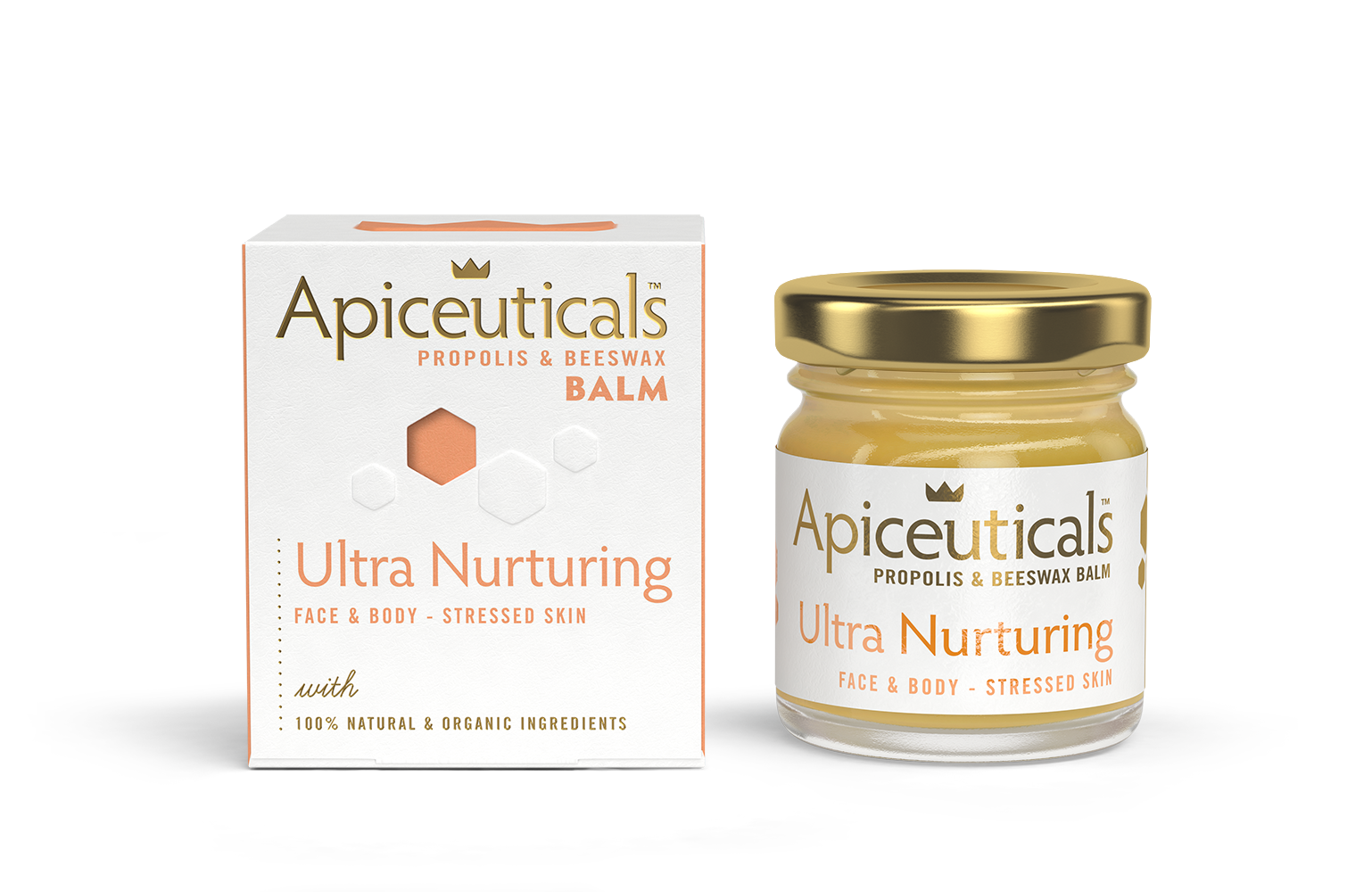
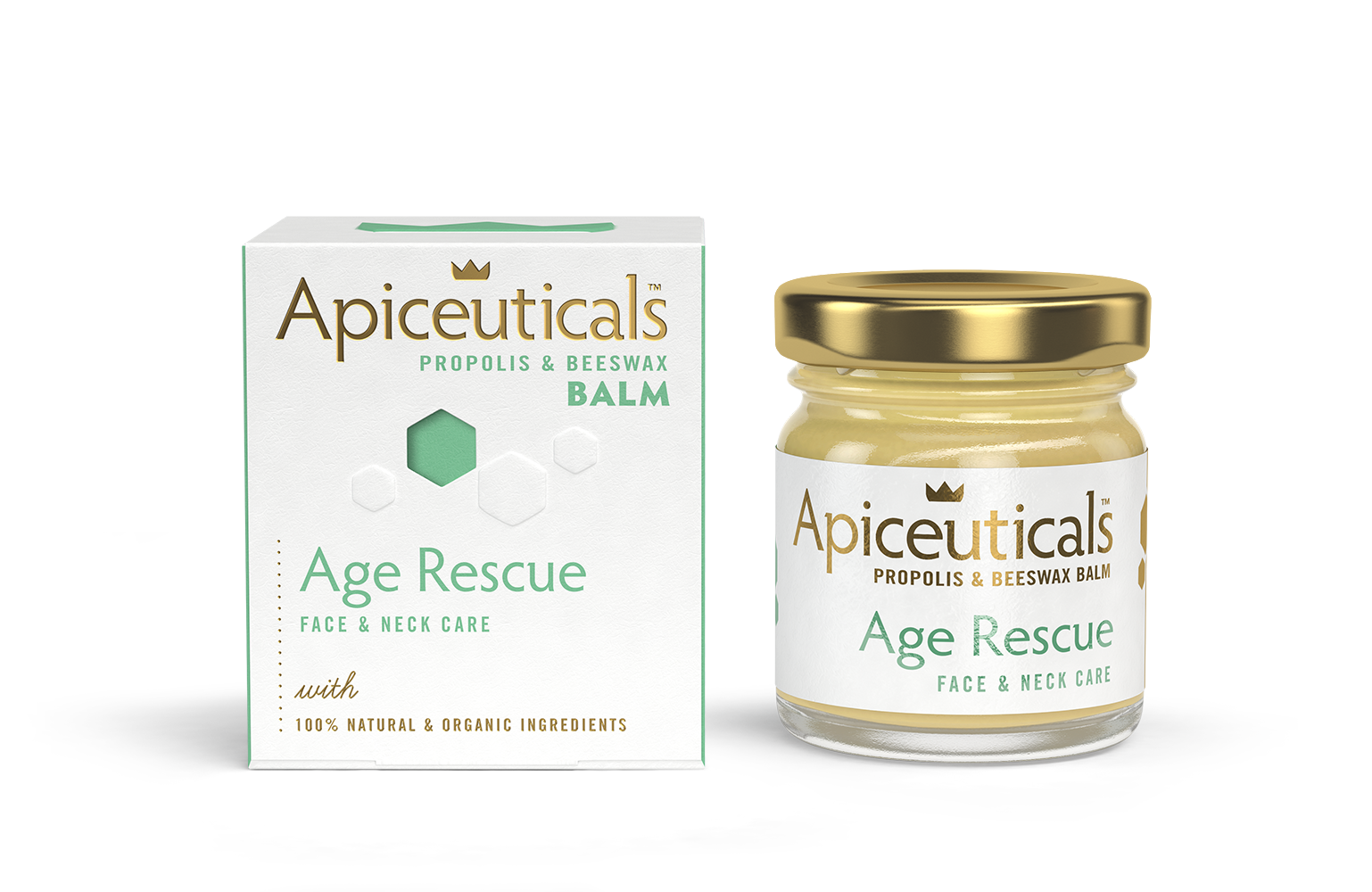
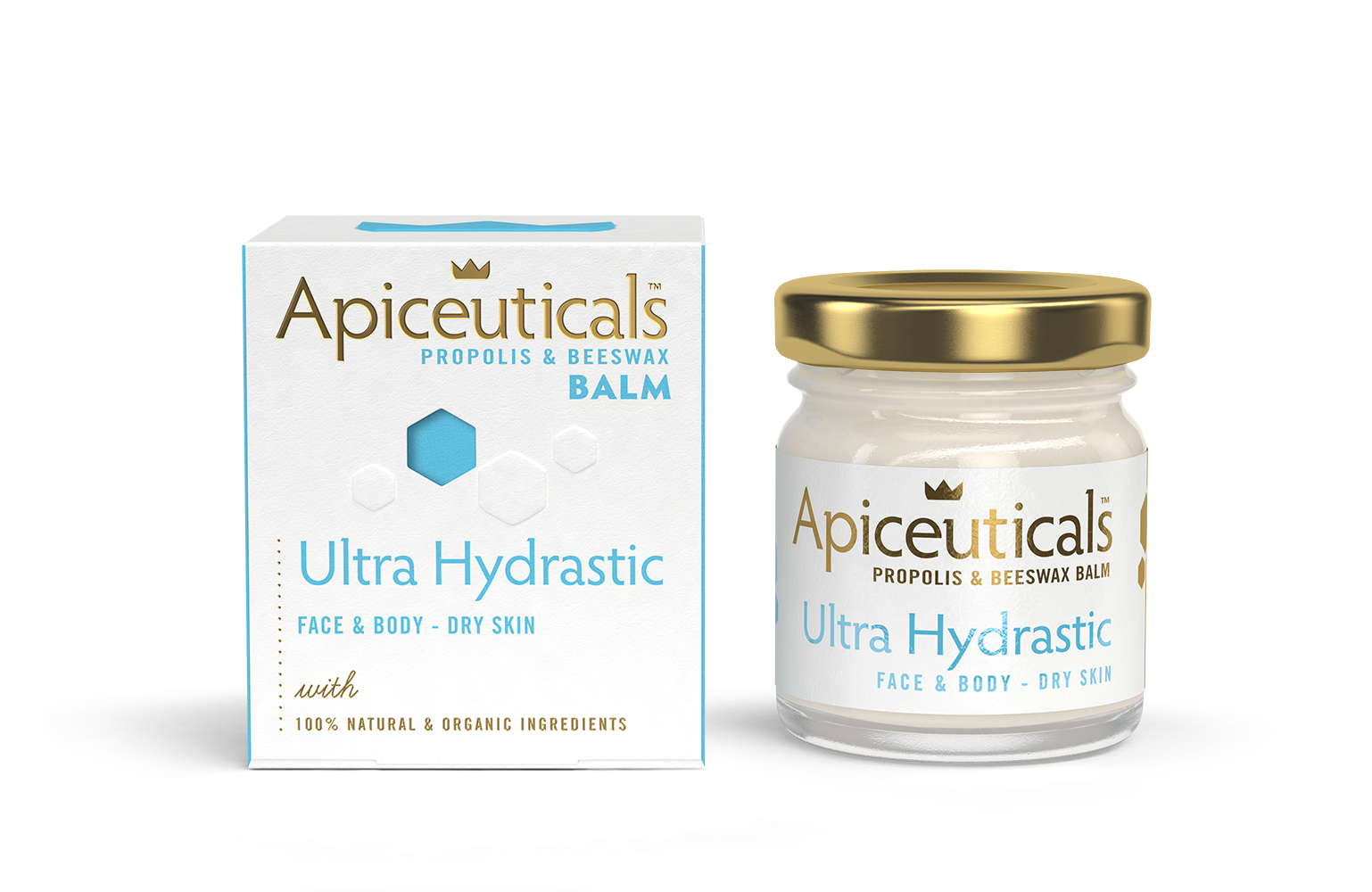
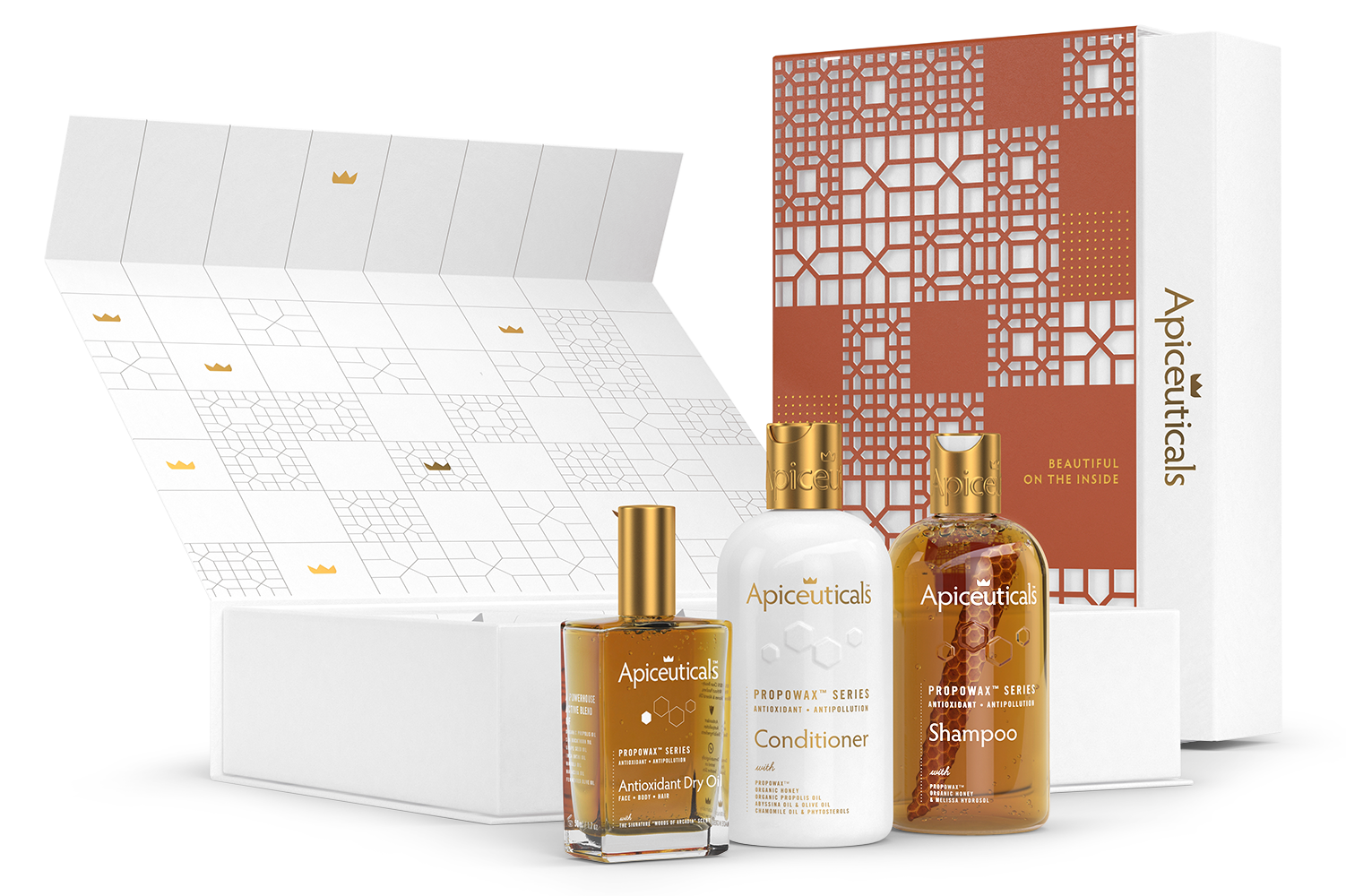
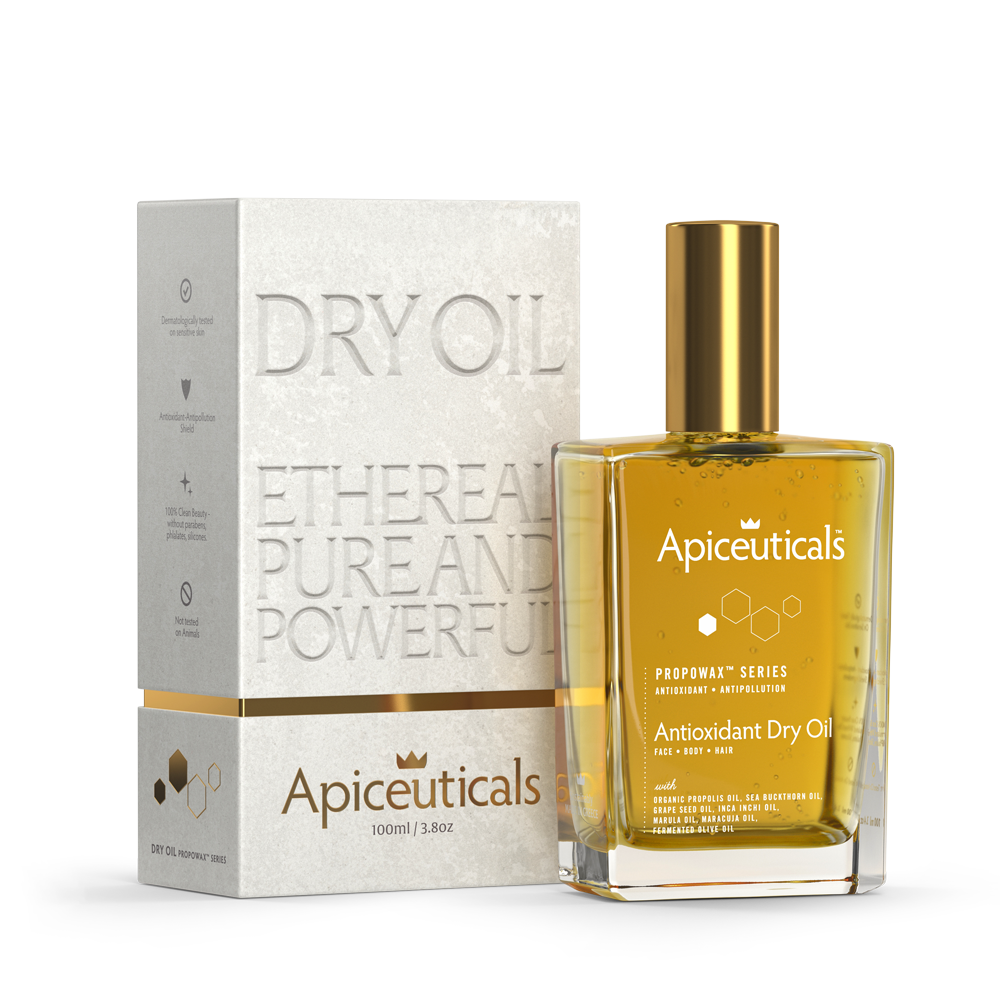
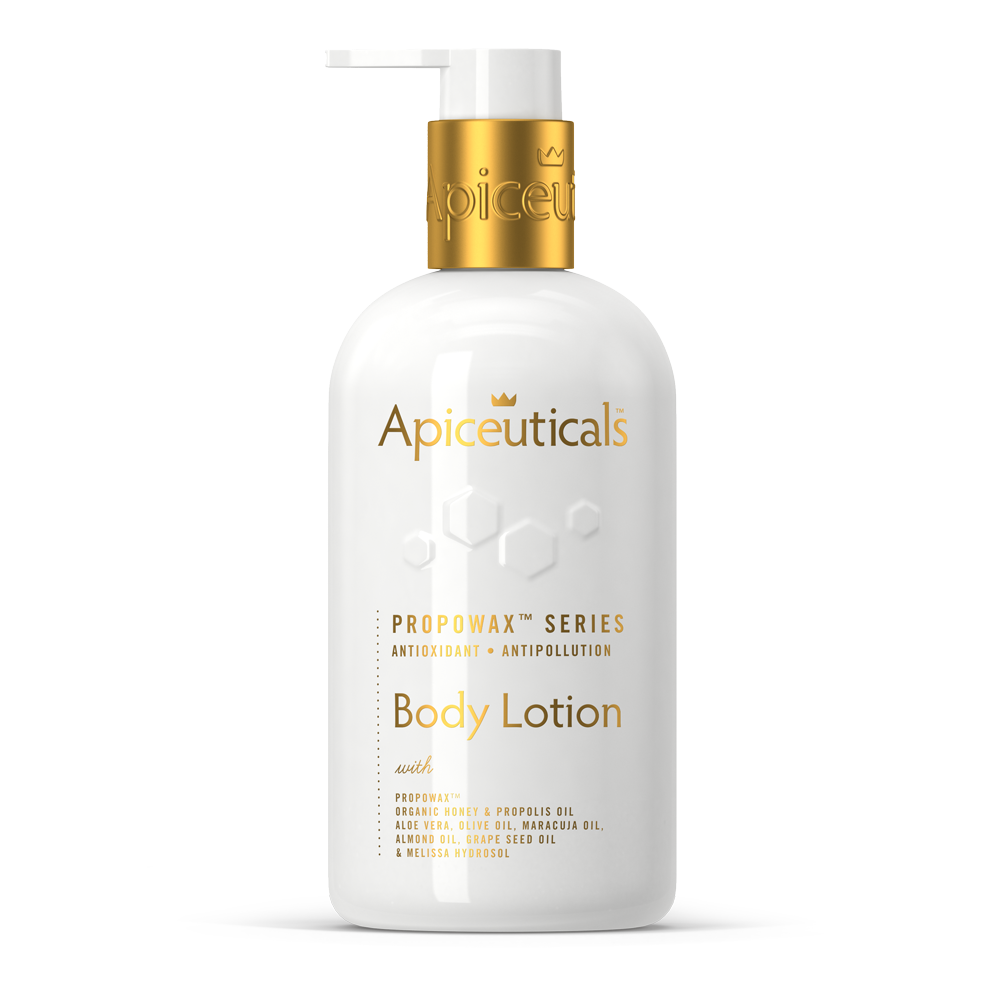
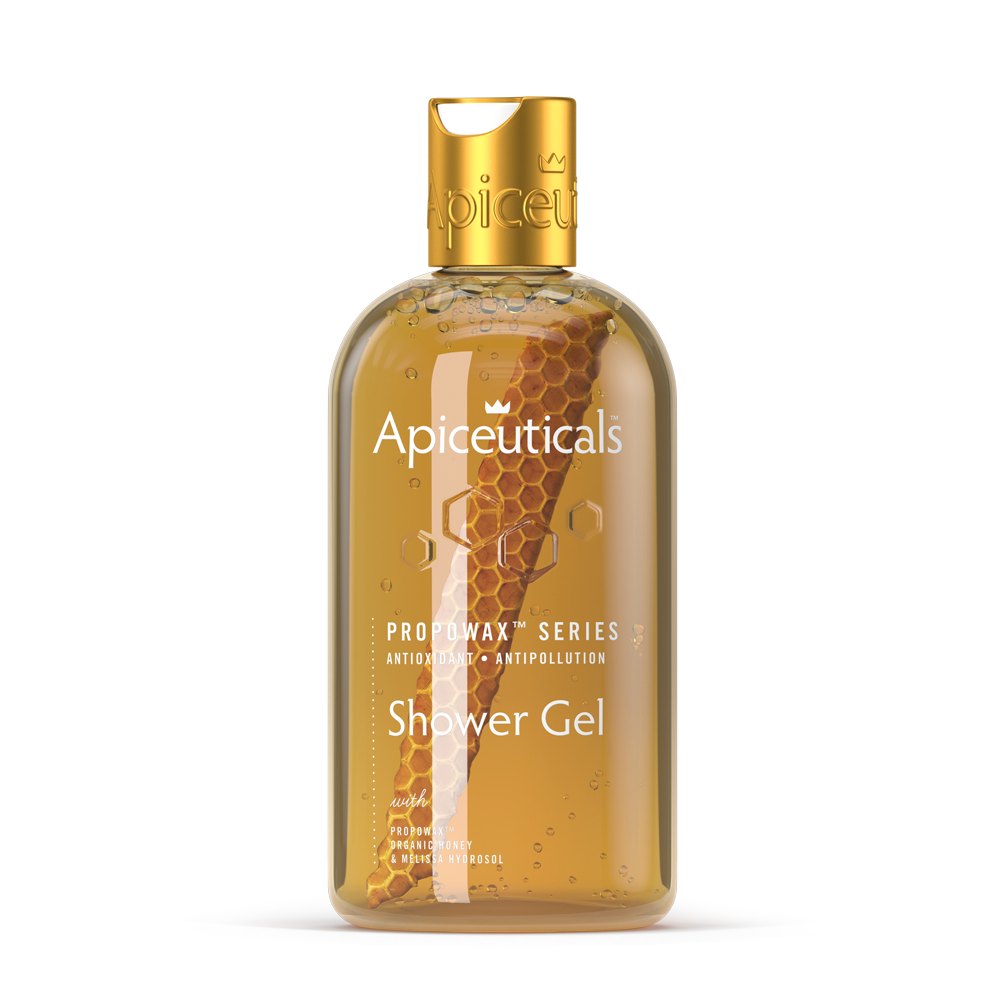
DIY honey masks are worth the counter space, but they demand precise ratios, temperature control, and a willingness to rinse twice on a bad hair day. For readers who want the same antioxidant mechanisms without measuring cups, Apiceuticals formulates its PROPOWAX™ Series around that patented Living Honeycomb structure, built for consistent antioxidant delivery rather than a single weekend treatment.

The brand also sources its raw honey directly from Arcadian hives, the same origin behind the family’s organic beekeeping practice, so the antioxidant and humectant properties described throughout this article are the working basis of the formulas themselves, not an afterthought. If you’re curious how the patented antioxidant delivery technology actually functions at the cuticle level, the PROPOWAX™ technology page breaks down the mechanism in full. Anyone ready to compare a DIY mask against a formulated option can browse the current lineup directly on the Apiceuticals shop.
Primary Sources and Further Reading

This article draws on a clinical trial testing diluted raw honey for seborrheic dermatitis and peer-reviewed reviews on honey’s antimicrobial mechanisms and enzyme sensitivity.
Sources
- PubMed – European Journal of Medical Research clinical trial
- PMC review on honey’s therapeutic properties
FAQ
Is a Honey Mask Good for Your Hair?
Yes, for most hair types, because honey’s humectant and mild antimicrobial properties support moisture retention and scalp comfort. It works best as weekly conditioning care or a targeted scalp treatment, not as a cure for diagnosed scalp disease.
How Long Should You Leave Honey in Your Hair?
Conditioning or protein masks typically stay on for 15 to 45 minutes, while scalp-focused dilutions modeled on the clinical seborrheic dermatitis protocol use shorter, more frequent applications. Leaving honey on overnight isn’t necessary and increases the risk of sticky residue.
Do You Put Honey on Wet or Dry Hair?
Damp hair works best, since it’s dry enough to hold the mask in place but wet enough to help it spread evenly through the strands. Soaking wet hair dilutes the mixture unevenly and reduces how well it clings to the cuticle.
What Are the Disadvantages of Applying Honey to Hair?
The main downsides are stickiness and residue, particularly for fine hair or heavy oil blends, plus the possibility of an allergic reaction in people sensitive to bee products or pollen. Repeated, prolonged use can also mildly lighten hair over time, especially with added sun exposure.
Can Honey Hair Masks Help With Dandruff or Scalp Irritation?
A diluted raw honey rinse, close to a 90% honey and 10% warm water ratio, showed measurable improvement in itching, scaling, and related hair loss within four weeks in clinical testing. It’s best treated as supportive care alongside, not instead of, a dermatologist’s guidance for persistent or severe cases.
How Often Should You Use a Honey Hair Mask?
Once or twice weekly is a reasonable frequency for most conditioning recipes, while clarifying or egg-based protein masks should be limited to once every one to two weeks. Overuse raises the risk of residue buildup and, with protein masks, potential stiffness from repeated application.
Recommended


Related posts

Explore how a trial lasting 24 weeks and Malassezia research link scalp oxidative stress to shedding, and where PROPOWAX™ fits continuous antioxidant care.

See when silicones smooth hair or build up, and how PROPOWAX™ holds a global patent for highest antioxidant activity, validated by Aristotle University.

Explore mountain honey benefits for skin and body, from floral polyphenols and antioxidant activity to evidence on cough relief, wound care, and safe use.

Propolis delivers stronger antioxidant and antimicrobial action. Royal jelly boosts hydration and repair. Learn which suits your skin or scalp and why...

Pick sulfate-free or sulfate shampoo by your scalp, porosity, and color needs. Read evidence-backed guidance, antioxidant options, and a 4-step switch...