No products in the cart.
Return To Shop
Honeydew Honey Benefits: Greek Pine’s Lab Results, Human Limits
Honeydew honey benefits are real at the bench: it generally tests higher than many floral honeys for antioxidants, minerals and oligosaccharides. Its antibacterial results look promising too, though food honey is not medical-grade honey for wounds. Direct human clinical evidence for health outcomes remains limited, and everything depends on botanical origin and processing.
TL;DR:
- Greek pine honey averaged 451.38 mg GAE/kg of phenolics, but sample variation means laboratory results cannot predict every jar or prove human health effects.
- Use one to two teaspoons in place of another sweetener, not on top of it; honey remains added sugar, and benefits appear clearer with substitution.
- Honeydew oligosaccharides may reach gut bacteria, but human trials have not established digestive benefits, and authenticity thresholds are not recommended serving targets.
- Food honey is not sterile or standardized for wound care; use medical grade products under clinical guidance because evidence varies by wound and remains weak.
- No clinical trial has tested honeydew honey as a skin or hair treatment; choose formulated products over raw honey, whose concentration varies.
Table of Contents
- 1. What is honeydew honey and how does it differ from floral honey?
- 2. What do antioxidant lab results show about honeydew honey benefits?
- 3. Which minerals does honeydew honey contain?
- 4. Does honeydew honey support digestion?
- 5. Is honeydew honey antibacterial, and can it treat wounds?
- 6. Why does one jar of honeydew honey differ so much from the next?
- 7. How can you use honeydew honey safely at the table and on skin?
- 8. What can honeydew honey do for skin and hair?
- 9. How does honeydew honey compare with other honeys for cosmetic and therapeutic use?
- 10. How do you identify high-quality, authentic honeydew honey?
- 11. How do ethical harvesting practices shape honeydew honey quality?
- 12. How can you add honeydew honey to your daily beauty and wellness routine?
- 13. Why we formulate with bee science instead of relying on a jar
- 14. Where can you find antioxidant honey and honey-based skincare from us?
- FAQ
- Sources
1. What is honeydew honey and how does it differ from floral honey?
Bees make floral honey from nectar. Honeydew honey starts elsewhere: sap-feeding insects such as aphids and scale insects pierce a tree, drink its sap and excrete a sugary liquid. Bees collect that sticky secretion and process it in the hive. Common sources are fir, spruce, pine and oak. A well-known Mediterranean example is pine honey, produced from the secretions of the scale insect Marchalina hellenica, which we return to in the antioxidant data below.
Because the raw material is tree sap rather than flower nectar, the finished honey carries a different chemical signature. Researchers who surveyed the field in an overview of honeydew honey’s characteristics describe a product that varies with tree source, insect species, geography and harvest conditions. The typical markers include:
- A darker color, often deep amber to near brown
- Higher electrical conductivity, a proxy for mineral and organic acid content
- Higher ash content, meaning more minerals
- A larger share of oligosaccharides, including the trisaccharides melezitose, raffinose and erlose
- A lower share of simple sugars (fructose and glucose) than most nectar honeys
Why do these differences matter? Minerals, phenolic compounds and complex sugars are the very components that feed antioxidant and antibacterial activity in laboratory assays. A darker, mineral-rich honey simply has more of the raw ingredients that those tests detect. That makes higher bioactivity plausible, though it is a tendency across studied samples and not a guarantee for every jar.
If you are reading this to decide whether honeydew honey is good for you, hold two ideas together: the chemistry is distinctive, and the evidence linking that chemistry to human outcomes is thinner than the chemistry itself.
2. What do antioxidant lab results show about honeydew honey benefits?
Antioxidant capacity is where honeydew honey benefits are best documented, at least in the laboratory. A 2022 analysis of Greek pine honey, a Mediterranean honeydew, gives a concrete picture of what the measurements look like.
Greek pine honey samples averaged 451.38 ± 120.38 mg GAE/kg of total phenolics, with antiradical activity of 42.43% to 79.33% and FRAP values of 1.87 to 9.43 mmol Fe2+/kg. The spread inside a single regional honey is the lesson: sample-to-sample variation is wide, so these figures describe the tested jars rather than every honeydew sold under that name.
Those three assays measure different things. Total phenolics (reported as gallic acid equivalents) counts plant-derived polyphenols. Antiradical activity shows how well a honey neutralizes a stable test radical, in the spirit of the DPPH and ABTS assays. FRAP gauges the ability to reduce iron, a measure of electron-donating power.
How does honeydew compare with nectar honeys? A multidimensional comparison of phenolic compounds across honeys of many origins placed honeydew, buckwheat and Manuka among the honeys with the highest antioxidant capacity, with some honeydew samples reaching total polyphenol contents and capacities comparable to those top categories. Report this as a tendency: many light floral honeys such as acacia or citrus sit well below dark honeydew and buckwheat on these assays, but the ranking is not fixed for every sample.
Reading these numbers sensibly takes three cautions:
- Assays are indicators, not outcomes. A high FRAP value shows chemistry in a tube. It does not prove that eating the honey lowers oxidative damage in your body.
- Dose matters. A teaspoon or two of honey delivers a small absolute amount of phenolics next to a serving of berries, tea or olive oil.
- Replacement beats addition. Honey is still sugar. A 2023 review of 48 clinical trials covering 3,655 subjects found more beneficial than neutral or negative effects on several cardiovascular and metabolic risk factors, while noting heterogeneous, poorly standardized trials. The clearer benefits appeared when honey replaced other sweeteners.
For skin and hair, the same oxidative-stress logic is what interests us. Free radicals attack lipids and proteins somewhat like rust corroding metal, and antioxidant compounds are the body’s and the formulator’s defense. We come back to what that means for beauty routines further down.
3. Which minerals does honeydew honey contain?
Mineral content is one of the clearest ways honeydew separates from floral honey. The same Greek pine honey study describes these honeys as relatively rich in potassium, calcium, iron, phosphorus, magnesium, sodium and zinc, while cautioning that composition varies from sample to sample. That fits the higher electrical conductivity and ash content that characterize honeydew generally.
Put the overall composition in context. Honey is primarily carbohydrate, and its two main sugars are fructose and glucose, in proportions that vary by honey type. A comparative analysis of honeys reports these sugars among honey’s main components. Honeydew honey tends to carry a lower share of those monosaccharides and a higher share of oligosaccharides, which changes both sweetness and how the sugars behave in the gut.
So what does this mean at the breakfast table? Think of mineral content in realistic terms:
- Honeydew is nutrient-rich relative to other honeys, which is a comparison within a sweetener category.
- A typical serving is one to two teaspoons, so the absolute mineral contribution is modest.
- Potassium, magnesium and iron from varied whole foods will always outweigh what a spoonful of honey adds.
- The mineral profile is better read as a quality and authenticity signal than as a reason to eat more honey.
We find the most useful framing is this: honeydew honey is a more interesting sweetener than most, not a mineral supplement. If you already use honey, choosing a darker, mineral-rich variety is a reasonable upgrade. If you do not, nothing here is a reason to start.
4. Does honeydew honey support digestion?
The digestive story rests on oligosaccharides, the complex sugars that make honeydew chemically distinct. A 2021 analytical study found honeydew contains more complex sugars than floral honey, notably the trisaccharides melezitose, raffinose and erlose. Those authors used an oligosaccharide content of at least 120 mg/g, together with electrical conductivity of at least 0.80 mS/cm, to help distinguish authentic coniferous honeydew from non-honeydew samples. These are authenticity markers, not intake targets.
Why would oligosaccharides matter for digestion? Many complex sugars resist digestion in the upper gut and reach the colon, where gut bacteria can ferment them. That is the basic mechanism behind prebiotic fibers, which is why researchers find honeydew’s sugar profile biochemically interesting.
The honest limit is that direct human trials proving digestive benefits from honeydew honey are scarce. Chemical potential is not a demonstrated outcome. What the evidence supports is cautious: swapping refined sugar for honeydew honey may change the mix of sugars your microbiota meets, and that is a hypothesis to watch, not a result to count on.
Pro Tip: Treat honeydew honey as a better sweetener, not a gut remedy: use a teaspoon in place of table sugar rather than on top of it, and keep portions modest.
Dose awareness matters here as in every section. Oligosaccharides add little to total sugar intake, and honey remains an added sugar for anyone managing blood glucose.
5. Is honeydew honey antibacterial, and can it treat wounds?
In the lab, yes, honeydew honeys often show antibacterial activity, and the mechanisms are well understood. Several factors work together:
- Osmolarity: the high sugar concentration draws water out of microbial cells.
- Acidity: honey’s low pH is hostile to many bacteria.
- Hydrogen peroxide: an enzyme generates it when honey is diluted.
- Proteins: including bee-derived defensin-1.
- Phenolic compounds: which add their own antimicrobial effects.
Activity varies widely between samples, and a jar’s lab result says little about its performance as a dressing.
The clinical question is different. A clinical-effectiveness review found the strongest evidence for selected honey preparations in some partial-thickness burns, while evidence for other wounds was inconsistent. It concluded the evidence was insufficient for a general recommendation across wound types and noted that product type, preparation and study methods materially affect outcomes.
Chronic wounds show the same pattern. A 2024 systematic review and meta-analysis of honey dressings for chronic wounds found faster healing time and greater percent wound healing in pooled studies, but judged the overall evidence quality very low and called for larger, higher-quality trials.
Safety is where food honey and medical honey part ways:
- Non-sterile food honey can contain bacterial spores, so it is not a wound dressing.
- Medical-grade honey is sterilized and standardized, and it is applied under clinical guidance.
- Anyone with a burn, ulcer or slow-healing wound should see a clinician rather than reach for the pantry jar.
6. Why does one jar of honeydew honey differ so much from the next?
Not every jar labeled “honeydew” delivers the same thing. Botanical origin, insect species, geography and harvest conditions all shift the chemistry, which is why reviews of honeydew characterization describe the category as non-uniform. Mass spectrometry reviews add that honeydew honeys tend to carry more phenolic acid derivatives, though sometimes fewer flavonoids, and that these methods help identify botanical and geographic markers as well as contaminants.
Researchers rely on a few markers to authenticate honeydew:
- Electrical conductivity of at least 0.80 mS/cm
- Oligosaccharide content at or above roughly 120 mg/g
- Phenolic marker compounds such as protocatechuic acid, used with thresholds in published studies
Contamination is the other quality variable. Monitoring studies have detected pesticide residues in many honeydew samples, often below European Food Safety Authority limits, which argues for ongoing monitoring rather than alarm.
Practical shopping habits follow from this:
- Ask for botanical and origin information, ideally backed by lab data.
- Look for certified organic labeling where it is relevant.
- Prefer producers who publish transparent sourcing details.
- Be wary of any label promising identical benefits from every jar.
7. How can you use honeydew honey safely at the table and on skin?
A few simple rules cover most situations:
- Swap, don’t stack. Use honeydew honey in place of sugar in tea, yogurt or dressings, so your total sugar intake does not rise.
- Mind the portion. One to two teaspoons is a realistic serving.
- Keep it away from infants. Never give honey of any kind to children under 12 months.
- Don’t substitute it for medical care. Raw food honey is not a wound dressing.
- Prefer formulated products on skin. Raw honey varies in concentration, while formulators standardize it and combine it with stabilizers and delivery systems for consistent antioxidant activity.
On the last point, applying a jar of honey straight to the face is a different proposition from using a product designed around controlled antioxidant delivery. Our guide to the science-backed benefits of honey in skincare explains why concentration and formulation matter.
8. What can honeydew honey do for skin and hair?
The antioxidant chemistry that interests nutrition researchers is the same chemistry that interests us for skin and hair. Oxidative stress from UV light, pollution and everyday metabolism contributes to visible aging, and phenolic compounds can neutralize free radicals in laboratory models.
A realistic reading of the evidence has two layers. First, the honeydew antioxidant data above comes from food-grade samples tested in vitro, so it supports plausibility and not proof of cosmetic results. Second, the broader literature on honey in skincare points to humectant, soothing and antioxidant properties, which is why dark honeys appear in formulations. Our article on dark honey and skin barrier support goes deeper into how formulation changes what a honey can do.
For the scalp and hair fiber, the same logic applies: antioxidants help protect against oxidative stress that dulls and weakens strands over time. Our primer on antioxidants for hair lays out the science. We would rather say plainly that no clinical trial has tested honeydew honey on skin or hair as a treatment, and that the case for it is a chemical one.
9. How does honeydew honey compare with other honeys for cosmetic and therapeutic use?
Honeys cluster by use. Manuka is best known for its wound-care research, buckwheat for its dark color and phenolic load, and light floral honeys such as acacia for mild flavor and slow crystallization. Honeydew, buckwheat and manuka share a place among the highest antioxidant capacities in multidimensional phenolic comparisons, so honeydew belongs in the conversation for antioxidant-led cosmetic use.
Therapeutically, the picture is narrower. Wound-care evidence belongs to sterilized, standardized medical products, and the clinical review shows that outcomes depend on the preparation, not just the honey type. Honeydew’s distinguishing feature is its mineral and oligosaccharide profile, which points toward digestive and nutritional interest more than wound-care use.
For formulators, darker honeys are attractive because they carry more phenolics, and our overview of honeys formulators and shoppers use for antioxidant skin and hair walks through the main types. The takeaway: honeydew is a strong candidate for antioxidant-focused uses, but no single honey wins every category.
10. How do you identify high-quality, authentic honeydew honey?
Start with what the label reveals. A trustworthy jar names the botanical source, such as pine, fir or oak, and the region where it was harvested. Vague wording such as “forest blend” with no origin leaves you guessing.
Next, look for evidence behind the claim:
- Origin and botanical data: producers who test and publish them show confidence in what they sell.
- Physical cues: authentic honeydew is typically dark and often stays liquid longer than many floral honeys, though color alone proves nothing.
- Lab markers: conductivity and oligosaccharide profiles are the tools researchers use to confirm honeydew, as the 2021 analytical study showed. Consumers rarely see those figures, so a producer that shares them stands out.
- Certification: organic labeling signals that production followed set standards, which helps with residue concerns.
- Transparency: named apiaries, harvest seasons and batch information are better signs than glossy storytelling.
Our own piece on forest honey benefits explains why antioxidant tests and real-world results do not always match, which is a useful reminder to judge a honey by documentation, not by claims.
11. How do ethical harvesting practices shape honeydew honey quality?
Honeydew honey depends on healthy forests and healthy colonies, so sustainable beekeeping is a quality issue as well as an ethical one. The sap-feeding insects that produce honeydew live on specific trees, and anything that harms those woodlands, from overharvesting resin to careless land use, narrows the supply and shifts the chemistry.
Bee welfare matters just as much. Responsible beekeepers leave enough honey for colonies to survive winter, avoid unnecessary chemical treatments and keep hive numbers in balance with local forage. Colonies under stress produce less reliably, and treatments can leave residues, a known concern in honeydew monitoring studies.

For us, this is part of the family’s beekeeping heritage in Arcadia, where we leave honey for the bees. The Roumeliotis family’s approach to organic and sustainable beekeeping shapes how we source. When you shop, producer transparency about harvest practices is itself a quality signal.
12. How can you add honeydew honey to your daily beauty and wellness routine?
Keep the routine simple and the claims modest. In the kitchen, a teaspoon of honeydew honey stirred into warm tea or spooned over unsweetened yogurt replaces refined sugar without adding to your total. Our GODS’ NECTAR premium organic honeys are harvested from Arcadian forests and mountains and certified organic, which suits readers who want documented sourcing.
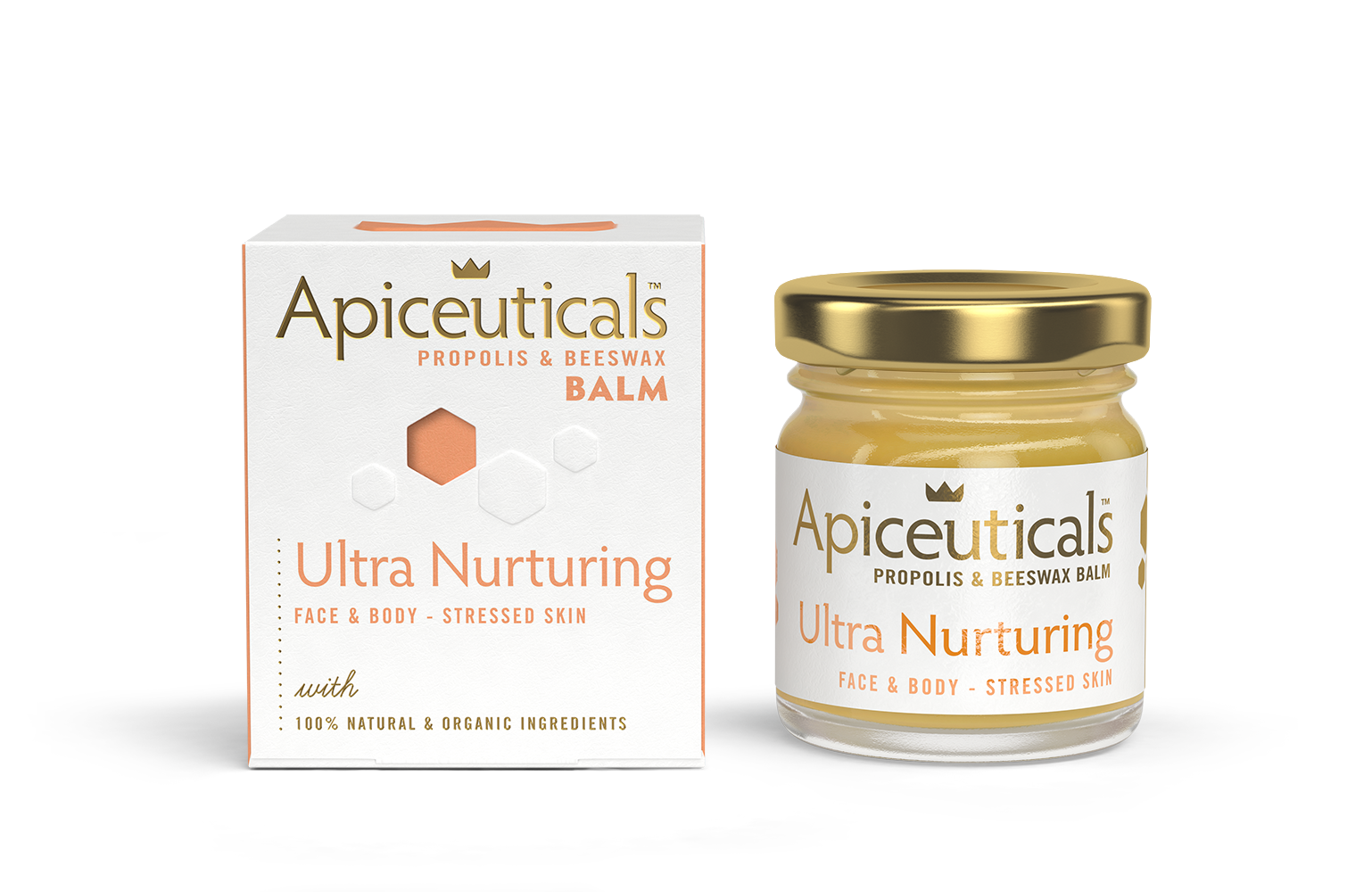
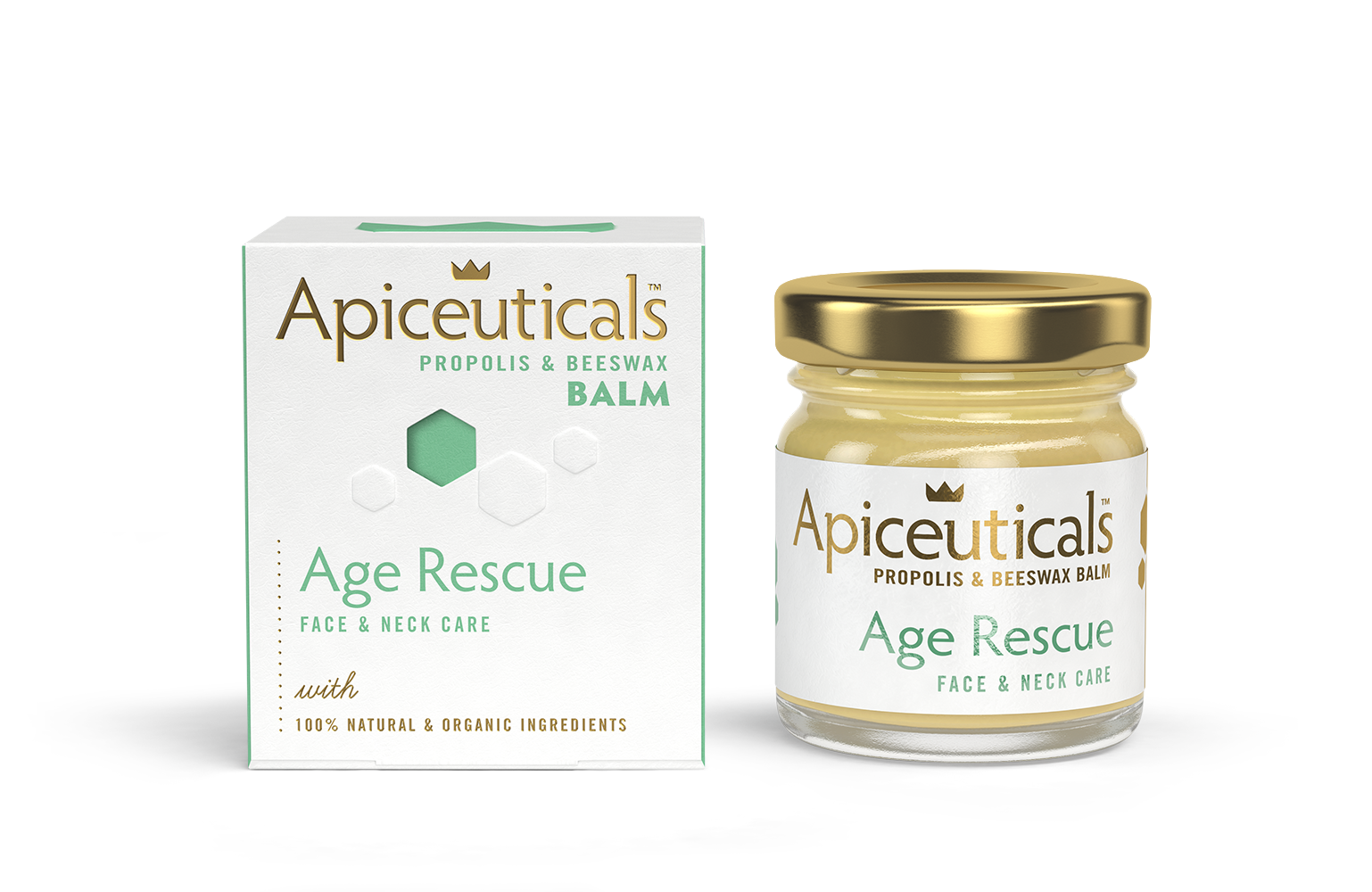
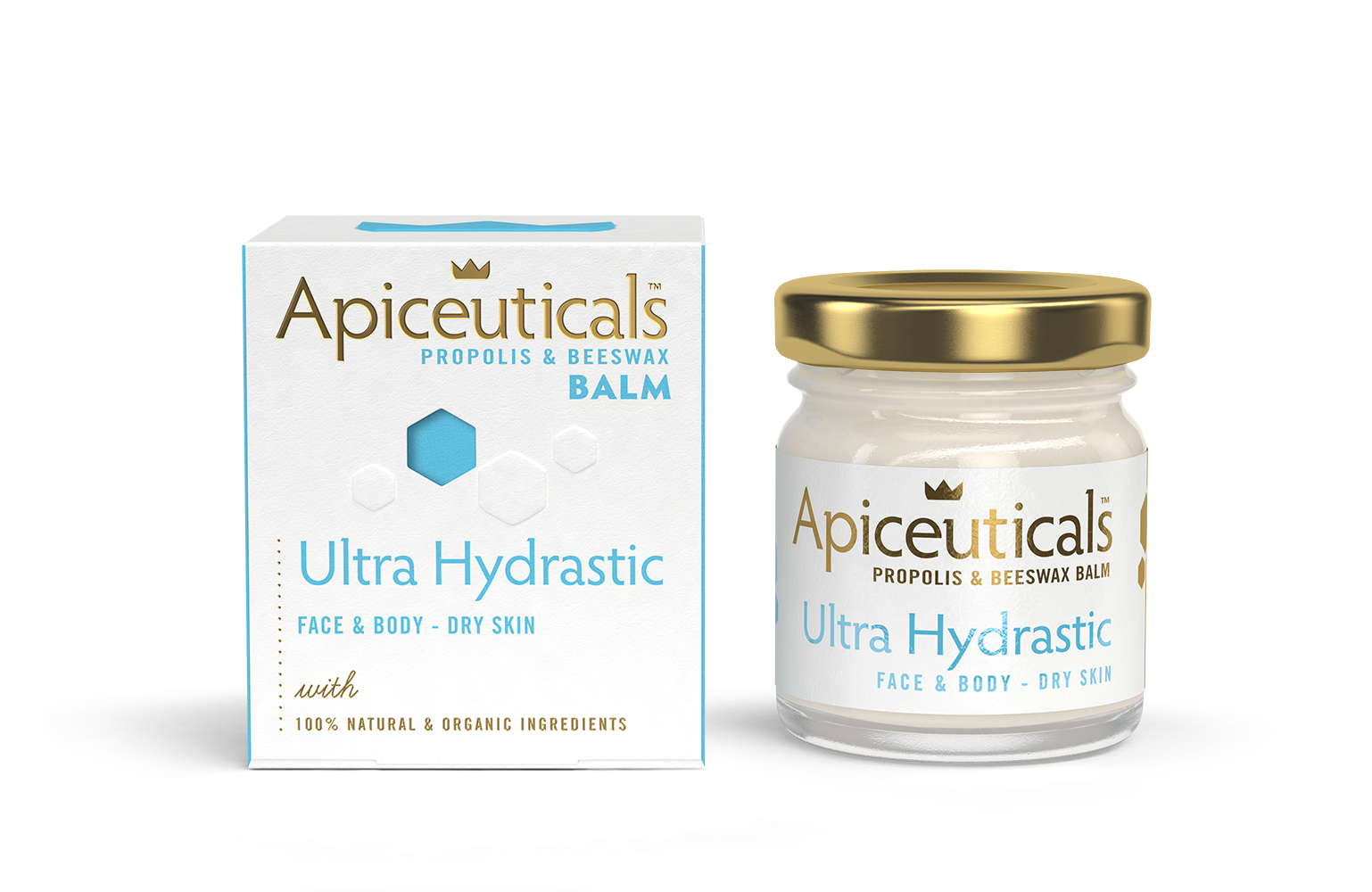
For skin, choose a formulated product over raw honey. Our HONEY BALM™ SERIES is waterless, and our article on honey balm benefits and clean beauty explains what to look for. For hair and scalp, see our practical haircare moves with antioxidants.
Introduce one new product at a time, patch test on a small area, and give any routine several weeks before judging results.
13. Why we formulate with bee science instead of relying on a jar
For us, a honeydew jar is a data point, not a finished solution. Lab measures such as phenolics, FRAP and antiradical activity tell us what a raw material can offer, but raw honey varies by sample, as every regional study shows. The cosmetic effect of a product depends on delivering antioxidant activity consistently, which means standardizing ingredients and controlling concentration.
That reasoning led to PROPOWAX™ Living Honeycomb, a patented structure inside our products that continuously releases antioxidants onto skin, scalp and hair. It carries a global patent for the highest antioxidant activity in cosmetics, independently validated by the Aristotle University of Thessaloniki. Our family has kept bees in Arcadia, and the research and the heritage feed each other. You can read more on our PROPOWAX™ technology page and our honey ingredient page.
— Apiceuticals
14. Where can you find antioxidant honey and honey-based skincare from us?
If you want antioxidant honey with documented sourcing, or honey-based skincare built on standardized ingredients, start with our PROPOWAX™ SERIES for hair and body, the HONEY BALM™ SERIES for facial care, and GODS’ NECTAR for premium organic honeys.

Browse the honey balm collection, explore our organic honeys or read the ingredient pages first. Whichever you choose, you can shop or learn more at Apiceuticals.
FAQ
What are the health benefits of honeydew honey?
Lab studies show honeydew honey is often rich in phenolics, minerals and oligosaccharides, and some samples show antibacterial activity. Human evidence for specific health outcomes is limited, and a 2023 review of honey trials found benefits clearer when honey replaces other sweeteners.
How is honeydew honey made?
Sap-feeding insects such as aphids and scale insects excrete a sugary liquid after feeding on trees. Bees collect that secretion and process it in the hive, which is why honeydew honey differs chemically from nectar-based honey.
What is honeydew honey?
It is honey made from insect-processed tree sap rather than flower nectar. It is typically darker and higher in minerals and complex sugars, and reviews of honeydew honey note that its composition varies by tree source and region.
Is honeydew honey good for you?
It can be a more nutrient-rich sweetener than many floral honeys, but it is still sugar and should be eaten in modest portions. It is not safe for infants under 12 months and is not a substitute for medical wound care.
Can honeydew honey replace medical honey on wounds?
No. Food honey is not sterilized or standardized, and a clinical-effectiveness review shows outcomes depend on the preparation. See a clinician for any burn or chronic wound.
Sources
Recommended


Related posts

How bees and biodiversity sustain each other, what the science says about Greece and the Aegean, and how antioxidant beauty can start from a hive...

How organic propolis extraction works, from hive to extract: collection, solvents, EU organic rules, Greek propolis phenolics and what it means for skincare.

Build an anti pollution skincare routine that fits Greek city life: what pollution does to skin, the morning and evening steps, and the antioxidants with...

Honey moisture content explained: the EU and Greek limits, how to take a refractometer reading, what excess water does to honey, and why it matters...

How antioxidant activity measurement works: DPPH, ABTS, FRAP and ORAC explained, why results differ, and what a lab number can and cannot say about skin...