No products in the cart.
Return To Shop
How to Invest in Skincare Wisely: A 2024 Science Guide
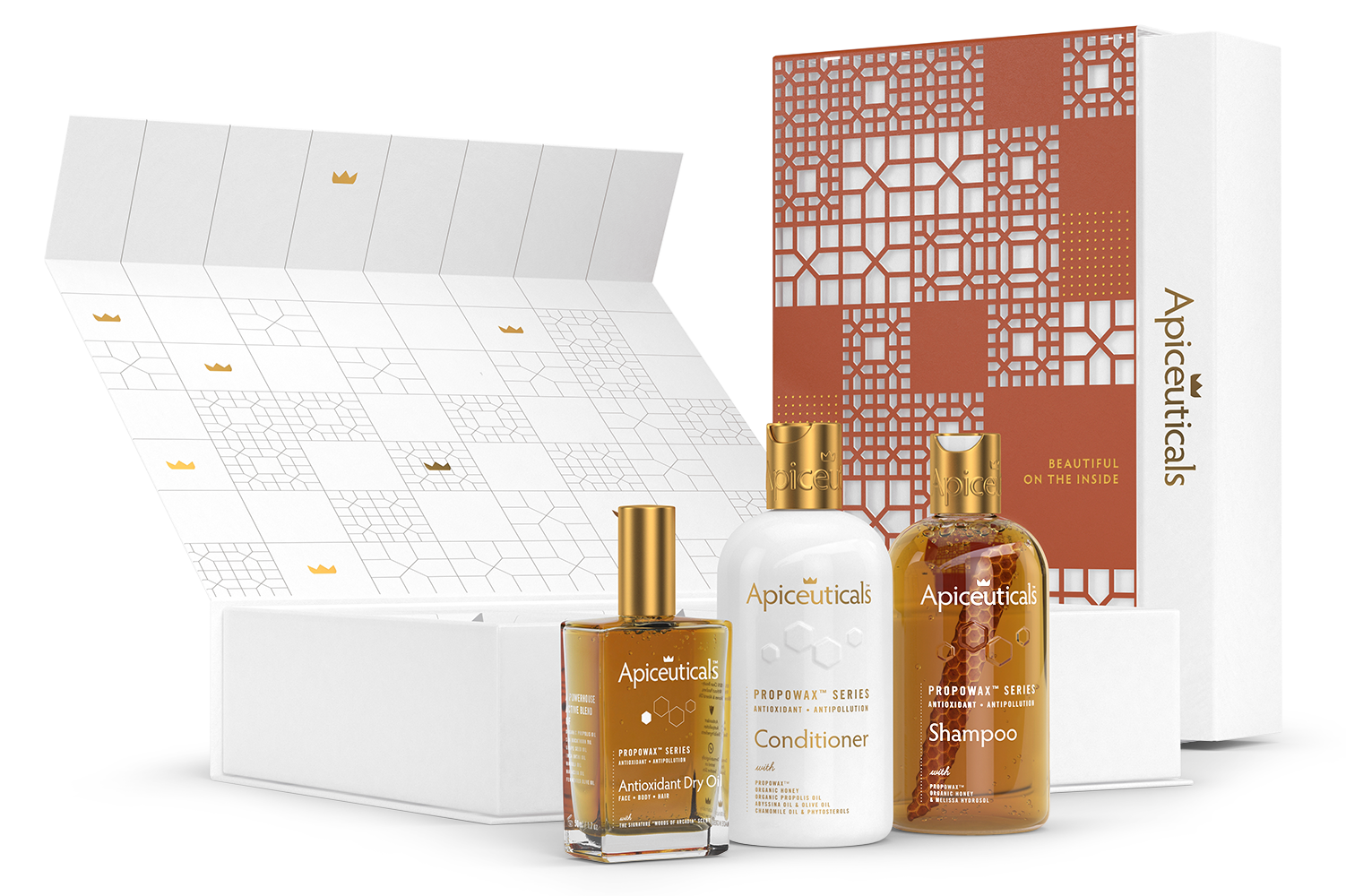
Knowing how to invest in skincare wisely comes down to one principle: spend where biology rewards you, save where it does not. The highest-return purchases are daily essentials — a non-stripping cleanser, a barrier-supporting moisturizer, and broad-spectrum SPF — because mistakes in these categories repeat every single day. After that foundation is solid, targeted serums and antioxidant treatments earn their price by actively changing the skin rather than simply maintaining it. Scientifically validated antioxidants, including the PROPOWAX™ Living Honeycomb technology developed by Apiceuticals, represent the clearest example of an ingredient investment backed by independent clinical evidence rather than marketing copy. Routine consistency, realistic product selection, and periodic professional review complete the framework.
1. How to invest in skincare wisely by allocating your budget across categories
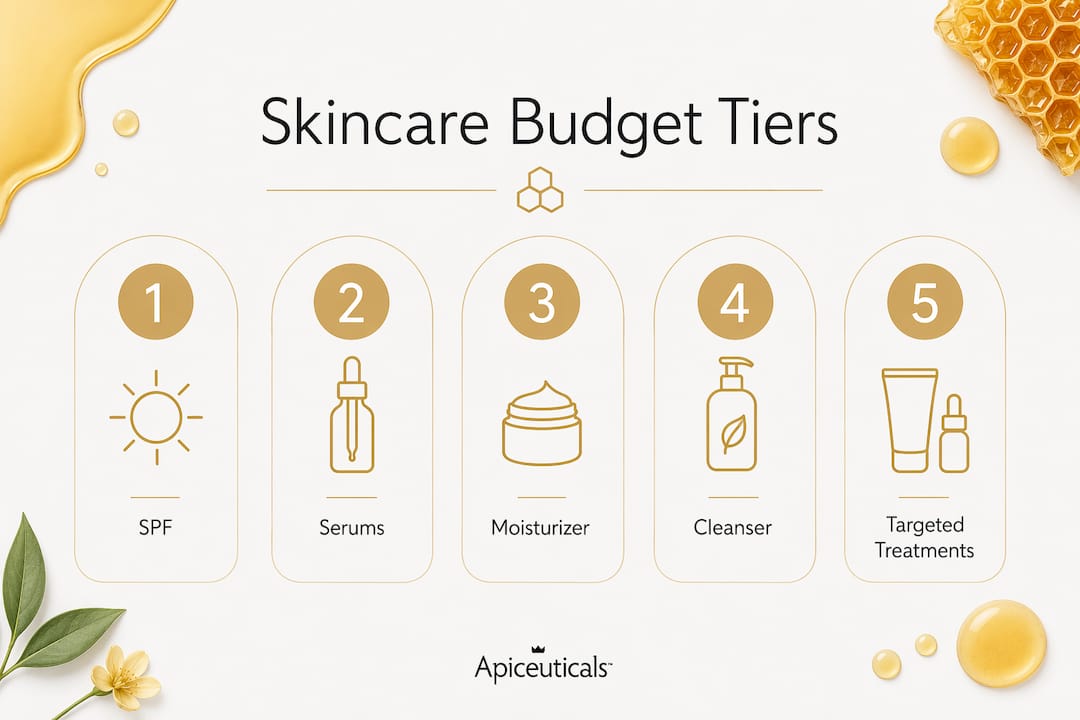
The most practical way to structure skincare spending is to think in tiers. Core essentials — cleanser, moisturizer, SPF — form the first tier and deserve a reliable monthly allocation because frequency compounds outcomes. SPF delivers the highest return of any single product by preventing photoageing and long-term structural damage, making it the one category where a premium formula that improves compliance is worth paying for.

The second tier covers serums and targeted treatments. These are the products with an actual assignment to change something — to firm, brighten, or calm — so a better formulation has the most room to earn its price. Cleansers, by contrast, rinse off within seconds, giving a premium price almost no time on skin to justify itself.
Pro Tip: Before buying any product, divide the price by the realistic number of uses. A modestly priced serum you apply twice daily often outperforms a costly one you ration.
| Category | Budget priority | Why |
|---|---|---|
| SPF (broad-spectrum) | Highest | Prevents photoageing; daily use compounds protection |
| Moisturizer | High | Supports barrier function; enables other actives to perform |
| Targeted serum / treatment | High | Active role in changing skin; formulation quality shows up in results |
| Cleanser | Moderate | Brief contact time; effective options exist at every price point |
| Masks / extras | Low | Enhancement only; fund after core categories are covered |
2. Why antioxidant science is one of the best skincare investments you can make
Antioxidants protect skin by neutralizing free radicals — unstable molecules generated by UV exposure, pollution, and metabolic stress that degrade collagen and accelerate visible ageing. Think of free radicals as rust forming on metal: left unchecked, the structural damage accumulates faster than the skin can repair it. Antioxidants interrupt that process at the molecular level, making them among the highest-return actives in any well-formulated routine.
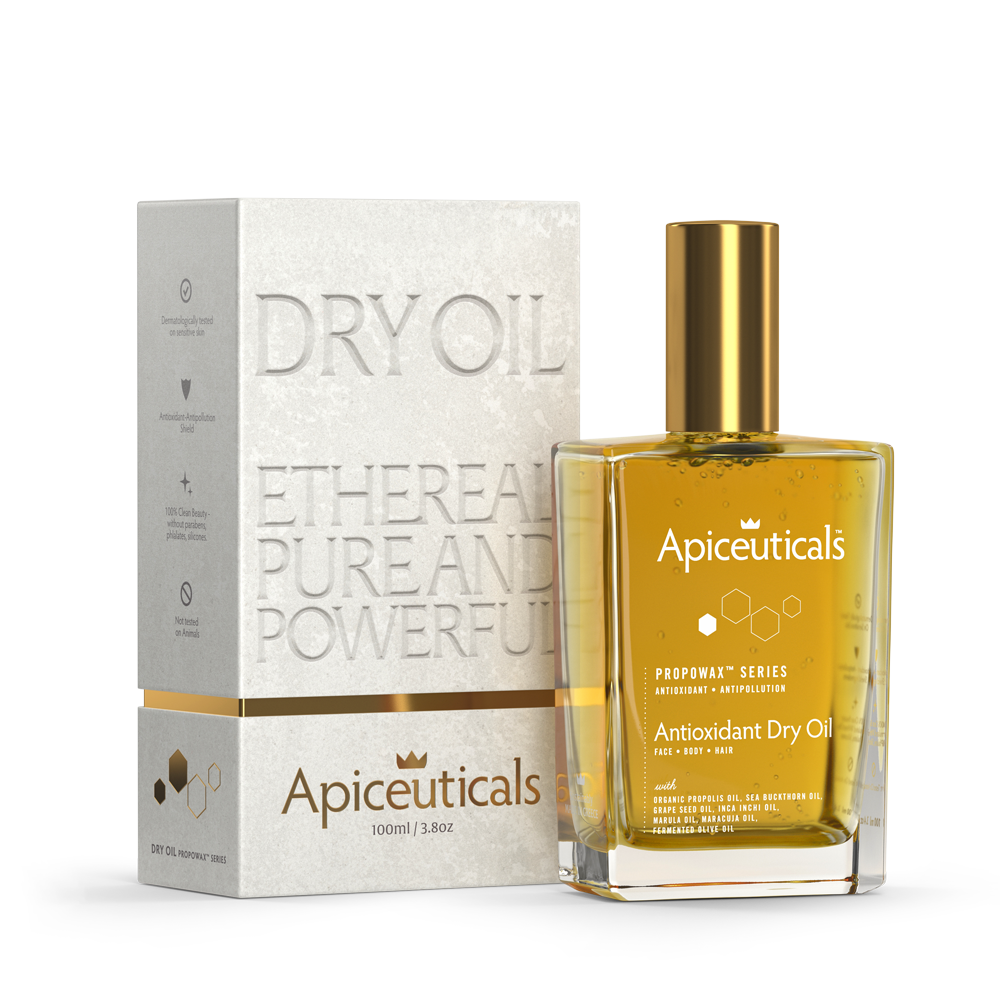
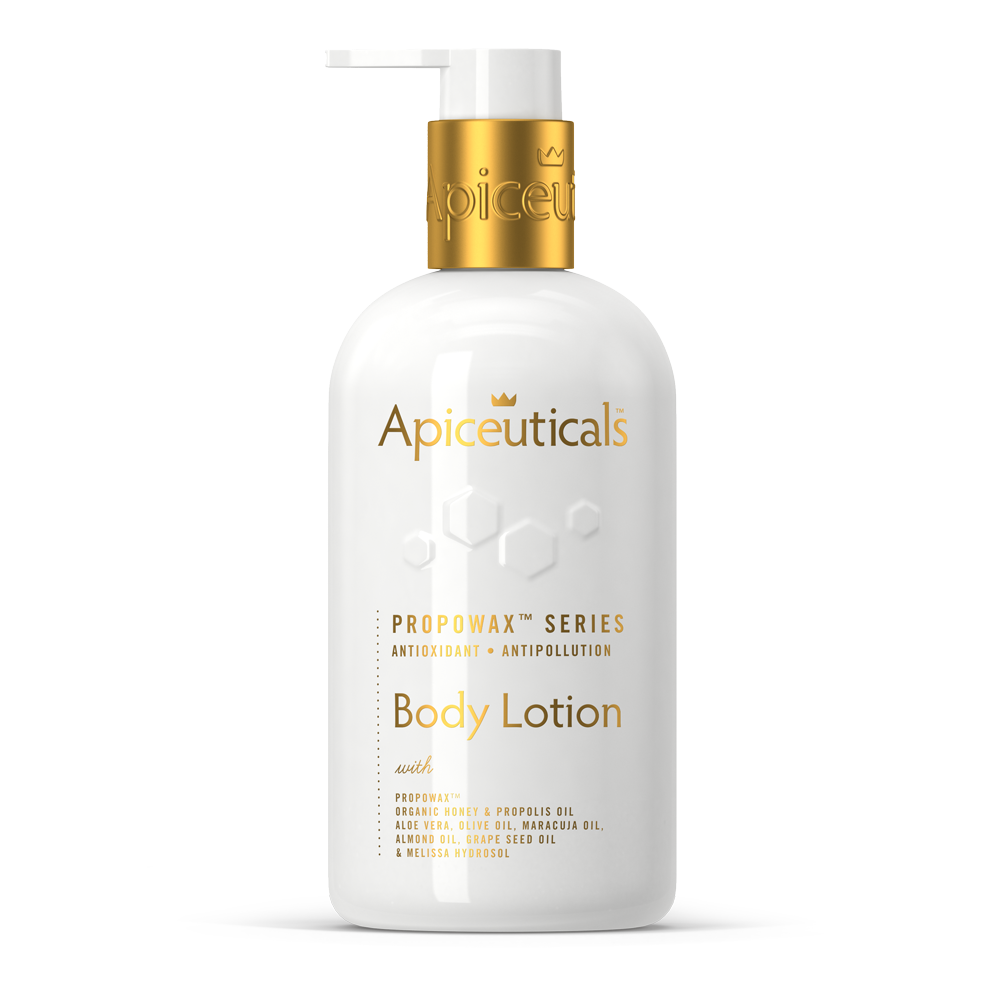
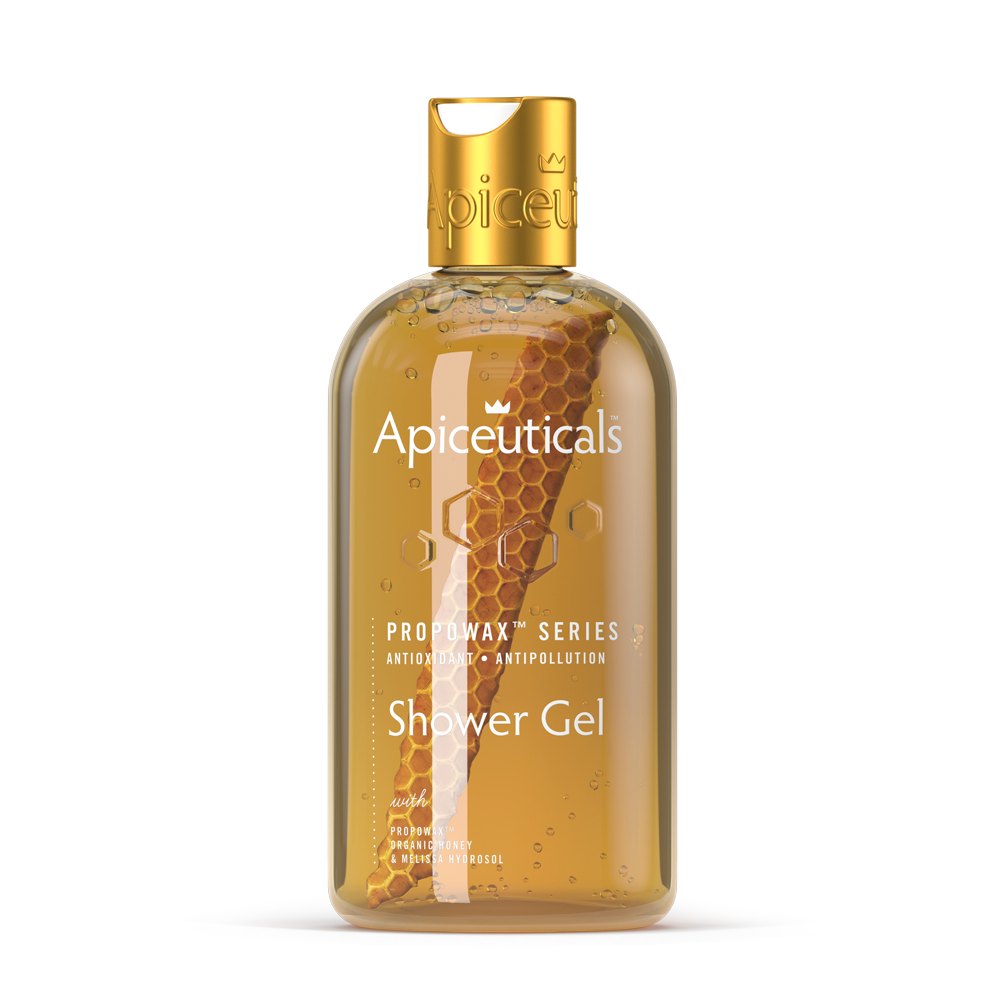
The clearest benchmark for antioxidant performance in cosmetics is the PROPOWAX™ technology developed by Apiceuticals. This patented Living Honeycomb structure continuously releases antioxidants onto skin, scalp, and hair throughout wear rather than delivering a single burst at application. The technology holds a global patent for the highest antioxidant activity in cosmetics, independently validated by the Aristotle University of Thessaloniki.
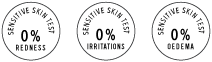
That 0% irritation result matters as much as the efficacy data. A high-antioxidant formula that provokes sensitivity defeats its own purpose. Apiceuticals achieves both by excluding over 2,000 potentially harmful ingredients — no SLS, SLES, parabens, silicones, or mineral oils — and sourcing all bee ingredients from organic, ethically managed hives in Arcadia, Greece. British Vogue described the brand as “arguably the global leader in antioxidant activity,” a characterization grounded in the Aristotle University validation rather than marketing language. For anyone serious about skin oxidation prevention, this level of documented performance sets a clear standard for what ingredient investment should look like.
3. How to evaluate skincare technology and beauty devices before you buy
Beauty devices can extend the reach of a well-chosen topical routine, but only when selected with the same rigor applied to products. Long-term value from devices comes from regular, multifaceted use rather than impulse purchases, and a single versatile device used consistently often costs less over time than repeated professional treatments or a rotating shelf of single-purpose tools.
Before adding any device to your routine, apply these criteria:
- Clinical validation: Does the device category have peer-reviewed evidence behind it, or only brand-generated claims?
- Compatibility: Does it fit logically into your existing routine without requiring you to restructure everything around it?
- Cost over time: Divide the purchase price by realistic weekly uses across two years. If the per-use cost exceeds what you spend on your most effective serum, reconsider.
- Multifunctionality: A device addressing circulation, product absorption, and skin renewal simultaneously offers better return than one targeting a single concern.
- Consistency design: The best devices feel like self-care, not effort. If the interface is complicated, use will drop off within weeks.
AI-driven skincare apps represent a lower-cost entry point into technology-assisted skincare. They analyze skin conditions, recommend customized routines, and track progress over time, reducing the guesswork that leads to mismatched product purchases. The caution: treat app guidance as a supplement to professional dermatological advice, not a replacement. For science-backed beauty tools, the same evidence standard applies as for topical products.
4. Building a sustainable skincare routine that actually delivers results
Consistent daily use of a streamlined routine outperforms sporadic application of a complex one. Skin adapts physiologically to repeated inputs; switching products before they have had weeks to work prevents any meaningful assessment of what is actually performing.
Routine design should start with skin type and lifestyle, not trend cycles. A three-step morning routine you will genuinely follow every day produces better outcomes than a seven-step protocol abandoned by Wednesday. Ingredient conflicts — stacking multiple exfoliating acids, for example — compromise the barrier rather than accelerate results, so auditing for duplication before adding anything new is worth the five minutes it takes.
Pro Tip: Reassess your routine every 90 days. Note what you have finished, what you have avoided, and whether your primary concern has shifted. Products you consistently skip are not working for your life, regardless of their formulation.
Professional consultation adds a dimension that no amount of self-directed research replicates. A dermatologist can identify whether a plateau in results reflects the wrong products, insufficient time, or an underlying condition requiring a different approach. Periodic professional review, even once or twice a year, tends to reduce long-term spending by preventing the trial-and-error accumulation that fills most bathroom shelves. For science-backed routine guidance, grounding choices in clinical evidence rather than launch cycles is the most reliable path to visible, sustained improvement.
5. How your skin type should shape your investment priorities
Skin type is not a fixed category, but it is a useful starting point for allocating budget. Oily and acne-prone skin tends to benefit most from investment in targeted treatments — salicylic acid, niacinamide, or clinically validated antioxidants that calm sebaceous activity without stripping the barrier. Dry skin rewards spending on a well-formulated moisturizer with ceramides or hyaluronic acid, since barrier repair is the primary concern and a weak moisturizer compounds every other problem. Sensitive skin calls for the most disciplined approach: fewer products, shorter ingredient lists, and dermatological testing data (specifically 0% irritation results) as a non-negotiable filter before purchase.
Combination skin is where most people over-invest. The instinct to address oiliness in the T-zone and dryness on the cheeks simultaneously leads to overcomplicated routines that destabilize both areas. A single well-balanced moisturizer and a targeted treatment applied only where needed usually outperforms a multi-product system. Understanding your skin’s actual behavior — not its theoretical type — is what makes informed skincare choices translate into real results.
6. Skincare ingredients worth being cautious about
Not every ingredient on a label earns its place. Sulfates such as SLS and SLES are effective cleansers but strip the skin’s natural lipid barrier, particularly problematic for dry or sensitive skin types. Synthetic parabens, used as preservatives, have been the subject of ongoing scrutiny regarding hormonal activity, prompting many clinically rigorous brands to reformulate without them. Mineral oils create an occlusive layer that can trap debris and interfere with the skin’s natural respiration, especially under heavy daily use.
Fragrance — both synthetic and some natural forms — is among the most common triggers of contact dermatitis. A product that smells appealing is not inherently better formulated; fragrance adds sensory experience, not efficacy. High concentrations of alcohol (denatured or isopropyl) can disrupt barrier function over time, counteracting the benefit of any active ingredient in the same formula. Reading an ingredient list with these markers in mind takes less than two minutes and filters out a significant proportion of products that would otherwise underperform or irritate.
7. How to read product reviews and clinical studies without being misled
Marketing language and clinical evidence are not the same thing, and the gap between them is where most skincare spending goes wrong. A clinical study worth citing will specify the number of participants, the duration of the trial, the measurement method, and whether the results were statistically significant. Phrases like “dermatologist-tested” or “clinically proven” without supporting data are marketing descriptors, not scientific claims.
Consumer reviews are useful for assessing texture, scent, and short-term tolerability, but they are unreliable guides to long-term efficacy. Prioritize formulations with transparent ingredient science and published clinical data over products with high review counts but no disclosed methodology. Independent validation — such as the Aristotle University of Thessaloniki’s assessment of PROPOWAX™ technology — carries more weight than in-house testing because the methodology is not controlled by the brand. The role of clinical testing in separating genuine efficacy from packaging aesthetics is the single most underused filter available to informed consumers.
8. Long-term vs. short-term benefits: what skincare actually delivers over time
Short-term results — improved hydration, reduced redness, a temporary glow — are real but do not indicate structural skin improvement. Hyaluronic acid plumps skin within hours by drawing water into the epidermis; that effect reverses when the product is discontinued. Long-term benefits, by contrast, require sustained use of actives that influence cell turnover, collagen synthesis, or antioxidant defense. Retinoids, for example, take 12 weeks or more to produce measurable changes in skin texture and fine lines.
Antioxidants occupy a unique position in this timeline. Their primary benefit is protective rather than corrective: by neutralizing oxidative stress daily, they slow the accumulation of damage that would otherwise require more intensive correction later. This is why integrating a clinically validated antioxidant system into a routine early produces compounding returns over years, not weeks. The investment logic mirrors that of SPF: the value is not visible in the mirror tomorrow, but it is measurable in the skin’s condition a decade from now.
Apiceuticals’ antioxidant-rich skincare science — anchored in PROPOWAX™ Living Honeycomb technology and validated by the Aristotle University of Thessaloniki — offers a precise reference point for what evidence-based skincare investment looks like in practice.

Key Takeaways
Smart skincare investment prioritizes SPF and clinically validated antioxidants first, with routine consistency delivering compounding returns that no single product purchase can replicate.
| Point | Details |
|---|---|
| SPF is the highest-return product | Daily broad-spectrum SPF prevents photoageing and structural skin damage more effectively than any corrective treatment. |
| Serums earn premium pricing | Targeted treatments actively change skin; a better formulation has the most room to justify its cost here. |
| PROPOWAX™ sets the antioxidant standard | Apiceuticals’ global patent, validated by Aristotle University of Thessaloniki, delivers clinically proven 26% wrinkle reduction with 0% irritation. |
| Consistency outperforms complexity | A streamlined daily routine produces better physiological adaptation than a complex one used sporadically. |
| Ingredient scrutiny reduces waste | Filtering for SLS, parabens, and undisclosed fragrance before purchase eliminates products that underperform or irritate. |
FAQ
What is the single most important skincare investment?
Broad-spectrum SPF is the highest-return product in any routine because daily use prevents photoageing and long-term structural skin damage that no corrective treatment can fully reverse.
How do I know if an antioxidant product is genuinely effective?
Look for independent clinical validation rather than brand-generated claims. Apiceuticals’ PROPOWAX™ technology, for example, holds a global patent for highest antioxidant activity in cosmetics, verified by the Aristotle University of Thessaloniki, with a clinically proven 26% wrinkle reduction.
Should I spend more on a cleanser or a serum?
Spend more on serums and targeted treatments. Cleansers rinse off within seconds, giving a premium formula almost no time on skin to earn its price; serums perform active work on skin and reward better formulation with visible results.
How often should I reassess my skincare routine?
Every 90 days is a practical interval. Note which products you finish consistently, which you avoid, and whether your primary skin concern has changed. Products you repeatedly skip are not working for your actual lifestyle.
Do beauty devices replace topical skincare products?
No. Devices work as multipliers, improving product absorption and circulation, but they do not replace well-formulated topical actives. Long-term device value comes from consistent, multifaceted use alongside a solid foundational routine.
Recommended


Related posts

How bees and biodiversity sustain each other, what the science says about Greece and the Aegean, and how antioxidant beauty can start from a hive...

How organic propolis extraction works, from hive to extract: collection, solvents, EU organic rules, Greek propolis phenolics and what it means for skincare.

Build an anti pollution skincare routine that fits Greek city life: what pollution does to skin, the morning and evening steps, and the antioxidants with...

Honey moisture content explained: the EU and Greek limits, how to take a refractometer reading, what excess water does to honey, and why it matters...

How antioxidant activity measurement works: DPPH, ABTS, FRAP and ORAC explained, why results differ, and what a lab number can and cannot say about skin...