
No products in the cart.
Return To Shop
How to Reduce Wrinkles Naturally, Without Injections
You can reduce the appearance of fine lines and wrinkles with a consistent, antioxidant-focused AM/PM routine paired with targeted lifestyle changes. That is the entire premise behind how to reduce wrinkles naturally, and there is no shortcut around it: daily sun protection, topical antioxidants, adequate hydration, and a handful of behavioral shifts do more for collagen preservation than any single serum. The American Academy of Dermatology and Harvard Health both point to the same core levers. Apiceuticals built its HONEY BALM™ Series around one of them: a clinically observed significant reduction in wrinkle depth tied to consistent antioxidant delivery through PROPOWAX™ Living Honeycomb technology.
Start today with these five moves:
- Apply broad-spectrum SPF 30+ every morning, rain or shine.
- Layer a topical antioxidant (vitamin C or a honey-derived antioxidant complex) before moisturizing.
- Use a humectant-rich moisturizer to keep the skin barrier plump.
- Quit smoking, or at minimum reduce frequency, since it directly accelerates collagen breakdown.
- Cut back on refined sugar, which speeds a process called glycation that stiffens collagen fibers.
Expect early improvements in texture and hydration within two to three weeks. Measurable softening of fine lines generally takes six to twelve weeks of consistent antioxidant use, since collagen remodeling is a slow biological process, not an overnight fix.
Key Takeaways
Reducing wrinkles naturally works best as a daily system of antioxidant protection, sun defense, and collagen-supporting habits sustained for months, not days.
| Point | Details |
|---|---|
| Sun protection is foundational | Apply broad-spectrum SPF 30+ daily and reapply every two hours outdoors. |
| Antioxidants defend collagen | Use a topical antioxidant each morning to neutralize free radicals before they degrade collagen. |
| Diet and sleep compound results | Lower sugar intake and prioritize deep, consistent sleep to support collagen synthesis and repair. |
| Evidence varies by ingredient | Vitamin C, retinoids, and bakuchiol have stronger research support than aloe vera or coconut oil. |
| Apiceuticals offers a science-backed option | The HONEY BALM™ Series uses PROPOWAX™ Living Honeycomb, patented for the highest antioxidant activity in cosmetics and validated by the Aristotle University of Thessaloniki. |
Table of Contents
- A Practical AM/PM Routine That Actually Reduces Fine Lines
- Which Natural Topicals Have Real Evidence Behind Them?
- How Does Diet Affect Wrinkle Formation?
- A Safe Facial Massage Routine for Circulation and Plumping
- Which Daily Habits Prevent Wrinkles Before They Form?
- Which Actives Work Like Retinoids Without the Irritation?
- What Results Should You Realistically Expect, and When?
- The Antioxidant Science Behind a Natural Wrinkle-Reduction Plan
- Why Sleep Quality Matters More Than Sleep Position Alone
- How Repetitive Facial Expressions Create Permanent Lines
- Sources
- FAQ
A Practical AM/PM Routine That Actually Reduces Fine Lines
Morning and evening skin care exist to do two different jobs: defend during the day, repair at night. Get the sequencing right and you protect the collagen you have while giving new collagen a chance to form.
Morning routine:
- Cleanse gently with a low-foam, pH-balanced cleanser that will not strip lipids.
- Apply a topical antioxidant serum. Vitamin C neutralizes free radicals from UV and pollution before they can degrade collagen fibers.
- Follow with a moisturizer containing a humectant such as hyaluronic acid or glycerin, which draws water into the outer skin layer and temporarily plumps fine lines.
- Finish with broad-spectrum SPF 30 or higher. Skipping this step erases most of the benefit of everything before it.
Evening routine:
- Cleanse again to remove sunscreen, oil, and pollutants.
- Introduce a gentle exfoliant or a plant-derived retinol alternative like bakuchiol two to three nights a week to encourage cell turnover without the irritation profile of prescription retinoids.
- Close with a richer moisturizer or a waterless antioxidant balm to support the skin barrier overnight, when repair processes are most active.
Pro Tip: Never apply a strong exfoliant and a retinoid alternative on the same night. Alternate them, and wait at least fifteen minutes between a water-based antioxidant serum and an oil-based balm so each one absorbs instead of sliding off the other.
Which Natural Topicals Have Real Evidence Behind Them?
Not every kitchen-cabinet remedy for wrinkles holds up under scrutiny, and knowing the difference saves you money and irritated skin. Mayo Clinic lists vitamin C, retinol, hydroxy acids, coenzyme Q10, peptides, green tea extract, and niacinamide as ingredients with meaningful research behind them for fine lines and texture.
Aloe vera calms and hydrates but has thin evidence for actually reducing wrinkle depth. Honey, by contrast, has real chemistry behind it: a 2024 ACS Omega study identified significant antioxidant compounds in honey and propolis fractions, which is the mechanistic basis for antioxidant delivery systems built on bee-derived ingredients. Rosehip oil carries vitamin A precursors and essential fatty acids that support barrier repair, though most support is anecdotal rather than clinical. Olive oil and coconut oil work well as emollients that lock in moisture, but they are occlusive, meaning acne-prone skin should use them sparingly on the face. Green tea polyphenols have review-level evidence for lowering oxidative stress on skin.
Whatever you choose, patch test on your inner forearm for 24 hours first. Apply active topicals two to three times weekly to start, watching for redness or tightness before increasing frequency.
How Does Diet Affect Wrinkle Formation?
What you eat shapes your skin from the inside, and the mechanism is well documented. Diets high in sugar and refined carbohydrates accelerate glycation, a process where sugar molecules bind to collagen fibers and make them stiff and brittle. Less flexible collagen shows up on the surface as deeper, more persistent lines.
The reverse is also true: diets rich in antioxidants and omega-3 fatty acids are associated with better skin elasticity. Salmon, walnuts, and leafy greens are reliable sources of both. Aim for consistent water intake throughout the day rather than a single large glass, since hydration status affects skin plumpness more than any topical humectant. Adequate protein intake, generally in the range most nutrition guidelines recommend for adults, supplies the amino acids collagen synthesis depends on.
Among supplements, vitamin C and omega-3s have the most consistent backing. Multi-ingredient “beauty” supplements with unverified doses deserve more skepticism. Talk to a clinician before starting anything at a high dose.
A Safe Facial Massage Routine for Circulation and Plumping
A short facial massage will not rebuild collagen, but it does improve circulation and lymphatic drainage, which can temporarily reduce puffiness and make fine lines look softer for a few hours.
- Apply a slip product, an oil or a balm, so your fingers glide instead of dragging skin.
- Use light upward strokes from jawline to temple, holding each pass for two to three seconds.
- Work outward from the nose along the cheekbones toward the ears to encourage lymphatic flow.
- Finish with gentle pressure at the temples and along the brow bone for thirty seconds.
- Limit the whole routine to three to five minutes, two to three times weekly.
Facial exercises that involve repeated squeezing or scrunching carry a real risk: doing them too aggressively can create the very compression lines you are trying to avoid. Stop any massage or exercise immediately if you notice bruising or persistent redness.
Pro Tip: Always use a facial oil or balm as your slip product, never a dry-fingers technique. Friction without lubrication is a common, underappreciated cause of new fine lines around the eyes.

Deep, static furrows that do not smooth out with massage or topical care are a signal to consult a dermatologist rather than continue home methods indefinitely.
Which Daily Habits Prevent Wrinkles Before They Form?
Prevention outperforms correction, and the Cleveland Clinic is direct about the biggest single cause: cumulative sun exposure. Daily broad-spectrum sunscreen, protective clothing, and a wide-brim hat during peak hours do more over a decade than any serum applied inconsistently.
- Reapply sunscreen every two hours outdoors, and after swimming or heavy sweating.
- Quit smoking. The AAD-backed evidence linking smoking to accelerated collagen breakdown is strong enough that cessation alone visibly improves skin tone within months.
- Sleep on your back when possible, and consider a silk pillowcase to reduce overnight friction on the face.
- Wear corrective lenses if you need them. Chronic squinting from uncorrected vision is a quiet contributor to crow’s feet.
- Reduce added sugar and stay ahead of dehydration, both of which compound over years, not days.
- Build stress-reduction into your week. Chronic stress elevates cortisol, which degrades collagen over time.
Small, repeated choices, applied daily rather than occasionally, are what separate skin that ages gracefully from skin that does not.
Which Actives Work Like Retinoids Without the Irritation?
Prescription retinoids remain the most studied topical for collagen stimulation, but they are not the only route. Harvard Health confirms retinoids boost collagen and thicken skin over time, and confirms that gentler measures, including antioxidants and exfoliation, meaningfully support the same goal.
Bakuchiol, a plant-derived compound, offers a comparable collagen-stimulating signal with a milder irritation profile, making it a reasonable starting point for sensitive skin. Niacinamide supports barrier function and evens tone alongside any active you choose. Peptides and hyaluronic acid work as support ingredients rather than primary drivers of change. Mild AHAs like glycolic or lactic acid at low concentrations encourage turnover without the redness that stronger formulas can trigger.
- Introduce one new active at a time and wait two weeks before adding another.
- Start any exfoliating acid or bakuchiol product at two to three uses weekly.
- Never combine a strong AHA with a retinoid alternative on the same night.
- See a dermatologist if you want prescription-strength tretinoin or want guidance for stubborn, deep-set lines.
What Results Should You Realistically Expect, and When?
Home care produces results on a timeline, and setting the right expectation is what keeps most people consistent long enough to see them.
- Days one to seven: Hydration-driven plumping from humectants and consistent water intake is often visible almost immediately, though it fades if you stop.
- Weeks two to six: Skin texture smooths, tone evens out, and superficial lines begin to soften as gentle exfoliation and antioxidants take effect.
- Weeks six to twelve: Collagen-driven changes start to show, meaning fine lines around the eyes and mouth may visibly shallow with consistent antioxidant and retinoid-alternative use.
- Beyond three months: Continued use maintains and compounds earlier gains; this is when most clinical antioxidant studies, including the one behind the HONEY BALM™ Series, measure their results.
If, after several months of consistent care, you are dealing with deep static furrows that show even with a relaxed face, that is the signpost to book a dermatologist consult rather than escalate home treatments indefinitely.
The Antioxidant Science Behind a Natural Wrinkle-Reduction Plan
Free radical damage from UV exposure, pollution, and normal metabolism breaks down collagen steadily over years. Antioxidants interrupt that process by neutralizing free radicals before they reach collagen fibers, which is why dermatology sources consistently name antioxidants alongside sunscreen as a foundational defense.
Apiceuticals holds a global patent for the highest antioxidant activity in cosmetics, achieved through PROPOWAX™ Living Honeycomb technology, a delivery system that continuously releases antioxidants onto skin rather than depositing them once and losing potency. The mechanism was independently validated by the Aristotle University of Thessaloniki, and it draws on the same class of honey- and propolis-derived antioxidant compounds identified in recent chemistry research.
The HONEY BALM™ Series applies this technology in a waterless facial format, with clinical observation showing a 26% reduction in wrinkle appearance among consistent users. A waterless balm fits naturally into the evening half of an antioxidant-first routine, sitting over your humectant to lock in hydration while releasing antioxidants through the night.
- PROPOWAX™ Living Honeycomb releases antioxidants continuously rather than in a single burst.
- The patent covers the highest recorded antioxidant activity in cosmetics, verified by university research.
- The HONEY BALM™ Series reports a notable wrinkle reduction under consistent use.
- Learn more about the role antioxidants play in anti-aging skin health.
Why Sleep Quality Matters More Than Sleep Position Alone
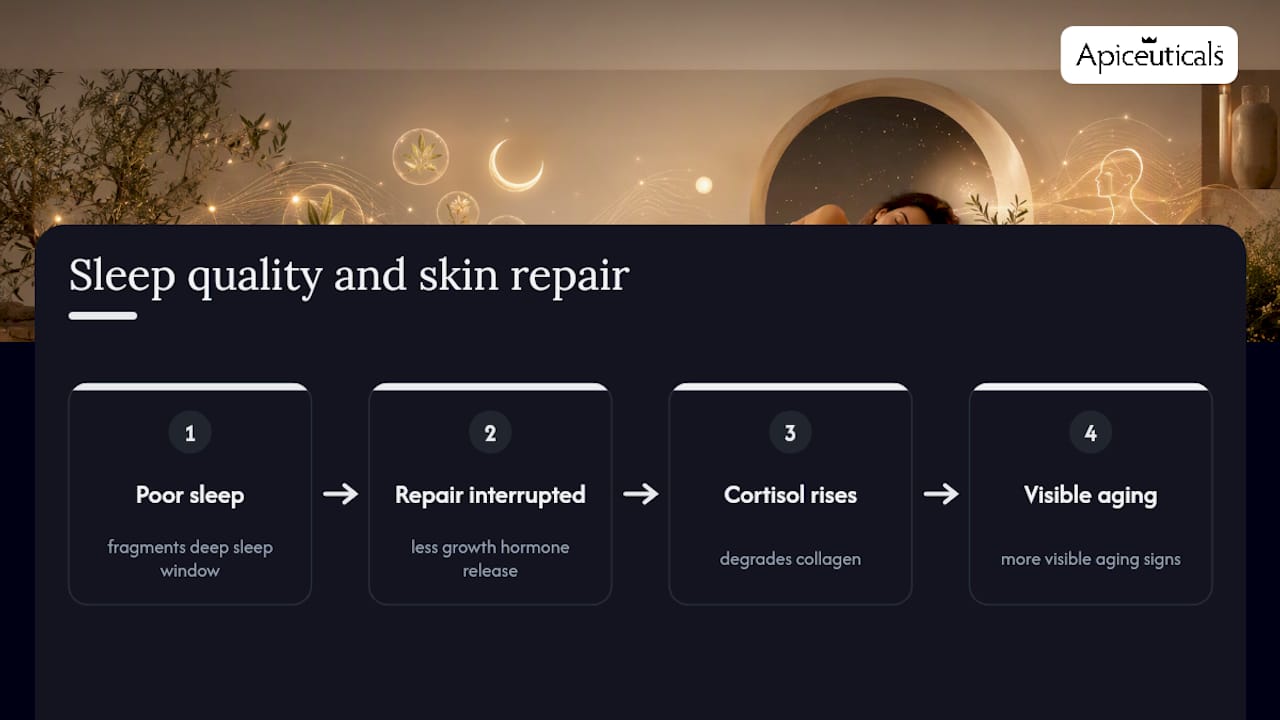
Sleep position gets attention because it is visible and easy to change, but sleep quality itself is the deeper lever. Skin repair follows your circadian rhythm: growth hormone release and cellular turnover both peak during deep sleep, roughly in the first half of the night. Cut that window short, or fragment it with frequent waking, and you interrupt the repair cycle before collagen synthesis and cellular renewal can fully run.
Cortisol is the connecting thread. Poor sleep elevates cortisol, and elevated cortisol degrades collagen, the same collagen you are trying to protect with antioxidants and sunscreen. This creates a quiet feedback loop: stress disrupts sleep, disrupted sleep raises cortisol, and higher cortisol accelerates the visible signs of aging you are working to prevent.
Practical sleep hygiene changes make more difference here than any product swap. Keeping a consistent sleep and wake time, even on weekends, helps stabilize the circadian signal that governs repair timing. Limiting screen exposure in the hour before bed reduces the blue-light interference that delays melatonin release. A cool, dark room supports the deeper sleep stages where most repair work happens.
None of this replaces a good topical routine, but it does explain why two people using identical products can see different results. The person sleeping seven to eight consistent hours is giving their skin a repair window the other person simply is not getting, regardless of what is in their skin care cabinet.
How Repetitive Facial Expressions Create Permanent Lines
Every facial expression works a muscle, and every muscle contraction creates a temporary crease in the overlying skin. Repeat that same contraction thousands of times over years, and the crease stops fully releasing between expressions. Eventually it becomes a static line, visible even when your face is at rest.
Squinting is the clearest example, which is why uncorrected vision problems are an underrated contributor to crow’s feet. Frowning creates the vertical lines between the eyebrows sometimes called glabellar lines. Even smiling, harmless as it seems, contributes to the fine lines that fan out from the corners of the eyes over a lifetime.
You cannot and should not stop expressing emotion to prevent wrinkles. But a few adjustments genuinely help. Wearing sunglasses outdoors reduces the squinting response to bright light, which is one of the most repetitive and preventable expression-driven creases. Correcting your vision with the right prescription removes the reflexive squint entirely. Being conscious of tension habits, like furrowing your brow while concentrating on a screen, gives you a chance to relax the muscle before the expression becomes a permanent groove.
Combine that awareness with the antioxidant and hydration strategies covered earlier, and you are addressing both sides of wrinkle formation: the mechanical creasing from repeated movement, and the biochemical breakdown of the collagen that would otherwise let skin bounce back.
A Beauty Editor’s Perspective
Consistency beats intensity in every case I have examined: a modest antioxidant routine used daily outperforms an aggressive one used sporadically. PROPOWAX™ Living Honeycomb is a useful example of what antioxidant-first, continuous-release skin care can look like when the science is taken seriously.
How a Waterless Antioxidant Balm Fits Your Evening Routine
If your evening routine ends with a standard moisturizer, there is a case for reconsidering that final step. A waterless format concentrates active ingredients without dilution, and layering one over your humectant seals in hydration while the antioxidants keep working through the night rather than evaporating with the water content of a conventional cream.
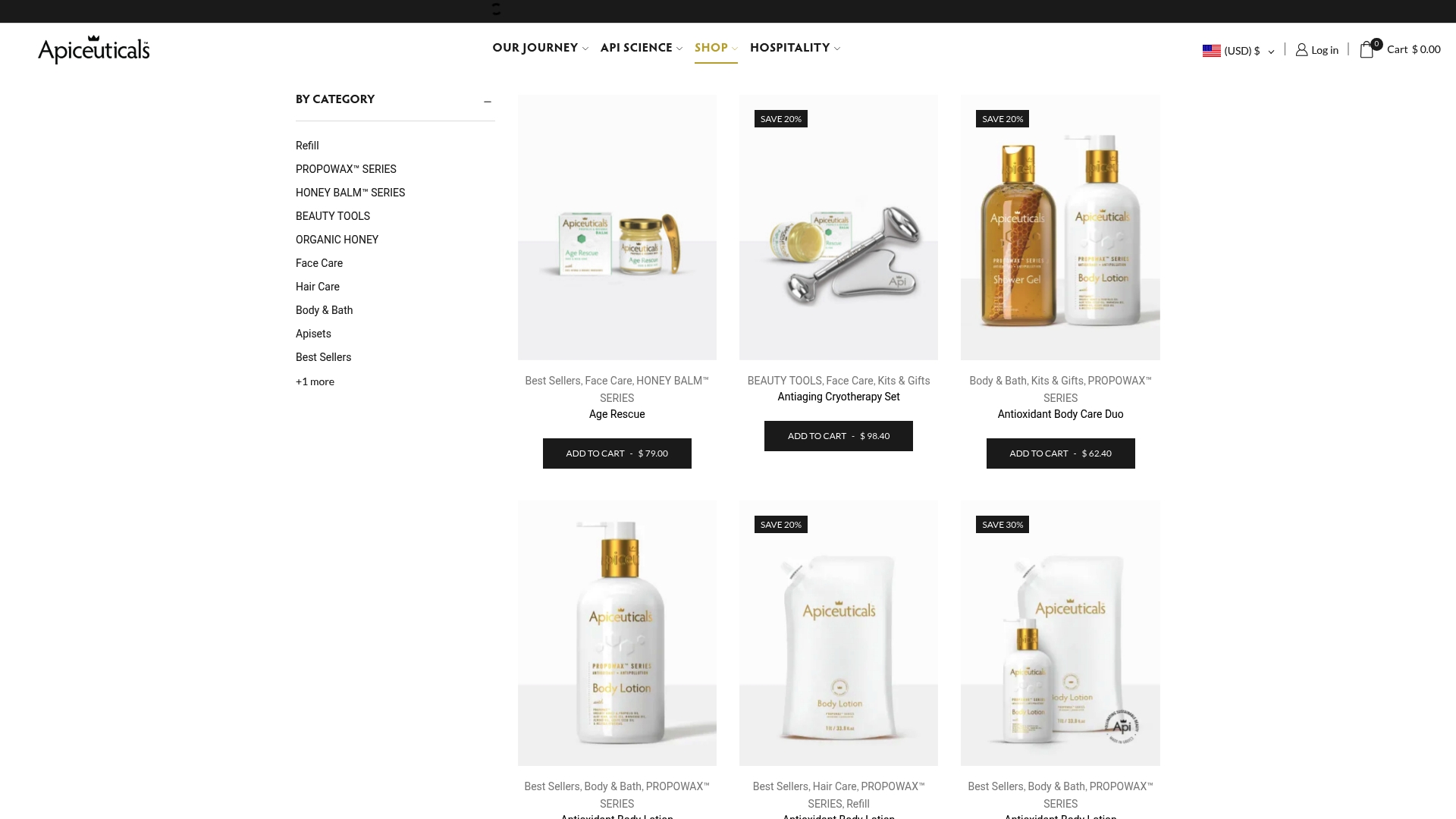
The HONEY BALM™ Series is built on exactly this principle, using PROPOWAX™ Living Honeycomb to deliver antioxidants continuously rather than in a single application spike. It is one option among the routine steps covered here, not a replacement for sunscreen, diet, or sleep. If you want to see how a waterless antioxidant balm might slot into the PM sequence outlined earlier, the product category page details formats and sizes to start with.
Sources
- MDPI article on glycation and skin aging
- American Academy of Dermatology / PMC review on lifestyle and skin aging
- Harvard Health — Skin care for aging skin
- Cleveland Clinic — Wrinkles & Fine Lines: Types, Causes & Prevention
- ACS Omega — study on honey-derived antioxidant compounds
FAQ
Can You Reverse Wrinkles Naturally?
You can soften and shallow fine lines with consistent antioxidant use, sun protection, and hydration, but established deep, static wrinkles typically need clinical intervention to fully reverse.
What Reduces Wrinkles Quickly?
Humectants like hyaluronic acid produce the fastest visible change, plumping fine lines within days, though this effect is temporary and depends on continued use.
How Do You Look Younger Naturally?
Combine daily SPF 30+, a topical antioxidant, adequate sleep, and reduced sugar intake. These habits address both collagen breakdown and expression-driven creasing at once.
What Gets Rid of Wrinkles on the Face Naturally?
No single remedy eliminates wrinkles, but a routine built on antioxidants, humectants, gentle retinoid alternatives like bakuchiol, and consistent sun protection produces the most reliable improvement over weeks to months.
How Long Does It Take to See Results From a Natural Wrinkle Routine?
Hydration effects appear within days, texture improvements show within two to six weeks, and collagen-driven softening of fine lines generally takes six to twelve weeks of consistent use.
Is PROPOWAX™ Technology Backed by Research?
Yes. PROPOWAX™ Living Honeycomb holds a global patent for the highest antioxidant activity in cosmetics, and its mechanism was independently validated by the Aristotle University of Thessaloniki.
Recommended


Related posts

How bees and biodiversity sustain each other, what the science says about Greece and the Aegean, and how antioxidant beauty can start from a hive...

How organic propolis extraction works, from hive to extract: collection, solvents, EU organic rules, Greek propolis phenolics and what it means for skincare.

Build an anti pollution skincare routine that fits Greek city life: what pollution does to skin, the morning and evening steps, and the antioxidants with...

Honey moisture content explained: the EU and Greek limits, how to take a refractometer reading, what excess water does to honey, and why it matters...

How antioxidant activity measurement works: DPPH, ABTS, FRAP and ORAC explained, why results differ, and what a lab number can and cannot say about skin...















