No products in the cart.
Return To Shop
How to Soothe Sensitive Skin: Science-Backed Strategies
TL;DR:
- Sensitive skin is a chronic condition affecting about half the global population, characterized by barrier vulnerability. Proper trigger identification, correct routine sequencing, and antioxidant-rich formulations effectively soothe reactive skin and support barrier health. When symptoms persist beyond a week despite gentle care, consulting a dermatologist is essential for accurate diagnosis and targeted treatment.
Sensitive skin is not simply a skin type — it is a state of chronic vulnerability that affects roughly half the global population, yet most care advice barely scratches the surface of what actually works. If you are searching for how to soothe sensitive skin, you likely already know the frustration: a product that works for weeks suddenly triggers redness, a change in weather sends your skin into a reactive spiral, or the gentlest-looking cleanser leaves your face tight and irritated by morning. This article walks through the science of what is happening at the skin barrier level, what specific steps calm that response, and how antioxidant-rich formulations are redefining what effective, gentle care looks like in 2026.
Table of Contents
- Key Takeaways
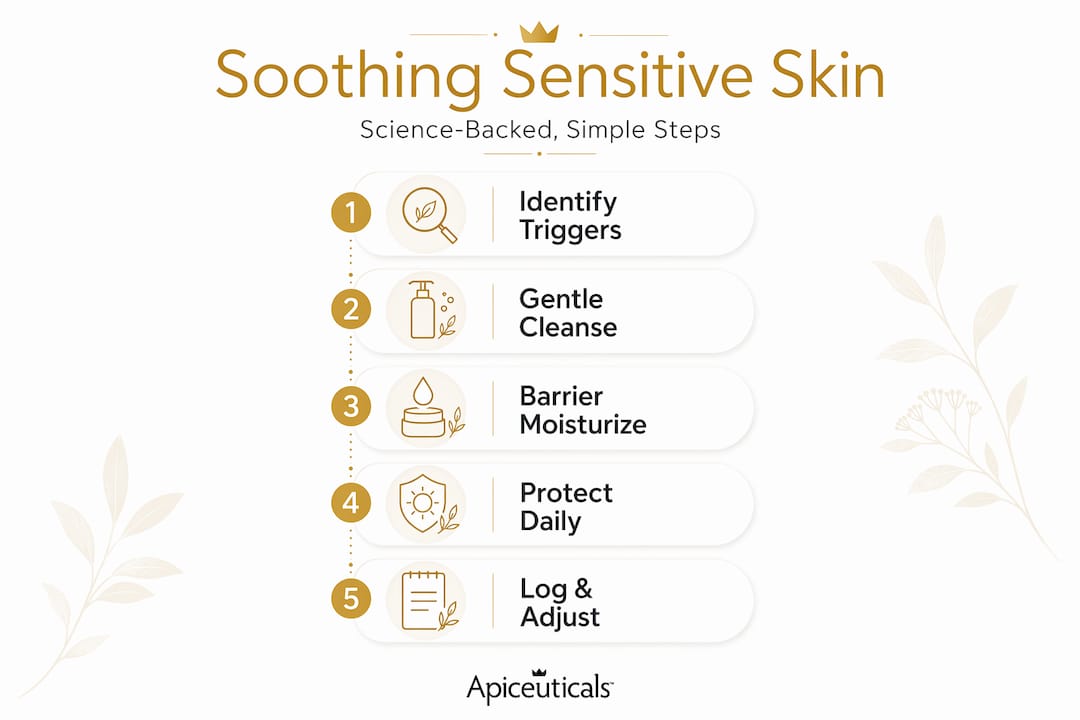
- How to Soothe Sensitive Skin by Understanding Your Triggers
- Gentle cleansing for reactive skin
- Moisturizing strategies for how to soothe sensitive skin
- Sun protection and lifestyle factors
- When to move beyond home care
- My perspective on what actually works for sensitive skin
- Antioxidant skin care built for sensitive skin
- FAQ
Key Takeaways
| Point | Details |
|---|---|
| Identify triggers first | Knowing your specific irritants, from fragrance to hot water, allows you to build a routine that prevents flare-ups rather than just treating them. |
| Sequence your routine correctly | Moisturizing while skin is still damp after cleansing markedly improves moisture retention and barrier repair. |
| Choose antioxidant-rich formulas | Antioxidants reduce oxidative stress at the barrier level, addressing the underlying cause of reactive skin rather than just the surface symptoms. |
| Use a patch test protocol | Contact dermatitis reactions can be delayed by days, meaning short-term testing consistently misidentifies the real trigger. |
| Know when to seek professional help | Symptoms persisting beyond seven days despite gentle care require clinical evaluation, not continued self-treatment. |
How to Soothe Sensitive Skin by Understanding Your Triggers
Before any product or routine can provide lasting relief for sensitive skin, you need to know what is activating the reaction in the first place. Think of the skin barrier like cling wrap over a bowl of water: intact, it holds moisture in and keeps irritants out. When that barrier is compromised, even mild exposures cause disproportionate responses. Common triggers include synthetic fragrances, alcohol-based toners, hot water, airborne allergens, detergent residue on clothing, and even certain preservatives found in products labeled as “gentle.”
The critical and often overlooked factor is timing. Many people assume that if a product caused a reaction, they would know within minutes. In reality, delayed hypersensitivity reactions in contact dermatitis can take 48 to 72 hours to appear, which means you may have stopped using the offending product two days before the redness even surfaces. This timing mismatch leads to false conclusions and perpetuates the cycle of reactive skin.
Common categories of triggers worth evaluating systematically:
- Topical ingredients: Fragrances, essential oils, alcohol, formaldehyde-releasing preservatives, and sulfates
- Physical factors: Hot water, friction from rough towels or loofahs, tight synthetic clothing
- Environmental factors: Extreme cold or dry air, UV exposure, airborne pollen and pollutants
- Lifestyle factors: Chronic stress, poor sleep, dehydration, and diet-related inflammation
Oxidative stress compounds all of the above. When skin is exposed to UV radiation or pollution, free radicals damage the lipid-rich cellular membrane that forms the barrier. Antioxidant-rich formulations, such as those built around the PROPOWAX™ Living Honeycomb technology patented by Apiceuticals and validated by the Aristotle University of Thessaloniki for the highest antioxidant activity in cosmetics, work at this mechanistic level. They neutralize free radicals before barrier degradation can trigger a reactive cascade.
Pro Tip: Keep a simple skin diary for two weeks. Log products used, foods eaten, stress levels, and any symptoms with a timestamp. Patterns emerge faster than intuition alone would suggest.
Gentle cleansing for reactive skin
The cleansing step is where more damage occurs than most people realize. The goal of cleansing sensitive skin is not only to remove debris but to do so without stripping the natural lipid film that keeps moisture locked in and irritants out. The Mayo Clinic recommends limiting bath time to five to ten minutes maximum using warm rather than hot water, a rule that sounds minor but makes a measurable difference in transepidermal water loss.
Follow these cleansing principles in order:
- Use water that is warm, not hot. Hot water dissolves the skin’s natural oils rapidly, leaving the barrier thin and permeable. Lukewarm water cleans just as effectively without that thermal disruption.
- Choose a fragrance-free, sulfate-free cleanser. SLS and SLES, common foaming agents, are among the most documented triggers of barrier disruption in sensitive skin. Look for formulas explicitly free of both.
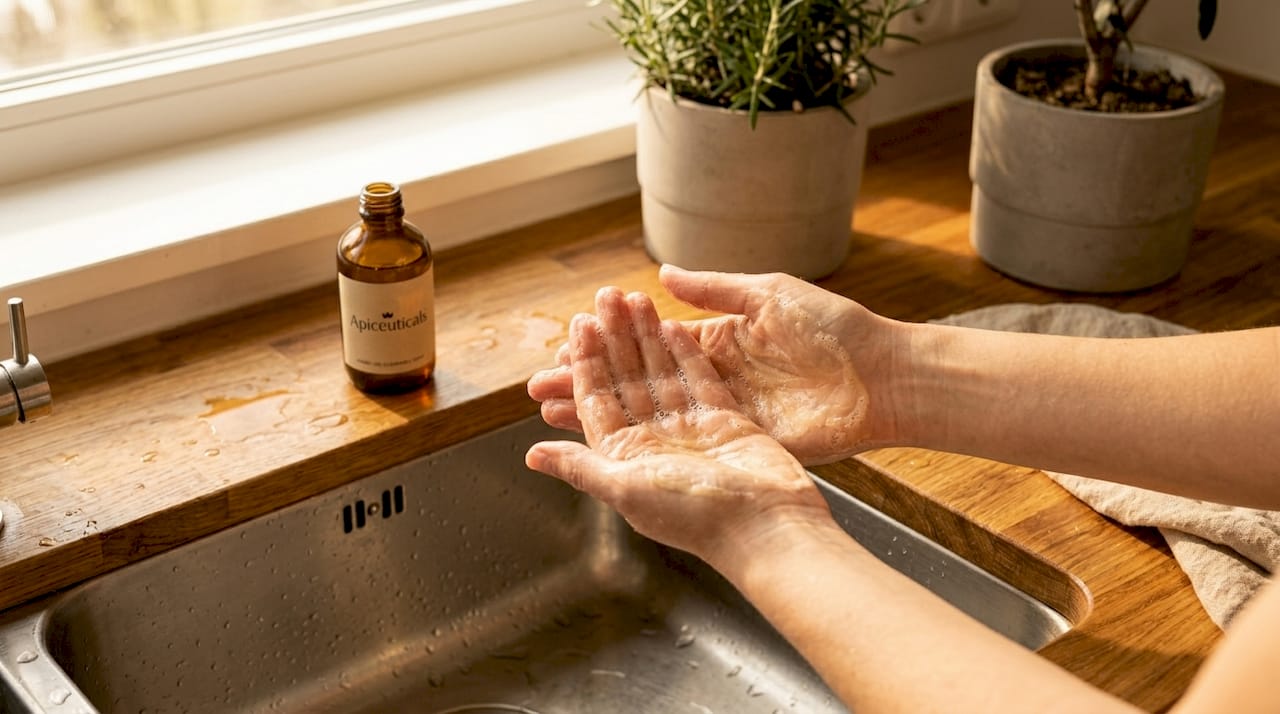
- Apply cleanser with fingertips only. Washcloths, sponges, and loofahs create mechanical friction that inflames reactive skin. Gentle circular motions with clean hands are sufficient.
- Rinse thoroughly. Residual cleanser, even a “gentle” formula, is a primary cause of post-wash tightness and delayed irritation.
- Pat dry, do not rub. A clean, soft cotton towel pressed gently against the skin retains surface moisture that is critical for the moisturizing step that follows immediately.
The PROPOWAX™ Living Honeycomb technology embedded in Apiceuticals’ cleansing formulas provides a continuous antioxidant release that supports barrier integrity even during the cleansing process itself. That is a fundamentally different functional claim compared to standard mild cleansers. For a deeper understanding of daily cleansing and moisturizing routines suited to reactive skin, Apiceuticals’ editorial resources offer evidence-informed guidance aligned with these principles.
Pro Tip: Wash your face last in the shower, not first. Products rinsed from your hair, including conditioners and shampoos, flow over your face and can deposit residues that trigger sensitivity.
Moisturizing strategies for how to soothe sensitive skin
Moisturizing is not simply about hydration. For sensitive skin, it is a barrier repair intervention, and its effectiveness depends almost entirely on timing and ingredient selection. The sequence of pat drying then moisturizing while skin is still damp is one of the most evidence-supported steps in sensitive skin care. The residual surface water acts as a reservoir that the moisturizer then seals in, dramatically improving barrier function compared to applying product on completely dry skin.
When selecting a moisturizer, the ingredient list matters far more than the texture or marketing language on the front of the packaging. The following comparison table outlines key moisturizing agents and their roles in barrier support:
| Ingredient | Mechanism | Best suited for |
|---|---|---|
| Glycerin | Humectant: draws water into the outer skin layer | All sensitive skin types |
| Ceramides | Lipid replenishment: fills gaps in the skin barrier | Dry, eczema-prone, or compromised skin |
| Hyaluronic acid | Humectant: binds up to 1,000x its weight in water | Dehydrated or reactive skin |
| Colloidal oatmeal | Skin protectant: reduces irritation and itching | Eczema, dermatitis, intense irritation |
| Antioxidant complex (PROPOWAX™) | Neutralizes free radicals, reduces oxidative barrier damage | All sensitive and reactive skin types |
Colloidal oatmeal deserves specific attention. Classified by the FDA as an OTC skin protectant, colloidal oatmeal temporarily relieves minor skin irritation, itching, and discomfort associated with eczema and dermatitis. However, the same regulatory labeling specifies an important stopping rule: if symptoms persist beyond seven days, worsen, or clear and then return quickly, you should discontinue use and consult a physician. This is not a caveat to dismiss. It is a clinical signal that the underlying cause requires diagnosis rather than temporary management.
The antioxidant dimension of moisturizing is often overlooked by conventional sensitive skin care advice. Free radical activity from UV exposure and pollution oxidizes the lipid matrix of the stratum corneum, the outermost barrier layer, in the same way rust corrodes metal from the inside out. Apiceuticals holds a global patent for the highest antioxidant activity in cosmetics through its PROPOWAX™ Living Honeycomb technology. Applied in a moisturizer or body lotion, this continuous-release antioxidant system addresses that oxidative component at the source, not just the surface symptom.
For those interested in barrier-focused moisturizing options with minimal irritation risk, unscented tallow-based balms are also gaining evidence-based attention for their lipid profile similarity to human skin sebum, making them worth considering in a sensitive skin moisturizing regimen.
Pro Tip: Apply your moisturizer within 60 seconds of patting skin dry. Every minute of delay allows surface moisture to evaporate, reducing the moisturizer’s sealing effectiveness significantly.
Sun protection and lifestyle factors
Broad-spectrum sunscreen is non-negotiable for sensitive skin, not only because UV radiation is a primary oxidative trigger but because sun-damaged skin loses its barrier resilience faster than protected skin. For sensitive skin specifically, look for mineral-based sunscreens using titanium dioxide or zinc oxide. These sit on the surface of skin and physically deflect UV rays rather than chemically absorbing them, a distinction that matters because chemical UV filters are among the more common contact sensitizers.
Beyond topical care, the following lifestyle factors measurably influence skin reactivity:
- Laundry detergents and fabric softeners: Residues left on clothing are in prolonged contact with skin. Fragrance-free, dye-free formulas reduce this ongoing low-level irritant exposure.
- Sleep and stress: Cortisol disrupts the skin barrier directly by reducing ceramide production. Chronic stress is not just a background variable. It is an active physiological driver of sensitive skin flare-ups.
- Hydration: Adequate daily water intake supports the internal side of skin barrier function. No topical moisturizer fully compensates for systemic dehydration.
- Diet-related inflammation: For some individuals with reactive skin, certain foods trigger systemic inflammatory responses that manifest cutaneously. Keeping a food diary alongside a skin diary can reveal correlations that are otherwise invisible.
Patch testing, when done correctly, is one of the most informative tools available for managing sensitive skin. Contrary to the common practice of applying a product to the inner wrist for 15 minutes, a properly conducted patch test involves repeat allergen exposure over approximately one week with checks at 48 and 96 hours. This protocol catches delayed hypersensitivity reactions that short-term tests consistently miss. Understanding what “dermatologically tested” actually means for product safety is also worth exploring before making new additions to a sensitive skin routine.
When to move beyond home care
There is a point in sensitive skin management where more product experimentation is counterproductive. If you have followed gentle cleansing, consistent moisturizing, and trigger avoidance for seven days and symptoms are still worsening or showing no improvement, the Cleveland Clinic recommends seeking clinical evaluation promptly. Continuing to self-treat beyond this window delays diagnosis and risks converting a manageable irritant reaction into a more entrenched inflammatory condition.
A dermatologist can distinguish between simple irritant contact dermatitis, allergic contact dermatitis, rosacea, seborrheic dermatitis, and atopic eczema. These conditions look similar on the surface but require different treatments entirely. Medical options include:
- Topical corticosteroids: For short-term reduction of acute inflammation in conditions like eczema or allergic reactions.
- Topical calcineurin inhibitors (immunomodulators): Non-steroidal options for long-term management of chronic reactive skin conditions, particularly around the face.
- Phototherapy (light therapy): For persistent inflammatory skin conditions unresponsive to topical treatments.
- Formal patch testing panel: Administered by a dermatologist using a standardized series of 70 to 100 allergens to identify specific contact triggers.
Delayed hypersensitivity reactions can surface two to four days after allergen contact, meaning that without structured clinical patch testing, the real trigger is often never identified at all. This is why guesswork in persistent sensitive skin cases is rarely productive.
My perspective on what actually works for sensitive skin
From my experience working at the intersection of skin science and clean beauty formulation, the most consistent mistake I see is what I call “product overcorrection.” When skin flares, the instinct is to add: a new serum, an extra cream, a calming mask. But every new product is a new variable, and reactive skin does not need more inputs. It needs fewer, better-chosen ones. The number of unnecessary flare-ups I have observed that were caused directly by well-intentioned product layering is significant.
What I have found actually produces results is a short, sequence-correct routine: a gentle cleanser that does not disrupt barrier lipids, applied briefly in lukewarm water, followed within 60 seconds by a barrier-sealing moisturizer while skin is still damp. That sequence, done consistently, outperforms any complex multi-step regimen in almost every clinical context.
The second thing I believe is undervalued in 2026 sensitive skin care is the antioxidant layer. Most people address the visible reaction but not the oxidative trigger preceding it. When I look at the science behind PROPOWAX™ Living Honeycomb at Apiceuticals, what stands out is not the marketing claim but the underlying mechanism: a continuously releasing antioxidant complex validated for the highest antioxidant activity in cosmetics, tested on sensitive skin with zero irritation. That is a meaningful functional distinction. Finally, and I mean this plainly: if your skin has not responded to gentle home care within seven days, see a dermatologist. No skincare article, however well-researched, replaces clinical diagnosis.
— Apiceuticals
Antioxidant skin care built for sensitive skin

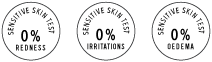
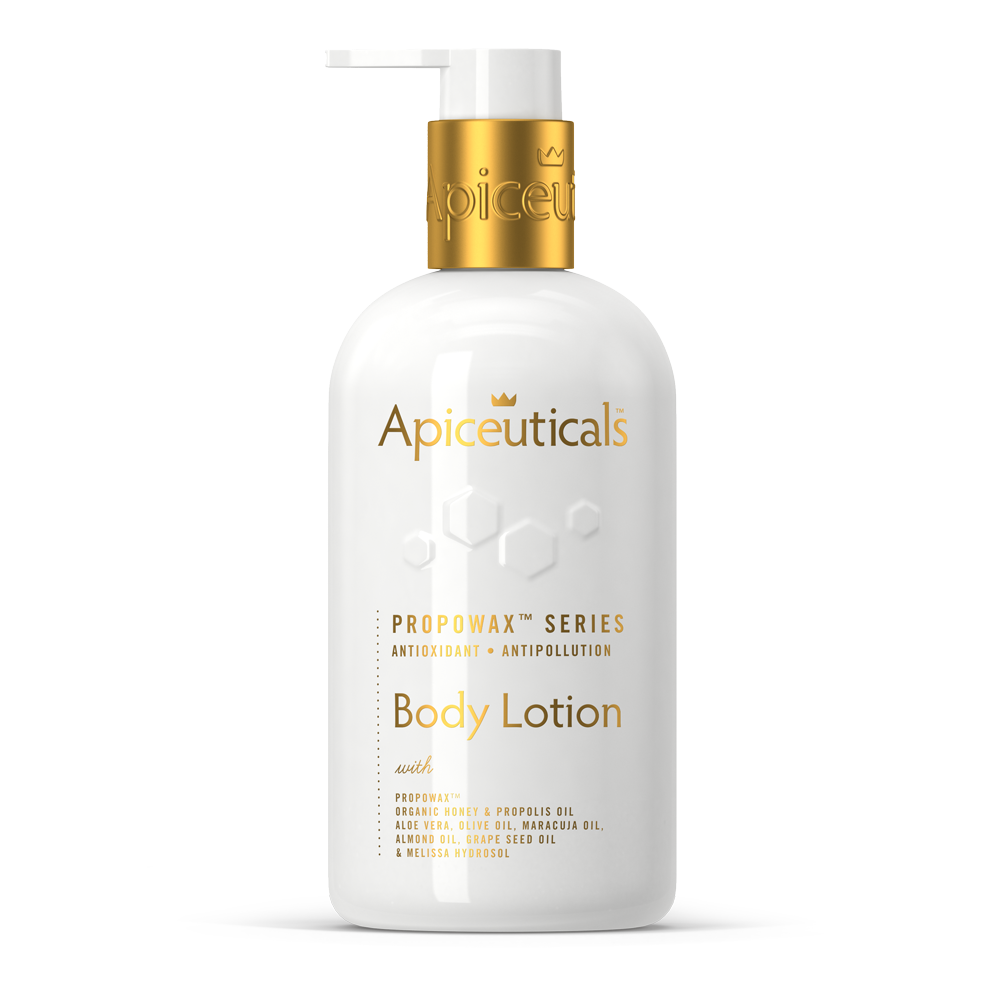
For those ready to move from reactive management to proactive barrier support, Apiceuticals offers a clean beauty range built specifically around the science of antioxidant protection. Every formula in the antioxidant skin care collection excludes over 2,000 potentially harmful ingredients, is SLS-free, SLES-free, paraben-free, silicone-free, and has been dermatologically tested on sensitive skin with 0% irritation recorded. The PROPOWAX™ Living Honeycomb technology, backed by a global patent and validated by the Aristotle University of Thessaloniki, continuously releases antioxidants to neutralize free radicals and support the skin barrier throughout the day. The antioxidant body lotion in the PROPOWAX™ Series is particularly well-suited to the post-cleansing moisturizing step described in this article, offering barrier-sealing hydration alongside continuous antioxidant activity. For a full overview of the science behind this approach, the bee-powered skin science editorial explains the formulation logic in detail.
FAQ
What are the most effective ways to soothe sensitive skin at home?
The most effective strategies for how to soothe sensitive skin at home combine gentle cleansing with mild, fragrance-free products, limiting bath time to warm water under ten minutes, and moisturizing immediately while skin is still damp to seal the barrier.
How can I tell what is triggering my skin sensitivity?
Keep a detailed skin and lifestyle diary and use a structured patch test protocol. Because delayed reactions can appear 48 to 96 hours after exposure, short-term testing on the wrist is rarely sufficient to identify the true trigger.
What ingredients should I look for in the best products for sensitive skin?
Prioritize fragrance-free formulas containing glycerin, ceramides, hyaluronic acid, and colloidal oatmeal for hydration and barrier repair. Antioxidant complexes, including those based on PROPOWAX™ Living Honeycomb technology, address oxidative stress that standard moisturizers do not target.
When should I stop using OTC soothing products and see a doctor?
Per FDA-regulated labeling, colloidal oatmeal and OTC skin protectants should be discontinued and a doctor consulted if symptoms last more than seven days, worsen, or return shortly after the product is stopped.
Does sun protection help with sensitive skin flare-ups?
Yes. UV radiation generates free radicals that oxidize and degrade the skin barrier, directly increasing reactivity. Mineral-based sunscreens using zinc oxide or titanium dioxide are preferred for sensitive skin because they do not rely on chemical UV filters, which are documented contact sensitizers.
Recommended


Related posts

Explore how a trial lasting 24 weeks and Malassezia research link scalp oxidative stress to shedding, and where PROPOWAX™ fits continuous antioxidant care.

See when silicones smooth hair or build up, and how PROPOWAX™ holds a global patent for highest antioxidant activity, validated by Aristotle University.

Explore mountain honey benefits for skin and body, from floral polyphenols and antioxidant activity to evidence on cough relief, wound care, and safe use.

Propolis delivers stronger antioxidant and antimicrobial action. Royal jelly boosts hydration and repair. Learn which suits your skin or scalp and why...

Pick sulfate-free or sulfate shampoo by your scalp, porosity, and color needs. Read evidence-backed guidance, antioxidant options, and a 4-step switch...