No products in the cart.
Return To Shop
Rated 0–2: Is Beeswax Comedogenic for Acne-Prone Skin?
Beeswax is usually low comedogenic, typically rated between 0 and 2 on the standard 0-5 comedogenic scale, and it does not clog pores for most people. The qualifier matters: a heavy balm loaded at high concentration, or blended with pore-clogging oils, can still cause congestion in someone prone to breakouts. PROPOWAX™ research reinforces why formulation context, not the raw ingredient, decides the outcome.
TL;DR:
- Beeswax’s low comedogenic rating of 0 to 2 suggests it rarely clogs pores in isolation, but high concentrations or pairing with heavy oils can increase breakout risk.
- Its molecular structure forms a breathable film on skin, preventing deep pore penetration and reducing the likelihood of pore congestion.
- Contamination from residual propolis, unrefined wax, or allergens may trigger reactions more than beeswax itself, especially in sensitive individuals.
- Testing new beeswax products with patch tests and full ingredient analysis helps prevent reactions, especially for those prone to acne or allergies.
- Formulations based on beeswax, like Apiceuticals’ waterless balms, prioritize antioxidant delivery and structural support over pore-clogging properties.
Table of Contents
- Is Beeswax Comedogenic? Understanding the Rating and Its Limits
- Why Beeswax Rarely Clogs Pores: The Chemistry Behind the Rating
- When Can Beeswax-Based Products Trigger Breakouts?
- How to Introduce Beeswax Safely if You Have Acne-Prone Skin
- What the Independent Research Says Alongside Apiceuticals’ Own Formulation Science
- Our Take: Evidence Over Assumptions
- An Antioxidant-Focused Alternative Worth Knowing
- Primary Sources and Further Reading
- Sources
- FAQ
Is Beeswax Comedogenic? Understanding the Rating and Its Limits
The comedogenic scale runs from 0 (will not clog pores) to 5 (highly likely to clog pores), and it exists to rank how readily an ingredient blocks a follicle under standardized testing conditions. Beeswax is comedogenic in name only when you look at where it actually lands: review literature consistently places it at 0 to 2, alongside a description of the ingredient as generally nonirritating.
That rating tells you less than most shoppers assume. Comedogenic testing was largely developed decades ago on rabbit ear models, and results vary by lab, by wax source, and by how the ingredient is refined before testing.
- A rating of 0 to 2 signals low risk in isolation, not a guarantee across every formula.
- Different suppliers’ beeswax can test slightly differently depending on purification and residual pollen or propolis content.
- No public comedogenic list is universally standardized, so a 1 in one source may appear as a 2 elsewhere.
Treat the beeswax comedogenic rating as a starting point for evaluating a product, not the final word on whether it belongs on acne-prone skin.
Why Beeswax Rarely Clogs Pores: The Chemistry Behind the Rating
Beeswax is made largely of wax esters, long chains of fatty acids bonded to fatty alcohols, and this molecular structure behaves differently on skin than oils do. Rather than absorbing into the follicle, beeswax sits on the surface and forms a breathable film that slows water loss without sealing the skin the way a true occlusive like petrolatum can.
This distinction is the reason formulators keep reaching for it. Wax esters are simply too large and too structurally stable to migrate deep into a pore. Formulation science from Koster Keunen makes the case directly: waxes as a class score low on comedogenic testing because their job in a formula is structural, not penetrative. They stabilize texture, control melt point, and hold water-free balms together.

Beeswax also carries antimicrobial and antioxidant properties documented in dermatology reviews, which is part of why it shows up so often in waterless balm formats rather than lightweight serums. In a balm designed to deliver active ingredients over time, beeswax is the scaffold, not the payload. That structural role, more than any inherent “purity,” explains its consistently low place on the comedogenic scale.
When Can Beeswax-Based Products Trigger Breakouts?
Beeswax pore clogging complaints almost always trace back to the formula surrounding it, not the wax itself. Concentration is the first variable: a lip balm with a trace amount of beeswax behaves nothing like a heavy facial ointment where beeswax makes up a significant share of the base. Formulators and dermatologists note that beeswax-heavy balms can feel more occlusive on oily or already-congested skin, which raises the perceived risk of breakouts even when the wax’s own rating stays low.
The bigger risk usually comes from what beeswax is paired with. Watch for these companion ingredients in a full ingredient list:
- Coconut oil, cocoa butter, and other high-comedogenic oils and butters rated 3 or higher.
- Lanolin, which carries its own irritancy profile for some skin types.
- Any oil blend where beeswax is a minor player behind several richer, more occlusive ingredients.
Contamination is a separate concern entirely. Dermatology case reviews find that allergic reactions attributed to beeswax are often actually caused by residual propolis or plant resin left in unrefined wax, not the purified wax itself.
Pro Tip: If you’ve reacted to a beeswax product before, patch test purified beeswax and a propolis-containing product separately on your inner arm. That comparison often reveals which ingredient was really responsible.
One more nuance worth flagging: if you deal with fungal acne linked to Malassezia yeast, some estheticians watch beeswax cautiously because its esters could theoretically feed that yeast. Evidence here is limited and highly individual, so this is a “monitor your own skin” caveat, not a blanket warning.
How to Introduce Beeswax Safely if You Have Acne-Prone Skin
Testing a new beeswax product does not need to be complicated, but skipping steps is how most reactions happen. Follow this sequence before adding anything to your regular routine:
- Patch test first. Apply a small amount to your inner forearm and wait 48 hours, watching for redness, bumps, or itching.
- Check the full ingredient list, not just the marketing copy. Beeswax near the top of the list combined with heavy oils is a different risk profile than beeswax appearing sixth or seventh.
- Start with a lightweight format. A balm cleanser or lip treatment introduces less beeswax to your skin than a thick overnight mask.
- Introduce it in isolation. Add one new product at a time so that if a breakout appears, you know what caused it.
- Watch the T-zone and jawline for two weeks. Congestion from a genuinely problematic formula tends to show up within this window, not months later.
- Flag propolis or “raw honeycomb extract” on the label if you’ve ever had a bee-product reaction, and consider testing that ingredient separately.
- See a dermatologist if you develop persistent, painful, or cystic breakouts after starting a new balm. That pattern points to something beyond simple pore-clogging and deserves a professional look, especially if you suspect a Malassezia-driven flare rather than standard acne.
Reading labels this way turns a vague worry about “is beeswax pore clogging” into a specific, answerable question about the product in your hand.
What the Independent Research Says Alongside Apiceuticals’ Own Formulation Science
A family beekeeping practice with a history dating back to 1981 underlies the approach to beeswax, alongside a research credential: a global patent holds that it has the highest antioxidant activity in cosmetics through PROPOWAX™ Living Honeycomb technology, independently validated by the Aristotle University of Thessaloniki.
In certain waterless HONEY BALM™ formulations, beeswax performs the structural role that independent formulation science describes: it stabilizes the balm’s texture and helps the PROPOWAX™ Living Honeycomb release antioxidants steadily, without the water-based emulsifiers that can irritate reactive skin. That mirrors what independent formulation reviews report across the wax category generally:
- Beeswax provides structure and mild occlusion rather than deep pore penetration.
- Its low comedogenic rating holds up across multiple independent testing summaries.
- Antimicrobial and antioxidant properties support its use as a functional base, not just a texturizer.
You can read more about how beeswax functions in skincare formulations on Apiceuticals’ ingredient pages.
Our Take: Evidence Over Assumptions
The honest answer to “is beeswax comedogenic” is that the ingredient itself rarely deserves the blame it gets. Breakouts attributed to beeswax almost always trace back to concentration, companion oils, or contamination, not the wax. If you have acne-prone or reactive skin, patch test, read the full formula, and judge the product, not the ingredient in isolation.

An Antioxidant-Focused Alternative Worth Knowing
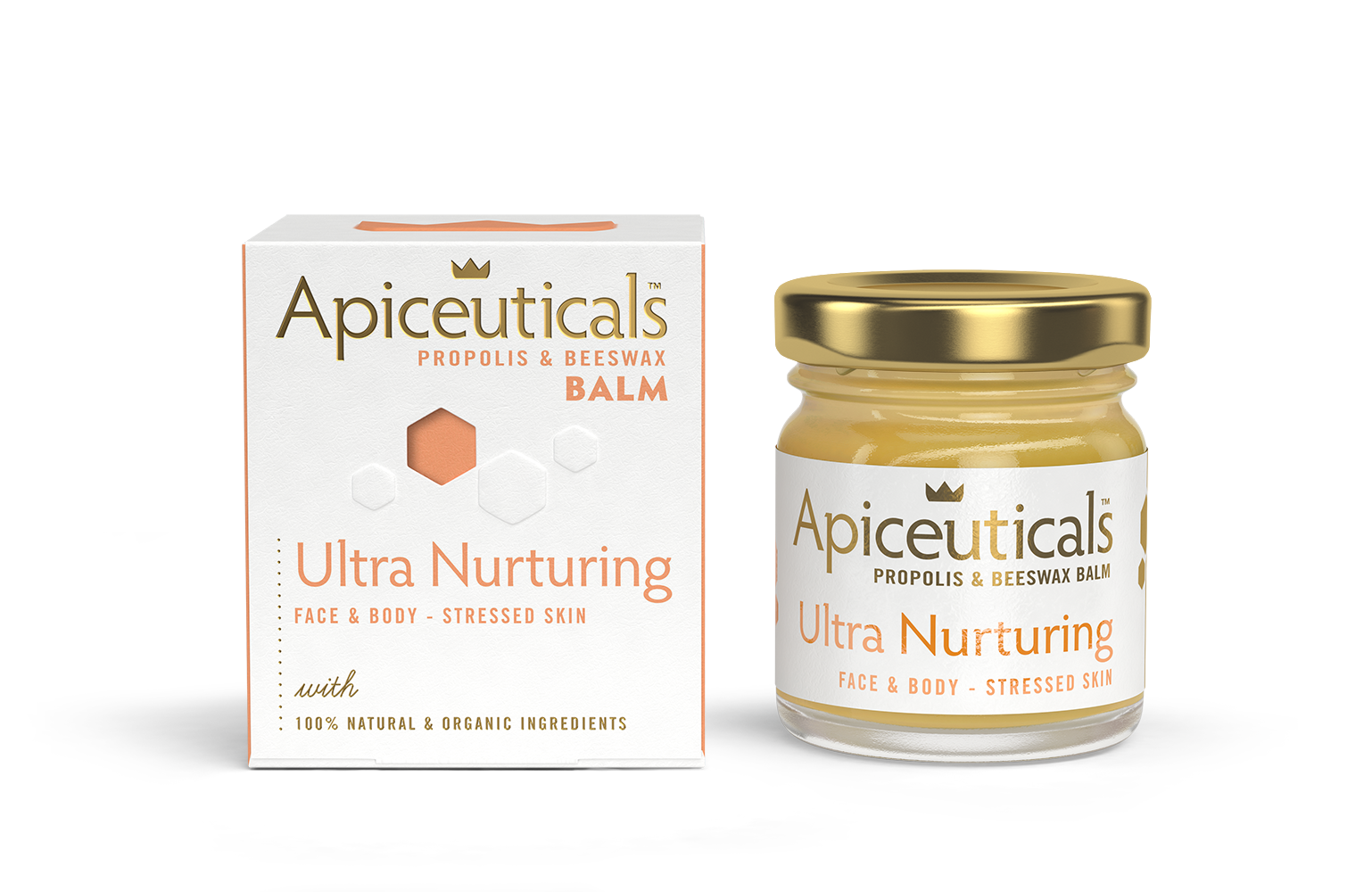
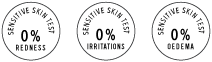
If you’ve been avoiding beeswax formulas out of caution, a different starting point is waterless balms built around the PROPOWAX™ Living Honeycomb, dermatologically tested on sensitive skin with 0% irritation and formulated without SLS, parabens, silicones, or mineral oils.

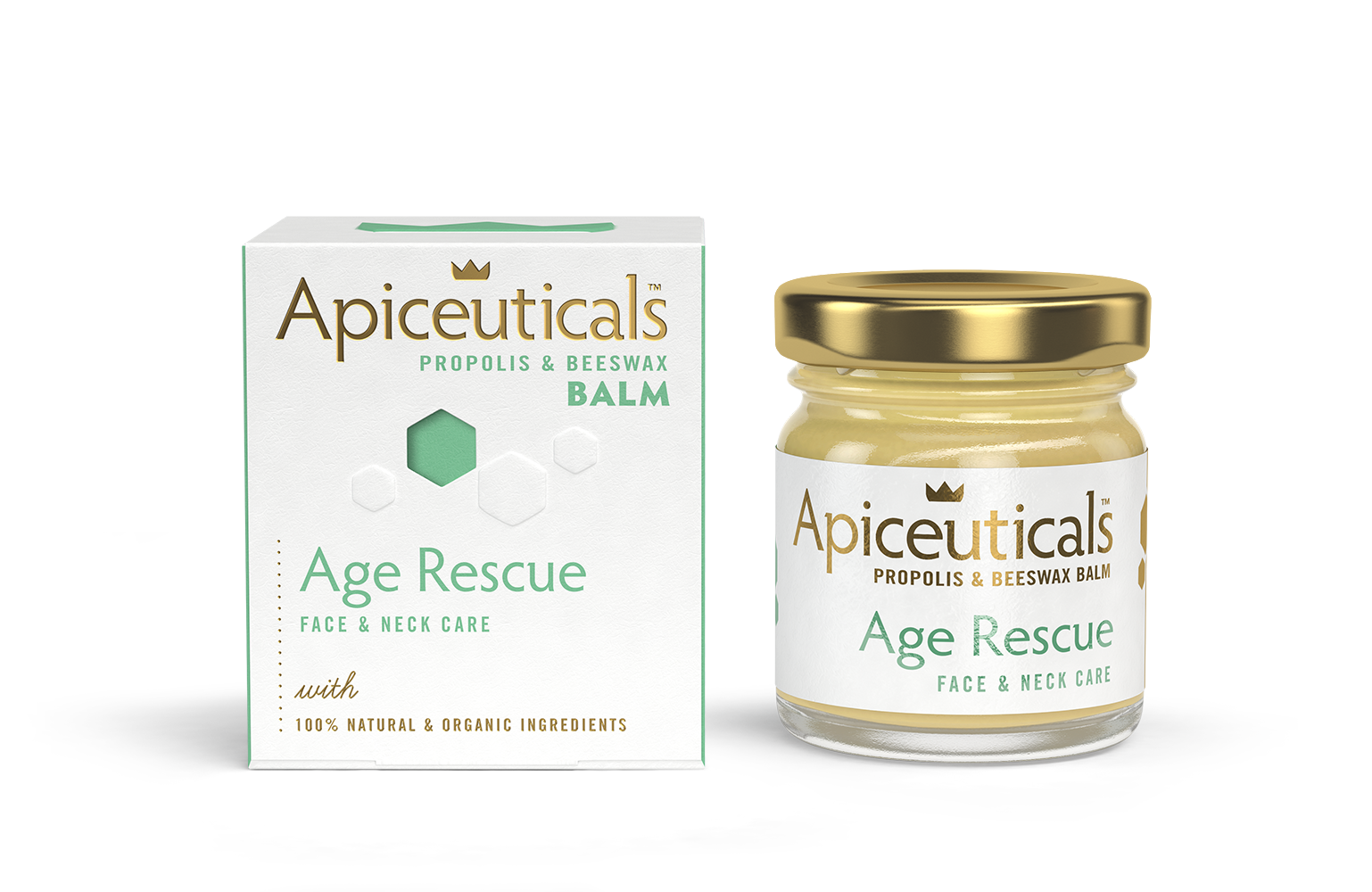
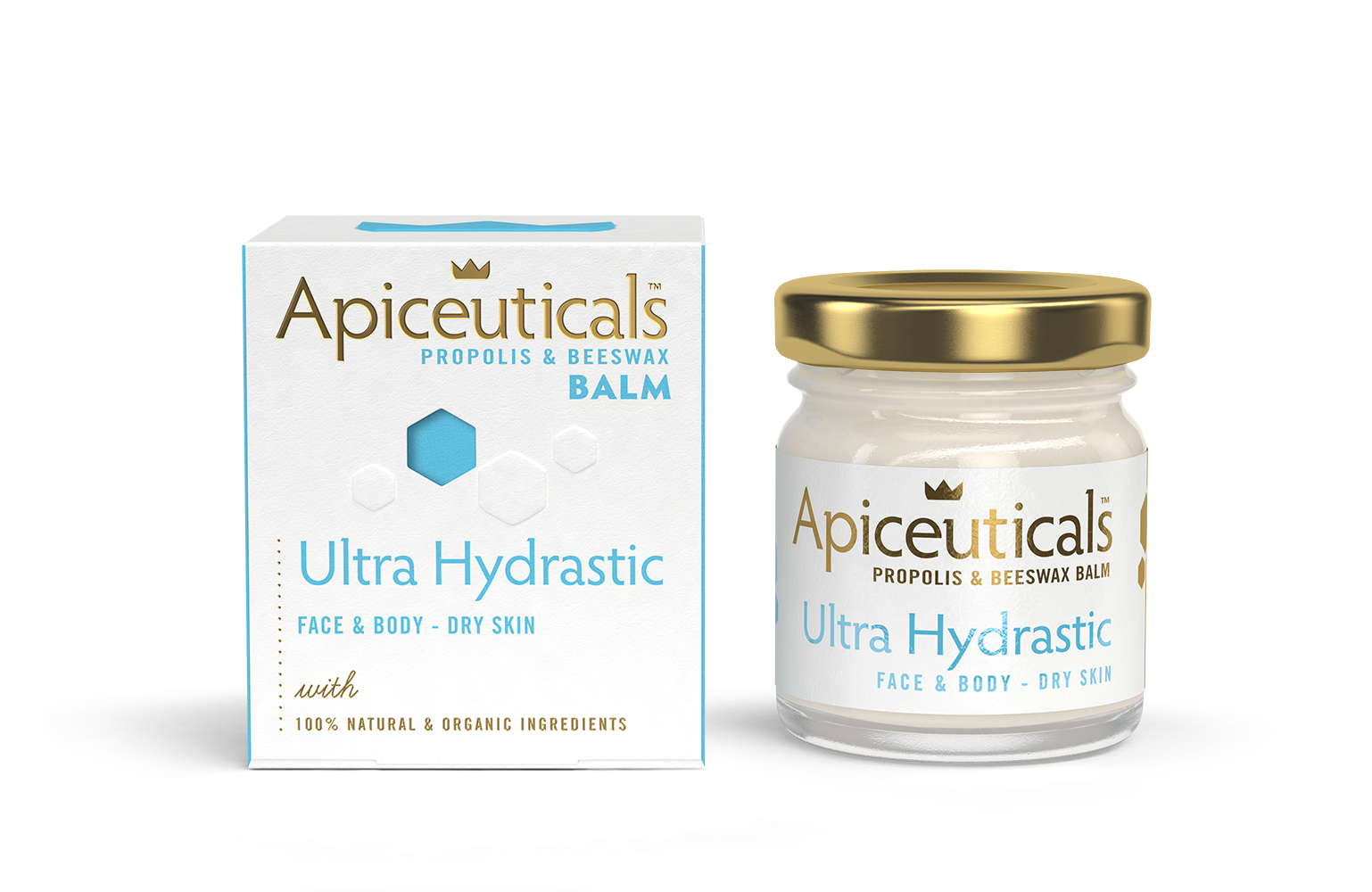
Instead of guessing whether a beeswax-heavy product suits reactive skin, you can evaluate a formulation built specifically around antioxidant delivery rather than heavy occlusion. The HONEY BALM™ Series uses beeswax as structural support for its Living Honeycomb, not as a filler ingredient stacked behind coconut oil or cocoa butter. Browse the full PROPOWAX™ and HONEY BALM™ product range to see formulations, and check the ingredient breakdown for beeswax before adding anything new to a sensitive-skin routine.
Primary Sources and Further Reading
- A review of the use of beeswax in skincare — peer-reviewed summary of comedogenic and irritancy data.
- Contact allergy and propolis review — dermatology literature on bee-product allergic reactions.
- Debunking the myth of wax comedogenicity — formulation science on wax-class comedogenic testing.
- PubMed listing on beeswax composition and skin effects — ingredient database summary of comedogenic caveats.
Sources
- A review of the use of beeswax in skincare – Nong – 2023
- Contact allergy and propolis / related dermatology review (PMC)
- Debunking the myth of wax comedogenicity — Koster Keunen
- PubMed listing relevant to beeswax/composition and skin effects
FAQ
Is Beeswax OK to Put on Your Face?
Yes, for most skin types beeswax is considered safe for facial use, with review literature describing it as generally nonirritating. People with a known bee-product allergy or fungal-acne sensitivity should patch test first.
Is Beeswax Good for Acne-Prone Skin?
Beeswax itself is low comedogenic and unlikely to trigger new breakouts on its own. The risk with acne-prone skin usually comes from the full formula, particularly high-concentration balms or products that pair beeswax with heavier, more pore-clogging oils.
Which Oil Has a 0 Comedogenic Rating?
Several lightweight oils, including mineral oil substitutes and some refined seed oils, are commonly listed at 0 on comedogenic charts, though ratings vary by source and testing method. Beeswax itself is typically listed close to that range, at 0 to 2, rather than as an oil.
What Are the Disadvantages of Beeswax in Skincare?
The main drawbacks are formulation related: beeswax-heavy balms can feel occlusive on oily skin, and unrefined wax can carry propolis or resin residue that triggers allergic reactions in sensitive individuals. Dermatology case reviews point to that contamination, rather than pure beeswax, as the more common allergy trigger.
Does Apiceuticals Test Its Beeswax Formulas for Sensitive Skin?
Yes, Apiceuticals formulas are dermatologically tested on sensitive skin with 0% irritation and built around the PROPOWAX™ Living Honeycomb technology. Pricing for individual products is available directly on the Apiceuticals shop.
Recommended


Related posts

Explore how a trial lasting 24 weeks and Malassezia research link scalp oxidative stress to shedding, and where PROPOWAX™ fits continuous antioxidant care.

See when silicones smooth hair or build up, and how PROPOWAX™ holds a global patent for highest antioxidant activity, validated by Aristotle University.

Explore mountain honey benefits for skin and body, from floral polyphenols and antioxidant activity to evidence on cough relief, wound care, and safe use.

Propolis delivers stronger antioxidant and antimicrobial action. Royal jelly boosts hydration and repair. Learn which suits your skin or scalp and why...

Pick sulfate-free or sulfate shampoo by your scalp, porosity, and color needs. Read evidence-backed guidance, antioxidant options, and a 4-step switch...