No products in the cart.
Return To Shop
PROPOWAX™: The Antioxidant Edge for Luxury Hotel Toiletries Brands
The strongest luxury hotel toiletries brands in 2026 are the ones that treat the bathroom counter as a skin-science delivery point, not a scent accessory. Apiceuticals approaches hotel amenities through PROPOWAX™ Living Honeycomb, a patented antioxidant system validated by Aristotle University of Thessaloniki for the highest recorded antioxidant activity of its kind, paired with refillable dispenser systems built for 4- and 5-star housekeeping operations. The result is a guest amenity that supports skin health, cuts single-use plastic, and holds up under the wear of daily hotel turnover.
TL;DR:
- Refillable dispensers made from recycled materials and tailored scent signatures are now standard among premium hotels, emphasizing sustainability and brand differentiation.
- Full ingredient transparency, dermatological validation, and operational compatibility are crucial checks for procurement teams before selecting a luxury amenities supplier.
- Antioxidant-based formulations like PROPOWAX™ offer scientifically validated skin benefits, shifting luxury amenities toward functional health benefits rather than scent alone.
- Customization, including exclusive scents and formulation adjustments, enhances guest loyalty and elevates signature suite experiences.
- Consistent, high-quality amenities positively impact repeat bookings, with scent, formulation safety, and packaging design directly influencing guest satisfaction.
Table of Contents
- What Defines Premium Hotel Toiletries Today?
- What Should Procurement Teams Check Before Choosing a Supplier?
- What Amenity Trends Should Hotels Plan Around in 2026?
- How Does Apiceuticals’ PROPOWAX™ Approach Fit Hotel Procurement Needs?
- How Do You Roll Out a New Hotel Amenity Program?
- Which Premium Toiletry Brands Do Hotels Actually Use?
- Which Luxury Hotel Toiletry Brands Shape the Global Market?
- How Do Guest Experiences Differ Across Toiletry Brands?
- How Does Packaging Design Shape Guest Perception?
- How Are Hotels Personalizing Toiletries for High-End Guests?
- Do Luxury Toiletries Actually Drive Guest Loyalty?
- How Do Hotel Brand Partnerships and Bespoke Scents Work?
- Editor’s Perspective: Why Antioxidant-Led Amenities Matter
- Apiceuticals Amenity Solutions: Learn More and Request Samples
- Sources
- FAQ
What Defines Premium Hotel Toiletries Today?
Guests can no longer be impressed by a pleasant fragrance alone. The luxury hotel toiletries brands setting the pace in 2026 compete on formulation transparency, sensorial precision, and container design that reads as considered rather than disposable. A shampoo left on a marble vanity now has to answer questions that didn’t exist a decade ago: what’s excluded from the formula, how the scent is engineered to layer with the property’s signature fragrance, and whether the bottle itself will end up in a landfill or back in a refill loop.
Dermatological restraint has become the baseline, not a marketing flourish. Formulas free of SLS, SLES, parabens, silicones, and mineral oils are now expected in properties courting guests with sensitive skin or fragrance allergies, and hotels increasingly request derm test documentation before signing a supply contract. Alongside that restraint, formulators are pushing functional actives, antioxidants chief among them, into categories that used to be purely cosmetic. Waterless and concentrated formats let brands pack more active ingredient into less product, which matters when a guest only has ninety seconds with a bottle before checkout.
Presentation has shifted just as much as the formula inside the bottle. High-end hotel amenity collections now favor:
- Refillable wall mounted or countertop dispensers instead of single use minis
- Recycled PET or glass bottles with finishes that match a property’s material language
- Bespoke scent signatures developed exclusively for one hotel group or flagship property
- Weighted caps and soft touch coatings that signal quality before a guest reads a single label
Scent categories still do a lot of the positioning work. A botanical, green profile telegraphs a wellness resort; citrus and neroli read as coastal and casual luxury; woody or leather notes anchor a masculine, urban business hotel identity. The best luxury hotel bath products align scent family with the property’s overall brand story rather than chasing whatever fragrance is trending that season.
What Should Procurement Teams Check Before Choosing a Supplier?
Selecting among luxury hotel amenities brands is less about brand recognition and more about whether a supplier can document its claims and support daily operations at scale. A procurement director evaluating premium hotel soaps or shower ranges should work through a short, disciplined sequence rather than relying on a sales deck.
- Request full ingredient transparency. Ask for complete ingredient lists, dermatological test reports, and documentation for any specific claim (antioxidant activity, wrinkle reduction, irritation rates) rather than accepting marketing language at face value.
- Verify sustainability credentials in detail. Ask what the refill bottle is made from, whether the supplier operates a take back program, and whether any cradle to cradle or third party certification backs the sustainability claim.
- Confirm operational fit before signing. Dispenser hygiene design, housekeeping refill time per room, and availability of replacement parts determine whether a beautiful system becomes a daily headache.
- Weigh the guest experience variables. Scent longevity on skin, texture on first application, and packaging aesthetics under bathroom lighting all shape the review a guest leaves after checkout.
Pro Tip: Ask a prospective supplier for a small multi room sample kit before any contract discussion. A dispenser that looks flawless in a showroom can jam, drip, or clash with existing fixtures once housekeeping puts it through a real turnover cycle.
Co-branded or VIP program options are worth a separate conversation. Some suppliers will develop a bespoke scent or private label range exclusively for one property or group, which can differentiate a signature suite tier without requiring the hotel to build its own cosmetics operation from scratch.
What Amenity Trends Should Hotels Plan Around in 2026?
Refillable dispenser adoption has moved from a sustainability nice to have to a procurement default among premium properties. Amouage’s Whispers Of The Fan collection for Mandarin Oriental illustrates the shift clearly: the line ships in a sustainably produced refillable dispenser system with formulations of natural origin, developed through a partnership with manufacturer ADA Cosmetics, which also holds a Cradle to Cradle Certified Full Scope Silver portfolio and an EcoVadis Gold rating. L’Occitane’s hospitality ranges follow a similar logic, pairing dispensers with refill bottles made from recycled and recyclable PET.
Bespoke fragrance collaborations are turning amenities into a signature touchpoint rather than a commodity supply line. When a hotel group commissions a scent exclusive to its properties, it gains a differentiator that guests associate specifically with that brand, though it also means accepting longer development timelines and less flexibility to switch suppliers quickly.
Guest tiered amenity strategies are expanding fastest at the top of the house. Editorial coverage of luxury bathroom amenities in 2026 points to properties treating the bathroom as a genuine beauty destination, with co-branded carts and VIP bundles reserved for suite guests or loyalty program members. Hotels increasingly track:
- Guest satisfaction scores specific to bathroom amenities
- Repeat booking rates tied to signature amenity programs
- Housekeeping efficiency gains from standardized refill systems
Sustainability has stopped being an optional marketing layer. It now sits inside the procurement brief itself, evaluated alongside price and scent, because refillable systems balance hygiene and operational efficiency without forcing a compromise on how the amenity looks or feels in a guest’s hand.
How Does Apiceuticals’ PROPOWAX™ Approach Fit Hotel Procurement Needs?
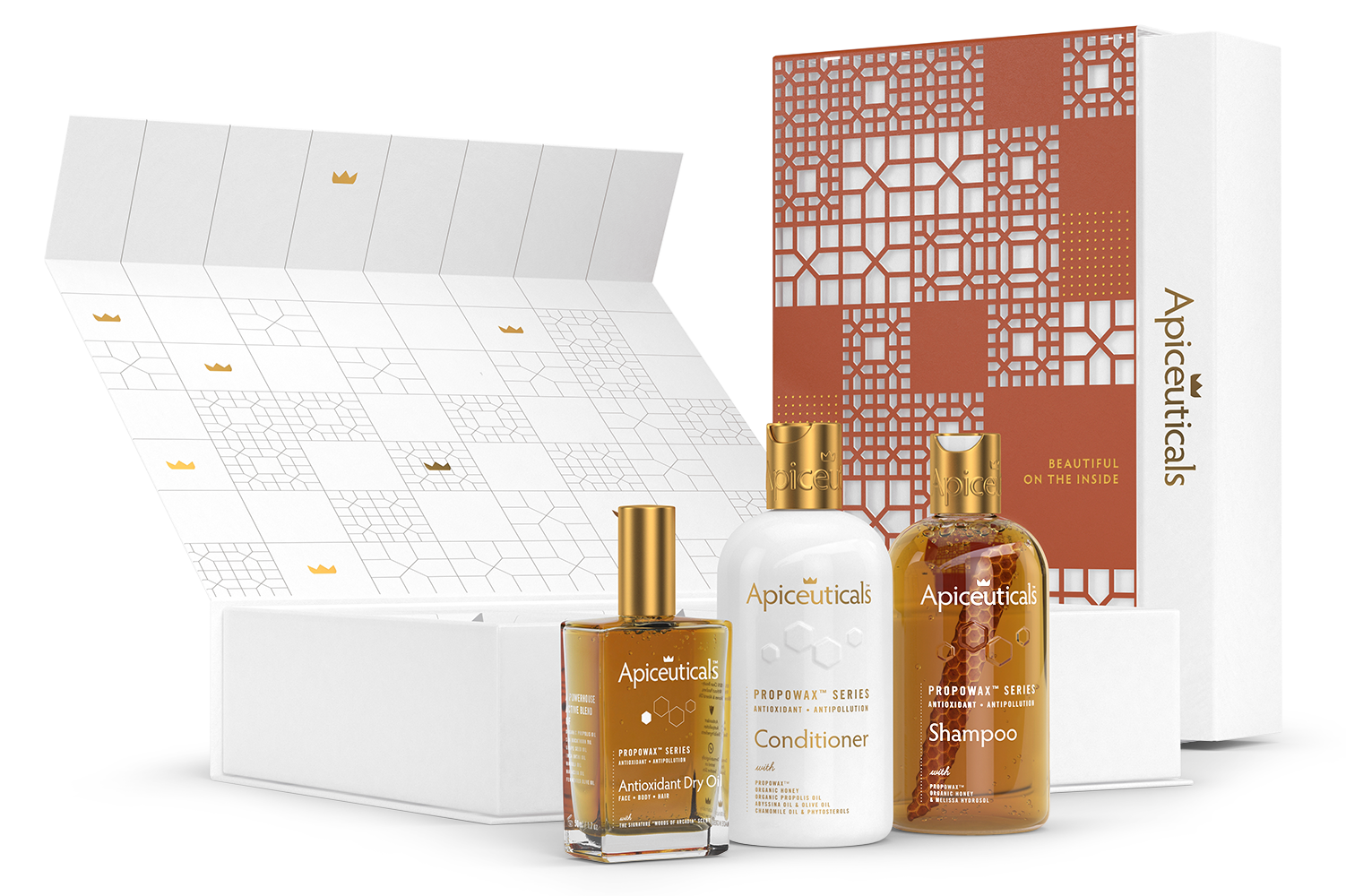
PROPOWAX™ Living Honeycomb is a patented antioxidant delivery structure built into Apiceuticals’ formulations, continuously releasing antioxidant compounds onto skin, scalp, and hair rather than depositing them once and washing away. Apiceuticals holds a global patent for the highest antioxidant activity in cosmetics using this technology, and the claim carries independent scientific weight: it was validated by researchers at Aristotle University of Thessaloniki, giving hoteliers a documented, university-tested basis for the antioxidant claim rather than an unverified marketing assertion.
For a hotel evaluating luxury guest room amenities, the relevant product families map directly onto procurement priorities:
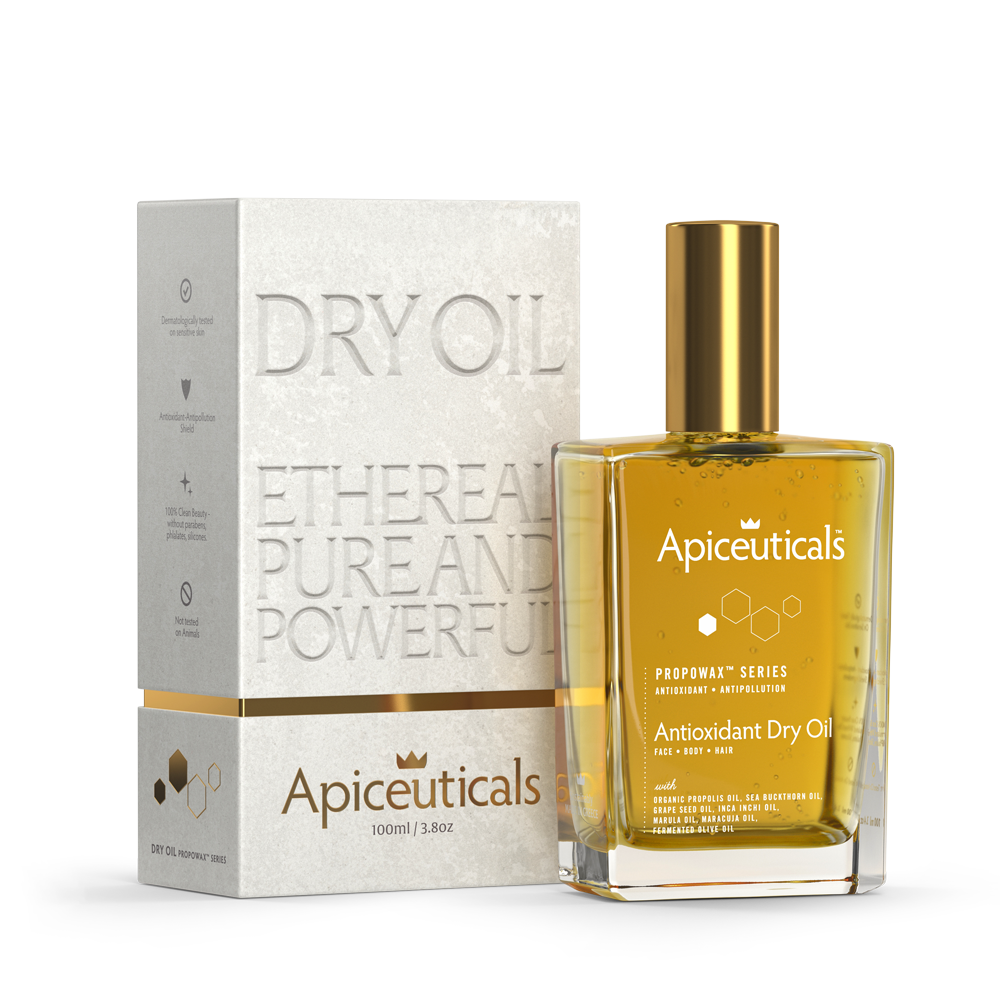
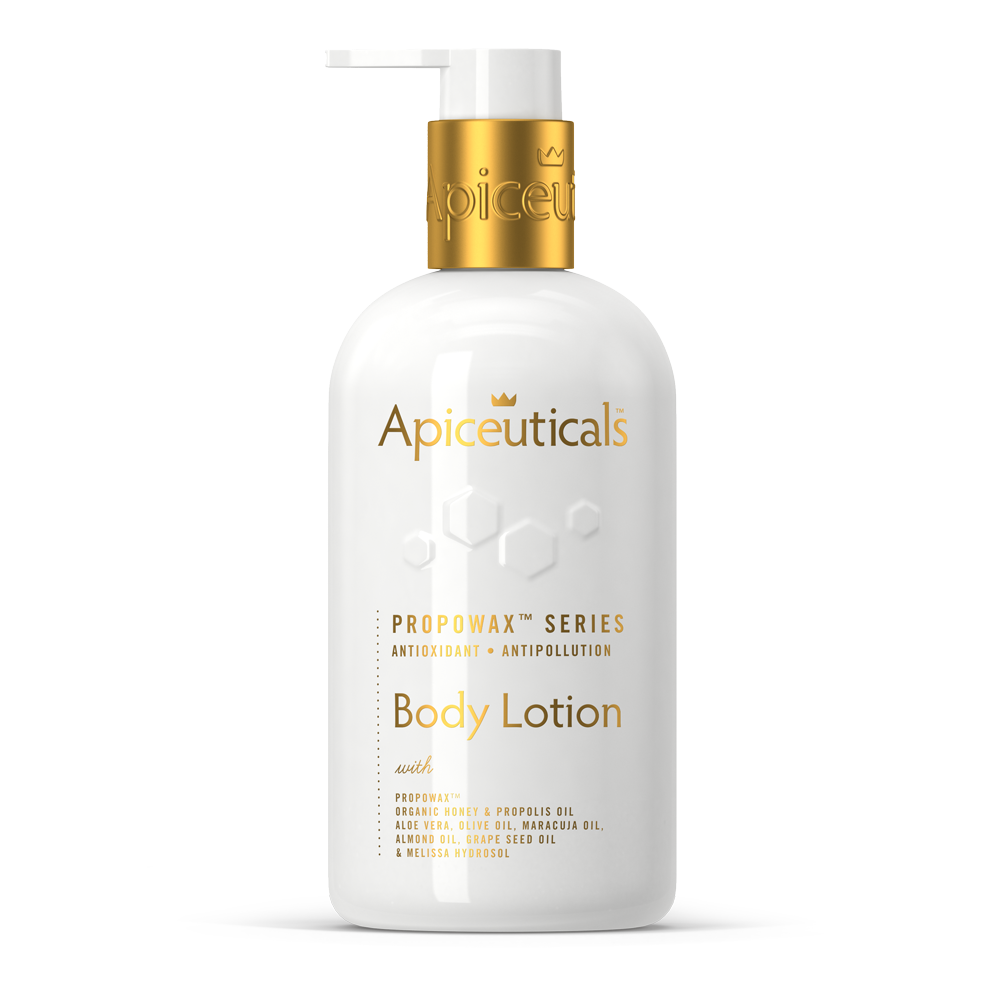
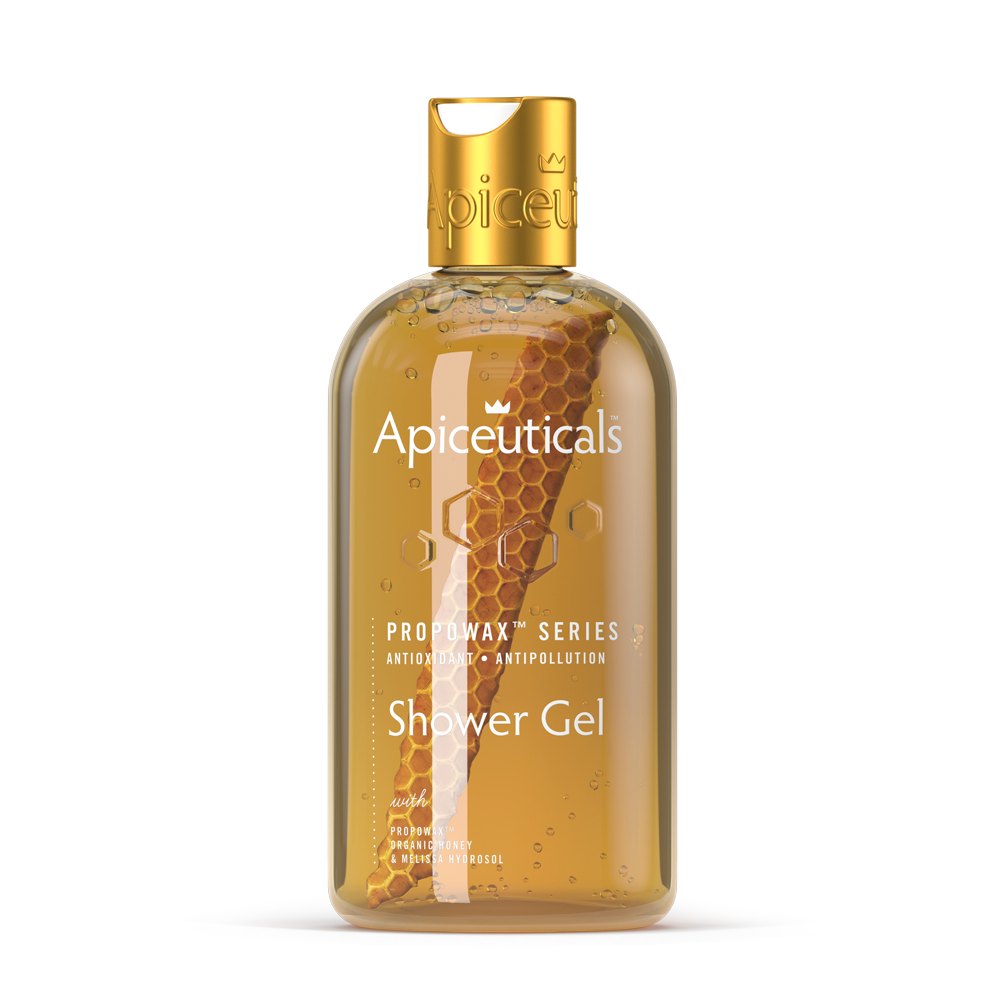
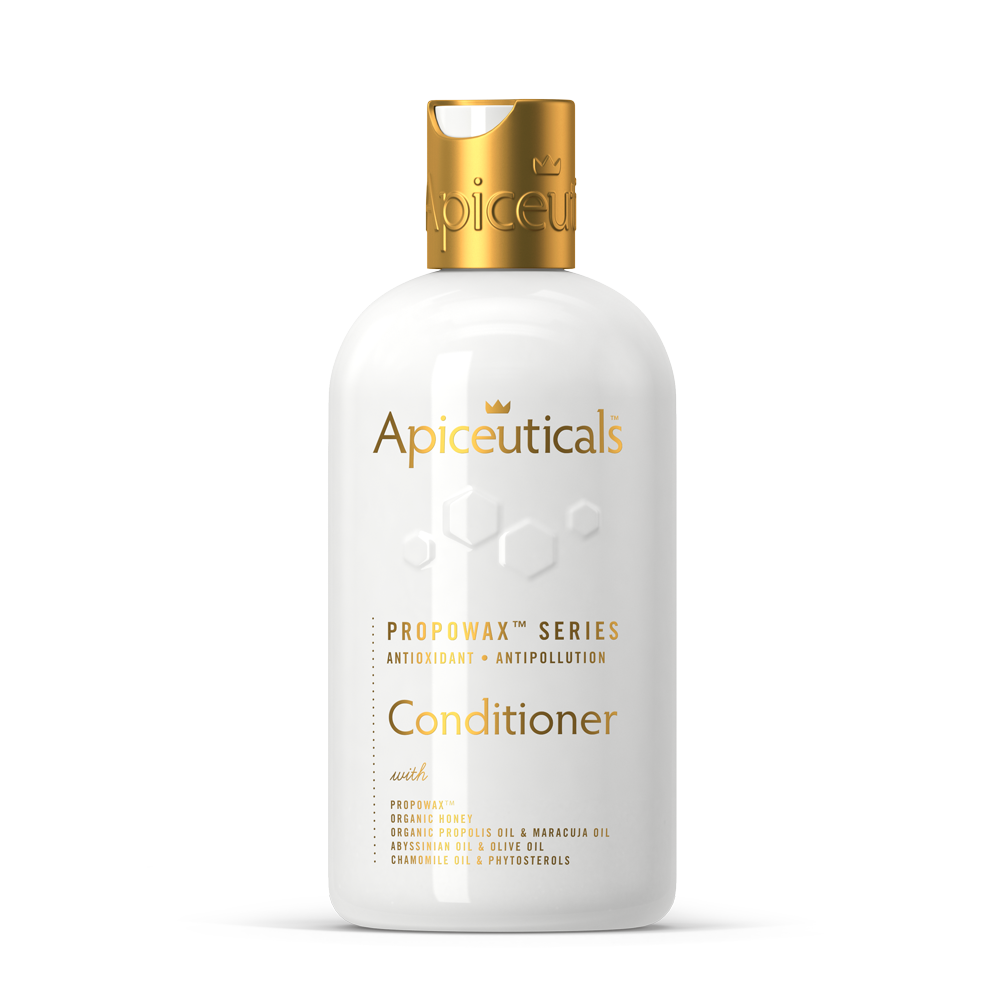
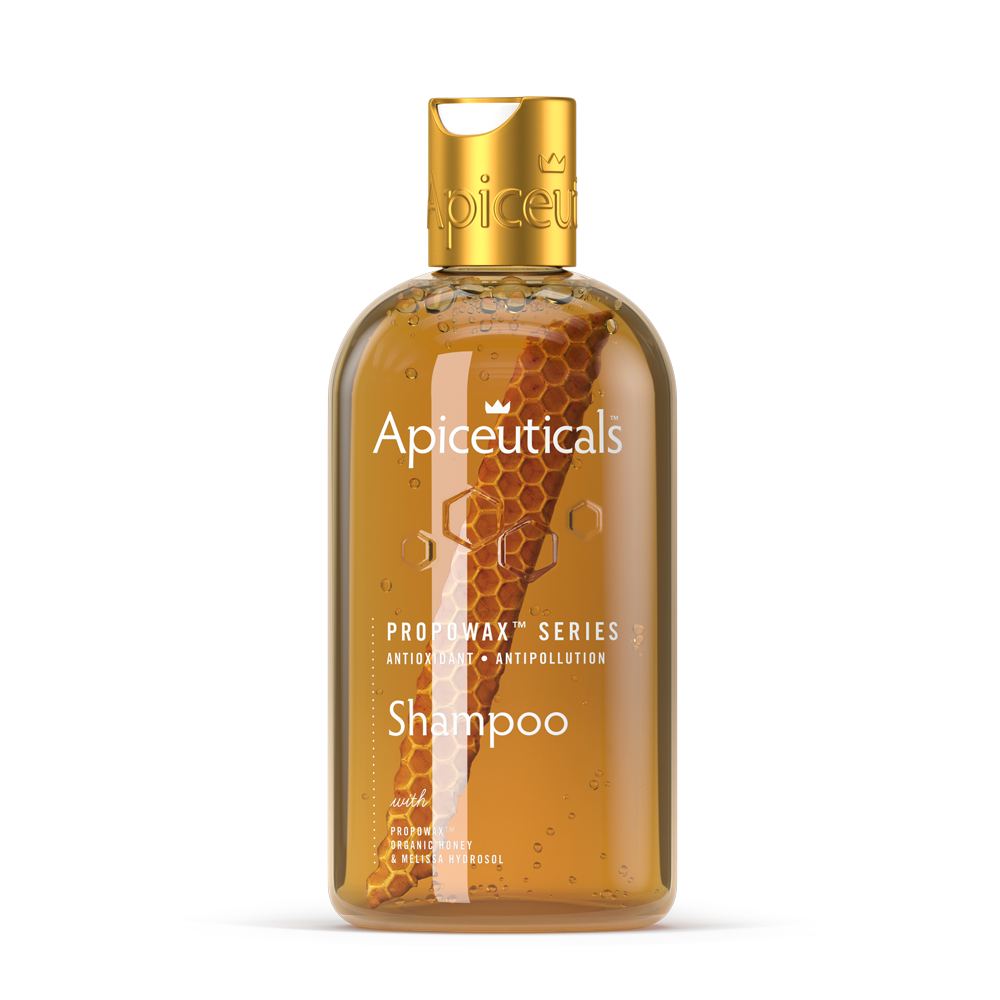
- PROPOWAX™ Series hair and body formulas deliver antioxidant activity in the leave-on and rinse-off formats guests expect in a bathroom collection.
- HONEY BALM™ Series waterless facial care concentrates active ingredients into a balm format, which allows a higher concentration of actives to reach skin during the short window a guest actually engages with a product, an advantage rinse-off formats typically can’t match.
- Refillable amenity systems are designed specifically for 4 and 5 star hotel operations, addressing the same hygiene and housekeeping workflow concerns procurement teams raise about any dispenser rollout.
Independent validation from Aristotle University anchors Apiceuticals’ antioxidant claim in measurable science, not marketing.
Apiceuticals’ recognition record adds a further layer of due diligence support: the brand has earned multiple industry awards for sustainability and product quality. On the operational side, hotels working with Apiceuticals can request sample kits, customize scent and labeling for a property specific identity, and plan refill frequency around actual occupancy rather than guessing at inventory. Explore the full PROPOWAX™ Series body and bath range to see how the formulations translate into a hotel ready collection.
How Do You Roll Out a New Hotel Amenity Program?
Switching amenity suppliers touches housekeeping, procurement, and guest experience simultaneously, so a phased approach protects against disruption on all three fronts.
Define objectives and guest tiers first. Decide whether the new amenity applies property wide or only to suite and loyalty tiers before requesting samples, since that decision shapes everything downstream.
Run a contained pilot. Order sample packs and test in a limited block of rooms, ideally across a mix of standard and premium categories, for at least two to three weeks.
Measure both operational and guest metrics. Track housekeeping refill time per room, breakage or loss rates, and guest sentiment specific to scent and texture, not just general satisfaction scores.
Negotiate terms before scaling. Lock in refill pricing, branding rights, replacement part availability, and service level commitments once the pilot data supports moving forward.
Roll out in phases with staff training. Expand property wide only after housekeeping teams are trained on the new dispenser mechanics and refill cadence.
Pro Tip: Build your pilot around the housekeeping team’s actual turnover schedule, not an idealized one. A dispenser that performs beautifully during a slow week can still fail during a fully booked holiday weekend, and that’s exactly when a guest will notice.
Sustainability performance should be tracked alongside guest experience metrics from day one, since a program that reduces plastic waste but frustrates housekeeping staff won’t survive past its first quarter.
Which Premium Toiletry Brands Do Hotels Actually Use?
Brand placement in luxury hotel bathrooms rotates more often than guests assume. Coverage of the category notes that certain fragrance and skincare houses maintain long-standing placements with specific hotel groups, while others shift entirely: Ritz-Carlton, for instance, adopted Diptyque as of 2025 after previous partnerships. This kind of rotation reflects contract cycles, brand refresh strategies, and shifting guest demographics rather than any single brand holding permanent dominance in the category.
For procurement teams, that volatility carries a practical lesson: exclusivity clauses locked in for too many years can leave a property stuck with a scent identity that no longer matches its guest base. Flexible renewal terms, along with the option to refresh scent or packaging mid-contract, tend to serve hotels better than rigid long-term agreements that assume guest tastes and market positioning will stay static across an entire contract term.
Boutique and independent properties often take a different route entirely, working directly with a bee-science or clean beauty formulator to build a private label collection rather than licensing a recognized fragrance house name. This approach trades instant brand recognition for full control over ingredient sourcing, antioxidant content, and a scent signature no competing property can replicate. It’s a strategy that rewards properties willing to invest in a distinctive identity over one borrowed from a name guests might recognize from a department store counter.
Which Luxury Hotel Toiletry Brands Shape the Global Market?
The most recognized names in luxury hotel amenities brands span a spectrum from heritage perfume houses to clean beauty formulators, each occupying a distinct market position. Fragrance-first houses lean on scent heritage and often develop exclusive collections for flagship properties, positioning the amenity as an extension of haute perfumery rather than a functional toiletry. Body care specialists with hospitality divisions bring decades of formulation experience and increasingly lead with sustainability credentials, recycled packaging, and refill infrastructure as a core part of their pitch to hotel groups.
A newer category, antioxidant and clean beauty formulators, has entered the space by leading with ingredient science rather than fragrance pedigree. Apiceuticals sits in this category, positioning PROPOWAX™ Living Honeycomb as the differentiator rather than a signature scent alone, though scent development still plays a role in the finished product. This matters for market positioning because it gives hotels a genuine alternative to the assumption that luxury toiletries must be scent-led to feel premium.
Positioning within this market increasingly correlates with the property type a brand serves. Urban business hotels tend toward woody, structured fragrance houses; wellness resorts gravitate toward botanical and antioxidant-forward formulators; boutique independents often choose whichever partner offers the most customization latitude. No single brand dominates every segment, which is precisely why procurement teams benefit from understanding formulation philosophy before default-ing to whichever name is currently most visible in travel media.
How Do Guest Experiences Differ Across Toiletry Brands?
The guest experience gap between amenity brands shows up in three places: how a product feels during use, how long its scent lingers on skin, and how the packaging performs under real bathroom conditions. A fragrance-forward line might deliver an exceptional first impression when a guest opens the bottle, but underdeliver on skin feel if the formula prioritizes scent complexity over emollient quality.
Antioxidant-led formulations tend to shift that balance toward skin benefit over the course of a stay rather than a single-use impression. Because PROPOWAX™ Living Honeycomb releases antioxidant compounds continuously rather than in one deposit, the sensorial payoff compounds slightly across a multi-night stay, which matters more for guests staying three or more nights than for a single overnight business traveler.
Packaging performance is where guest experience and operational reality collide most visibly. A weighted glass bottle photographs beautifully but can be a liability on a marble counter if a guest knocks it while reaching for a towel; a refillable pump dispenser solves that risk but has to feel substantial enough not to read as institutional. The best luxury hotel bath products manage to hit both marks simultaneously, and that balance, more than any single fragrance note, is usually what separates a guest’s five-star bathroom review from a merely adequate one.
How Does Packaging Design Shape Guest Perception?
Packaging is doing more brand work in a hotel bathroom than almost anywhere else in the guest journey. A bottle sitting on a vanity has no sales associate, no website copy, and no context beyond its own weight, finish, and label typography, so it has to communicate a property’s positioning entirely on its own.
Material choice sends an immediate signal. Frosted or tinted glass reads as established luxury; matte recycled PET, when well-designed, increasingly reads as considered luxury rather than a downgrade, particularly among guests who actively track a property’s sustainability commitments. Cap weight and closure mechanism matter more than most hoteliers expect: a pump that feels flimsy undercuts an otherwise strong formula, while a substantial, quiet closing cap reinforces quality even before a guest smells the product inside.
Label design and typography extend a hotel’s visual identity into a room where a guest spends unusually focused, unhurried attention, often more attention than they give the lobby on check-in. A cohesive design language between the amenity bottles and the rest of a property’s branding, from key cards to in-room signage, reinforces the sense that every detail has been considered rather than outsourced. Refillable dispenser systems complicate this slightly, since a permanent fixture has to look intentional for years rather than a single hotel stay, which is why several premium suppliers now offer bespoke finish options matched to a property’s material palette rather than a generic dispenser shell.
How Are Hotels Personalizing Toiletries for High-End Guests?
Personalization has moved well past monogrammed slippers into the amenity formulation itself. High-end properties increasingly request scent customization exclusive to their brand, ensuring a guest can’t walk into a department store and buy the exact fragrance they associate with a specific hotel stay. This exclusivity extends the emotional connection between guest and property well beyond checkout.
Tiered personalization is becoming standard practice at the top of the market. Loyalty program members or suite guests often receive an elevated amenity set, sometimes including a co-branded cart or expanded product range, while standard rooms receive the core collection. This creates a visible, sensorial marker of status that guests notice immediately upon entering their room, reinforcing the value of program membership without a single verbal upsell.
Some properties are extending customization to formulation itself, requesting specific active ingredients or excipients aligned with their wellness positioning, whether that means an antioxidant-forward range for a spa-centric resort or a fragrance-free option for guests flagged with sensitivity preferences during booking. This level of customization requires a supplier capable of adjusting formulation, not just relabeling an existing product, which is why formulation flexibility has become one of the sharper differentiators between amenity suppliers competing for flagship hotel contracts.
Do Luxury Toiletries Actually Drive Guest Loyalty?
The link between amenity quality and repeat bookings is more direct than many hotel operators assume. Guests frequently mention bathroom amenities specifically in post-stay reviews, and a formula or fragrance a guest genuinely likes can become a reason to book the same property again, or seek out a sister property in the same hotel group specifically to encounter that same amenity line.
Amenity consistency across a hotel group’s properties reinforces brand identity in a way few other touchpoints can match. A traveler who encounters the same signature scent and formulation quality at a property in one city and then again in another city gets a tangible signal of consistency across the brand, something that matters more to frequent business travelers than almost any other in-room detail. Inconsistency, conversely, can quietly erode trust: a guest who receives a noticeably inferior amenity at one property within a familiar group may start questioning whether other standards have slipped as well.
Dermatological safety plays into loyalty in a less visible but equally durable way. A guest with sensitive skin who has an adverse reaction to a hotel’s amenity line associates that discomfort with the property itself, not just the product, and that association can be difficult to reverse. Formulations tested for sensitive skin and free from common irritants reduce that risk, protecting the loyalty relationship a hotel has spent years building through every other part of the guest experience.
How Do Hotel Brand Partnerships and Bespoke Scents Work?
Co-branded amenity partnerships typically start with a hotel group approaching a formulator or fragrance house to develop a scent and product line exclusive to their properties, rather than licensing an existing retail product. Development timelines for a genuinely bespoke scent often run considerably longer than sourcing an off-the-shelf collection, since the fragrance has to be tested, refined, and approved by both parties before it reaches a single guest room.
Exclusivity terms are the central negotiating point in these partnerships. A hotel group wants a scent guests can’t buy anywhere else, while a formulator wants enough flexibility to adapt the formulation or packaging over a multi-year contract without breaching that exclusivity. The most durable partnerships tend to build in defined refresh windows, allowing either party to revisit scent notes or packaging design every few years rather than locking a single formulation in place indefinitely.
Operational trade-offs matter just as much as the creative brief. A bespoke collaboration usually means a smaller supplier network, since not every formulator has the capacity to develop and manufacture an exclusive line at hotel-group scale. Properties considering this route should weigh the differentiation benefit against the reduced flexibility to switch suppliers quickly if performance or pricing issues arise mid-contract, a trade-off procurement teams sometimes underestimate until they’re two years into an agreement.
Editor’s Perspective: Why Antioxidant-Led Amenities Matter
Fragrance alone was never going to sustain the amenity category’s growth. Once antioxidant delivery entered the conversation, a guest’s shampoo stopped being a scent decision and became a skin-benefit decision, which changes what “premium” even means in a bathroom. That shift also happens to align with what sustainability already demanded: fewer, better-made products released continuously rather than deposited once and rinsed away. The properties getting this right in 2026 aren’t choosing between sensorial luxury and skin science. They’re building amenity programs where the two were never separate to begin with.
— Apiceuticals
Apiceuticals Amenity Solutions: Learn More and Request Samples
Hotels weighing a supplier switch usually face the same tension: a fragrance house offers heritage but limited formulation flexibility, while a generic amenity vendor offers low cost but little to differentiate the guest experience. Apiceuticals occupies a different lane entirely, built around documented antioxidant science rather than scent alone.

What that looks like in practice for a procurement team:
- PROPOWAX™ Living Honeycomb antioxidant delivery, backed by a global patent and independent validation from Aristotle University
- Refillable amenity systems engineered for 4 and 5 star housekeeping workflows, reducing single-use plastic without adding staff burden
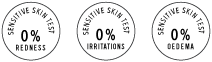
- Formulations dermatologically tested on sensitive skin, free from SLS, SLES, parabens, silicones, and mineral oils
Properties ready to move past the sample-request stage can explore the hotel luxury amenities program directly, where a B2B team can walk through refill logistics, scent customization, and pilot program structure for a specific property. Independent shoppers curious about the same antioxidant technology in a consumer format can browse the full Apiceuticals collection to see how PROPOWAX™ performs outside a hotel setting before recommending it internally.
Sources
- The Omani High Perfumery House of Amouage Unveils Whispers Of The Fan – A Poetic Expression of the Ethos of the Mandarin Oriental Hotels – Hotelier & Hospitality Design
- L’Occitane en Provence celebrates prestigious hospitality award for its luxurious, sustainable hotel amenities – Rewards Providers – Luxury hospitality news
- My 8 Favorite Hotel Toiletry Brands, From Aesop To Le Labo, And More – One Mile at a Time
- The Best Luxury Hotel Bath Amenities, From Dior to MERIT Beauty – Elle
FAQ
What Are Some High-End Toiletries Brands Hotels Use?
Hotels use a mix of heritage fragrance houses, sustainability-focused body care specialists, and antioxidant-led clean beauty formulators like Apiceuticals, with placements varying by property type and often rotating every few years as contracts renew.
Why Do Hotels Switch Toiletry Suppliers So Often?
Brand placements shift because hotel groups periodically refresh their scent identity or renegotiate exclusivity terms, as seen when Ritz-Carlton moved to a new fragrance partnership in 2025 after a prior long-standing arrangement.
Are Refillable Dispensers Actually More Hygienic Than Single-Use Minis?
Well-designed refillable systems are engineered specifically to address hygiene alongside sustainability, and suppliers like Apiceuticals build refill systems around housekeeping workflow standards used in 4 and 5 star properties.
What Should a Hotel Ask For Before Signing an Amenity Supplier Contract?
Request full ingredient transparency, dermatological test documentation, details on refill bottle composition and take-back programs, and a small sample kit to pilot across a limited block of rooms before committing.
Does PROPOWAX™ Technology Have Independent Scientific Validation?
Yes. The antioxidant activity claim behind Apiceuticals’ PROPOWAX™ Living Honeycomb technology was independently validated by researchers at Aristotle University of Thessaloniki, alongside a global patent for the highest antioxidant activity in cosmetics.
How Do Luxury Hotel Toiletries Influence Whether Guests Return?
Guests frequently cite bathroom amenities in post-stay reviews, and consistent, high-quality formulations across a hotel group’s properties reinforce the brand identity that drives repeat bookings and cross-property loyalty.
Recommended


Related posts

Explore how a trial lasting 24 weeks and Malassezia research link scalp oxidative stress to shedding, and where PROPOWAX™ fits continuous antioxidant care.

See when silicones smooth hair or build up, and how PROPOWAX™ holds a global patent for highest antioxidant activity, validated by Aristotle University.

Explore mountain honey benefits for skin and body, from floral polyphenols and antioxidant activity to evidence on cough relief, wound care, and safe use.

Propolis delivers stronger antioxidant and antimicrobial action. Royal jelly boosts hydration and repair. Learn which suits your skin or scalp and why...

Pick sulfate-free or sulfate shampoo by your scalp, porosity, and color needs. Read evidence-backed guidance, antioxidant options, and a 4-step switch...