No products in the cart.
Return To Shop
4 Checks to Verify Organic Honey Certification for Skincare
Organic honey certification guarantees audited hive management and reduced synthetic inputs, along with traceable sourcing back to the certifier of record. It does not guarantee raw handling or peak enzyme and antioxidant content, which is what actually matters for honey used in skincare. EU labeling reforms arriving in 2026 will tighten origin disclosure, but shoppers who want antioxidant performance still need to look past the organic seal. Apiceuticals’ triple-certified honeys, paired with the documented PROPOWAX™ Living Honeycomb technology, show how certification and processing transparency can work together.
TL;DR:
- Organic certification mainly verifies hive management and pesticide restrictions, not the honey’s processing or enzyme content.
- EU labeling reforms starting in 2026 will require detailed origin disclosures for blended honeys, making single-origin jars more transparent.
- Raw honey retains higher enzyme and phenolic content, which are crucial for antioxidant benefits, but pasteurization often diminishes these qualities.
- Certified organic honey with documented low-heat processing and clear botanical origin can outperform pasteurized organic honey in skincare applications.
- Apiceuticals offers triple-certified organic honey with validated antioxidant delivery through their PROPOWAX™ technology, ensuring both origin traceability and functional potency.
Table of Contents
- What Organic Certification Actually Guarantees Consumers
- How Can You Verify Origin and Authenticity on the Label?
- Why Processing Matters More Than the Organic Label for Skincare
- How Apiceuticals Pairs Certification With Antioxidant Validation
- Shopper Checklist: Verifying an Organic Honey Is Skincare Grade
- When Certification Matters Most, and When Raw Origin Matters More
- A Direct Option for Shoppers Who Want Certified, Antioxidant-Rich Honey
- Sources
- FAQ
What Organic Certification Actually Guarantees Consumers
An organic seal on a honey jar is a statement about how the bees were kept, not about what happens to the honey afterward. Certification bodies audit the foraging environment surrounding the apiary, the materials used in hive construction, and the substances a beekeeper is permitted to use against pests and disease, as outlined in guides like Explaining Food Quality Standards for Smarter Dining. Synthetic miticides and antibiotics common in conventional beekeeping are restricted or banned outright under organic protocols, and that restriction is the backbone of the entire label.
This matters more than most shoppers realize, because organic certification correlates with lower pesticide residue detection compared to conventionally produced honey. For anyone applying honey to skin rather than eating it off a spoon, that reduced chemical load is a legitimate reason to favor certified sources.
Certification also comes with third-party oversight, which is the part most labels never explain clearly. A certifier audits the apiary, reviews hive treatment records, and typically assigns an identifying code that appears on the packaging. That code is your proof the claim was independently checked rather than self-declared.
What organic certification cannot promise is total purity. Bees forage freely across kilometers of terrain, and:
- Incidental exposure to agricultural chemicals outside the certified foraging radius can still occur.
- Certification reduces contamination risk substantially but does not eliminate it, since foraging bees don’t respect property lines.
- The organic standard governs the production side of the equation. It says nothing about how the honey is extracted, heated, or filtered once it leaves the hive.
That distinction between production and processing is where most confusion about organic honey certification starts, and it’s the one shoppers buying for antioxidant benefits need to internalize first.
How Can You Verify Origin and Authenticity on the Label?
The certifier code follows a predictable format across the EU: two letters for the country, “BIO” or the local equivalent, and a three-digit number identifying the specific certification body. That XX-BIO-NNN sequence is worth checking against the certifier’s own registry, since a code alone means little if the issuing body isn’t legitimate.

Origin transparency is about to improve materially. Revisions summarized under the amended EU honey directive require that blended honeys list countries of origin in descending order, with percentage shares, once the new rules take effect in 2026. A jar currently labeled “blend of EU and non-EU honeys” tells you almost nothing.
Pro Tip: A single-origin jar with one country and one certifier code is almost always more traceable than a multi-country blend, even when both carry organic certification.
The European Commission’s honey overview frames these changes as a direct response to widespread concern over opaque country-of-origin sourcing. Before buying, check for three things on the label or product page:
- The certifier’s name and code, cross-checked against a public registry.
- Origin percentages, once the 2026 rules apply, or a clear single-country claim now.
- A batch number or traceability statement linking the jar to a specific harvest.
Why Processing Matters More Than the Organic Label for Skincare
Organic tells you how the bees were raised. It says nothing about what happened to the honey between the hive and the jar, and for beauty applications, that gap is significant. Raw honey retains enzymes like glucose oxidase and a fuller spectrum of phenolic compounds, both of which contribute to the antioxidant and humectant qualities that make honey useful on skin.
Heat changes that picture. A 2023 review of honey’s composition and clinical evidence notes that processing, including pasteurization and fine filtration, alters enzyme activity and phenolic content, the very constituents tied to honey’s antioxidant behavior. Pasteurization also strips out pollen, which is the primary evidence used to verify a honey’s botanical origin in the first place.
For topical use, this means:
- “Organic” and “raw” are separate claims, and only one of them speaks to enzyme and antioxidant preservation.
- Pollen presence is a practical marker of minimal filtration, worth checking on brands that publish lab analyses.
- Low-heat handling, documented rather than implied, is the detail that actually predicts performance on skin.
Pro Tip: If a product page doesn’t specify a processing temperature or mention “raw” and “unfiltered” together, assume standard commercial pasteurization was used.
How Apiceuticals Pairs Certification With Antioxidant Validation
The brand was founded by a family with a heritage in organic and sustainable beekeeping since the 1980s, with hives located in forests and mountains of Arcadia. The Gods’ Nectar range spans seven honey varieties, each triple-certified organic, which addresses the production side of the equation directly through independently audited hive practices rather than a self-issued claim.
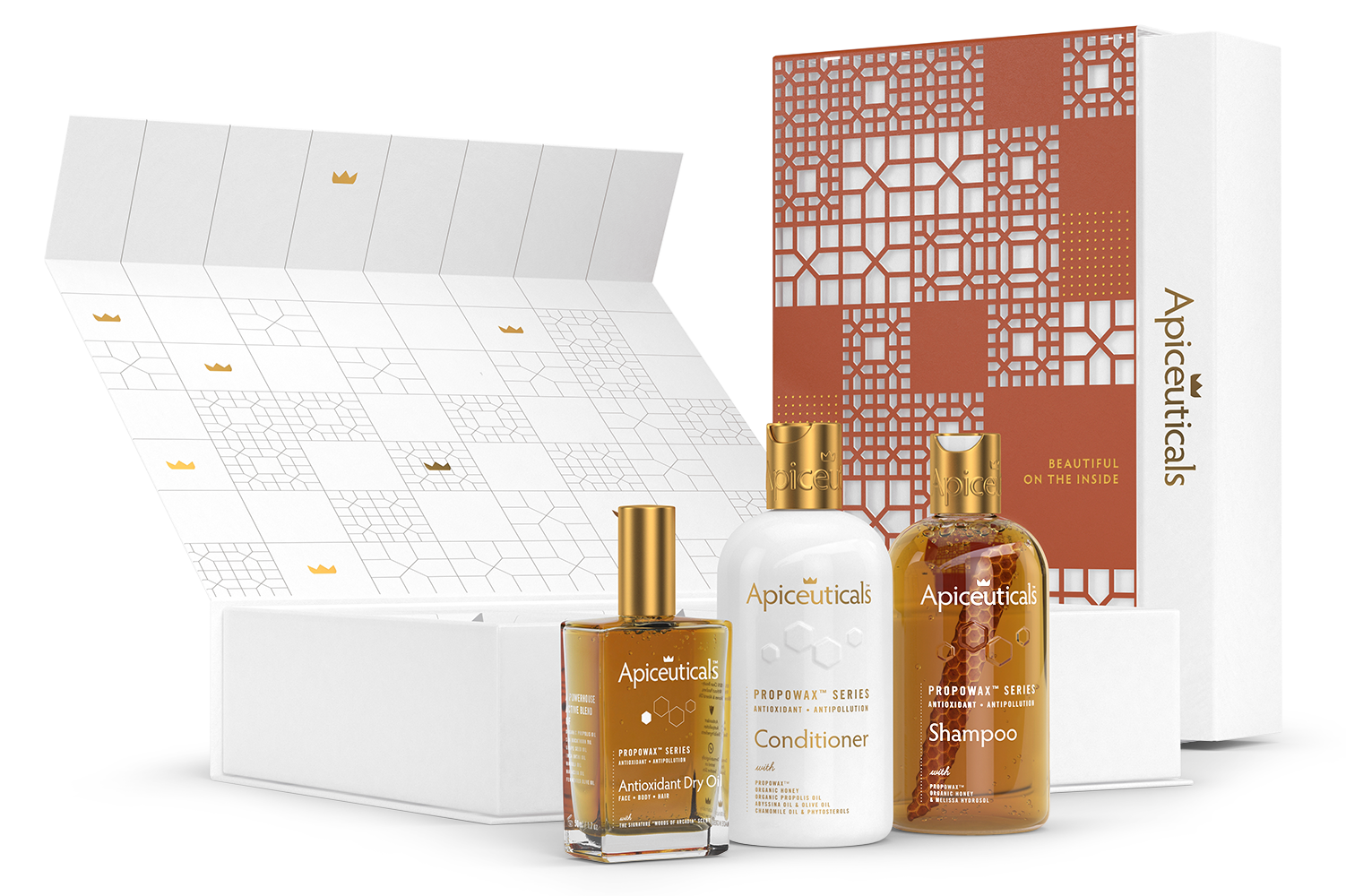
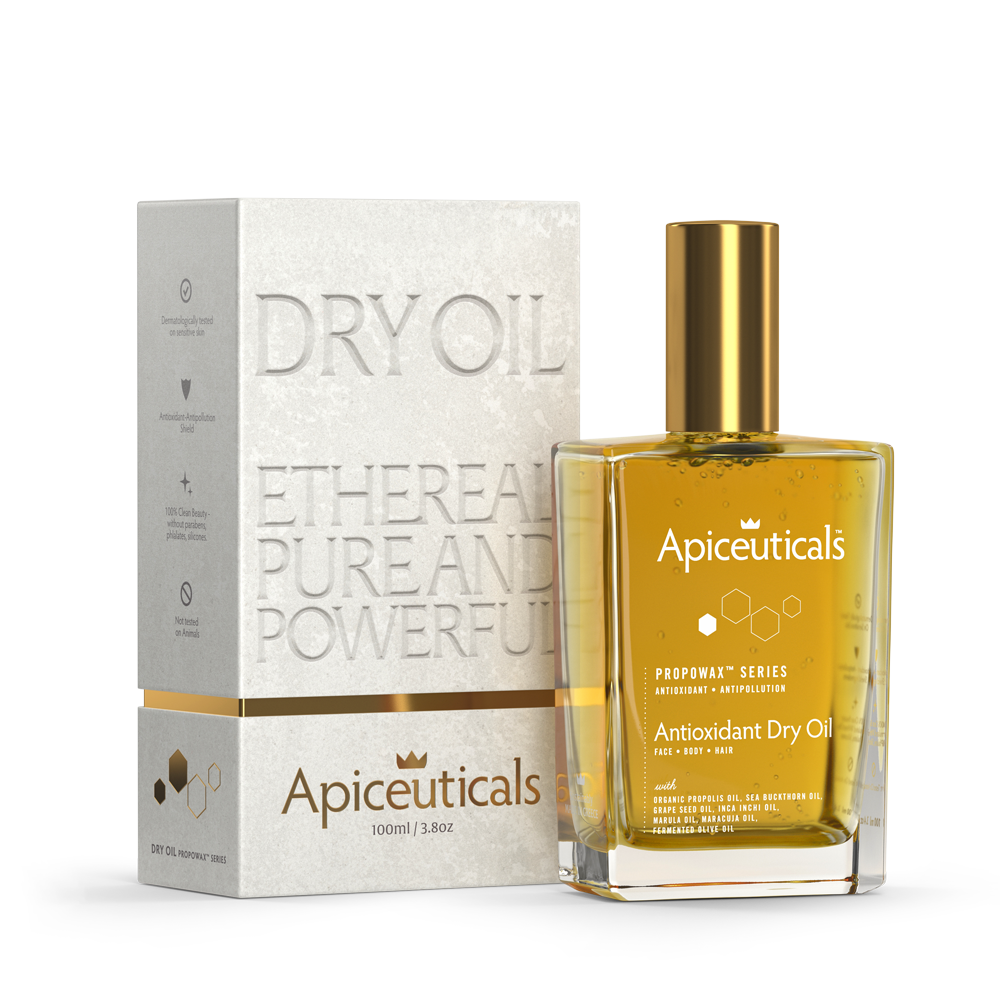
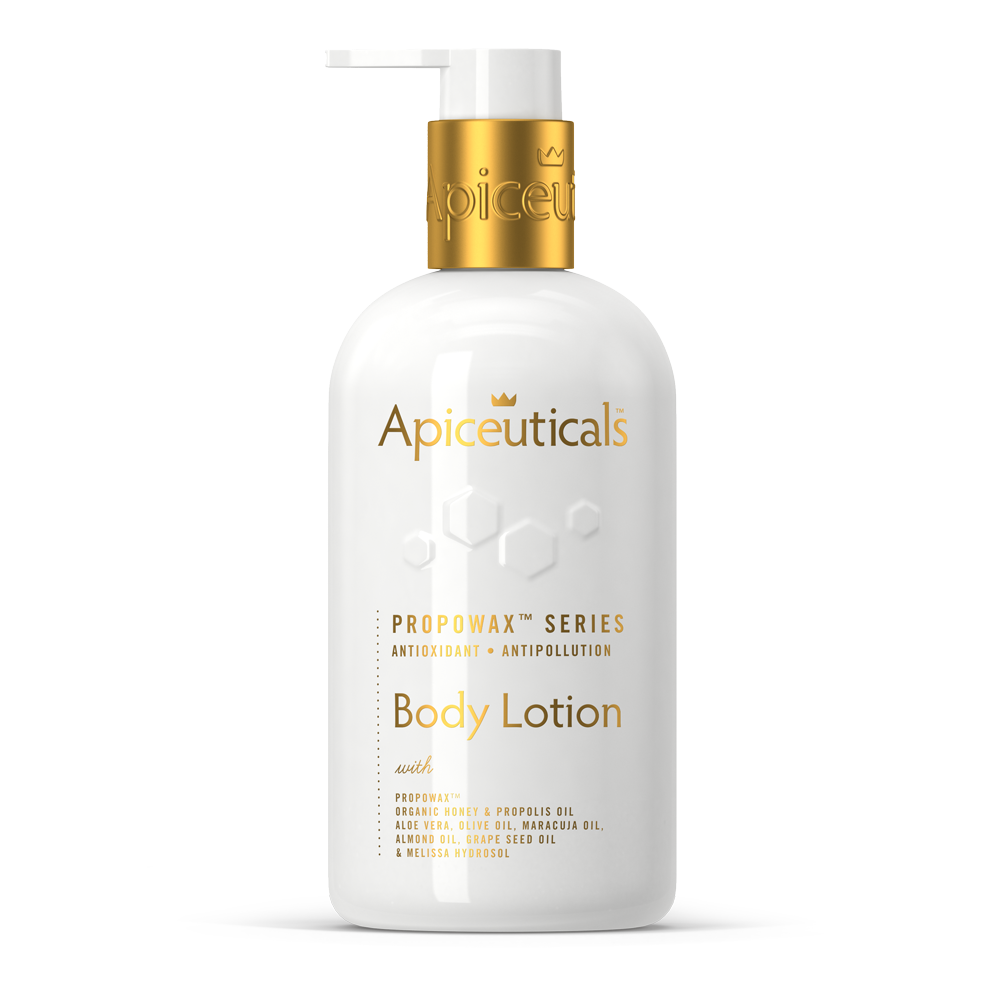
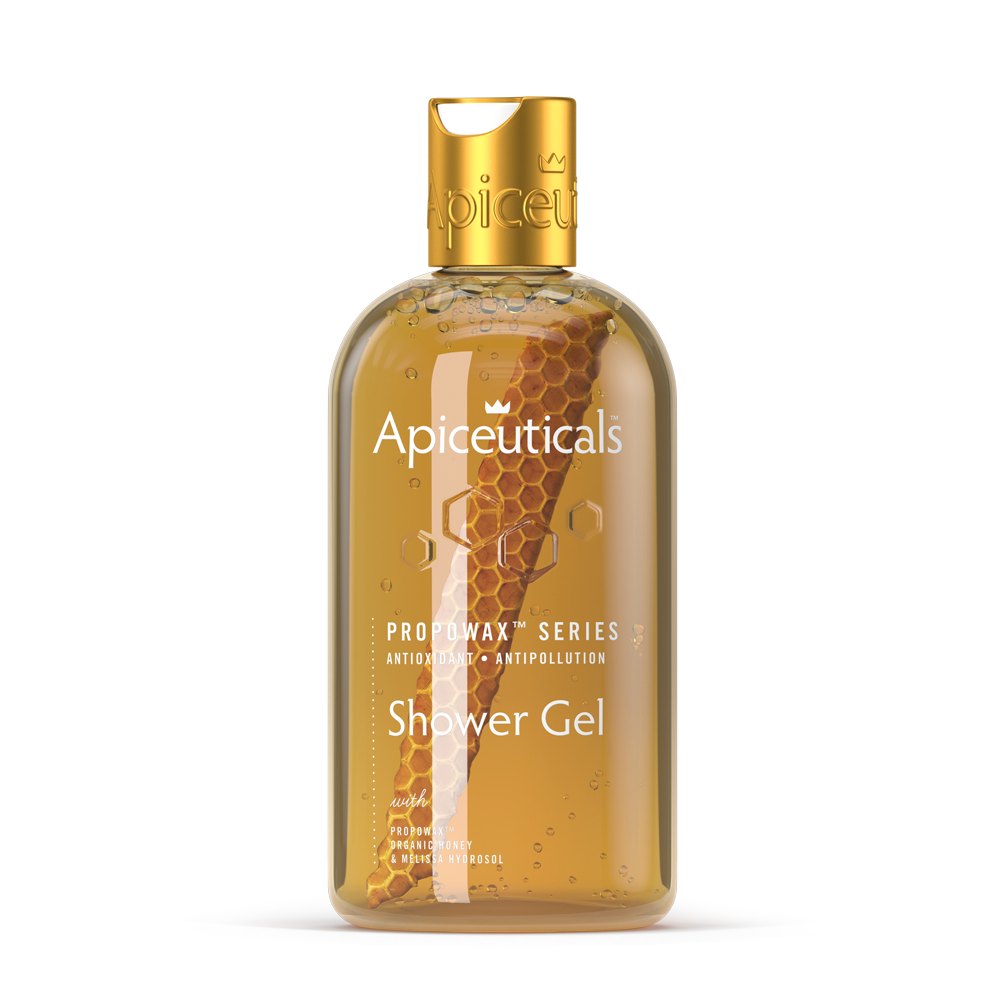
The processing side is where PROPOWAX™ becomes relevant, as a scientific reference point, rather than a marketing flourish. PROPOWAX™ is a patented Living Honeycomb structure embedded in Apiceuticals formulations that continuously releases antioxidants onto skin, scalp, and hair. Its antioxidant activity holds a global patent, independently validated by the Aristotle University of Thessaloniki, giving shoppers a documented benchmark rather than an unverifiable claim of potency.
For readers evaluating a specific jar or product, a few practical checks apply:
- Product pages for the organic honey range list certification and origin details per variety.
- The honey ingredient page explains sourcing and handling practices behind formulations.
- Botanical-origin detail, including heather honey’s phenolic profile, shows how floral source shapes antioxidant character beyond the organic label alone.
Shopper Checklist: Verifying an Organic Honey Is Skincare Grade
- Confirm the certifier code and name, and check whether the label discloses single-origin sourcing or a blend.
- Look for “raw” or “unpasteurized” language, along with any stated processing temperature or mention of unfiltered, pollen-intact honey.
- Check for a batch number, a traceability statement, and any published lab testing for pesticide residue or adulteration.
- For skincare products, confirm the honey variety is named in the ingredient list and that the brand publishes handling and testing details rather than vague sourcing language.
When Certification Matters Most, and When Raw Origin Matters More
If your priority is environmental stewardship and bee welfare, organic certification is the correct baseline, full stop. It’s the only widely available, third-party audited proof that synthetic hive treatments were restricted.
If your priority is topical antioxidant performance, shift your attention to processing claims and botanical origin. A heather or chestnut honey with documented low-heat handling will often outperform a certified organic honey that was pasteurized and fine filtered, because phenolic content varies more by floral source and heat exposure than by organic status alone.
For most discerning beauty shoppers, the two priorities aren’t actually in conflict. The combination, organic certification plus transparent processing plus a published antioxidant measure, is what separates a genuine beauty grade honey from one that simply carries a green label.
— Apiceuticals
A Direct Option for Shoppers Who Want Certified, Antioxidant-Rich Honey
Apiceuticals built its Gods’ Nectar range around exactly the combination this article describes: triple-certified organic sourcing from Arcadian hives, documented low-intervention handling, and antioxidant validation that goes beyond a label claim.

Every variety in the Premium Organic Honey collection carries certification detail and origin information on its product page, so you can check the exact things this article recommends checking, rather than taking a marketing claim at face value. The same antioxidant science behind the honey extends into Apiceuticals’ formulations through PROPOWAX™ Living Honeycomb technology, the patented delivery system, validated by the Aristotle University of Thessaloniki, for its antioxidant activity. If you’re building a routine around ingredients you can actually verify, start by reviewing how honey behaves as a topical antioxidant, then browse the certified varieties to compare origin and processing notes for yourself.
Sources
- PubMed: Honey topical and formulation references (2013 article indexed)
- European Commission: Honey – Agriculture and rural development
- MDPI Nutrients review: Clinical evidence and composition of honey (2023)
FAQ
Does organic honey certification guarantee it’s raw?
No. Organic certification governs hive management and foraging conditions, not how the honey is extracted or filtered afterward, so a certified organic honey can still be pasteurized.
What does the XX-BIO-NNN code on a honey label mean?
It identifies the country and the specific certification body that audited the producer, and it’s worth checking against that certifier’s public registry to confirm the claim is legitimate.
Will EU honey labels change in 2026?
Yes. Revised rules will require blended honeys to list countries of origin in descending order with percentage shares, replacing vague multi-country blend statements.
Why does processing matter for honey used in skincare?
Heat and fine filtration reduce enzyme activity and phenolic content, the constituents most tied to honey’s antioxidant behavior on skin, so raw, minimally processed honey generally performs better topically.
Does Apiceuticals honey carry organic certification?
Yes, the Gods’ Nectar range is triple-certified organic across all seven varieties, with product pages listing certification and origin detail for each.
Is organic honey worth the higher price for skincare use?
It depends on your priority. Organic certification confirms reduced synthetic inputs and audited hive practices, but if antioxidant performance is the goal, raw processing and documented botanical origin matter just as much as the organic seal itself.
Recommended


Related posts

Explore how a trial lasting 24 weeks and Malassezia research link scalp oxidative stress to shedding, and where PROPOWAX™ fits continuous antioxidant care.

See when silicones smooth hair or build up, and how PROPOWAX™ holds a global patent for highest antioxidant activity, validated by Aristotle University.

Explore mountain honey benefits for skin and body, from floral polyphenols and antioxidant activity to evidence on cough relief, wound care, and safe use.

Propolis delivers stronger antioxidant and antimicrobial action. Royal jelly boosts hydration and repair. Learn which suits your skin or scalp and why...

Pick sulfate-free or sulfate shampoo by your scalp, porosity, and color needs. Read evidence-backed guidance, antioxidant options, and a 4-step switch...