No products in the cart.
Return To Shop
Exposure Drops in Days: Paraben Free Body Wash Backed by Study
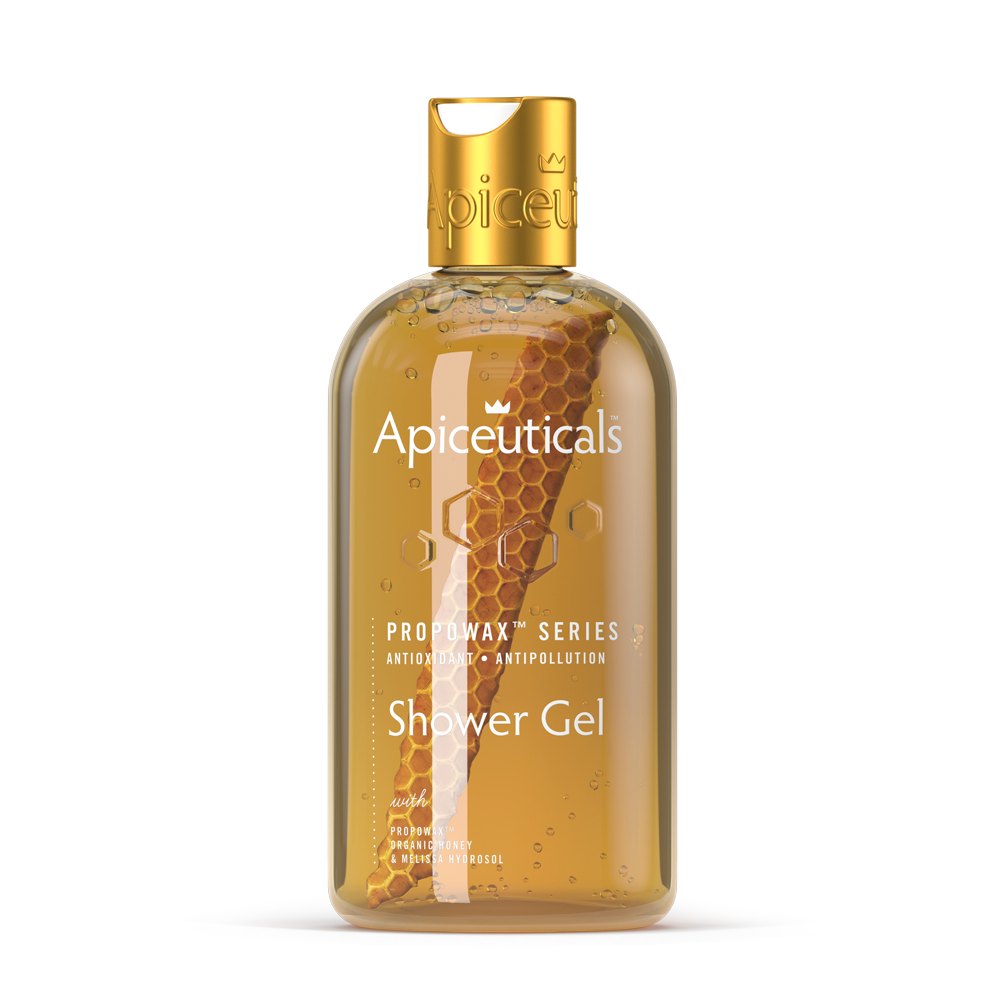
Switching to a paraben-free body wash produces measurable, if modest, benefits: exposure biomarkers can drop within days, and reactive skin faces less allergy risk from a preservative class most people tolerate without issue. Parabens at regulated concentrations are not proven to cause acute harm in the general population, so this is less a safety rescue than a matter of exposure management and personal preference. Apiceuticals formulates without parabens, pairing that choice with PROPOWAX™ antioxidant delivery as one evidence-aligned option among many.
TL;DR:
- Switching to paraben-free body wash quickly reduces urinary paraben levels within days, especially when the entire routine minimizes exposure.
- Most healthy skin rarely reacts to parabens at cosmetic concentrations, but reactive or damaged skin benefits from avoiding products that contain them.
- Environmental concerns exist due to parabens’ presence in wastewater, but substitutes can also persist or have their own ecological impacts.
- Choosing a genuinely safe paraben-free product requires checking for alternative preservatives and formulation qualities like pH balance and barrier-supporting ingredients.
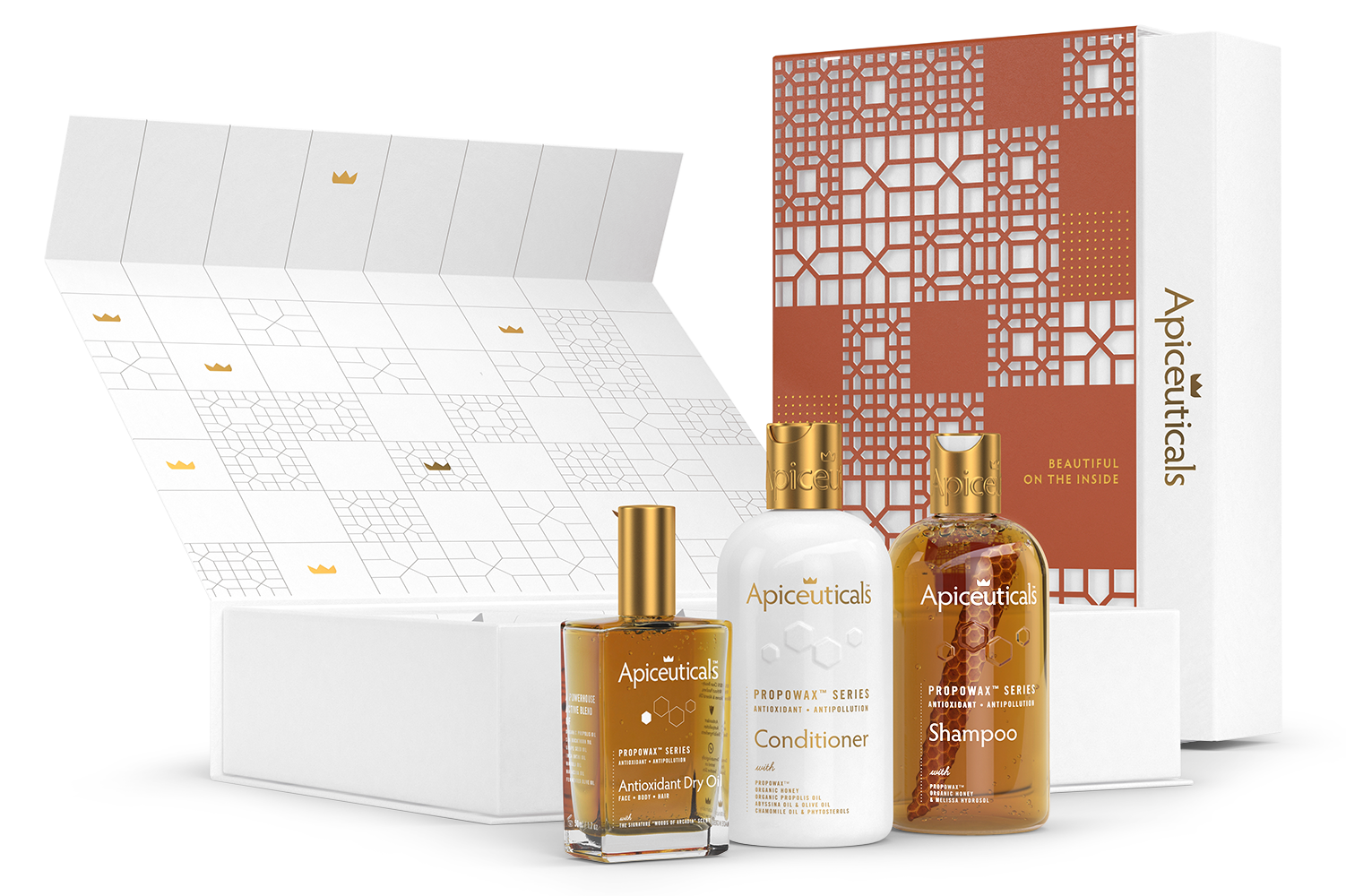
- Apiceuticals creates formulations without parabens, SLS, SLES, silicones, or mineral oils, combining paraben-free formulas with patented antioxidant delivery through PROPOWAX™.
Table of Contents
- What Parabens Are and Why Body Washes Use Them
- The Health Evidence: Metabolism, Allergy Risk, and What Changes When You Switch
- The Environmental Case for Rinsing Cleaner
- Who Actually Benefits From Switching
- How to Choose a Genuinely Safe Paraben-Free Body Wash
- Switching to Paraben-Free Body Wash Without the Guesswork
- Where Apiceuticals’ Antioxidant Science Fits This Conversation
- The Bottom Line on Switching
- What This Evidence Actually Tells Us to Prioritize
- A Paraben-Free Routine Built Around Antioxidant Science
- Sources
- FAQ
What Parabens Are and Why Body Washes Use Them
Parabens are a family of preservatives, chiefly methylparaben, ethylparaben, propylparaben, and butylparaben, that stop bacteria, yeast, and mold from colonizing water-based formulas. Any body wash containing water, which is nearly all of them, needs a preservative system or it turns into a breeding ground within weeks of opening. Parabens earned their place in cosmetic chemistry because they work across a wide pH range, cost little, and have decades of use behind them.
The FDA notes that parabens remain permitted preservatives in the United States, and current evidence does not show that parabens as used in cosmetics affect human health, though the agency continues reviewing new research. Reading a label tells you most of what you need to know:
- Look for “paraben” as a word ending, not just the standalone term, since formulas often list several types together.
- Products claiming “paraben-free” should show an alternative preservative on the ingredient list, not an absence of any preservative at all.
- A short shelf life or refrigeration instruction often signals a lighter preservative load, which can be a trade worth understanding before you buy.
The Health Evidence: Metabolism, Allergy Risk, and What Changes When You Switch
The strongest data point for anyone weighing this decision comes from a 2016 intervention study that tracked a group of female adolescents. Participants who switched to products labeled free from parabens and related hormone-disrupting chemicals saw some urinary paraben concentrations decreased significantly within a few days.
Reducing product-contact exposure across a full personal-care routine, not just one item, is what actually moves the needle on cumulative paraben body burden. A single swapped body wash matters less than a household-wide shift.
That speed of change tracks with basic biology. According to the Cleveland Clinic, parabens are metabolized quickly and typically cleared from the body within a day or two after exposure. That short half-life explains why the biomarker study saw results in days rather than months. It also means daily reapplication, not a single exposure years ago, drives whatever body burden exists.
Allergy risk tells a more reassuring story than headlines often suggest. A 2022 systematic review and meta-analysis found that allergic contact dermatitis linked to parabens is rare and uncommon, and it happens mainly on skin that is already compromised, whether by eczema, a wound, or a damaged barrier from over-exfoliation. Intact, healthy skin rarely reacts to parabens at cosmetic concentrations.
The nuance worth sitting with is the difference between cumulative exposure and single-product risk. One paraben-containing body wash is unlikely to cause harm on its own. The concern that drives switching behavior is additive: shampoo, lotion, sunscreen, and cleanser together, day after day, for years. That framing matters more than any single ingredient panic.

The Environmental Case for Rinsing Cleaner
Body wash goes down the drain, and that rinse-off pathway is where the environmental argument for paraben-free formulas gets its footing. Every shower sends preservative residue into wastewater systems, and treatment plants do not remove every synthetic compound completely before water re-enters rivers and coastal ecosystems.
Advocacy and monitoring groups point to open questions about endocrine effects in aquatic organisms exposed to parabens at accumulated environmental concentrations, alongside ongoing debate over how readily different paraben types biodegrade. The science here is less settled than the human-health picture, which makes it a genuine area of active research rather than a closed case.
Choosing an alternative is not automatically the cleaner choice, though:
- Some preservative substitutes break down faster in wastewater, while others persist longer than parabens do.
- A formula swap that increases fragrance load or surfactant harshness can trade one environmental or skin concern for another.
- Packaging, sourcing, and manufacturing footprint often matter as much as the preservative line on the label.
Weighing the full formula, not one ingredient in isolation, gives a more honest read on environmental impact.
Who Actually Benefits From Switching
Three groups gain the most from moving to a paraben-free body wash, and the case gets weaker outside them.
- People with a confirmed contact allergy or already reactive, damaged skin. This is where the clinical evidence is clearest, since compromised skin barriers are where allergic reactions concentrate.
- Consumers trying to lower cumulative chemical exposure across an entire routine. If you use several parabencontaining products daily, switching several at once produces a more meaningful shift than swapping one.
- Environmentally motivated buyers who weigh rinse-off chemical load as part of a broader sustainability standard for personal care choices.
Outside these groups, the case for switching rests more on preference and precaution than on documented personal risk.
How to Choose a Genuinely Safe Paraben-Free Body Wash
Removing parabens from a formula does not automatically make it safer or gentler; what replaces them, and how the rest of the formula behaves, matters just as much.
Scan the ingredient list for methylparaben, ethylparaben, propylparaben, and butylparaben if you want to confirm a product is genuinely free of them, since “paraben-free” claims are not independently regulated the way some certifications are. In their place, expect to see alternative preservative systems such as phenoxyethanol, sodium benzoate, or potassium sorbate, and understand that preservative substitution is a formulation trade-off: some alternatives cover a narrower range of microbes or carry their own irritation profile.
- Favor formulas that state a pH close to skin’s natural range, since pH-balanced cleansers reduce barrier disruption regardless of preservative choice.
- Fragrance and harsh surfactants trigger irritation more often than preservatives do, so fragrance-free or low-fragrance options are a better first move for reactive skin than preservative avoidance alone.
- Look for glycerin, ceramides, or other barrier-supporting ingredients alongside the surfactant base.
Pro Tip: Check the period-after-opening symbol, that small open-jar icon with a number and an “M,” on the packaging. Preservative-alternative formulas often specify a shorter shelf life after opening, and tracking that date matters more once parabens are out of the equation.
A KOBO Professional pH-shielding formula illustrates how pH management alone, independent of preservative type, can reduce irritation risk in a rinse-off product. Apiceuticals applies similar formulation discipline; you can review how to choose safe skincare products for a broader checklist beyond body wash alone.
Switching to Paraben-Free Body Wash Without the Guesswork
A careful transition protects skin that might react and gives you a clean read on whether the switch actually changes anything for you.
- Patch test first. Apply a small amount to your inner forearm and wait 24 to 48 hours before using it on larger skin areas.
- Swap one product at a time. Replace only the body wash initially so you can attribute any change, good or bad, to that single variable.
- Monitor for two to four weeks. Track texture, redness, or dryness, since barrier adjustments to a new surfactant or preservative system take time to show up.
- Store it properly. Keep the cap tightly closed, avoid direct sunlight, and respect the period-after-opening date more strictly than you would with a paraben-preserved product.
See a dermatologist if a rash persists beyond a few days, spreads, or comes with swelling or blistering. That pattern points to a reaction worth professional evaluation rather than a routine adjustment period.
Where Apiceuticals’ Antioxidant Science Fits This Conversation
Apiceuticals traces its formulation approach back to the Roumeliotis family’s beekeeping practice in Arcadia, which began in 1981 and pioneered organic beekeeping methods in Greece. That heritage informs a clean-beauty standard that excludes parabens, along with SLS, SLES, silicones, and mineral oils, across the brand’s bodycare and haircare lines.
The formulations center on PROPOWAX™, a patented Living Honeycomb structure embedded in each product that continuously releases antioxidants onto skin. The technology holds a global patent for, the highest antioxidant activity recorded in cosmetics, independently validated by researchers at the Aristotle University of Thessaloniki.
Antioxidant content and preservative choice solve different problems. One protects skin from oxidative stress accumulated through daily exposure; the other keeps a formula microbially stable on the shelf. A body wash can be paraben-free and still fall short on barrier support if fragrance load or surfactant strength is high, which is why formulation quality across the entire product, not one excluded ingredient, determines how skin actually responds.
The Bottom Line on Switching
Paraben-free body wash delivers real, documented benefits for cumulative exposure and allergy-prone skin, without proving that parabens themselves pose acute danger to most people. Those with reactive skin or allergy history should prioritize the switch now; everyone else gains more by judging the whole formula. Start with how to prevent skin oxidation for a fuller antioxidant-routine perspective.
What This Evidence Actually Tells Us to Prioritize
The conventional advice on this topic tends to swing too hard in one direction: either parabens are dismissed as harmless because regulators haven’t banned them, or they’re treated as a proven hazard because a handful of studies raise theoretical concerns. Neither reading holds up against what the actual data shows. The 2016 biomarker study is compelling precisely because it’s modest. It shows exposure change, not disease prevention, and that distinction gets lost in marketing copy that oversells preservative avoidance as a health intervention.

What the evidence supports is narrower and more useful: cumulative exposure reduction matters for people already managing sensitized or damaged skin, and it matters less for someone with a resilient, healthy barrier. The environmental questions, particularly around aquatic endocrine effects, deserve more attention than they get in most consumer guides, because that evidence is still developing rather than settled.
Apiceuticals formulates without parabens because it aligns with a broader clean-beauty standard, not because parabens are a proven threat. Antioxidant delivery through PROPOWAX™ addresses a separate, well-documented mechanism of skin aging entirely. Readers should prioritize formula quality as a whole before fixating on any single excluded ingredient.
— Apiceuticals
A Paraben-Free Routine Built Around Antioxidant Science
Apiceuticals formulates every bodycare and haircare product without parabens, SLS, SLES, silicones, or mineral oils, while building each one around PROPOWAX™, the patented Living Honeycomb structure that continuously releases antioxidants onto skin.

Where most paraben-free alternatives ask you to trade preservation for something unclear, Apiceuticals pairs that exclusion with a documented antioxidant mechanism, validated by researchers at the Aristotle University of Thessaloniki for the highest recorded antioxidant activity in cosmetics. That combination matters if you’re switching for exposure management but don’t want to give up formulation performance in the process. Every ingredient is dermatologically tested on sensitive skin with zero recorded irritation in that testing. If you want to see how antioxidant beauty and clean formulation work together in practice, explore the antioxidant, clean-beauty approach behind the PROPOWAX™ line and start building a routine from there.
Sources
- Personal care product use and urinary phthalate metabolite and paraben concentrations among female adolescents
- What You Should Know About Parabens — Cleveland Clinic
- Allergic contact dermatitis after the use of cosmetics containing parabens: systematic review and meta-analysis
- Parabens in cosmetics | FDA
- Parabens – Safe Cosmetics
FAQ
What is the healthiest body wash for your body?
There is no single “healthiest” formula, but the strongest candidates are fragrance-free, pH-balanced, and free of harsh sulfates, since irritation more often comes from fragrance and surfactant strength than from any single preservative.
Are parabens safe to use in body washes?
The FDA states that current evidence does not show parabens, as used at approved cosmetic concentrations, cause adverse health effects, though allergic reactions can occur in a small percentage of users with already compromised skin.
Which is better, sulfate-free or paraben-free?
They address different concerns: sulfate-free formulas reduce surfactant-driven dryness and irritation, while paraben-free formulas address preservative exposure, and many people benefit most from a formula that manages both.
How quickly does switching to paraben-free products change body exposure?
A 2016 study found some urinary paraben concentrations dropped by significant reduction within a few days of switching to paraben-free products, consistent with the body’s 24 to 48 hour elimination window for parabens.
Does Apiceuticals make paraben-free body wash?
Yes. Apiceuticals formulates its bodycare line without parabens, SLS, SLES, silicones, or mineral oils, built around PROPOWAX™ antioxidant delivery validated by the Aristotle University of Thessaloniki.
Recommended


Related posts

Explore how a trial lasting 24 weeks and Malassezia research link scalp oxidative stress to shedding, and where PROPOWAX™ fits continuous antioxidant care.

See when silicones smooth hair or build up, and how PROPOWAX™ holds a global patent for highest antioxidant activity, validated by Aristotle University.

Explore mountain honey benefits for skin and body, from floral polyphenols and antioxidant activity to evidence on cough relief, wound care, and safe use.

Propolis delivers stronger antioxidant and antimicrobial action. Royal jelly boosts hydration and repair. Learn which suits your skin or scalp and why...

Pick sulfate-free or sulfate shampoo by your scalp, porosity, and color needs. Read evidence-backed guidance, antioxidant options, and a 4-step switch...