No products in the cart.
Return To Shop
Formulators: Pine Honey, Roughly 451 mg/kg Phenolics and Delivery Fix
Pine honey benefits in topical formulation center on three defensible functions: antioxidant support, humectant conditioning, and mild antimicrobial contribution, each backed by laboratory and finished-formula data rather than folklore. The evidence is real but variable, meaning a jar labeled “pine honey” says little until a formulator or brand has tested the specific batch and the finished product. Stickiness remains the main obstacle, and modern formulation solves it through emulsion design, encapsulation, or waterless bases rather than raw application.
TL;DR:
- Variability in phenolic content means a honey’s antioxidant potential differs significantly between batches, requiring batch-specific testing for consistency.
- Honey concentrations between 5% and 15% in creams provide measurable moisturization and wrinkle reduction benefits, with mid-range levels offering a good balance.
- Pine honey’s bioactivity mainly supports skin conditioning and antioxidant support, not medical claims like hair loss treatment or immune enhancement.
- Using emulsion or waterless bases helps reduce honey’s stickiness and improves stability, ensuring the product’s sensory feel and efficacy.
- Brands should prioritize transparency, including batch characterization data and clinical testing results, over vague labels or generic “pine honey” claims.
Table of Contents
- What research and trials show about pine honey’s topical effects on skin, hair and scalp
- How to interpret the science: variability, mechanisms, and evidence gaps
- Formulating with pine honey: concentration ranges, vehicle choices, and preservation tips
- Shopper checklist: how to choose a trustworthy pine-honey cosmetic
- Authoritative option: how Apiceuticals applies pine-honey science in finished antioxidants
- Nutritional profile of pine honey and how it differs from other honey types
- Traditional and cultural uses of pine honey related to health benefits
- Potential health benefits of pine honey when consumed
- Possible allergic reactions or contraindications associated with pine honey
- Comparison of pine honey benefits with other natural sweeteners or honeys
- Editor-scientist perspective: when to pick pine-honey formulas vs other antioxidants
- Where to start: Apiceuticals product and technology links for readers who want tested pine-honey antioxidant care
- Sources
- FAQ
What research and trials show about pine honey’s topical effects on skin, hair and scalp
The clearest evidence for pine honey’s cosmetic relevance comes from two different kinds of studies: chemical assays of the raw material and instrumented trials of finished creams. Neither alone tells the whole story, but together they outline what a well-formulated pine honey product might reasonably deliver.
Laboratory analysis of Greek pine honey samples found an average total phenolic content of roughly 451 milligrams of gallic acid equivalents per kilogram, with antioxidant activity measured by DPPH assay ranging from about 42% to 79% and FRAP values spanning 1.87 to 9.43 mmol Fe2+ per kilogram, according to a physicochemical characterization study. That range is wide enough to matter: two jars of pine honey from different harvests can differ in antioxidant potency by a factor of four or more.

On the finished-product side, a four-week hand-cream trial testing honey at 5% to 15% by weight reported moisturization increases of up to about 29.7%, along with wrinkle-area reductions of roughly 18% to 21% and wrinkle-depth reductions near 10.5% to 11.7%, compared with placebo, as shown in biophysical skin-imaging research. These figures came from multifloral honey creams, not pine honey specifically, but they demonstrate that honey concentration and vehicle design, not the ingredient name alone, drive measurable skin outcomes.
For hair and scalp applications, the honest framing is conditioning and moisturization rather than any therapeutic hair-loss claim, since no pine-honey-specific trial supports that territory.
- Antioxidant potential varies meaningfully by batch, so a single phenolic value should never be treated as universal.
- Moisturization and wrinkle-metric improvements are documented in honey creams generally, at defined concentrations.
- Hair and scalp benefits are best described as conditioning support, not treatment for hair loss or thinning.
How to interpret the science: variability, mechanisms, and evidence gaps
Reading pine honey research responsibly means separating what a raw ingredient can do in a test tube from what a finished cosmetic product delivers on skin, as discussed in peptides for holistic care which illustrates the importance of evidence and safety framing for actives. The phenolic and antioxidant-activity ranges cited above reflect real sample-to-sample variation across Greek pine honey, which means a supplier’s certificate of analysis matters more than the species name on a label.
Pine honey samples generated an average of about 3,341 micromoles of hydrogen peroxide in 40% solutions after 24 hours, with a reported range of roughly 1,911 to 5,620 micromoles, according to the same Greek pine honey study. That hydrogen peroxide generation is one plausible route to the antibacterial activity historically associated with honey, alongside its low water activity and acidic pH, though the same source notes the variability runs wide enough that no single sample should stand in for the category.
Three distinct mechanisms contribute to honey’s biological activity, and they do not always move together. Polyphenols supply direct radical-scavenging capacity. Glucose oxidase enzyme activity produces hydrogen peroxide gradually as the honey is diluted, a slow-release effect sometimes compared to how a controlled drip differs from a single dose. Minor proteins and other constituents add smaller, less-characterized effects. A review of honey phytochemicals and their dermatological potential identifies antioxidant, anti-inflammatory, antimicrobial, and skin-barrier activity among these constituents, but the same review is explicit that clinical evidence remains limited and heterogeneous, and it recommends cautious, qualified claims rather than sweeping ones.
The practical gap is that pine-honey-specific cosmetic clinical trials are sparse. Most of the finished-formula data available today comes from multifloral honey creams, meaning pine honey’s cosmetic promise rests on a combination of its own compositional analysis and evidence borrowed from honey more broadly. That is a reasonable basis for cautious formulation, not for absolute claims.
Formulating with pine honey: concentration ranges, vehicle choices, and preservation tips
Translating pine honey’s laboratory profile into a product people want to use requires attention to concentration, vehicle, and stability, roughly in that order of consequence.
- Start within the tested range: the hand-cream trial cited above found measurable benefit at 5% to 15% honey by weight, with higher concentrations improving hydration metrics further but sometimes at the expense of barrier-related measures, so mid-range concentrations tend to balance both.
- Choose a vehicle that manages honey’s natural stickiness: oil-in-water emulsions with rheology modifiers, waterless balm bases, or honey derivatives such as hydroxypropyltrimonium honey (a modified form used for hair and scalp conditioning) all reduce tack while preserving activity, according to formulation-focused research on honey hand creams.
- Monitor the variables that govern honey’s chemistry in the finished product: water activity, pH, and residual glucose oxidase activity all affect how much hydrogen peroxide the formula can generate over time, and a preservative strategy should account for honey’s own partial antimicrobial contribution rather than working against it.
- Test the batch, not just the ingredient: assay total phenolics and FRAP or DPPH activity per batch, then confirm the finished product’s antioxidant activity and sensory feel before finalizing a claim.
Pro Tip: Encapsulating the phenolic fraction separately from the sugar matrix can let a formulator dial back total honey content while keeping antioxidant delivery intact, which often solves the tackiness problem faster than reformulating the whole base.
Botanical origin changes a honey’s chemical profile meaningfully, a point underscored by research on honey-mediated skin repair mechanisms, which means a formulator substituting one honey type for another without re-testing is making an uncharacterized change, not a like-for-like swap.
Shopper checklist: how to choose a trustworthy pine-honey cosmetic
A pine honey product’s ingredient list rarely tells the full story, so a few label habits separate serious formulations from marketing.
- Look for a declared honey percentage or a named, characterized extract rather than “honey” buried at the end of an ingredient list with no concentration context.
- Favor brands that publish finished-formula results, such as instrumented moisturization or wrinkle-metric data, rather than citing only raw-ingredient antioxidant scores.
- Check for batch-level characterization data, including phenolic content or antioxidant assay results, and basic stability or preservative information.
- Treat dermatological testing disclosures as a meaningful trust signal, especially for scalp or facial products used daily.
- Be skeptical of therapeutic claims (hair regrowth, wound treatment, acne cures) attached to a cosmetic, since current pine honey evidence supports conditioning and antioxidant support, not medical outcomes.
- Vague phrasing like “pine scent” or “wildflower origin” without any characterization data is a sign the formulator has not tested what they are selling.
Authoritative option: how Apiceuticals applies pine-honey science in finished antioxidants
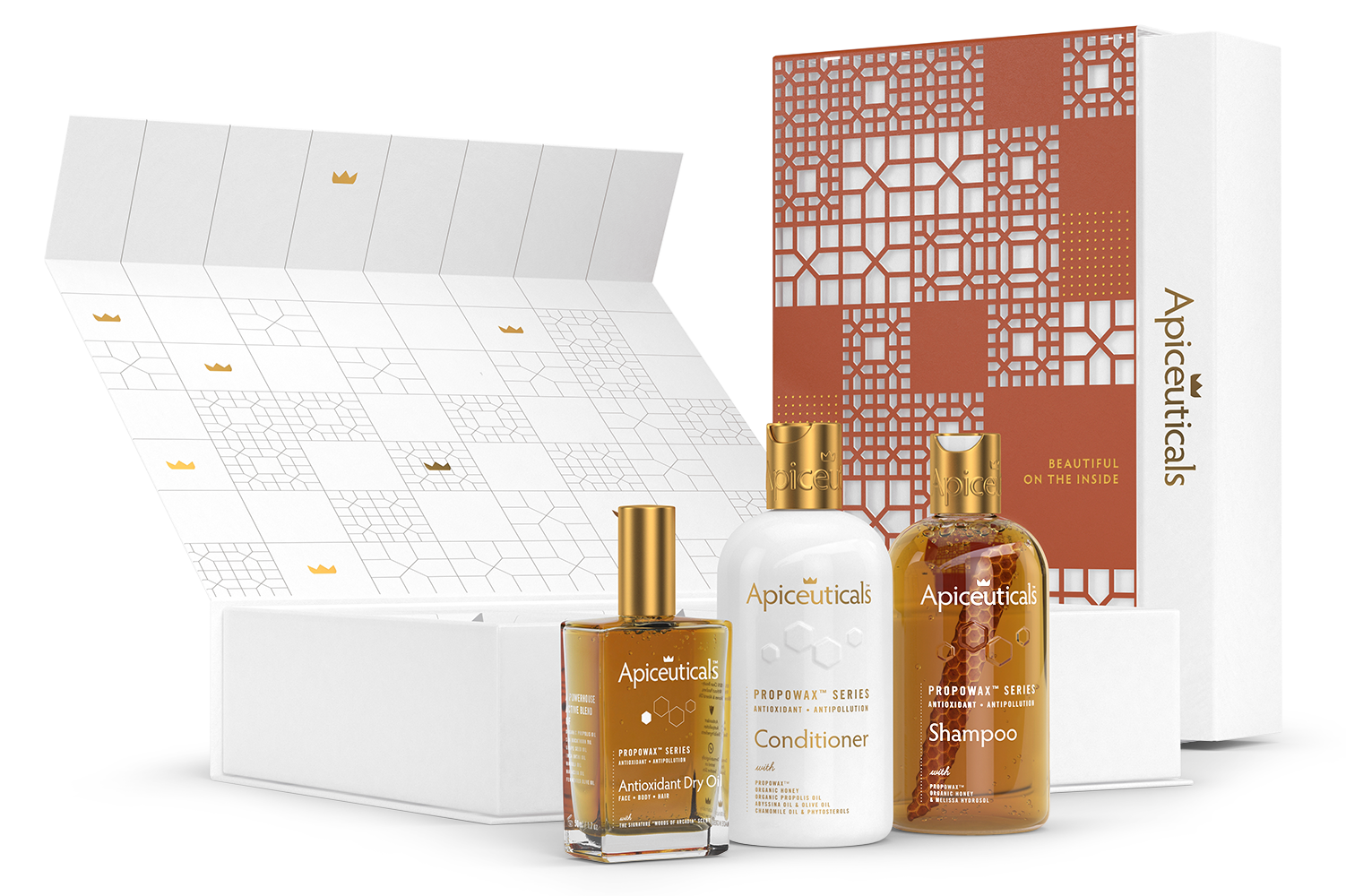
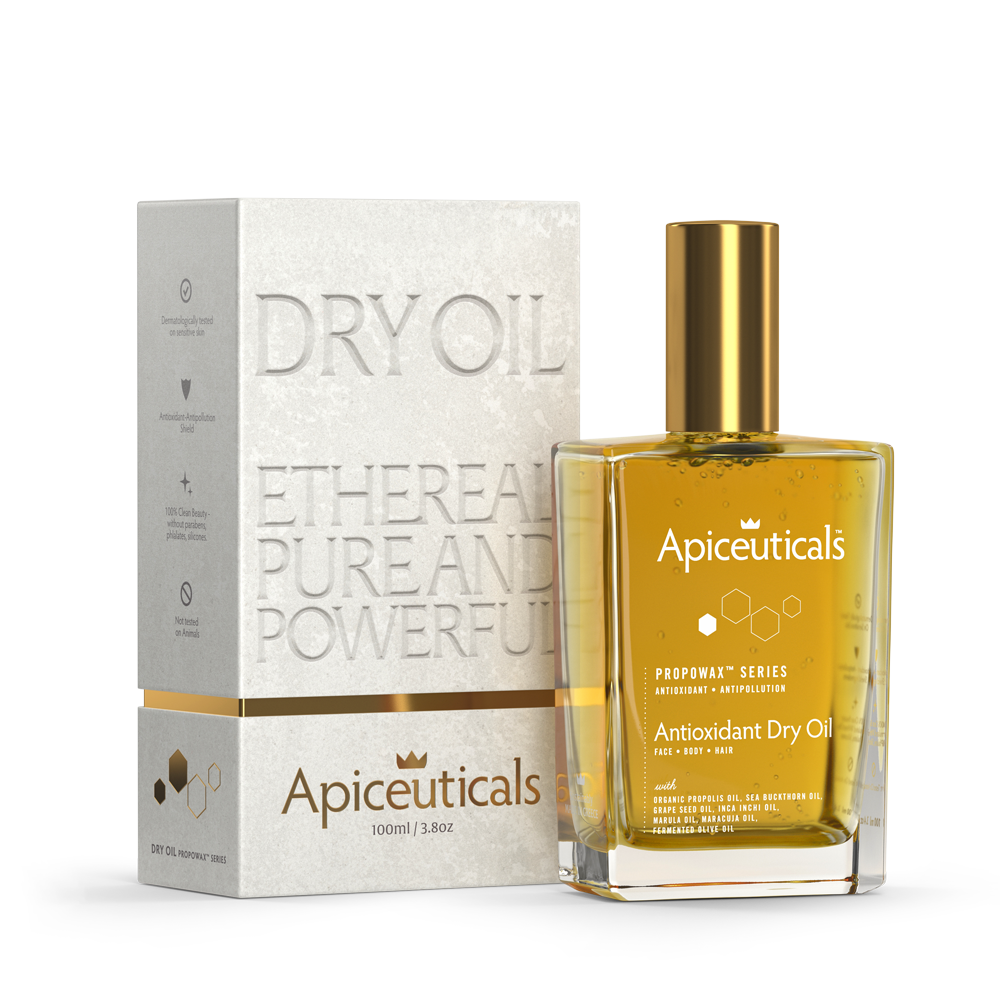
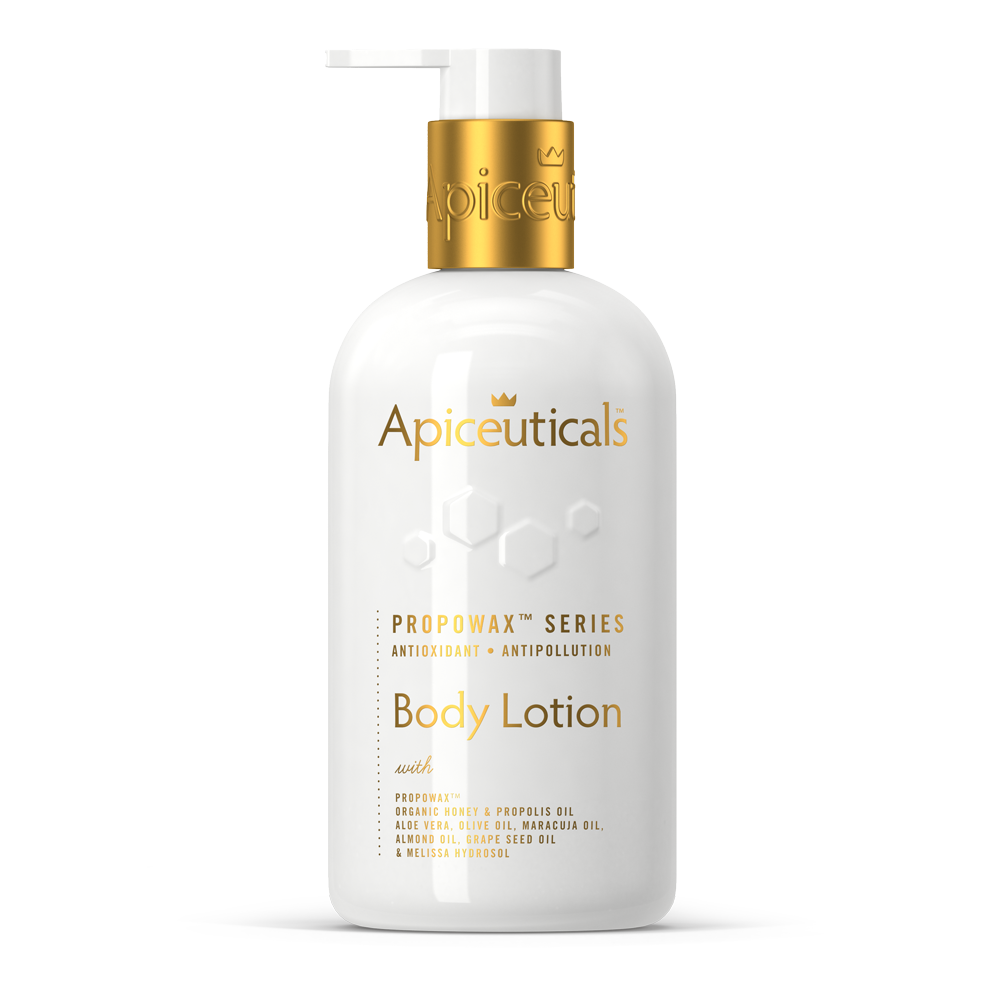
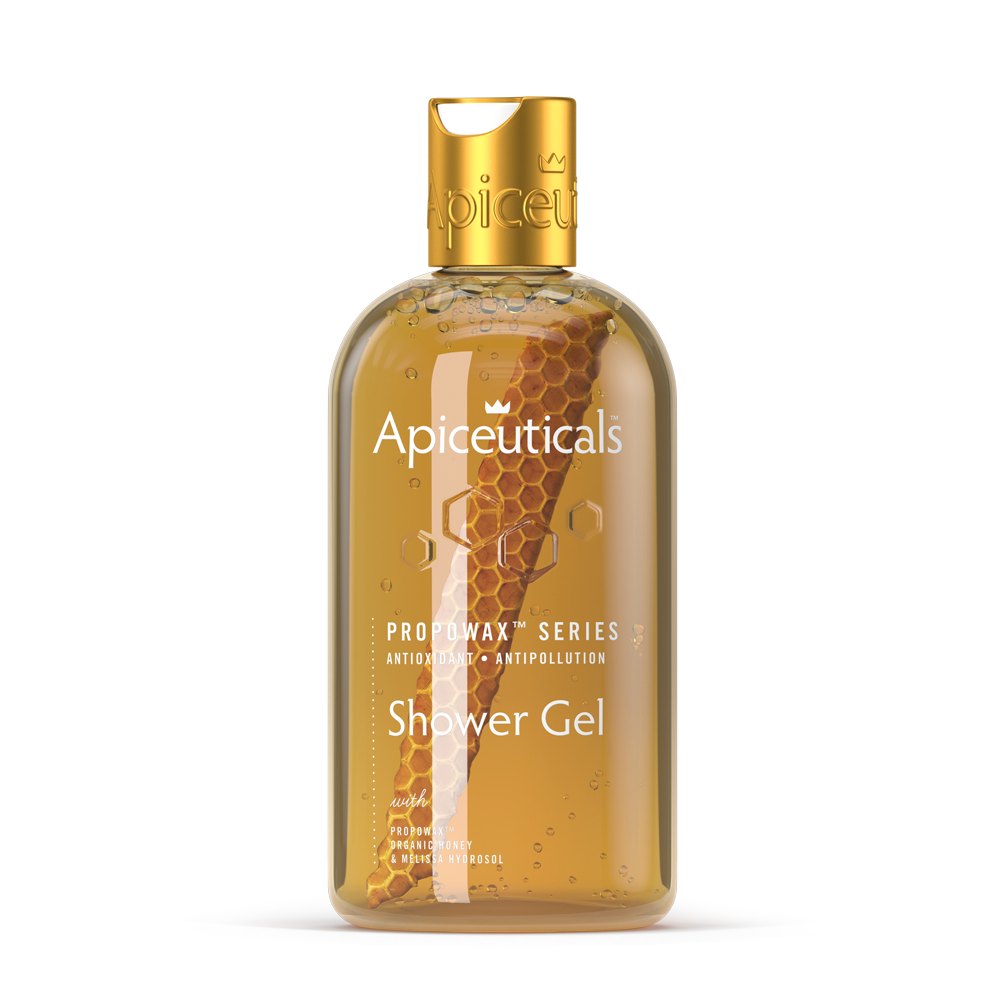
Apiceuticals holds a global patent for the highest antioxidant activity in cosmetics through its PROPOWAX™ technology, a patented Living Honeycomb structure built into its formulas that continuously releases antioxidants onto skin, scalp, and hair rather than depositing them in a single application. This delivery approach was independently validated by the Aristotle University of Thessaloniki, addressing the exact variability and stability concerns raised throughout honey-based antioxidant research: a controlled-release structure reduces the guesswork inherent in relying on a raw ingredient’s fluctuating phenolic content.
The brand’s waterless facial care series has shown clinical signals of wrinkle reduction, a finished-formula result that sits alongside the mechanistic honey research discussed above rather than replacing it.
- PROPOWAX™ Living Honeycomb is designed to manage the sensory and stability tradeoffs that raw honey formulations face.
- Independent validation by Aristotle University of Thessaloniki grounds the antioxidant-delivery claim outside the brand’s own testing.
- Readers can review batch and finished-formula detail directly on the PROPOWAX™ technology page.
Nutritional profile of pine honey and how it differs from other honey types
Pine honey stands apart from floral honeys chemically before it ever reaches a formulation lab. Much of what is labeled pine honey in the Mediterranean actually originates from bees collecting honeydew, a sugary secretion produced by insects feeding on pine sap, rather than nectar gathered directly from flowers. That honeydew origin shifts the sugar profile toward more complex oligosaccharides and gives the honey a characteristically darker color and higher mineral content than typical blossom honeys.

Botanical or entomological origin changes a honey’s chemical composition in ways that carry through to its expected biological activity, a point emphasized in research on honey-mediated skin repair. That is the core reason pine honey cannot be treated as interchangeable with clover, acacia, or thyme honey in either nutrition or formulation contexts: the sugar matrix, mineral content, and phenolic profile all shift with the source.
For formulators, this distinction matters because a honey’s water activity, sugar composition, and enzyme content jointly determine how it behaves in a cream base, how prone it is to crystallization, and how much hydrogen peroxide it generates when diluted. Pine honey’s denser mineral and oligosaccharide content, relative to lighter floral honeys, tends to make it more viscous and slower to crystallize, a practical detail that affects shelf stability as much as it affects nutrition.
Traditional and cultural uses of pine honey related to health benefits
Long before phenolic assays existed, pine honey held a specific place in Mediterranean and Central European households, largely because its dark color, dense texture, and pronounced flavor set it apart from lighter blossom honeys. It was commonly reserved as a household staple for sore throats and winter ailments, spooned directly or stirred into warm drinks, a use pattern consistent with honey’s long-documented soothing and coating properties rather than any pine-specific medical claim.
Beekeeping regions that produce pine or fir honeydew honey in meaningful volume, including parts of Greece and other Mediterranean and Alpine areas, have historically prized it for its intensity and rarity relative to more common floral honeys. That scarcity, paired with its distinct sensory profile, gave pine honey a premium position in traditional kitchens well before modern antioxidant research existed to explain why.
None of this traditional use constitutes clinical evidence, and this article does not extend consumption-based folk uses into medical claims. What the tradition does offer is context: pine honey’s cultural reputation for density, intensity, and value maps reasonably well onto what compositional research now confirms, a honey with a distinctive mineral and sugar profile shaped by its honeydew origin.
Potential health benefits of pine honey when consumed
Reviews of honey phytochemicals identify plausible antimicrobial, anti-inflammatory, and digestive-supportive properties among honey’s bioactive constituents, largely attributable to its polyphenol content, low water activity, and hydrogen-peroxide-generating enzyme activity, according to research on honey’s dermatological and broader bioactive potential. These mechanisms are shared across honey types to varying degrees, with pine honey’s specific contribution shaped by its honeydew origin and correspondingly different mineral and sugar composition.
The same review is careful to note that clinical evidence supporting these effects remains limited and heterogeneous, meaning the mechanistic plausibility of antimicrobial or anti-inflammatory action does not yet translate into settled clinical guidance for oral consumption. Readers should treat any digestive or immune-related claim about consumed pine honey as an area of ongoing research rather than an established medical benefit, and should consult a healthcare provider before using honey to address a specific health condition.
This article’s focus remains on pine honey’s role as a topical cosmetic ingredient, where the evidence base, while still developing, is more directly tied to measurable skin and hair outcomes than to internal health claims.
Possible allergic reactions or contraindications associated with pine honey
Honey of any botanical origin, including pine honey, can trigger allergic reactions in people sensitive to pollen, bee proteins, or other honey constituents, and reactions can range from mild oral irritation to more significant hypersensitivity responses. Anyone with a known bee product allergy or a history of pollen-related allergic reactions should treat pine honey, whether consumed or applied topically, with the same caution as any other honey product.
Honey, including pine honey, is not recommended for infants under one year of age due to the risk of infant botulism, a well-established pediatric caution that applies regardless of honey type or origin. Topically, honey-based products should be patch-tested by anyone with known sensitivities before broader use on skin, scalp, or hair, since a topical reaction can occur even in people without a history of oral honey allergy.
Because pine honey’s precise chemical makeup varies by batch, as the compositional research above demonstrates, contraindications tied to specific compounds cannot be generalized with full confidence across every jar labeled pine honey. This is one more reason batch characterization matters for anyone with a relevant allergy or sensitivity, whether they are consuming the honey or considering it in a topical formula.
Comparison of pine honey benefits with other natural sweeteners or honeys
Set against lighter floral honeys such as acacia or orange blossom, pine honey typically brings a denser mineral profile, a more viscous texture, and a phenolic and antioxidant range shaped by its honeydew origin rather than nectar. Compared with darker floral honeys, pine honey’s honeydew source gives it a distinct sugar composition and mineral load, even where phenolic content ranges may overlap with certain phenolic-rich blossom honeys.
Against other natural sweeteners entirely, such as maple syrup or agave, honey generally carries additional biological complexity, including enzyme activity, phenolic compounds, and hydrogen-peroxide-generating potential, that plain sugar syrups do not, a distinction supported by reviews of honey’s phytochemical composition. Pine honey specifically extends that distinction with its characteristic mineral density.
For formulators evaluating honey types side by side, the practical takeaway is that no single honey variety is universally superior. A phenolic-rich darker honey, examined in more detail in research on dark honey’s skin-barrier effects, may offer a different antioxidant and barrier-support profile than pine honey, and the right choice depends on the target sensory experience, the desired antioxidant mechanism, and how the final formula is designed to deliver it. Polyphenols in general, as detailed in research on polyphenols and skin health, behave differently depending on their source and the vehicle carrying them, which is as true for honey comparisons as for any other botanical antioxidant class.
Editor-scientist perspective: when to pick pine-honey formulas vs other antioxidants
Pine honey earns its place when a formula wants humectancy and antioxidant breadth in one ingredient, with a sensory profile that reads as genuinely botanical rather than engineered. It is the wrong choice when a brand needs a single, repeatable potency figure or a texture with zero tack, since batch variability and stickiness are real constraints, not marketing footnotes. For shoppers prioritizing traceability, a characterized, batch-tested honey source matters more than the word “pine” on a label. This maps onto a wider clean-beauty preference for sourcing transparency over ingredient novelty.
— Apiceuticals
Where to start: Apiceuticals product and technology links for readers who want tested pine-honey antioxidant care

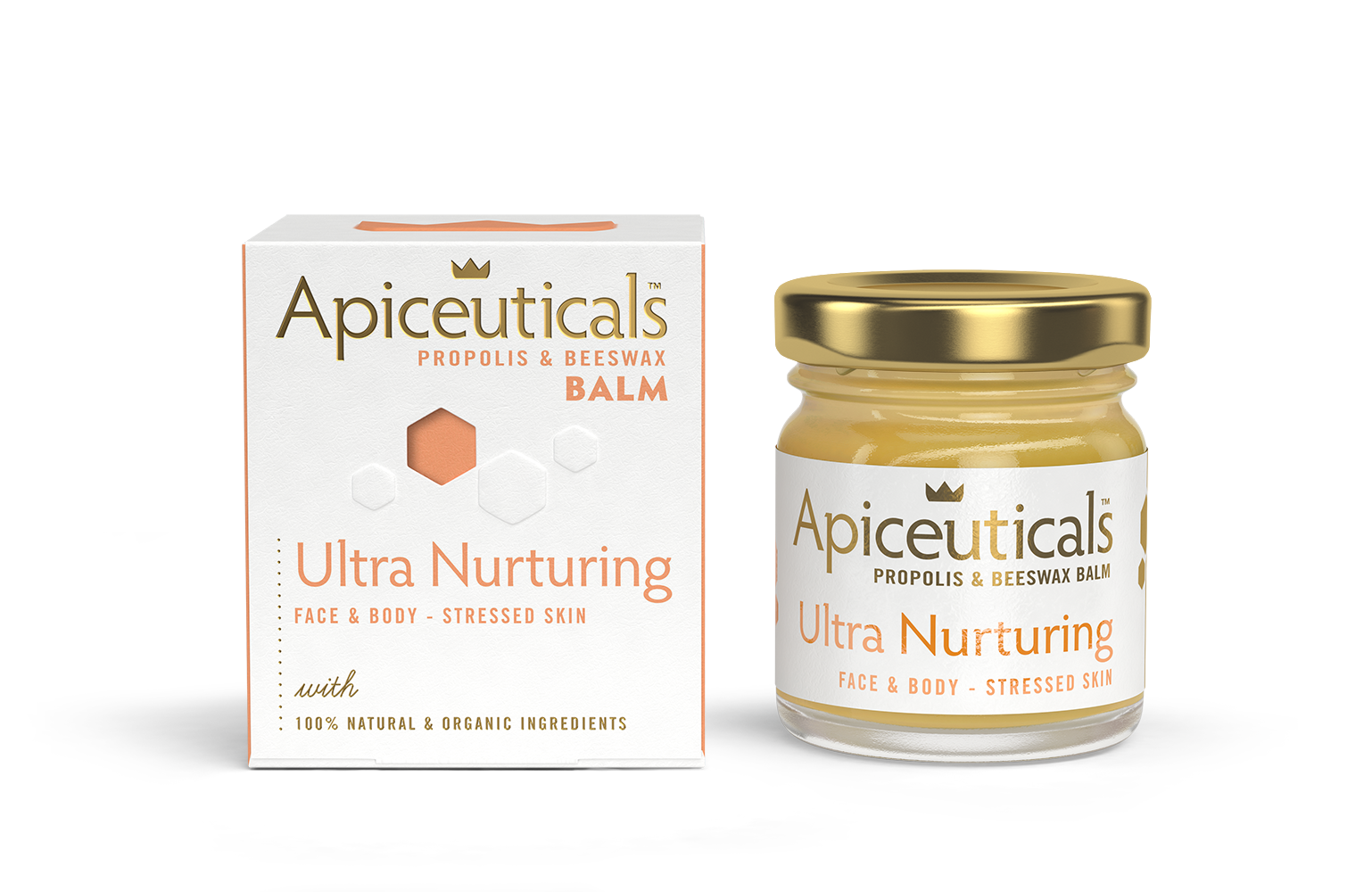
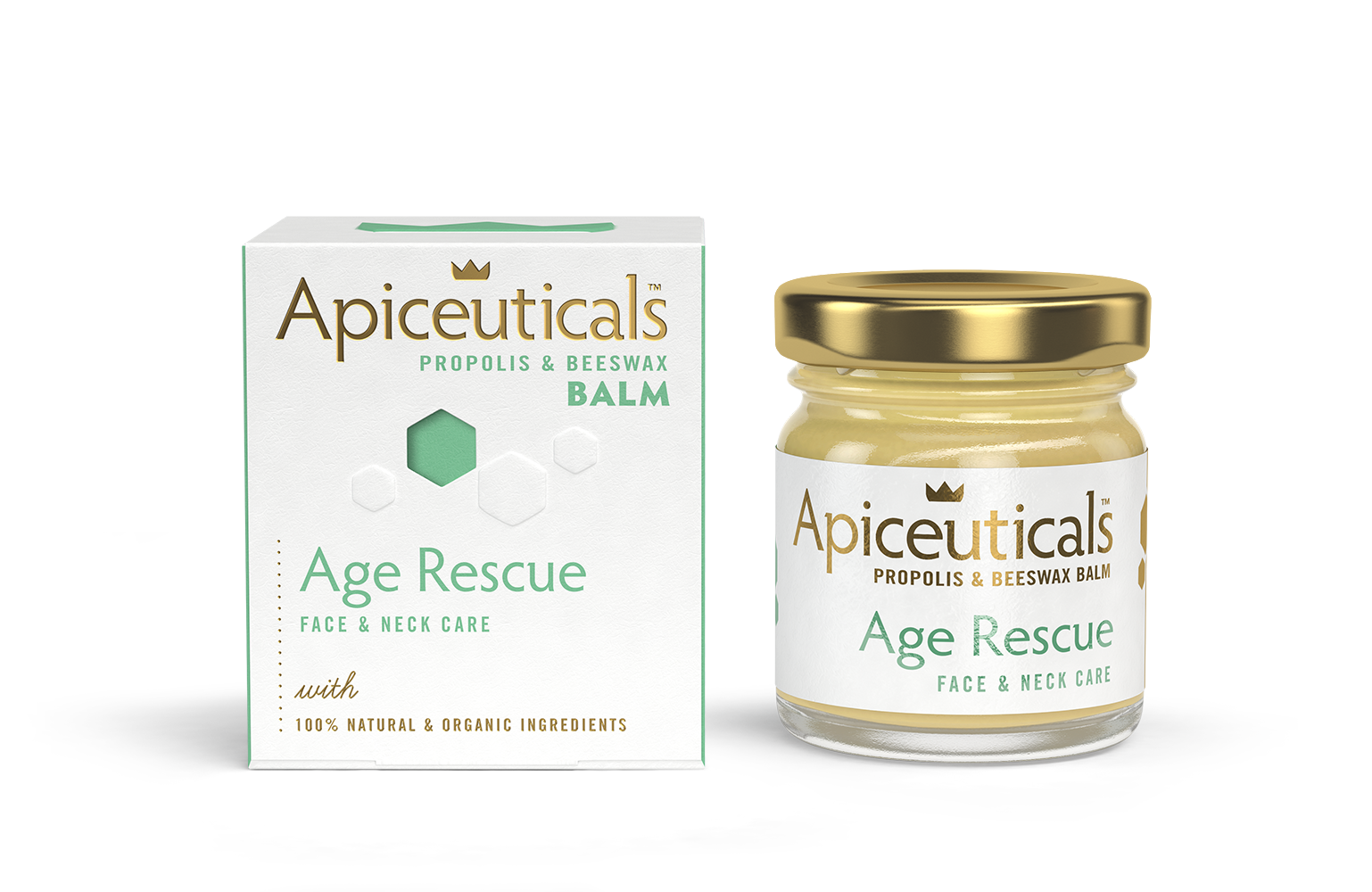
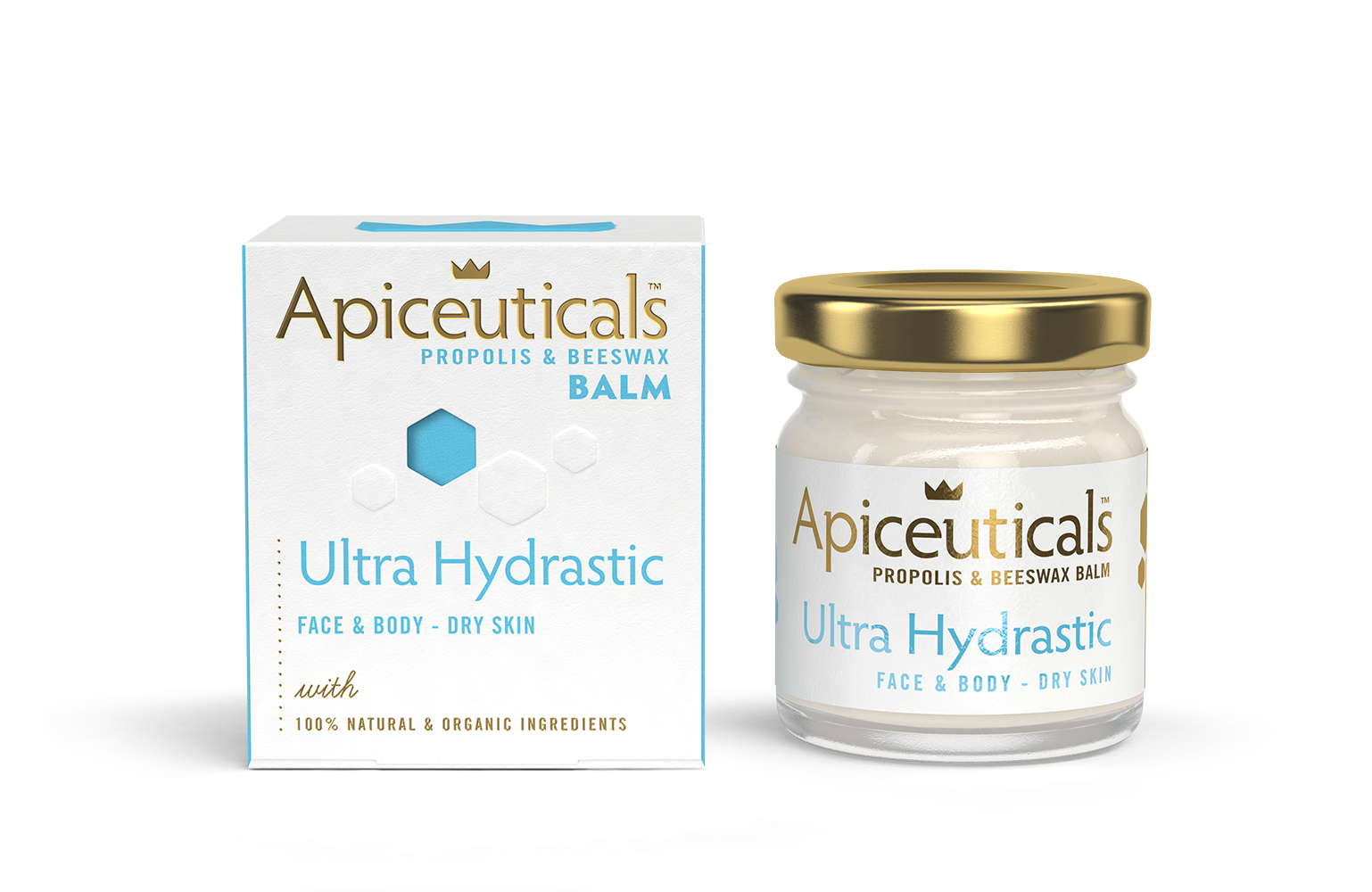
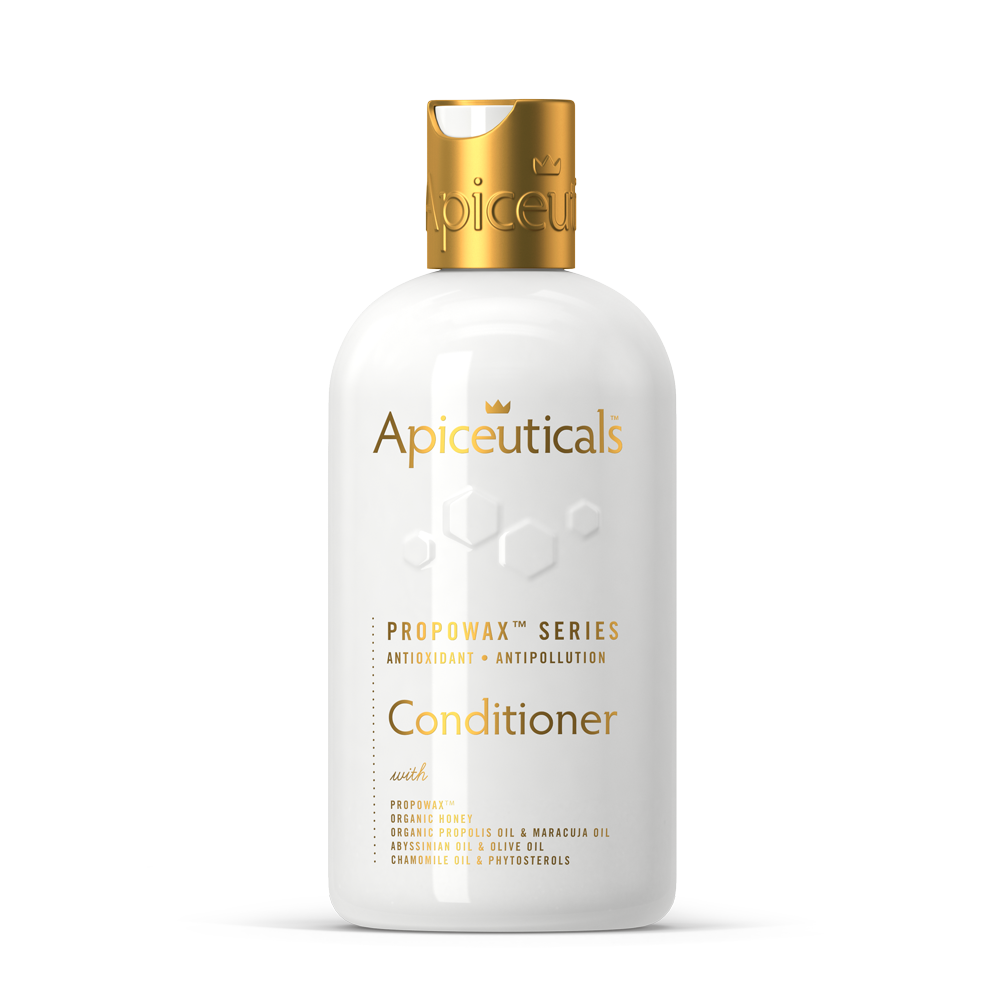
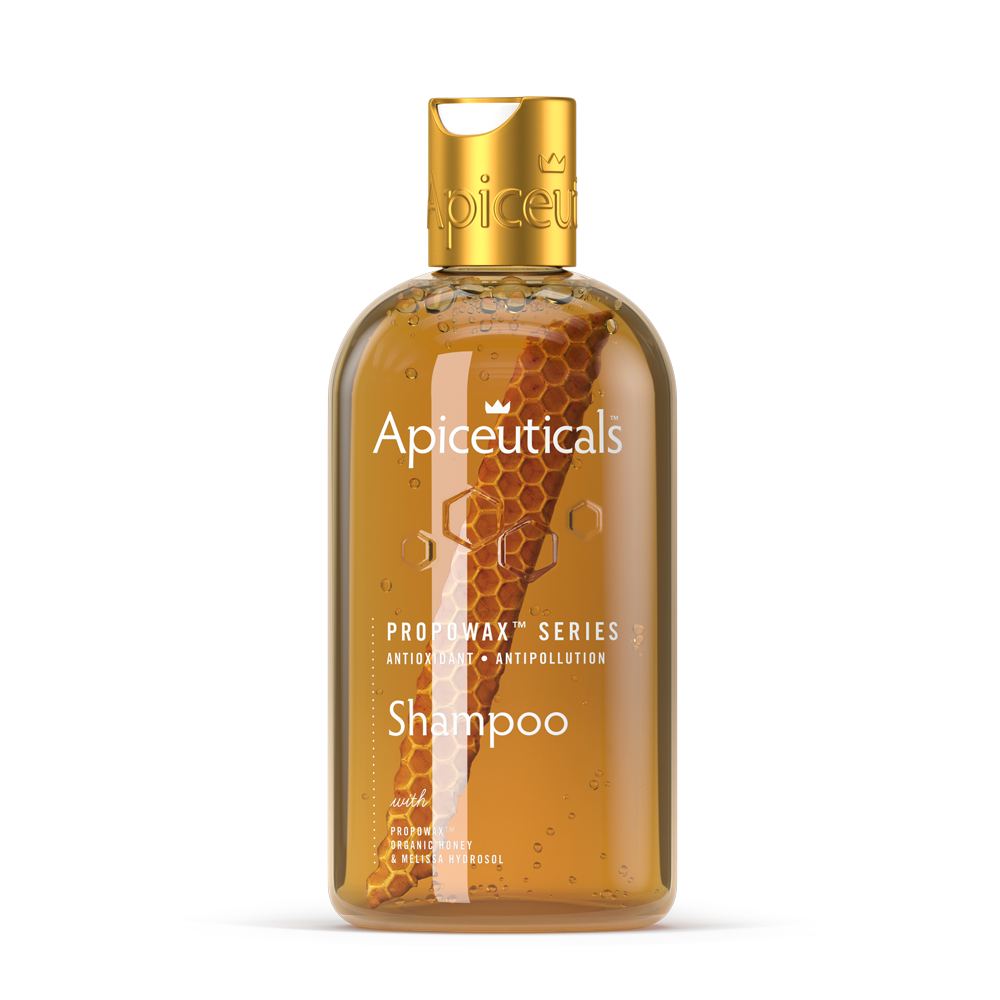
Readers who want the antioxidant and conditioning functions discussed here in a finished, validated form rather than a raw jar of honey have two practical starting points within the brand’s own lines. The PROPOWAX™ Series applies the Living Honeycomb delivery structure across hair and body formulas, while the HONEY BALM™ Series addresses the waterless-format tradeoff discussed earlier without sacrificing the antioxidant mechanism.
- Explore the PROPOWAX™ technology page for the delivery science behind both lines.
- Browse the full product range to compare formats and find the right starting formula.
Sources
- Physicochemical Characterization and Biological Properties of Pine Honey Produced across Greece
- Innovative Honey-Based Product and Its Beneficial Effects Measured by Modern Biophysical and Imaging Skin Techniques
- Review: Honey phytochemicals and dermatological potential
FAQ
Is pine honey good for skin as a cosmetic ingredient?
Pine honey can support skin through antioxidant compounds and its natural humectant sugars, which is why formulated honey creams have shown measurable moisturization gains in trials, including improvements of up to 29.7% in one instrumented study. Results depend heavily on concentration and vehicle design, so the finished product matters more than the raw ingredient alone.
What is the nutritional value of pine honey compared to floral honey?
Pine honey typically comes from honeydew rather than nectar, giving it a denser mineral content and a different sugar composition than lighter floral honeys. Its antioxidant compounds, measured as total phenolics, have averaged around 451 milligrams of gallic acid equivalents per kilogram in Greek samples, though individual batches vary widely.
Can pine honey help with immune support when used topically?
Pine honey’s topical relevance centers on antioxidant and mild antimicrobial contributions from its phenolic content and hydrogen-peroxide-generating activity, not on immune-system support, which is more commonly discussed in the context of consuming honey. No pine-honey-specific topical trial has tested immune-related skin endpoints, so this claim should stay limited to general antioxidant and conditioning language.
What concentration of honey works best in skincare formulas?
Trials testing honey at 5% to 15% by weight in cream bases reported measurable improvements in moisturization and wrinkle metrics over a four-week period, according to biophysical skin research. Mid-range concentrations within that band tend to balance hydration benefits against the barrier-related tradeoffs seen at higher percentages.
How does Apiceuticals address pine honey’s stickiness and variability in its products?
Apiceuticals uses its patented PROPOWAX™ Living Honeycomb structure to deliver antioxidants in a controlled way rather than relying on raw honey’s variable phenolic content, an approach independently validated by the Aristotle University of Thessaloniki. This delivery method is designed to manage the sensory and stability challenges that raw honey formulations typically face.
Recommended


Related posts

Explore how a trial lasting 24 weeks and Malassezia research link scalp oxidative stress to shedding, and where PROPOWAX™ fits continuous antioxidant care.

See when silicones smooth hair or build up, and how PROPOWAX™ holds a global patent for highest antioxidant activity, validated by Aristotle University.

Explore mountain honey benefits for skin and body, from floral polyphenols and antioxidant activity to evidence on cough relief, wound care, and safe use.

Propolis delivers stronger antioxidant and antimicrobial action. Royal jelly boosts hydration and repair. Learn which suits your skin or scalp and why...

Pick sulfate-free or sulfate shampoo by your scalp, porosity, and color needs. Read evidence-backed guidance, antioxidant options, and a 4-step switch...