No products in the cart.
Return To Shop
Polyphenols for Skin: One Validated Indication Formulators Should Know
Polyphenols for skin do earn their reputation, but with conditions attached: the strongest human evidence supports photoprotection and specific anti-inflammatory uses, while claims about acne, alopecia, and general anti-aging rest on thinner data. A 2014 systematic review found high-quality trial support for green tea polyphenols in only one dermatological indication, with everything else limited by small trials and inconsistent formulations. Compounds like EGCG, resveratrol, and oleuropein show real antioxidant and anti-inflammatory activity in the lab. Whether that activity survives contact with skin depends entirely on how it’s delivered, which is where technologies like Apiceuticals’ PROPOWAX™ Living Honeycomb enters the conversation as a formulation case study rather than a marketing footnote.
TL;DR:
- Clinical evidence strongly supports polyphenols like EGCG for photoprotection and anti-inflammatory benefits, but their efficacy depends heavily on formulation stability and delivery methods.
- Most topical formulations deliver limited skin penetration due to the lipophilic barrier and oxidation instability of polyphenols, making advanced delivery systems like nanoencapsulation essential.
- Human trials remain limited in size and scope, with high-quality evidence only for green tea polyphenols treating anogenital warts, while potential benefits for acne, aging, or inflammatory conditions are still uncertain.
- The effectiveness of polyphenols in skincare requires standardized extracts and longer, biomarker-focused studies; current marketing claims often overstate their proven benefits.
- Combining stable topical formulations with dietary polyphenol intake appears promising for additive skin health benefits, but long-term dose-response data are still lacking.
Table of Contents
- How Do Polyphenols Protect Skin at the Cellular Level?
- What Does Clinical Research Say About Polyphenols and Skin?
- Topical or Oral: Which Delivery Route Actually Works?
- Which Polyphenols Have the Strongest Evidence for Skin?
- Are Polyphenols Safe? Side Effects and Drug Interactions to Know
- How Much Polyphenol Actually Works in Skincare?
- Can Polyphenols Help Acne, Eczema, or Psoriasis?
- Polyphenols vs. Vitamin C and Vitamin E: How Do They Compare?
- Does Eating Polyphenol-Rich Foods Improve Skin Health?
- Where Is Polyphenol Skin Research Headed Next?
- Apiceuticals’ Formulation Approach to Antioxidant Delivery
- An Editorial Take on Where Polyphenols Deliver Real Value
- An Evidence-Focused Option Worth Examining Further
- Sources
- FAQ
How Do Polyphenols Protect Skin at the Cellular Level?
Polyphenols work through a handful of overlapping biochemical routes, and understanding which route matters for which skin concern separates a credible skincare claim from a decorative one. The umbrella term covers more than 1,000 identified compounds, organized into four main chemical families: flavonoids, phenolic acids, stilbenes, and lignans. Each family behaves differently once it touches skin, which is why lumping “polyphenols” together as a single ingredient category oversimplifies the science.
The first and most direct mechanism is reactive oxygen species (ROS) scavenging. Ultraviolet exposure, pollution, and normal metabolic activity generate free radicals that damage lipids, proteins, and DNA inside skin cells, roughly the biological equivalent of rust forming on exposed metal. Polyphenols donate electrons to neutralize these unstable molecules before they trigger a cascade of oxidative damage. This is the foundational mechanism behind most antioxidant skincare claims, and it’s well documented across a broad review of natural polyphenols and skin health.
A second, less obvious mechanism involves the Nrf2 pathway, a cellular switch that activates the body’s own antioxidant enzyme production. Rather than acting only as external antioxidants, certain polyphenols, including EGCG from green tea, appear to upregulate glutathione and superoxide dismutase synthesis from within the cell. That distinction matters for formulators: a compound that scavenges radicals directly and one that triggers the skin’s endogenous defense system are doing different jobs, even if both get filed under “antioxidant.”
Inflammation control runs through a separate but related route: modulation of NF-κB and AP-1, two transcription factors that switch on inflammatory gene expression when skin is stressed by UV light or irritants. Resveratrol and quercetin have both shown the ability to dampen this signaling in laboratory models, which translates clinically into reduced redness and swelling after UV insult, a mechanism explored in research on photoprotection through anti-inflammatory and DNA repair pathways.
Polyphenols also inhibit matrix metalloproteinases (MMPs), the enzymes responsible for breaking down collagen and elastin after sun exposure. UV radiation activates MMP-1 and MMP-9 production, and several flavonoids, quercetin among them, appear to blunt that activation. In principle, that means less collagen degradation over time, though it’s worth being precise here: mechanism-level inhibition is not the same as a demonstrated clinical reduction in wrinkle depth, which requires long-term trial data most polyphenols still lack.
A few compounds intersect with pigmentation control by inhibiting tyrosinase, the enzyme that drives melanin synthesis. This is where oleuropein, the primary polyphenol in high-phenolic olive oil, gets attention as both an anti-inflammatory and a mild pigmentation-modulating ingredient. Finally, some research points to SIRT1 pathway activation, a longevity-linked enzyme system that resveratrol engages and that connects polyphenol chemistry to broader anti-aging research beyond skin.
The mechanistic map, condensed:
- ROS scavenging: direct antioxidant action, relevant to most polyphenols including EGCG and quercetin
- Nrf2 activation: up regulates the skin’s own antioxidant enzymes, most studied with EGCG
- NF-κB/AP-1 modulation: reduces inflammatory signaling, seen with resveratrol and quercetin
- MMP inhibition: limits collagen and elastin breakdown, associated with flavonoids broadly
- Tyrosinase inhibition: moderates melanin production, notably with oleuropein
- SIRT1 activation: connects to cellular longevity pathways, primarily linked to resveratrol
This scientific framework supports many polyphenol skin benefit claims; however, whether a given product delivers sufficient active compound in a stable form to trigger these effects in human skin remains to be demonstrated through clinical trials rather than laboratory studies.
What Does Clinical Research Say About Polyphenols and Skin?
Cell studies and animal models make polyphenols look almost universally beneficial. Human trials tell a narrower story, and the gap between the two is the single most important thing to understand before trusting any polyphenol skincare claim.
The most rigorous look at this evidence base is the 2014 systematic review of clinical trials, which screened 356 abstracts and ultimately included 17 studies that met its inclusion criteria. Its conclusion was blunt: high-quality evidence existed for green tea polyphenols in treating anogenital warts, a specific and somewhat narrow dermatological indication. For everything else the review examined, including alopecia, acne, and photoaged skin, the evidence was limited, and effectiveness depended heavily on how the active compound was formulated and how stable it remained through manufacturing and storage.
That finding hasn’t been overturned so much as refined. More recent reviews, including a 2024 analysis in Molecules, reinforce photoprotection as the area with the most consistent supporting data, while flagging that most of the mechanistic promise around cellular senescence and oxidative stress prevention still rests on preclinical models rather than large human trials. Topical resveratrol analogs and equol, a metabolite derived from soy isoflavones with estrogen receptor activity, have both been tested in smaller controlled studies with encouraging but not definitive results on skin elasticity and photoaging markers.
The evidence gap in numbers: Of the 356 abstracts screened in the foundational 2014 systematic review, only 17 studies passed methodological screening, and just one indication (anogenital warts treated with green tea extract) reached high-quality evidence status.
Several structural problems explain why the evidence base hasn’t grown faster:
- Small sample sizes. Many trials enroll a few dozen participants, which limits statistical power to detect modest effects.
- Formulation heterogeneity. Studies rarely use standardized, well-characterized extracts, so one “green tea” trial may not be comparable to another using a different extraction method or concentration.
- Short follow-up periods. Skin aging and inflammation markers change slowly; a four-week trial often can’t capture meaningful collagen or elasticity shifts.
- Surrogate endpoints. Researchers frequently measure biomarkers, such as MMP activity or antioxidant enzyme levels, rather than visible clinical outcomes like wrinkle depth or erythema reduction.
- Matrix effects. A polyphenol tested in isolation may behave differently once combined with emulsifiers, preservatives, and other actives in a finished product.
The broader review of natural polyphenols and skin health makes a related point worth sitting with: because so many trials test mixtures or poorly characterized extracts rather than single, standardized compounds, it’s often unclear which specific molecule in a formula produced the observed effect. That’s not a minor footnote. It means a lot of positive results attributed to “polyphenols” broadly might really reflect the activity of one dominant compound, or an interaction between several, that a differently formulated product wouldn’t replicate.
None of this means the category lacks merit. It means the honest clinical picture is narrower and more conditional than most skincare marketing implies, and that formulation quality, not just the presence of a polyphenol on an ingredient list, determines whether a product can plausibly deliver the effect it claims.

Topical or Oral: Which Delivery Route Actually Works?
Whether a polyphenol reaches its intended target inside skin depends on three physical properties: solubility, polarity, and molecular weight. Get any of these wrong for a given application, and the compound never reaches the cells it’s meant to protect, no matter how promising it looked in a test tube.
Most polyphenols are hydrophilic to some degree, which creates an immediate problem for topical delivery. Skin’s outermost barrier, the stratum corneum, is lipid-rich and built to resist water-soluble molecules passing through it. A polyphenol that’s too polar tends to sit on the surface or lodge in the stratum corneum rather than penetrating to the viable epidermis or dermis where mechanisms like MMP inhibition or fibroblast support would actually take effect. Larger molecules face the same barrier for a different reason: size alone can block passage through intercellular lipid channels regardless of polarity.
There’s also an oxidative stability problem specific to this ingredient class. The same chemical structure that gives polyphenols their antioxidant power, multiple hydroxyl groups capable of donating electrons, also makes them prone to oxidizing on contact with air, light, or heat before they ever reach skin. An unstable extract sitting in a jar can lose a meaningful share of its active potency between manufacture and application, which is precisely the formulation dependency that shows up repeatedly across the clinical evidence.
Permeation research gives useful specifics on how this plays out compound by compound. Studies on polyphenols as cosmetic actives found that protocatechuic acid and catechin penetrate relatively well into deeper skin layers, while EGCG tends to concentrate in the stratum corneum rather than reaching the dermis, and resveratrol distributes more readily into dermal layers in certain formulation models. That distribution pattern has direct practical consequences: a compound that stays in the stratum corneum is well positioned for surface-level antioxidant defense but poorly positioned to influence dermal collagen synthesis, while a compound that reaches the dermis has a shot at deeper structural effects but may offer less frontline barrier protection.
Formulation science has responded with several delivery strategies designed to solve both the stability and the penetration problem simultaneously:
- Nanoencapsulation, which wraps unstable polyphenols in a protective shell that shields them from oxidation and can improve controlled release into skin over time.
- Lipid-based carriers, including liposomes and nanostructured lipid carriers, which exploit skin’s own lipid affinity to ferry hydrophilic actives past the stratum corneum barrier.
- Continuous-release matrix systems, which meter out active compound gradually rather than delivering a single concentrated dose that oxidizes quickly after application.
The 2024 review in Molecules specifically names nanoformulation strategies as one of the more promising directions for closing the gap between laboratory antioxidant activity and real-world topical performance. Readers interested in the mechanics of these platforms can find a more technical breakdown in Apiceuticals’ guide to antioxidant delivery technologies.
Pro Tip: When comparing polyphenol products, check whether the brand discusses its delivery system at all. A formula that names its stabilization method, whether encapsulation, a lipid carrier, or a continuous-release matrix, is telling you something that a bare ingredient list never will.
Oral supplementation sidesteps the penetration problem entirely by delivering polyphenols through the bloodstream to skin cells from the inside, but it introduces its own limitation: systemic bioavailability of many polyphenols is low, with much of an ingested dose metabolized or excreted before reaching skin tissue in meaningful concentrations. This is why combined approaches, a stable topical delivery system paired with moderate dietary intake, show additive benefit in some short-term trials, as detailed in research on polyphenols in skin disorders, even though the same research notes that long-term dose-response relationships remain understudied.
Which Polyphenols Have the Strongest Evidence for Skin?
Not all polyphenols are equally studied, and treating them as interchangeable does a disservice to both the compounds with real human data and the ones still waiting for it. Here’s a compound-by-compound accounting.
- EGCG (epigallocatechin gallate), the dominant catechin in green tea, has the strongest clinical pedigree of any polyphenol in dermatology. It carries the 2014 systematic review’s high-quality evidence rating for anogenital wart treatment, and separately shows Nrf2-activating antioxidant behavior in mechanistic studies. Its main limitation is penetration: permeation research shows it concentrates in the stratum corneum rather than reaching deeper skin layers, which suits surface antioxidant defense better than dermal remodeling claims.
- Resveratrol, found in grape skins and red wine, is best known for SIRT1 pathway activation and anti-inflammatory signaling through NF-κB modulation. Topical resveratrol analogs have been tested in smaller controlled trials for photoaging markers with encouraging results, and permeation data suggests it distributes more readily into dermal tissue than EGCG does. Its primary caveat is oxidative instability, resveratrol degrades relatively quickly once exposed to light and air.
- Quercetin, a flavonoid found widely across fruits and vegetables, shows both antioxidant and MMP-inhibiting activity in laboratory models, along with anti-inflammatory effects relevant to redness-prone skin. Human dermatological trial data remains thinner than for EGCG, with most support still preclinical.
- Curcumin, the primary polyphenol in turmeric, demonstrates strong anti-inflammatory activity in cell studies but faces the most severe bioavailability challenge of this group, both orally and topically. Its yellow pigment also complicates cosmetic formulation, which limits its practical use in leave-on skincare compared to its research profile.
- Oleuropein, the signature polyphenol in olive leaves and high-phenolic olive oil, functions as both a dietary and topical ingredient. Applied research on olive oil polyphenols points to anti-inflammatory activity and potential support for skin healing markers, alongside mild tyrosinase inhibition. Evidence here is emerging rather than mature, with most human data still limited in scope.
- Equol, a metabolite produced when gut bacteria process soy isoflavones, has been tested in limited clinical trials for its estrogen receptor activity and effects on skin elasticity in photoaging. Results are promising but constrained by small trial sizes and the fact that not everyone’s gut microbiome produces equol from dietary soy in the first place.
Of this list, EGCG stands alone with genuine high-quality human trial support for a specific indication. Resveratrol and equol have some controlled human data, though limited in scale. Quercetin, curcumin, and oleuropein remain largely in preclinical or early-stage human territory, promising on mechanism, underdeveloped on proof.
Are Polyphenols Safe? Side Effects and Drug Interactions to Know
Polyphenols carry a favorable safety profile overall, but “plant-derived” doesn’t mean risk-free, and a few specific concerns deserve attention before recommending or using concentrated formulations.
- Topical irritation and contact allergy. Concentrated polyphenol extracts, particularly at high percentages or in unstable formulations, can trigger irritant or allergic contact dermatitis in sensitive skin. Always patch test a new product on the inner forearm for 48 hours before facial application.
- Phototoxicity questions remain unsettled for some botanical extracts. While polyphenols are broadly associated with photoprotection, certain plant extracts containing them, particularly citrus-derived compounds, can carry separate phototoxic furanocoumarin content unrelated to the polyphenol itself. Check full ingredient lists, not just the headline actives.
- High-dose oral supplementation carries accumulation concerns. The review of natural polyphenols notes that long-term safety data on concentrated oral polyphenol supplements is limited, and some compounds may accumulate or interact with metabolic pathways over extended high-dose use.
- Drug interaction risk exists through CYP enzyme effects. Several polyphenols, including those in green tea and grapefruit-adjacent compounds, can influence cytochrome P450 enzyme activity, which affects how the liver metabolizes certain medications. Anyone on prescription drugs with a narrow therapeutic window should discuss high-dose polyphenol supplements with a physician or pharmacist first.
- Pregnancy and lactation caution applies to concentrated supplements. Standard dietary intake from food sources is generally considered safe, but concentrated extracts and high-dose supplements haven’t been adequately studied in pregnant or breastfeeding populations, and a conservative approach favors skipping them during this period.
- When symptoms don’t resolve, escalate to a professional. Persistent redness, itching, or a rash that develops after starting a new polyphenol-rich product warrants discontinuation and a dermatology consult rather than continued use “to see if it improves.”
How Much Polyphenol Actually Works in Skincare?
There’s no single agreed-upon dosage standard for topical polyphenol concentration, and that absence is itself informative. Unlike a drug with an established therapeutic range, polyphenol skincare formulations vary widely in active percentage, extraction method, and stabilization technology, which means two products both listing “green tea extract” at the same percentage on their label can perform very differently in practice.
What research does establish is directional rather than precise. Concentrations too low to register any measurable antioxidant or anti-inflammatory activity are common in mass-market products where the polyphenol functions more as a marketing ingredient than an active dose. On the oral side, dietary intake studies generally associate benefit with regular, moderate consumption of polyphenol-rich foods rather than isolated megadoses, and the research on combined topical and oral approaches suggests additive skin benefits from that combination in short-term trials, without establishing a precise dose-response curve.
For topical products, the more useful question isn’t “what percentage” but “how stable and bioavailable is that percentage once applied.” A 2% concentration of a well-stabilized, properly delivered polyphenol may outperform a 5% concentration of an unstable, poorly penetrating one. This is the formulation-dependency theme that runs through the entire clinical evidence base, and it’s why ingredient percentage alone, without delivery context, tells you less than it appears to.
Can Polyphenols Help Acne, Eczema, or Psoriasis?
The evidence here is genuinely mixed, and stronger for some conditions than others. Green tea polyphenols have the best-documented dermatological track record of any compound in this class, though that high-quality evidence specifically concerns anogenital wart treatment rather than acne, according to the foundational systematic review. For acne itself, the same review found evidence limited, largely due to small trial sizes and inconsistent extract formulations rather than a clear negative result.
Eczema and psoriasis, both fundamentally inflammatory skin conditions, are plausible candidates for polyphenol benefit given the anti-inflammatory mechanisms described earlier, particularly NF-κB modulation and antioxidant support for a compromised skin barrier. Quercetin and EGCG both show anti-inflammatory activity in preclinical models relevant to these conditions. Human trial data specifically targeting eczema or psoriasis with standardized polyphenol formulations remains sparse, however, and neither condition has the kind of high-quality randomized trial support that would justify treating polyphenols as a primary therapy rather than a potential adjunct.
The realistic framing for all three conditions: polyphenol-containing formulations may offer supportive anti-inflammatory and antioxidant benefit alongside standard dermatological care, but none of these conditions currently have strong enough polyphenol-specific trial data to support first-line treatment claims. Anyone managing active eczema, psoriasis, or persistent acne should treat polyphenol skincare as a complement to, not a replacement for, guidance from a dermatologist.
Polyphenols vs. Vitamin C and Vitamin E: How Do They Compare?
All three belong to the antioxidant category, but they scavenge free radicals through different chemistry and carry different formulation challenges. Vitamin C (L-ascorbic acid) is a potent single-molecule antioxidant with strong evidence for brightening and collagen synthesis support, but it’s notoriously unstable, oxidizing on exposure to light and air within weeks unless carefully formulated and stored in opaque, airless packaging. Vitamin E (tocopherol) is more stable than vitamin C and works synergistically with it, regenerating oxidized vitamin C back to its active form, but on its own it has a narrower range of documented skin benefits.
Polyphenols occupy a middle position on stability, generally more resilient than vitamin C but still vulnerable to oxidation without proper formulation, and they bring a broader mechanistic range than either vitamin. Where vitamin C’s evidence base centers heavily on collagen synthesis and pigmentation, and vitamin E’s centers on lipid membrane protection, polyphenols span antioxidant, anti-inflammatory, MMP-inhibiting, and in some cases enzyme-modulating activity across a much larger and more chemically diverse compound family.
The practical takeaway for anyone building a routine: these categories aren’t competitors so much as complementary tools. Vitamin C and E have decades of dermatological research behind their specific mechanisms, while polyphenols offer breadth, at the cost of a less mature and more uneven clinical evidence base across that breadth. A formula that combines stabilized polyphenols with vitamin E, in particular, has a mechanistic rationale worth taking seriously, since vitamin E’s regenerative relationship with other antioxidants is well established.
Does Eating Polyphenol-Rich Foods Improve Skin Health?
Diet matters here in a way that topical skincare alone can’t replicate. Polyphenol-rich foods, green tea, berries, olive oil, dark chocolate, and colorful vegetables among them, deliver these compounds systemically, reaching skin cells through the bloodstream rather than needing to cross the stratum corneum barrier at all.
The research on combined approaches to polyphenol skin benefit found that pairing stable topical delivery with regular dietary polyphenol intake produced additive improvements in skin hydration, elasticity, and surface roughness in short-term trials. That’s a meaningful finding: it suggests the oral and topical routes aren’t redundant, they’re addressing overlapping but not identical biological targets, since systemic antioxidant status affects skin from the inside while topical application defends the surface and upper layers directly.
High-phenolic olive oil deserves specific mention here, since oleuropein and related olive polyphenols function as both a dietary staple in Mediterranean eating patterns and, increasingly, a topical ingredient in its own right. Regular dietary consumption is associated with the kind of systemic antioxidant support that complements, rather than substitutes for, targeted topical care.
The caveat that applies throughout this entire research area applies here too: long-term dose-response data connecting specific dietary intake levels to measurable skin outcomes remains limited, and most supporting studies run over weeks rather than years. Diet is a reasonable and low-risk lever to pull for supporting skin’s antioxidant defenses, but it shouldn’t be oversold as a substitute for a well-formulated topical routine, or vice versa.
Where Is Polyphenol Skin Research Headed Next?
The next wave of polyphenol research is converging on three problems: standardization, delivery, and better measurement. Researchers increasingly acknowledge that comparing “green tea extract” across studies means little without specifying extraction method, standardized active percentage, and stabilization approach, a gap the systematic review’s own authors flagged as a barrier to reproducible clinical results.
Delivery science is the area seeing the most active investment. Nanoencapsulation, lipid carrier systems, and continuous-release matrices are all being refined specifically to solve the stability and penetration problems that have limited polyphenol efficacy in finished products, a direction the 2024 review in Molecules identifies as one of the field’s most promising paths forward. Expect more head-to-head comparisons of delivery platforms rather than isolated single-ingredient trials.
On the measurement side, researchers are pushing toward objective biomarkers, quantified MMP activity, validated elasticity and hydration instrumentation, standardized erythema scoring, rather than relying on subjective self-assessment or short surrogate endpoints. Larger, longer randomized trials with these standardized outcome measures would do more to advance the field’s credibility than another mechanistic cell-culture study demonstrating antioxidant activity that’s already well established. Equol and topical resveratrol analogs, both showing early promise in smaller trials, are likely candidates for the next generation of better-powered human studies.
Apiceuticals’ Formulation Approach to Antioxidant Delivery
Every constraint outlined above, oxidative instability, poor stratum corneum penetration, formulation heterogeneity, points toward the same underlying question: does a delivery system exist that keeps antioxidant compounds active and available on skin over time, rather than delivering a single dose that degrades quickly after application? This is the formulation problem Apiceuticals built its core technology around.
Apiceuticals traces its origin to a long-standing beekeeping heritage in Arcadia, Greece, with family involvement since 1981, reflecting experience in organic and sustainable beekeeping methods. That heritage informs PROPOWAX™, a patented Living Honeycomb structure embedded in Apiceuticals formulations that continuously releases antioxidant compounds onto skin, scalp, and hair rather than delivering them in a single, front-loaded application. The technology holds a global patent for the highest antioxidant activity recorded in cosmetics, independently validated by the Aristotle University of Thessaloniki.
The scientific logic connects directly to the delivery challenges covered earlier in this article. A free polyphenol extract, once exposed to air and light in a finished product, begins degrading before it ever reaches skin. A continuous-release matrix structure, by contrast, protects the antioxidant compound within its own architecture and meters it out gradually, extending the window during which active compound remains available at the skin’s surface. That’s the same rationale behind nanoencapsulation and lipid carrier research discussed earlier, applied through a different structural approach.
The Living Honeycomb structure functions as a continuous antioxidant reservoir rather than a single-dose delivery vehicle. Independent validation by a reputable university addresses common verification challenges seen in antioxidant claims. This approach applies across the PROPOWAX™ product range for hair, scalp, and body, demonstrating a continuous-release delivery concept beyond facial skincare alone.
Readers interested in the underlying formulation science can review the full PROPOWAX™ technology overview or explore the broader category of antioxidant delivery technologies that inform how continuous-release systems compare to conventional extract-based formulas.

An Editorial Take on Where Polyphenols Deliver Real Value
The honest clinical picture on polyphenols for skin is narrower than the marketing around them, but that narrowness is exactly what makes the category worth taking seriously rather than dismissing. Photoprotection and anti-inflammatory support for reactive, redness-prone skin have real trial backing. General anti-aging claims and broad promises about acne, alopecia, or eczema mostly don’t, yet, and formulators who present those as settled science are outrunning the data.
For clinicians and formulators, the practical recommendation is to treat polyphenols as an adjunct antioxidant strategy layered onto proven sun protection and evidence-based actives, not as a replacement for either. The compounds with the most defensible human evidence, EGCG chief among them, still show significant formulation dependency, meaning the same active can perform completely differently depending on stabilization and delivery choices.
The field’s next real progress will come from unglamorous work: standardized extract characterization, head-to-head delivery platform comparisons, and longer trials measuring objective biomarkers instead of self-reported skin feel. Until that evidence catches up, readers and practitioners alike should stay skeptical of any product that names a polyphenol on its label without saying anything about how it’s stabilized or delivered. The chemistry is genuinely promising. The proof, for most specific claims, is still being written.
— Apiceuticals
An Evidence-Focused Option Worth Examining Further
Everything in this article points to one practical filter for evaluating polyphenol skincare: does the brand explain its delivery science, or does it simply list an antioxidant ingredient and stop there? Apiceuticals builds its formulations around that exact question, using the PROPOWAX™ Living Honeycomb as a continuous-release antioxidant structure, developed under a global patent for the highest antioxidant activity recorded in cosmetics and independently validated by the Aristotle University of Thessaloniki.

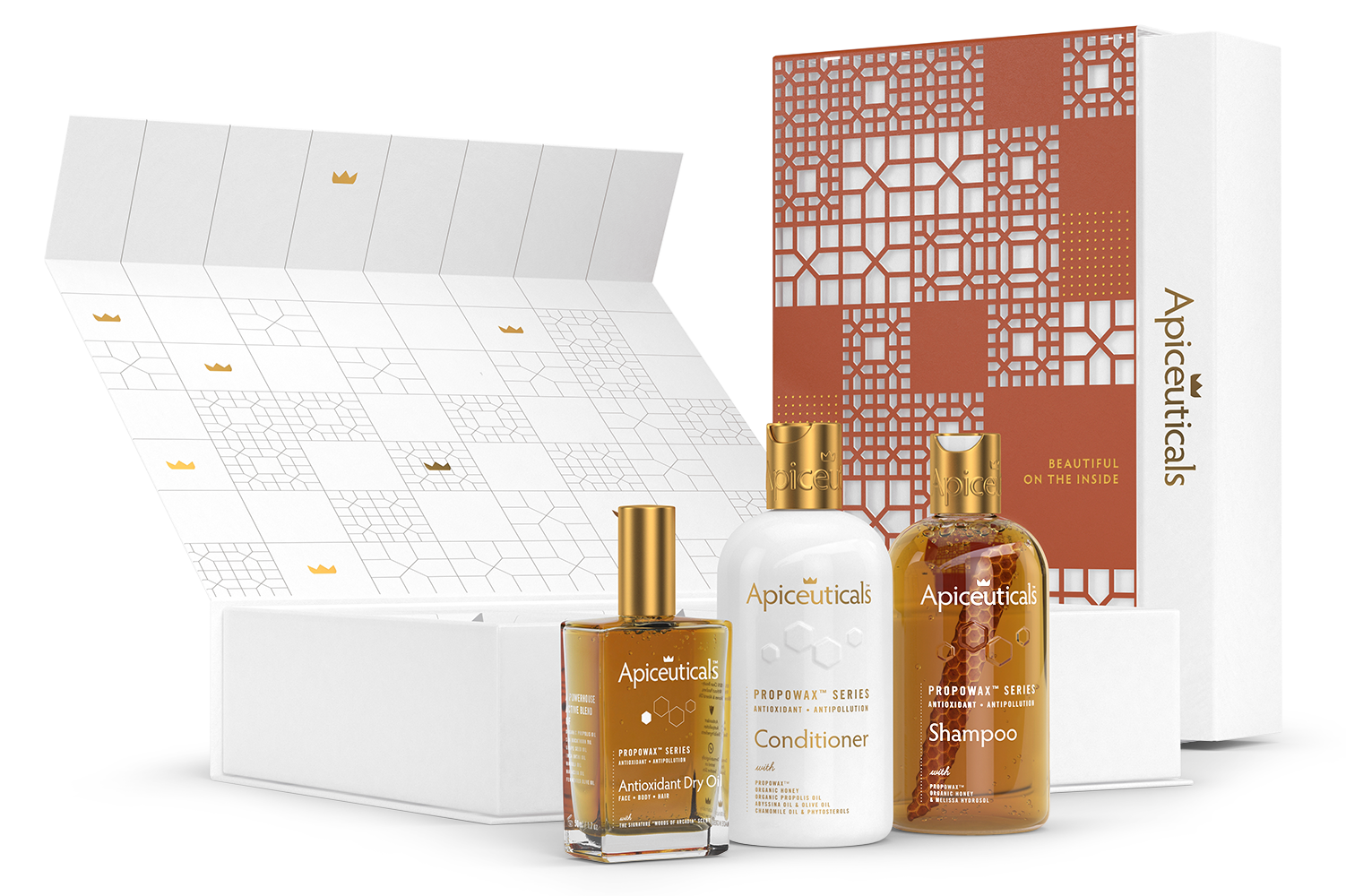
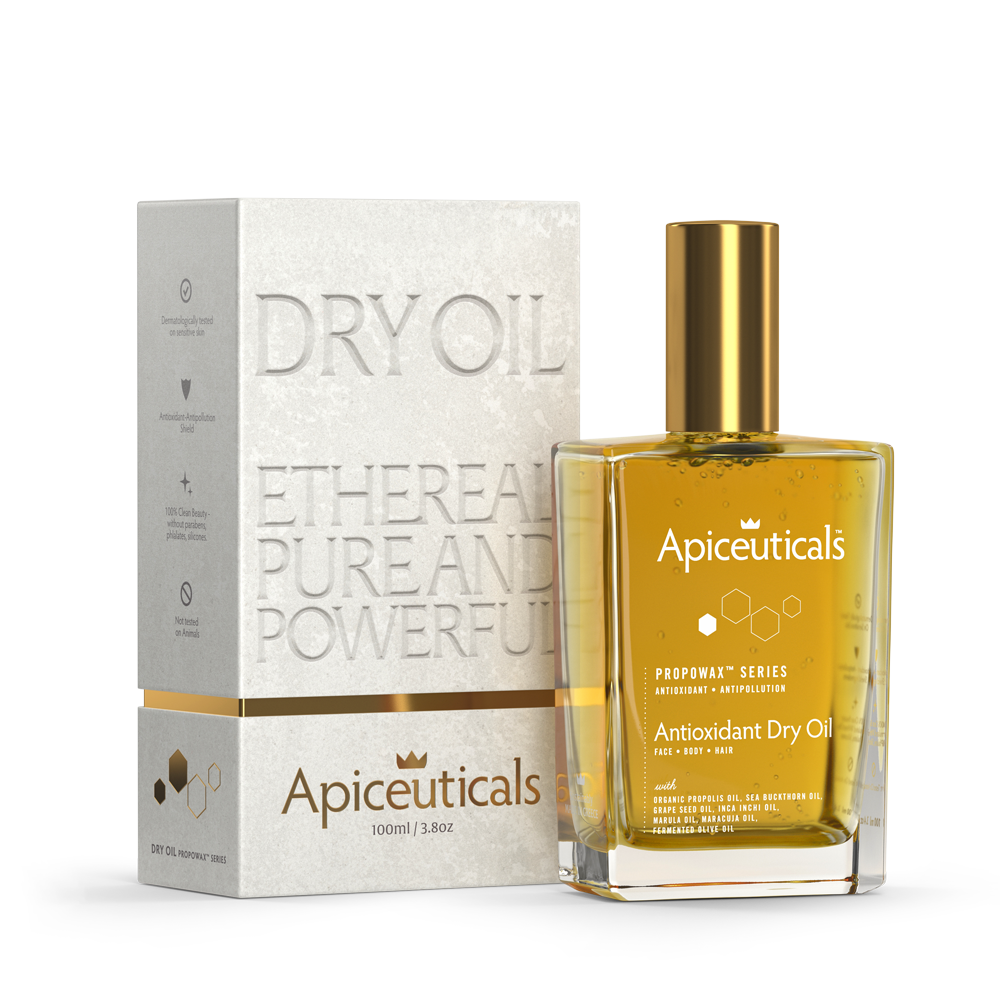
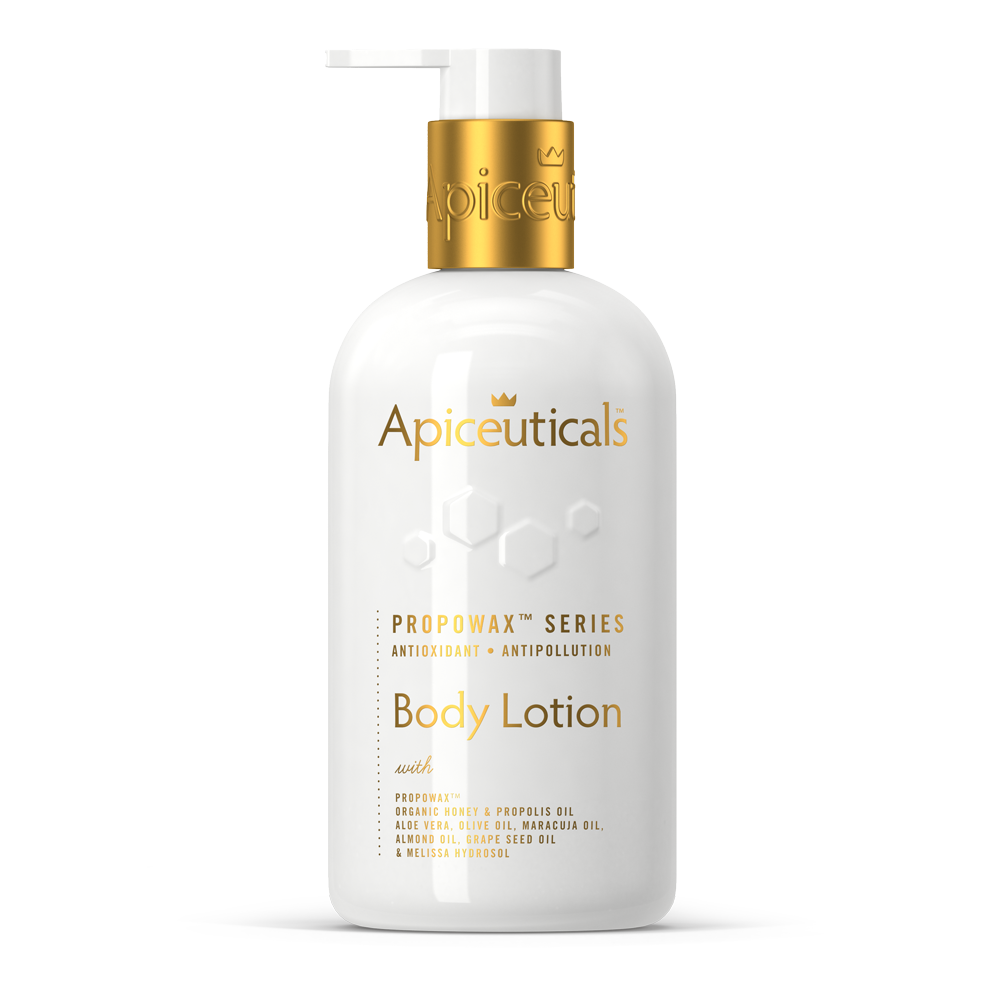
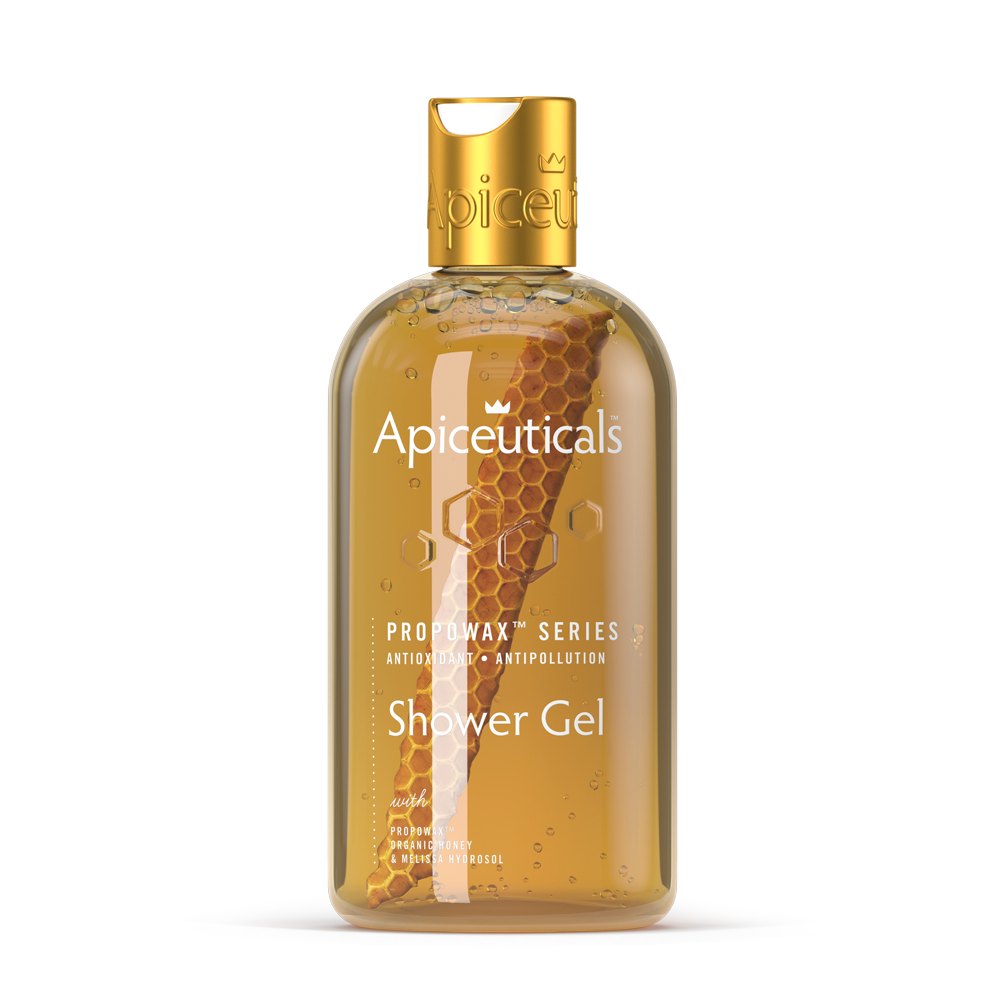
This isn’t a claim that PROPOWAX™ resolves every formulation question raised in the clinical literature on polyphenols for skin; the broader field still needs longer trials and more standardized comparisons across delivery platforms. It is a documented example of a continuous-release approach designed specifically to address the oxidative instability and penetration limits described throughout this piece. Readers who want the technical detail behind the patent and the university validation can review the full PROPOWAX™ technology overview, and those ready to see how the approach translates into finished formulations can browse the current product range to compare antioxidant delivery across hair, scalp, and body care.
Sources
The claims in this article draw primarily on peer-reviewed systematic reviews and formulation-focused research, summarized here for readers who want to go deeper:
- Polyphenols as novel treatment options for dermatological diseases: a systematic review of clinical trials
- Effects of Natural Polyphenols on Skin and Hair Health: A Review
- Polyphenols as active ingredients for cosmetic products
This article is general information, not a substitute for advice from a qualified doctor. Consult a qualified healthcare professional about your own circumstances before acting on anything here.
FAQ
Are polyphenols good for the skin?
Yes, with conditions: human trials show the strongest support for photoprotective and anti-inflammatory benefits, while the systematic review of clinical trials found evidence for other uses, like acne and alopecia, limited by small studies and inconsistent formulations.
What are the most powerful polyphenols for skin?
EGCG from green tea has the strongest human clinical evidence among dermatological polyphenols, while resveratrol, oleuropein, and quercetin show strong mechanistic and preclinical support with more limited human trial data.
What are the negative side effects of polyphenols?
The main risks are topical irritation or contact allergy in sensitive skin, potential drug interactions through cytochrome P450 enzyme effects at high oral doses, and limited long-term safety data on concentrated supplements, as noted in research on natural polyphenols and skin health.
What is the most powerful antioxidant for skin?
There is no single strongest antioxidant; vitamin C, vitamin E, and polyphenols each work through different mechanisms, and continuous-release delivery platforms like Apiceuticals’ PROPOWAX™ Living Honeycomb aim to keep antioxidant compounds active on skin longer, regardless of which molecule is used.
Should I use polyphenols topically or take them as a supplement?
Both routes have supporting evidence, and combining a stable topical formulation with regular dietary intake of polyphenol-rich foods produced additive benefits for hydration and elasticity in short-term trials, according to research on polyphenols in skin disorders.
How long does it take to see results from polyphenol skincare?
Most controlled trials measuring polyphenol effects on skin run for a few weeks to a few months, and visible changes in redness or photoprotection markers typically require consistent use over that timeframe rather than immediate results.
Recommended


Related posts

Explore how a trial lasting 24 weeks and Malassezia research link scalp oxidative stress to shedding, and where PROPOWAX™ fits continuous antioxidant care.

See when silicones smooth hair or build up, and how PROPOWAX™ holds a global patent for highest antioxidant activity, validated by Aristotle University.

Explore mountain honey benefits for skin and body, from floral polyphenols and antioxidant activity to evidence on cough relief, wound care, and safe use.

Propolis delivers stronger antioxidant and antimicrobial action. Royal jelly boosts hydration and repair. Learn which suits your skin or scalp and why...

Pick sulfate-free or sulfate shampoo by your scalp, porosity, and color needs. Read evidence-backed guidance, antioxidant options, and a 4-step switch...