No products in the cart.
Return To Shop
3 Step Pregnancy Safe Skincare: Evidence Led Ingredient Checklist
The simplest version of pregnancy safe skincare is a three step routine: a gentle cleanser, a moisturizer suited to your skin type, and a broad spectrum mineral sunscreen with SPF 30 or higher, worn daily. The ingredients to pause are topical retinoids, oral vitamin A supplements beyond standard prenatal doses, and high concentration salicylic acid or other prescription actives, unless your clinician has specifically cleared them. Everything else in this guide builds on that foundation.
TL;DR:
- Most pregnant individuals can continue using products with azelaic acid, benzoyl peroxide, and low-concentration salicylic acid, with clinical guidance on stronger formulations.
- Topical retinoids pose a cautious controversy; while evidence does not show significant harm, most clinicians recommend avoiding them unless cleared by a healthcare provider.
- Oral vitamin A supplements beyond prenatal doses and high-strength salicylic acid should be avoided due to teratogenic risks, especially systemic medications like isotretinoin.
- Reading INCI labels carefully for retinoids, parabens, phthalates, and fragrance is essential, favoring mineral sunscreens and avoiding unverified terms like “natural” or “organic.”
- Simplify skincare routines to a gentle cleanser, suitable moisturizer, and mineral SPF 30 or higher, consulting medical professionals before introducing new actives or prescription products.
Table of Contents
- Quick checklist: daily essentials, immediate swaps, and red flags
- Ingredient-by-ingredient guide: avoid, use with caution, safe alternatives
- How to read INCI ingredient lists and interpret marketing claims
- Practical daily routines for face and body during pregnancy
- Safe options for pregnancy acne and melasma management
- Sunscreen selection and use during pregnancy
- Safe hair, scalp and nail care while pregnant
- Apiceuticals’ research and antioxidant approach in pregnancy safe skincare
- Practical reassurance and clinician collaboration
- Where Apiceuticals fits into a simplified pregnancy routine
- Sources
- FAQ
Quick checklist: daily essentials, immediate swaps, and red flags
Most people do not need to overhaul their entire cabinet once they see a positive test. They need a short audit: what to keep using, what to set aside, and what to watch for on a label.
- Morning: cleanse, apply an antioxidant serum if you already use one, moisturize, finish with mineral SPF 30 or higher.
- Evening: cleanse again if needed, moisturize, and hold off on retinoids, strong peels, or high dose acids.
- Immediate swaps: replace retinol with niacinamide or azelaic acid, both considered reasonable alternatives for texture and tone; bakuchiol is sometimes proposed as a retinol substitute, though it should still be introduced cautiously and discussed with a clinician.
- Red flags on a label: tretinoin, adapalene, tazarotene, salicylic acid above 2%, and anything tied to oral isotretinoin therapy.
None of this requires discarding a cabinet full of products. It requires reading labels with a slightly more critical eye for a defined stretch of months, then returning to a fuller routine afterward.
Ingredient-by-ingredient guide: avoid, use with caution, safe alternatives
Retinoids sit at the center of most pregnancy skincare conversations, and the evidence is more nuanced than the blanket warnings suggest. A systematic review and meta-analysis published in Frontiers found no significant association between first trimester topical retinoid exposure and major congenital malformations or spontaneous abortion. Even so, the same researchers stopped short of recommending intentional use, citing insufficient evidence to overturn standard caution. That is a meaningful distinction: absence of proven harm is not the same as a green light, and professional bodies tend to favor the conservative reading when the stakes involve fetal development.
A pooled analysis found no clear evidence of increased risk with first trimester topical retinoid exposure and major malformations, yet the same review still advises precautionary avoidance. That gap between statistical reassurance and clinical guidance is exactly why most dermatologists counsel pausing retinoids rather than debating the odds.
MotherToBaby’s fact sheet on topical tretinoin reflects this same logic. It notes that systemic absorption through skin is low and that case reports of harm are limited, but it still advises avoidance as the more cautious path, recommending individualized counseling rather than a flat prohibition. Oral retinoids are a separate and more serious matter: isotretinoin carries a well established teratogenic profile and has no place in a pregnancy routine under any circumstance.
Vitamin A deserves its own mention, since topical retinol and dietary vitamin A are often confused. MotherToBaby’s vitamin A guidance explains that high supplemental doses of preformed vitamin A, the retinol form found in some supplements and certain animal products, can be teratogenic, which is why prenatal vitamins are formulated within recommended daily allowance and upper limit thresholds. This is about megadosing supplements, not about eating a normal diet or using a moisturizer with trace retinyl palmitate, though erring toward lower exposure remains the sensible default.
Acne actives fare better under scrutiny. ACOG’s guidance on skin conditions during pregnancy lists benzoyl peroxide, azelaic acid, topical salicylic acid, and glycolic acid among over the counter ingredients that can generally be used, while still recommending a conversation about concentration and formulation with your clinician. In practice, that means:
- Benzoyl peroxide in standard over the counter strengths is generally acceptable.
- Azelaic acid is well tolerated and doubles as a pigmentation treatment.
- Salicylic acid is fine at low leave on concentrations, but formulations above 2%, and especially professional strength peels, warrant more caution.
- Glycolic and other alpha hydroxy acids are typically fine at the gentle concentrations found in daily exfoliants.
Systemic medications are a separate category entirely. Oral isotretinoin, tetracycline class antibiotics, and spironolactone are generally avoided in pregnancy, and any acne treatment plan involving these should be coordinated directly with an obstetric provider, not adjusted independently.
Preservatives and fragrance ingredients round out the label concerns. The FDA’s overview of parabens in cosmetics outlines ongoing regulatory attention to parabens and phthalates, both of which appear under a range of technical names rather than plain English. Essential oils are not inherently dangerous, but concentrated or undiluted use deserves the same cautious, one at a time approach as any other active ingredient.
How to read INCI ingredient lists and interpret marketing claims
A bottle’s front label is marketing copy. The ingredient list on the back, written in International Nomenclature of Cosmetic Ingredients format, is the actual data. Learning to scan it takes a few repetitions, then becomes automatic.
- Scan for retinoid names first: look for retinol, retinyl palmitate, retinaldehyde, tretinoin, adapalene, and tazarotene, which can appear under slightly different listings depending on the formulation.
- Check preservative names: parabens typically appear as methylparaben, propylparaben, or butylparaben, while phthalates may hide inside a broader “fragrance” or “parfum” listing rather than being spelled out individually.
- Treat “fragrance” as a question mark: it is a catch all term that can legally bundle dozens of unlisted compounds, so fragrance free formulations reduce this uncertainty more reliably than naturally scented ones.
- Discount front label buzzwords: terms like natural, organic, or clean are not regulated with consistent definitions, so the INCI list, not the packaging language, is what determines what is actually in the jar.
A short guide to choosing safe skincare products walks through this same label literacy in more depth, and it is worth the fifteen minutes it takes to get comfortable with it.
Practical daily routines for face and body during pregnancy
A pregnancy appropriate routine does not need to look different from a sensible routine at any other time. It needs fewer moving parts and a slower pace of introducing anything new.
In the morning, cleanse with a gentle, sulfate free formula, follow with an antioxidant serum such as vitamin C if your skin already tolerates it, moisturize, and finish with mineral sunscreen. In the evening, cleanse again if your skin tends toward oil or makeup buildup, then moisturize. This is a good moment to set aside retinoids and high strength acids rather than trying to work around them.
- Cleanse once or twice daily depending on skin type and oil production.
- Introduce only one new active ingredient at a time, waiting roughly two weeks before adding another.
- Patch test anything new behind the ear for 48 to 72 hours before applying it to the face.
- Reduce the frequency of acid exfoliants to once or twice weekly rather than nightly.
Pro Tip: Keep a simple log of what you introduce and when, so if irritation shows up, you can identify the cause instead of guessing among three new products.
Body care follows the same logic with one caveat worth naming clearly. ACOG notes that no topical product has been proven to prevent stretch marks, though rich moisturizers can genuinely ease the dryness and tightness that stretching skin often brings. Gentle body exfoliation, using a soft brush or a mild scrub rather than an aggressive acid treatment, is a reasonable way to manage rough patches without introducing a stronger active into a routine that is otherwise meant to stay simple.

Safe options for pregnancy acne and melasma management
Hormonal shifts during pregnancy commonly bring on both acne flares and melasma, the patchy facial pigmentation sometimes called the mask of pregnancy, and the management strategies for each differ.
- For acne, azelaic acid and benzoyl peroxide at standard over the counter strengths are generally considered acceptable starting points.
- Topical clindamycin is sometimes prescribed by a clinician for more persistent breakouts and is a reasonable option to discuss rather than self treat around.
- Salicylic acid above 2%, particularly in peel or professional strength form, deserves a conversation with your provider before use.
- For melasma, strict ultraviolet protection is the single most effective preventive measure available, since pigmentation worsens with sun exposure regardless of what else you apply.
- Hydroquinone and other strong depigmenting agents are typically postponed until after delivery unless a dermatologist determines an exception is warranted.
In office treatments follow a similar split. Many chemical peels and laser based pigmentation treatments are commonly postponed, while some gentler options, hydrating facials among them, are sometimes permitted with dermatologist or aesthetician oversight, a distinction an independent guide to facials during pregnancy walks through treatment by treatment.
Sunscreen selection and use during pregnancy
Sun protection does double duty during pregnancy: it is the foundation of any skincare routine and the single best defense against melasma getting worse. The American Academy of Dermatology recommends a broad spectrum, water resistant SPF 30 or higher daily, with a preference for mineral filters like zinc oxide and titanium dioxide, which tend to sit more comfortably on skin that has become more reactive than usual.
- Apply sunscreen as the last step of your morning routine, after moisturizer and before makeup.
- Reapply roughly every two hours when outdoors, or after swimming or heavy sweating.
- Choose a mineral formula first if your skin has become more sensitive or prone to breakouts during pregnancy.
- Pair daily SPF with a wide brimmed hat during peak sun hours for extra melasma protection.
Questions about chemical filters come up often, and the honest answer is that the research is still evolving. Choosing mineral filters when in doubt is a reasonable, low friction way to sidestep the debate entirely.
Safe hair, scalp and nail care while pregnant
Most routine hair and nail care carries on unchanged during pregnancy. The exceptions involve systemic medicated treatments and certain salon procedures, not everyday shampoo and polish.
- Avoid medicated scalp treatments containing strong systemic actives unless your clinician has reviewed them.
- Talk with your stylist before chemical coloring, perming, or other intensive treatments, and favor well ventilated salons regardless.
- At the nail salon, choose a well ventilated space and avoid prolonged exposure to strong solvent fumes; discuss polish ingredients with your technician if you have specific concerns.
- Expect some hair thickening during pregnancy followed by noticeable shedding in the months after delivery, which typically normalizes on its own.
Apiceuticals’ research and antioxidant approach in pregnancy safe skincare
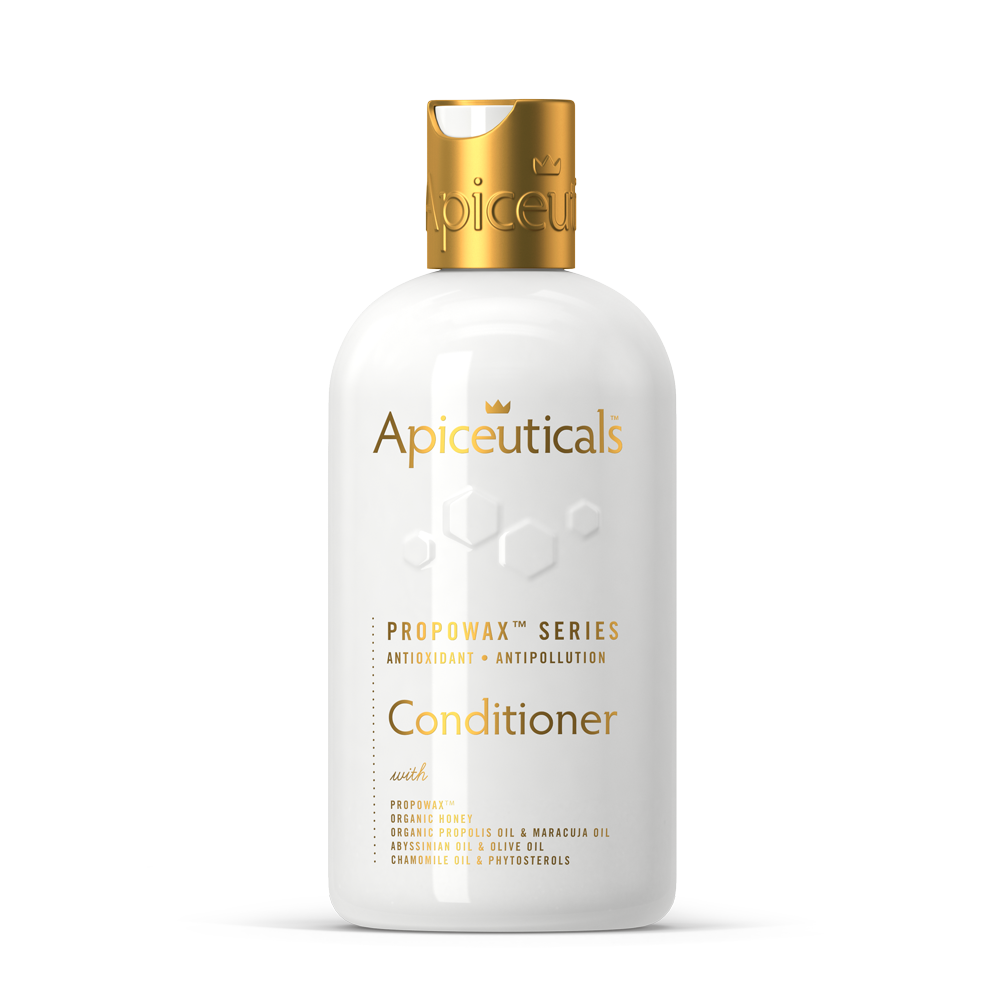
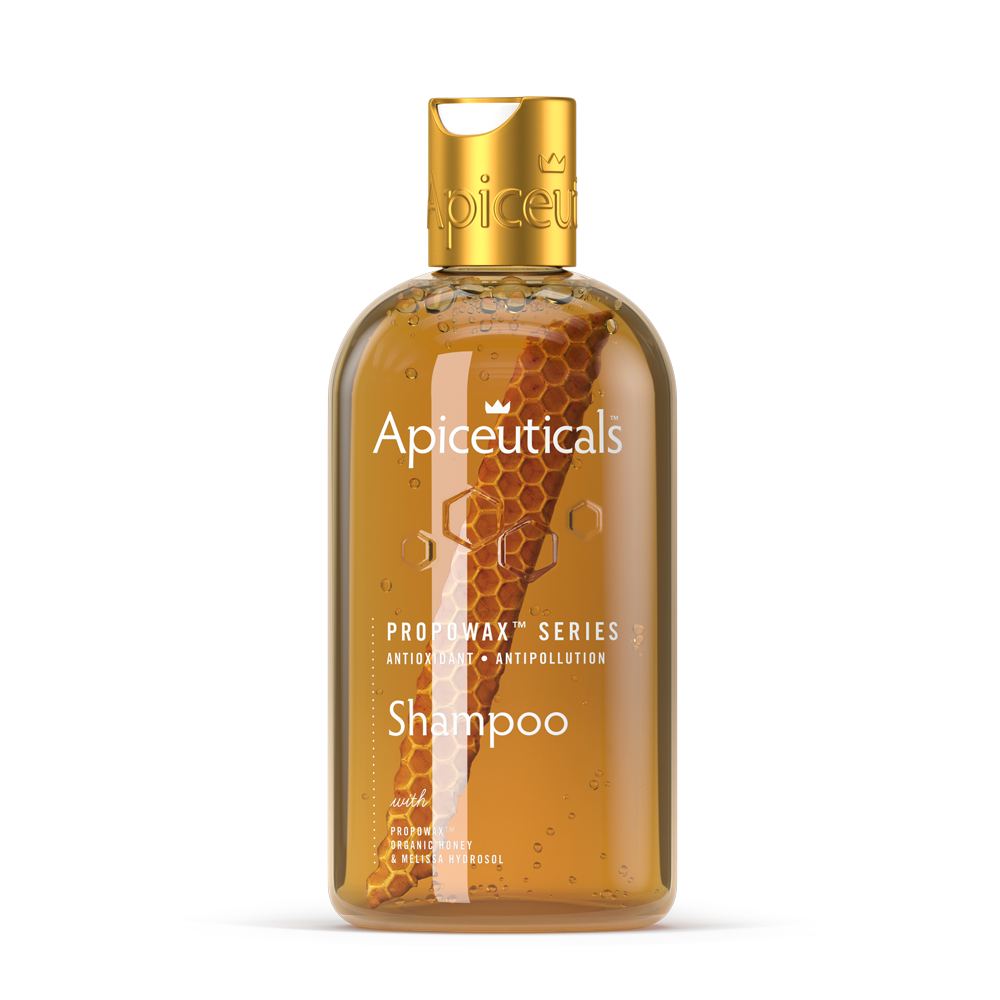
Apiceuticals approaches skincare formulation through PROPOWAX™, a patented Living Honeycomb structure embedded in each product that continuously releases antioxidants onto skin, scalp, and hair rather than delivering a single dose at application. The technology holds a global patent for the highest antioxidant activity recorded in cosmetics, independently validated by the Aristotle University of Thessaloniki, which gives the antioxidant claim a measurable, third party basis rather than a marketing assertion.
For a reader trying to simplify their routine during pregnancy, this kind of clean formulation matters less for any single ingredient and more for what it excludes. Apiceuticals formulates without many of the preservatives and fragrance compounds that require closer label scrutiny under the guidance above.
- PROPOWAX™ delivers antioxidants gradually rather than through a single peak exposure.
- The formulations exclude a long list of potentially harmful ingredients, including the preservative classes worth watching during pregnancy.
- Full technical detail on the mechanism is available on the PROPOWAX™ technology page for readers who want to understand it before choosing a product.
Practical reassurance and clinician collaboration
Pregnancy skincare decisions rarely require drama. The evidence base for most retinoid concerns is more cautious than catastrophic, and the acceptable list of over the counter actives is longer than most people expect. What actually helps is simplification: fewer products, clearer labels, and a direct line to your obstetric provider or dermatologist before adding anything prescription strength. Skin changes during pregnancy, from mild acne to patchy pigmentation, are common and usually temporary. Apiceuticals’ own formulation philosophy, built around PROPOWAX™’s antioxidant delivery, reflects this same instinct toward fewer questionable ingredients rather than more active intervention.
— Apiceuticals
Where Apiceuticals fits into a simplified pregnancy routine

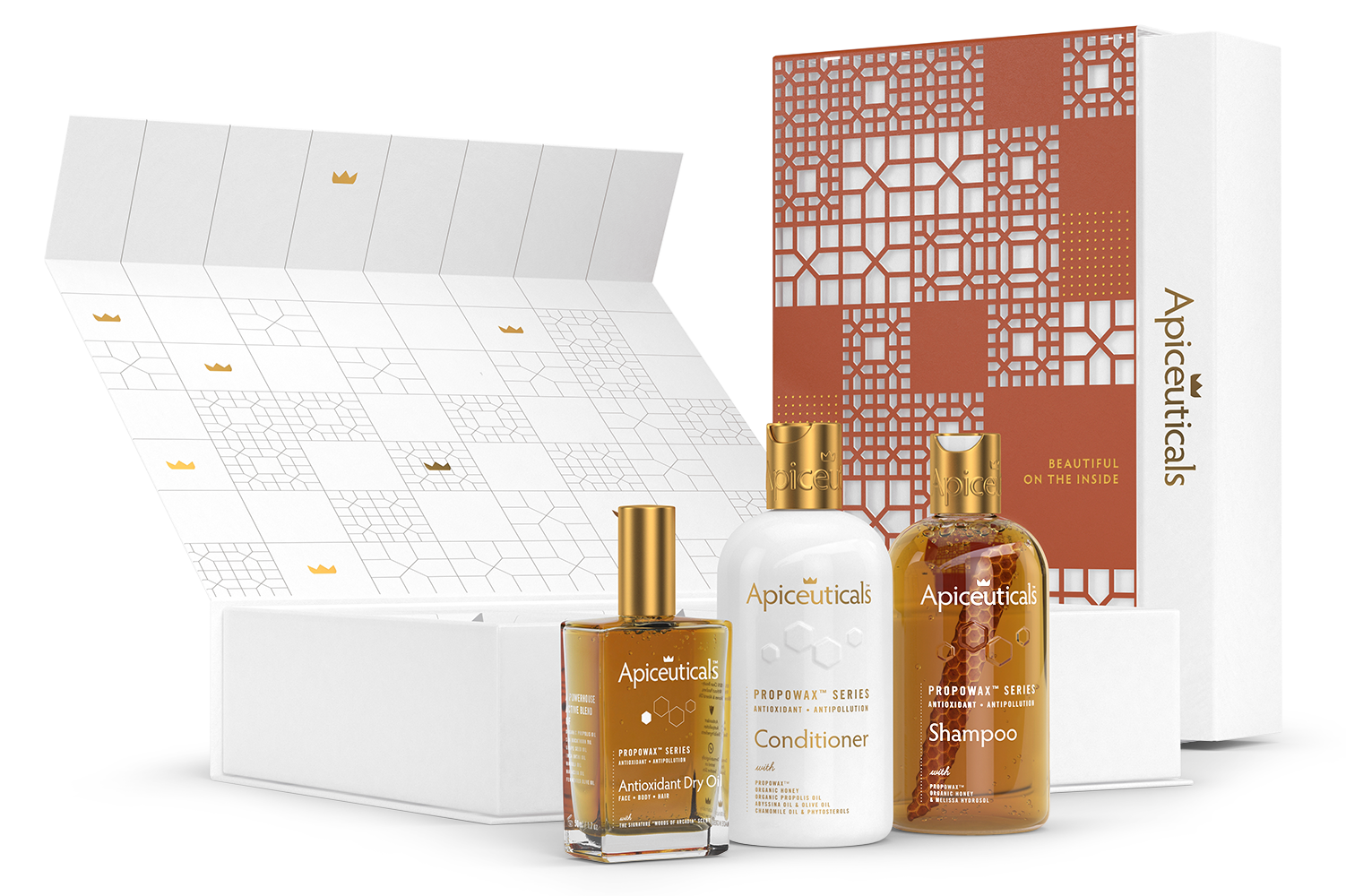
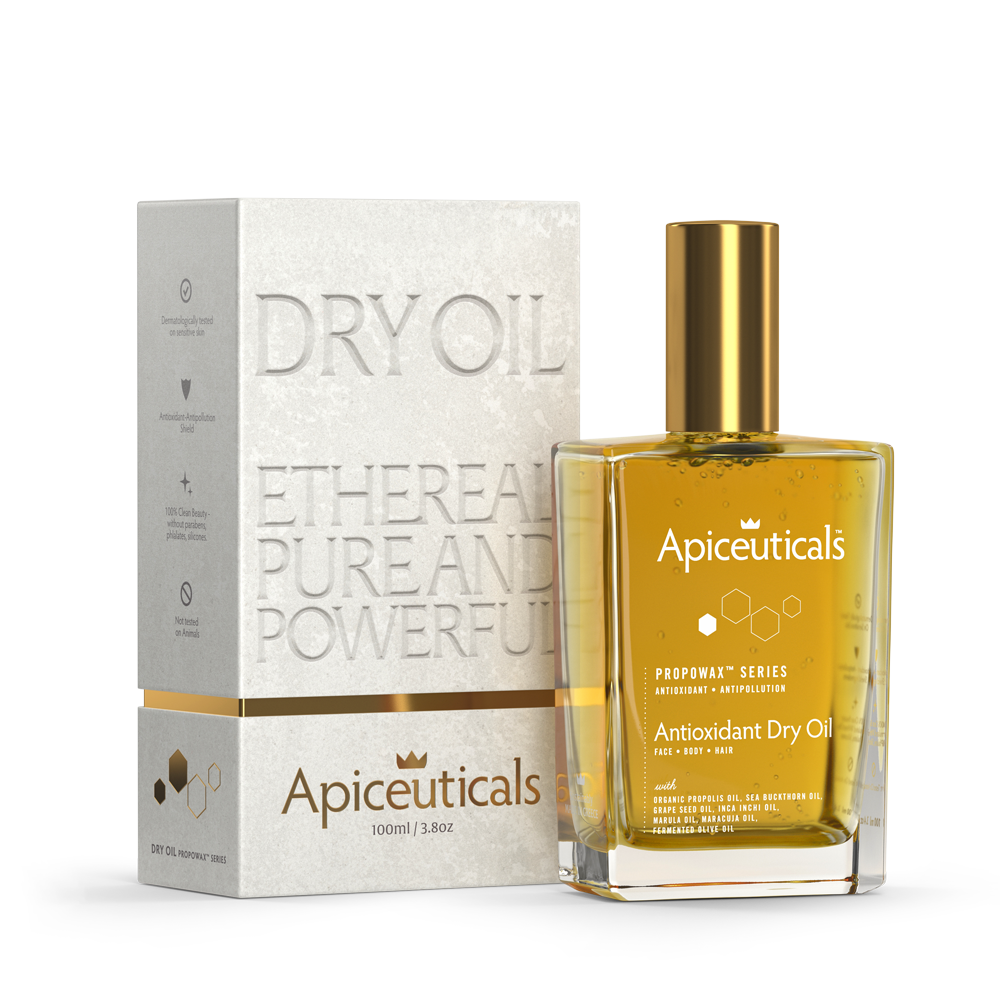
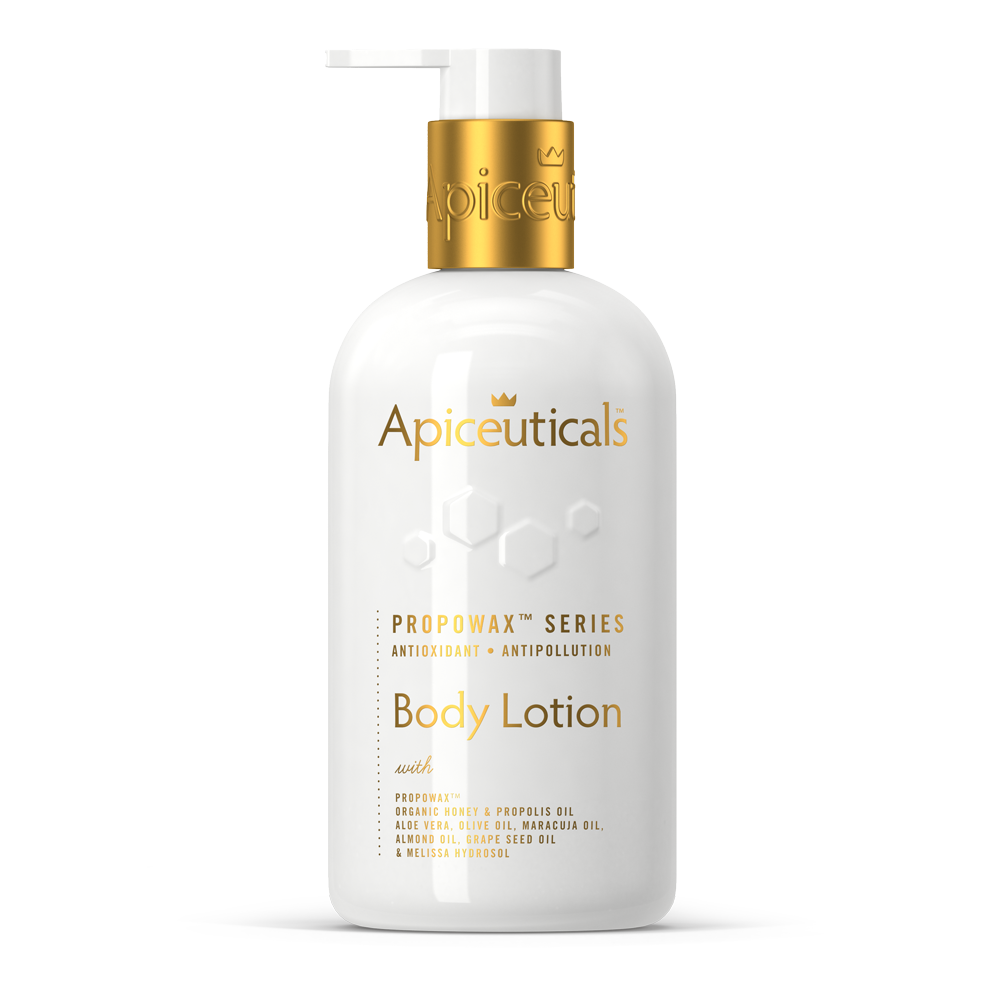
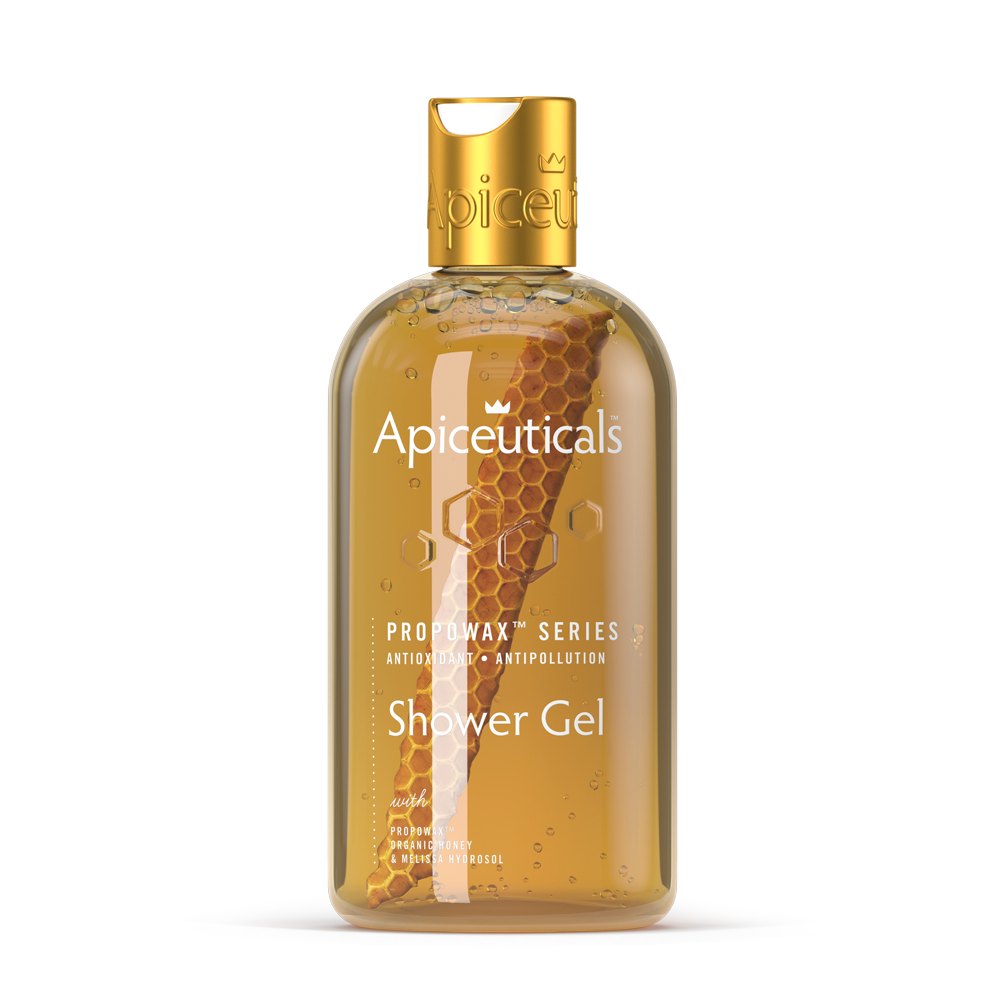
If you are looking to streamline your shelf rather than expand it, the brand organizes its offering around a small number of clearly defined lines. One series applies Living Honeycomb antioxidant delivery to hair and body care, while another series focuses on waterless facial formulas built around a clean ingredient standard. Readers specifically looking for facial options can browse the face care category directly.
- PROPOWAX™ Series: antioxidant haircare and bodycare built on continuous release delivery.
- HONEY BALM™ Series: waterless facial formulas developed under the same clean ingredient exclusions.
- Face care category: a direct starting point for antioxidant forward facial options during pregnancy.
None of this replaces a conversation with your clinician about any prescription need, but it does give you a place to start when auditing what is already on your shelf. Visit the Apiceuticals storefront to see the full range.
This article is general information, not a substitute for advice from a qualified doctor. Consult a qualified healthcare professional about your own circumstances before acting on anything here.
Sources
- Dermatologist-approved pregnancy skin care
- Skin conditions during pregnancy | ACOG
- Topical Tretinoin (MotherToBaby fact sheet)
- Topical retinoids and risk of major congenital malformations and spontaneous abortion: a systematic review and meta-analysis
- Vitamin A fact sheet (MotherToBaby)
FAQ
What skincare ingredients should I avoid during pregnancy?
The main ingredients to avoid are topical retinoids such as tretinoin, adapalene, and tazarotene, along with high dose salicylic acid and any oral isotretinoin therapy. ACOG notes that gentler alternatives like azelaic acid, benzoyl peroxide, and low concentration salicylic acid are generally acceptable instead.
Is retinol safe during pregnancy?
Most clinical guidance advises avoiding topical retinol as a precaution, even though a recent meta-analysis found no significant link between first trimester exposure and major malformations. MotherToBaby recommends avoidance as the more cautious choice while noting the evidence of harm remains limited.
What skincare products are safe to use during pregnancy?
A gentle cleanser, a moisturizer matched to your skin type, and a daily broad spectrum mineral sunscreen of SPF 30 or higher form the safe core. Beyond that, ACOG lists benzoyl peroxide, azelaic acid, and topical salicylic or glycolic acid among acceptable over the counter options at standard strengths.
What brand of skincare is safe for pregnancy?
No single brand is universally certified as pregnancy safe, since safety depends on the specific formulation and ingredient concentrations rather than the brand name. Reading the INCI ingredient list on any product, including Apiceuticals’ antioxidant focused PROPOWAX™ and HONEY BALM™ lines, remains the most reliable way to check a specific item.
How do I know if my current skincare routine is safe during pregnancy?
Check your products against the ingredient list for retinoids, high strength salicylic acid, and any prescription actives, then compare what remains to the simplified three step routine of cleanse, moisturize, and mineral SPF. When in doubt about a specific prescription product or concentration, your obstetric provider or dermatologist can review it directly.
Recommended


Related posts

Explore how a trial lasting 24 weeks and Malassezia research link scalp oxidative stress to shedding, and where PROPOWAX™ fits continuous antioxidant care.

See when silicones smooth hair or build up, and how PROPOWAX™ holds a global patent for highest antioxidant activity, validated by Aristotle University.

Explore mountain honey benefits for skin and body, from floral polyphenols and antioxidant activity to evidence on cough relief, wound care, and safe use.

Propolis delivers stronger antioxidant and antimicrobial action. Royal jelly boosts hydration and repair. Learn which suits your skin or scalp and why...

Pick sulfate-free or sulfate shampoo by your scalp, porosity, and color needs. Read evidence-backed guidance, antioxidant options, and a 4-step switch...