No products in the cart.
Return To Shop
Propolis for Hair: Lab Evidence and Safe Use for Science Minded Shoppers
Propolis shows genuine promise for hair and scalp health, but the strength of that promise depends entirely on which claim you’re evaluating. Peer-reviewed animal studies demonstrate that ethanolic propolis extracts activate the Wnt/β‑catenin signaling pathway, a molecular switch that pushes hair follicles into their active growth phase, while its antioxidant and antimicrobial compounds calm scalp inflammation and microbial buildup. Human clinical evidence remains thin. Propolis belongs in a well-formulated topical routine, not on a pedestal as a proven cure for hair loss.
TL;DR:
- Animal studies show propolis activates hair growth pathways and increases anagen hair follicles, but human trial data remains very limited.
- Formulated conditioners with 3% propolis improve hair thickness and moisture, yet no large-scale human studies confirm actual hair regrowth.
- The effectiveness of propolis varies based on botanical source and extraction method, emphasizing the importance of sourcing transparency.
- People with bee allergies or sensitive scalps should patch test and prefer lower-alcohol formulations to reduce risks of allergic reactions and irritation.
- Propolis is best used as a scalp support ingredient within a routine, rather than a guaranteed solution for hair loss or significant regeneration.
Table of Contents
- The Strongest Studies on Propolis Hair Growth: What They Found
- How Propolis Affects Hair Biology: The Mechanisms Behind the Claims
- What Propolis Can Realistically Do for Hair and Scalp Health
- Propolis Hair Treatment Formulations: What to Look For
- Is Propolis Good for Hair If You Have a Sensitive Scalp? Safety and Side Effects
- How PROPOWAX™ Approaches Antioxidant Delivery for Hair and Scalp
- A Practical Routine for Trying Propolis Hair Care Safely
- Does Propolis Work When Taken Orally, Not Just Applied to the Scalp?
- Propolis vs. Other Hair Growth Remedies: How the Evidence Compares
- Does the Type of Propolis Matter? Geographic and Botanical Differences
- Long-Term Use: Safety Data and Contraindications Worth Knowing
- What Real-World Users Report: Results and Their Limits
- The Editorial Take: Promising Science, Premature Promises
- A Starter Way to Trial Propolis-Based Hair Care
- Sources
- FAQ
The Strongest Studies on Propolis Hair Growth: What They Found
The evidence base for propolis hair benefits rests almost entirely on animal and cell-culture research, and it is more rigorous than most casual “natural remedy” claims. A 2022 study using a 99.5% ethanolic extract of Philippine stingless bee propolis found that topical application in mice significantly activated the Wnt/β‑catenin signaling pathway, increasing expression of Wnt3a, Ctnnb1 (β‑catenin), Lef1, and Bmp2. The treated mice showed a higher count of hair follicles entering anagen, the active growth stage, compared with untreated controls.
That finding does not stand alone. Earlier research on Brazilian propolis produced a parallel result through a slightly different mechanism: ethanol-extracted propolis stimulated proliferation of hair matrix keratinocytes in both live mice and organotypic skin culture, triggering anagen induction without causing follicle abnormalities. Researchers pointed to caffeic acid and kaempferol, two polyphenols concentrated in propolis, as likely contributors to that proliferative effect.
Formulation research adds a third layer. A propolis-treated hair conditioner tested at increasing concentrations found that a 3% propolis formula produced the largest gains in hair thickness, moisture retention, and cuticle surface repair under scanning electron microscopy, outperforming lower-concentration versions of the same product.
Here is where the caveats matter. Every one of those studies used mice, cultured tissue, or lab formulations, not human scalps in a real bathroom. Review literature on propolis and hair repeatedly flags this gap: propolis carries broad antimicrobial and anti-inflammatory activity, but high-quality randomized controlled trials in humans are scarce to nonexistent. Translating a mouse anagen count into “grows human hair” is a leap the current data does not support.
What the research actually confirms so far:
- Wnt/β‑catenin pathway activation and increased anagen follicles in mouse models
- Keratinocyte proliferation in both live tissue and cultured skin
- Measurable improvements in hair thickness and moisture in formulated conditioners
- No large-scale, peer-reviewed human trial confirming hair regrowth from propolis alone
The gap between “activates a growth pathway in mice” and “regrows human hair” is exactly where marketing claims tend to outrun the data. Propolis for hair growth is a preclinical story with real mechanistic weight behind it, not a settled clinical one.
How Propolis Affects Hair Biology: The Mechanisms Behind the Claims
Understanding how does propolis help hair require looking at three separate biological actions, because propolis is not a single compound. It is a resin bees collect from tree buds and sap, then process with their own enzymes, and its exact polyphenol profile shifts depending on the plants nearby.
The most studied mechanism is Wnt/β‑catenin signaling. Hair follicles cycle through growth (anagen), regression (catagen), and rest (telogen), and the Wnt/β‑catenin pathway is one of the primary switches that pushes a resting follicle back into active growth. When researchers measured markers like Lef1 and Ctnnb1 rising after propolis treatment, they were watching that switch get flipped. Ki67, a separate marker used across these studies, tags actively dividing cells. Elevated Ki67 in propolis-treated follicles signals that keratinocytes, the cells that build the hair shaft, were proliferating faster than in untreated tissue.
The second mechanism is antioxidant defense. Propolis contains polyphenols including caffeic acid phenethyl ester (CAPE) and kaempferol, compounds that neutralize free radicals the way a rust inhibitor keeps oxygen from corroding metal. Hair follicles sit in a metabolically demanding environment, and oxidative stress there has been linked to premature follicle aging and shortened growth cycles. Antioxidant compounds theoretically buy follicles more time in the anagen phase by reducing that cellular wear.
The third mechanism is antimicrobial and anti-inflammatory action. Propolis has documented activity against bacteria like Staphylococcus aureus, and a calmer, less inflamed scalp environment is generally more hospitable to healthy follicle cycling than one under constant microbial or inflammatory stress.
Three mechanisms, three different jobs:
- Wnt/β‑catenin activation: pushes dormant follicles into active growth
- Polyphenol antioxidants (CAPE, kaempferol): reduce oxidative stress around the follicle
- Antimicrobial/anti-inflammatory action: improves the scalp’s living conditions
What Propolis Can Realistically Do for Hair and Scalp Health
Ranking propolis hair benefits by confidence level keeps expectations honest, and that ranking matters more than any single study headline.

Hair growth stimulation sits at moderate to strong confidence in animal models and low confidence in humans. The Wnt/β‑catenin and keratinocyte proliferation data are consistent across multiple studies, but no equivalent human trial exists yet. Treat this as a plausible, mechanistically supported effect rather than a guaranteed outcome.
Follicle regeneration and pigmentation show a more dramatic effect, but only in a specific and severe context. In a chemotherapy-induced alopecia mouse model, daily topical propolis for 30 days increased follicular density and epidermal thickness while upregulating melanogenesis genes (Tyr, Tyrp1, Dct) and reducing follicle cell apoptosis. That is a meaningful signal about protective potential under cellular stress, but it describes rescuing damaged follicles in mice, not routine cosmetic use in a healthy human scalp.
Scalp benefits carry solid supporting logic. Reduced bacterial and fungal burden, paired with anti-inflammatory activity, makes propolis a reasonable ingredient for dandruff-prone or irritation-prone scalps, even though the direct human trial data is limited.
Hair shaft quality has the most direct formulation evidence: a 3% propolis conditioner measurably improved moisture, thickness, and cuticle repair compared with controls in controlled testing.
Propolis Hair Treatment Formulations: What to Look For
Most propolis products reach consumers in one of two forms: standalone ethanolic extracts sold as leave-on treatments, or propolis blended into shampoos and conditioners alongside surfactants and emulsifiers. Each format demands different scrutiny.
Formulation guidance from the FAO’s technical documentation on propolis suggests a general working range of roughly 0.5% to 3% extracted-propolis equivalent (calculated against a 50% propolis-ethanol solution) for routine topical applications, with higher concentrations reserved for specialized or targeted formulations.
Solvent choice changes both efficacy and comfort. Ethanolic extracts at 50 to 96% ethanol capture the broadest polyphenol profile, including CAPE and kaempferol, but that much alcohol can dry or irritate a sensitive scalp. Glycol-based or lower-alcohol extraction methods reduce that irritation risk, though they may shift which compounds get pulled from the raw propolis. One formulation study addressing this trade-off found that adding Tween 80 as a surfactant to a propolis shampoo improved antimicrobial performance against Staphylococcus aureus while keeping the product’s pH stable between 6 and 7, a range compatible with scalp skin.
A four-point checklist before buying a propolis hair treatment:
- Check whether the label discloses actual propolis concentration, not just “contains propolis.”
- Identify the vehicle: high-ethanol extracts suit oilier or tolerant scalps; lower-alcohol or buffered formulas suit sensitive ones.
- Scan for added fragrance and alcohol content if you have a history of scalp reactivity.
- Look for dermatological testing claims or third-party validation rather than taking efficacy on faith.
Pro Tip: If a product lists “propolis extract” with no percentage anywhere on the packaging or product page, treat that as a formulation red flag. Reputable formulators disclose concentration because it is the variable that determines whether the product does anything at all.
Is Propolis Good for Hair If You Have a Sensitive Scalp? Safety and Side Effects
Propolis is a bee-derived product, and that matters most for one group of people: those with known bee product allergies. Contact sensitization to propolis is documented and can present as redness, itching, or dermatitis at the application site. Anyone trying a propolis-based product for the first time should patch test a small amount on the inner forearm or behind the ear and wait 48 to 72 hours before applying it to the scalp.

High-ethanol vehicles introduce a second, separate risk: irritation that has nothing to do with propolis allergy and everything to do with alcohol drying out scalp skin. People with eczema, psoriasis, or generally reactive scalps do better with lower-alcohol or buffered propolis formulations rather than raw high-percentage ethanolic tinctures.
Systemic risk from topical use is low, but caution deserves a mention for anyone considering oral propolis supplements alongside immunosuppressant medication, since bee product supplements can interact with immune-modulating drugs. Anyone with a known bee sting or bee product allergy should avoid propolis in any form, topical or oral, without medical guidance.
Stop use and seek medical care if you notice:
- Spreading rash or hives beyond the application area
- Facial or scalp swelling
- Severe itching that worsens rather than resolves
- Blistering or open skin at the application site
How PROPOWAX™ Approaches Antioxidant Delivery for Hair and Scalp
Crude propolis extract and a formulated antioxidant delivery system are not the same product, even when both list propolis as an ingredient. Apiceuticals built its PROPOWAX™ technology around a patented Living Honeycomb structure that releases antioxidants continuously onto skin, scalp, and hair rather than delivering a single concentrated dose that fades within hours. That distinction matters for anyone weighing propolis hair benefits against formulation reality: sustained release changes how long active compounds stay in contact with the follicle environment.
The technology holds a global patent for the highest antioxidant activity recorded in cosmetics, independently validated by the Aristotle University of Thessaloniki.
What that means in practical terms for scalp tolerance and product performance:
- Continuous antioxidant release instead of a single burst that diminishes quickly
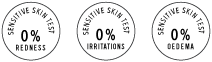
- Sensitive-skin testing results relevant to anyone worried about scalp irritation
- A formulation built without the harsh solvents that raise irritation risk in raw extracts
Readers who want the ingredient-level detail can review how propolis functions within Apiceuticals formulations, and how it compares to other antioxidants commonly paired with it in the top antioxidants for hair.
A Practical Routine for Trying Propolis Hair Care Safely
A structured trial beats random application, and it protects you from misreading normal shedding fluctuation as a product failure.
- Patch test first. Apply a small amount behind the ear or on the inner forearm and wait 48 to 72 hours before scalp use.
- Commit to 6 to 12 weeks of consistent use, two to three times weekly, since hair follicle cycles move slowly and shorter trials rarely reveal real change.
- Track three signs weekly: shedding volume during washing, scalp flaking or itchiness, and how the hair shaft feels between washes.
- Pair the treatment with a gentle antioxidant shampoo and conditioner rather than harsh sulfate cleansers that can undercut any benefit the propolis provides.
- See a dermatologist if shedding increases, irritation appears, or you notice zero change after the full trial window.
Pro Tip: Photograph your part line under the same lighting every two weeks. Memory is a poor measurement tool for gradual change, and a photo record catches small improvements or declines that you’d otherwise miss.
Does Propolis Work When Taken Orally, Not Just Applied to the Scalp?
Oral propolis supplementation is a genuinely different question from topical propolis for hair, and the two shouldn’t be conflated. Ingested propolis is absorbed systemically and metabolized through the liver, which means any effect on hair reaches the follicle indirectly, through circulating antioxidant and anti-inflammatory activity rather than direct contact with scalp skin.
The theoretical case rests on propolis’s broad antioxidant load reducing systemic oxidative stress, a factor implicated in follicle aging generally. Chronic inflammation and oxidative burden throughout the body can influence hair cycling beyond just the scalp’s local environment, so a reduction in systemic inflammatory markers could plausibly support healthier hair growth cycles over time.
That said, no dedicated human trial in the current research isolates oral propolis as a driver of hair growth or hair quality improvement. The mouse and cell-culture studies documenting Wnt/β‑catenin activation and keratinocyte proliferation all involved topical application directly to skin or follicle tissue, not ingestion. Extending those findings to a swallowed supplement requires assumptions the data doesn’t yet support.
For now, oral propolis is reasonable to consider as part of a general antioxidant-supportive diet, similar to how you’d think about polyphenol-rich foods generally, rather than as a targeted hair-growth strategy. Anyone considering propolis supplements should also factor in the same allergy caution that applies topically. Bee product sensitivity doesn’t disappear because the exposure route changed.
Propolis vs. Other Hair Growth Remedies: How the Evidence Compares
Placed next to other natural hair growth treatments, propolis occupies a specific niche: mechanistically well-documented in animal models, but without the decades of accumulated human trial data that some alternatives carry.
Minoxidil, the topical treatment with the largest clinical evidence base for hair regrowth, has gone through extensive randomized controlled trials in humans over several decades. Propolis has nothing comparable at the human clinical level yet; its evidence lives almost entirely in mice and cultured tissue. That doesn’t make propolis ineffective, but it does mean the two aren’t on equal evidentiary footing when compared directly.
Against other popular natural remedies for hair, propolis actually compares favorably on mechanistic specificity. Many trending “natural hair growth” ingredients circulating in wellness media carry little more than anecdotal support or a single small study. Propolis, by contrast, has multiple independent research groups converging on the same biological pathway (Wnt/β‑catenin) using different propolis sources and extraction methods, which is a stronger form of consistency than most botanical remedies can claim.
Where propolis clearly holds its own ground is scalp health rather than pure growth stimulation. Its documented antimicrobial and anti-inflammatory activity gives it a defensible role for dandruff, minor irritation, and general scalp environment support, an area where many growth-focused treatments offer no benefit at all. The realistic positioning is complementary: propolis for hair growth support and scalp maintenance, used alongside, not instead of, treatments that carry stronger human clinical backing when hair loss is significant or diagnosed.
Does the Type of Propolis Matter? Geographic and Botanical Differences
Not all propolis behaves the same way, and this is one of the most underappreciated variables in the propolis hair benefits conversation. Propolis composition depends directly on which plants bees have access to near the hive, which means a batch from a Mediterranean forest and a batch from a tropical Philippine mangrove can carry meaningfully different polyphenol profiles.
The studies referenced throughout this article illustrate the point directly. The Philippine stingless bee propolis study used propolis from a stingless bee species (Tetragonula or related genera) native to Southeast Asia, chemically distinct from the Brazilian propolis used in the keratinocyte proliferation research, which came from a different bee species and regional flora entirely. Research groups have documented this variance repeatedly: stingless bee propolis and honeybee (Apis mellifera) propolis differ in resin source, flavonoid concentration, and specific active compounds like CAPE and kaempferol, even when both show activity in hair-related assays.
This is precisely why “propolis” as a single ingredient name understates how much variability sits underneath it. A product labeled simply “propolis extract” gives you almost no information about which polyphenols are present or at what concentration. It’s the formulation and sourcing consistency, not the word “propolis” on a label, that determines whether a product can plausibly deliver the effects seen in published research. Brands that standardize sourcing and disclose extraction methods give you a far better basis for expecting consistent results than a generic extract of unknown origin.
Long-Term Use: Safety Data and Contraindications Worth Knowing
Long-term human safety data on propolis applied to the scalp is limited, which is a different problem from evidence of harm. Most of the available research covers weeks-long application windows in animal models or shorter formulation stability tests, not years of continuous human scalp use. That gap means long-term safety claims for propolis hair products rest more on propolis’s long history of topical and oral use in other contexts (wound care, oral health products) than on scalp-specific longitudinal studies.
The primary known contraindication remains allergy. Bee product sensitization doesn’t necessarily appear on first exposure. It can develop after repeated contact, so someone who tolerates propolis for months could still develop a delayed reaction. This is one reason periodic reassessment, not just an initial patch test, makes sense for long-term users, particularly if you notice new sensitivity to other bee products like honey or beeswax.
Pregnant or breastfeeding individuals, and anyone on immunosuppressant medication, should treat oral propolis with more caution than topical use, given the systemic exposure involved, and discuss it with a healthcare provider first. Topical use on intact, healthy scalp skin carries a comparatively low systemic risk profile, but that assumes the formulation itself is well-tolerated and free of harsh solvents.
No research indicates that propolis causes cumulative toxicity or progressive scalp damage with prolonged appropriate use. The honest summary is that absence of documented long-term harm is not the same as documented long-term safety, and formulation quality, patch testing, and attentiveness to new symptoms matter more the longer you use any bee-derived product.
What Real-World Users Report: Results and Their Limits
Consumer experience with propolis hair products, gathered from formulation trials and general usage patterns rather than controlled clinical settings, tends to cluster around scalp comfort and hair texture rather than dramatic regrowth. That pattern lines up closely with what the mechanistic research actually supports: antimicrobial and moisture benefits have more direct evidence than growth-stimulation claims in humans.
People using propolis-containing shampoos and conditioners most commonly report reduced flaking, a calmer scalp after itching or mild irritation, and hair that feels less dry or brittle between washes, outcomes consistent with the antioxidant and antimicrobial mechanisms described earlier and with the formulation study showing improved moisture and cuticle coverage at 3% propolis concentration. Reports of significant new hair growth are far less common and far less consistent, which tracks with the absence of human clinical trial data on that specific outcome.
The realistic limitation worth naming directly: no verified, published case series exists documenting propolis reversing significant hair loss in humans. Anecdotal claims connecting propolis to celebrity hair regrowth stories circulate online, but none trace back to a verifiable clinical source, and repeating them as fact would overstate what the evidence shows. The honest takeaway is that propolis performs most reliably as a scalp-conditioning and hair-quality ingredient, with growth stimulation remaining a promising but scientifically unproven claim in humans.
The Editorial Take: Promising Science, Premature Promises
The propolis story is a preclinical success wearing a clinical costume. The Wnt/β‑catenin data is real and repeatable across labs, which is more than most trending hair ingredients can claim, yet mouse follicles are not a stand-in for human ones. The honest move is using propolis inside a properly formulated topical product with a tolerable carrier, patch testing first, and judging results over months, not days. Apiceuticals approaches this category the same way: as chemistry, not folklore.
— Apiceuticals
A Starter Way to Trial Propolis-Based Hair Care
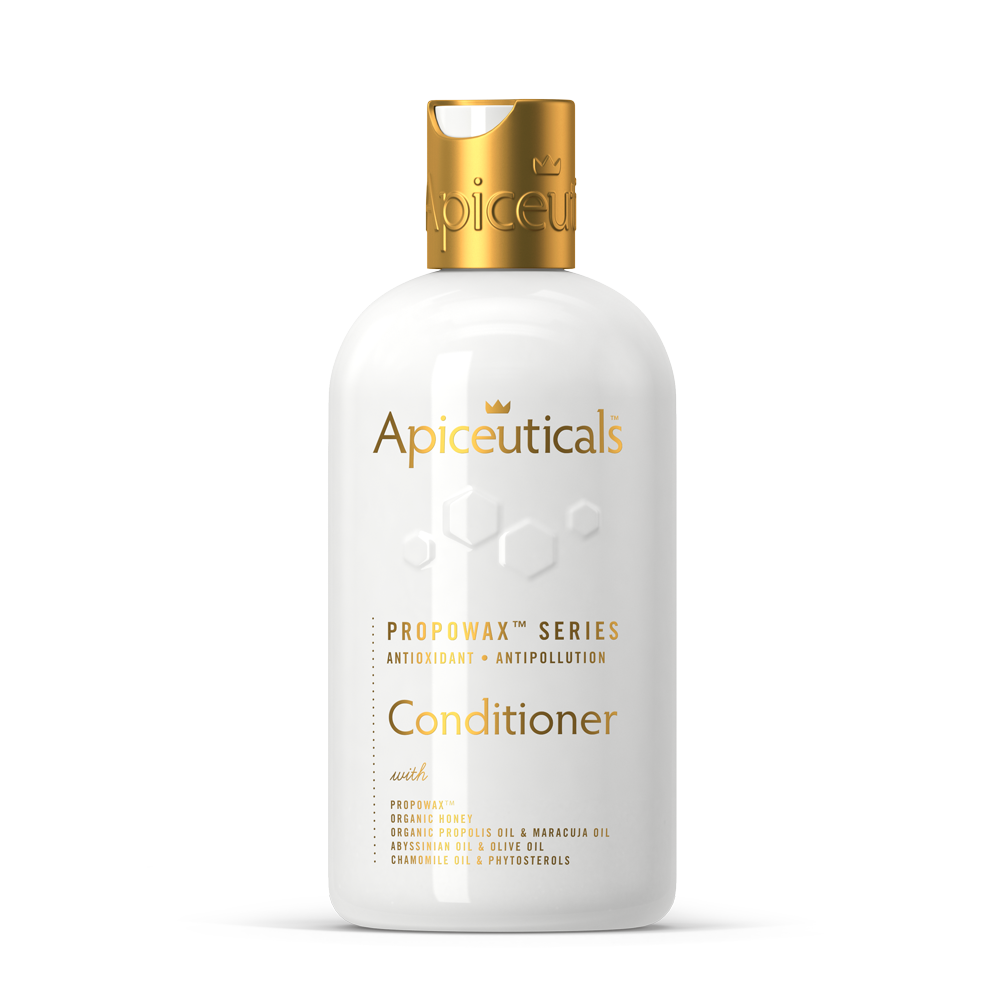
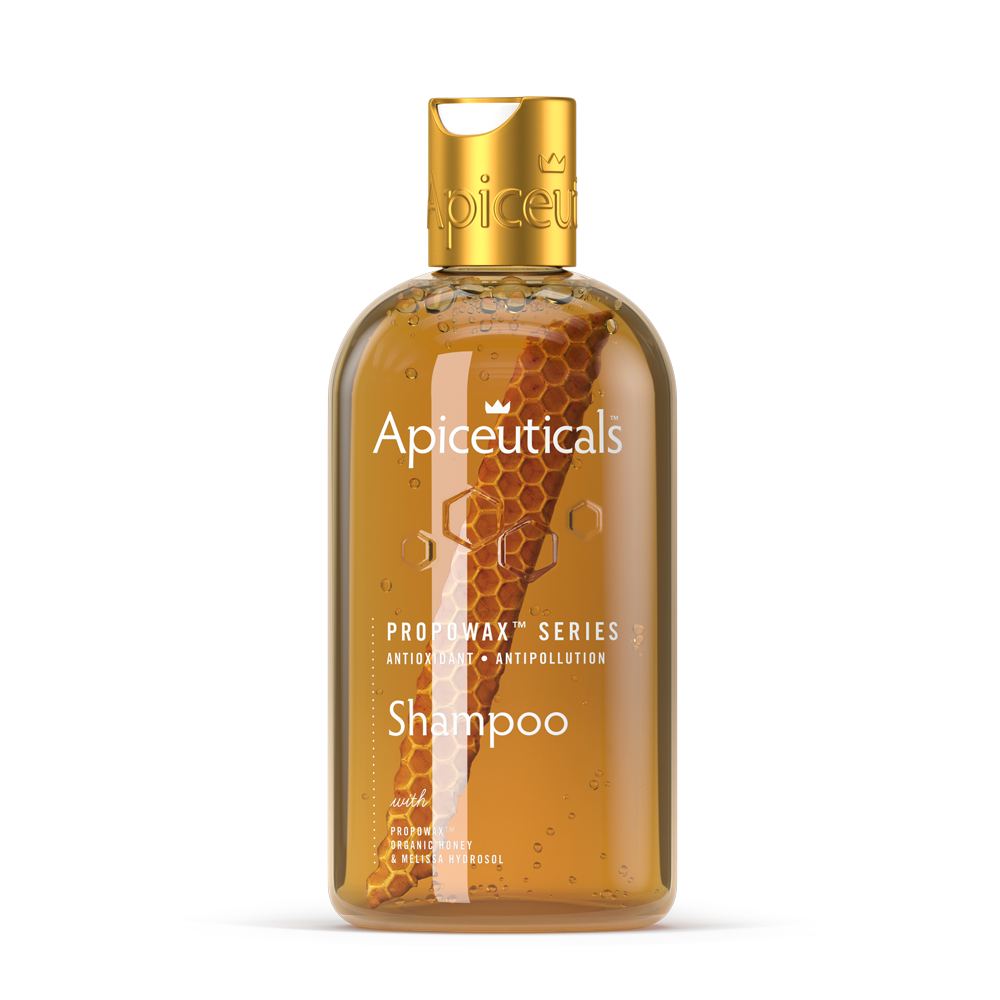
If the science outlined here has you curious rather than convinced, the sensible next move is a small, careful trial rather than a full routine overhaul. Apiceuticals builds its PROPOWAX™ Series around the same Living Honeycomb antioxidant delivery system referenced throughout this article, the one holding a global patent for, the highest antioxidant activity recorded in cosmetics, and independently validated by the Aristotle University of Thessaloniki.

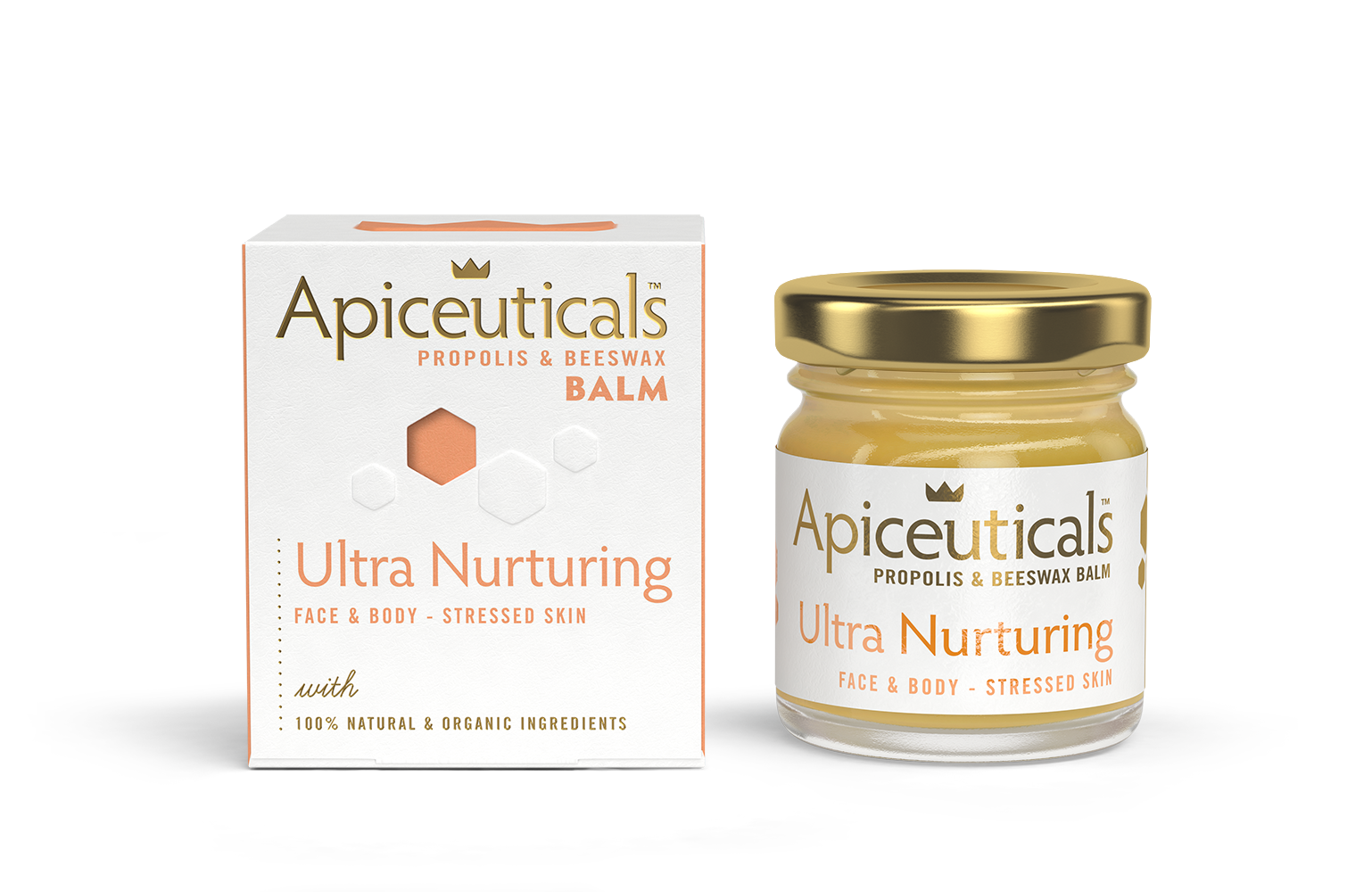
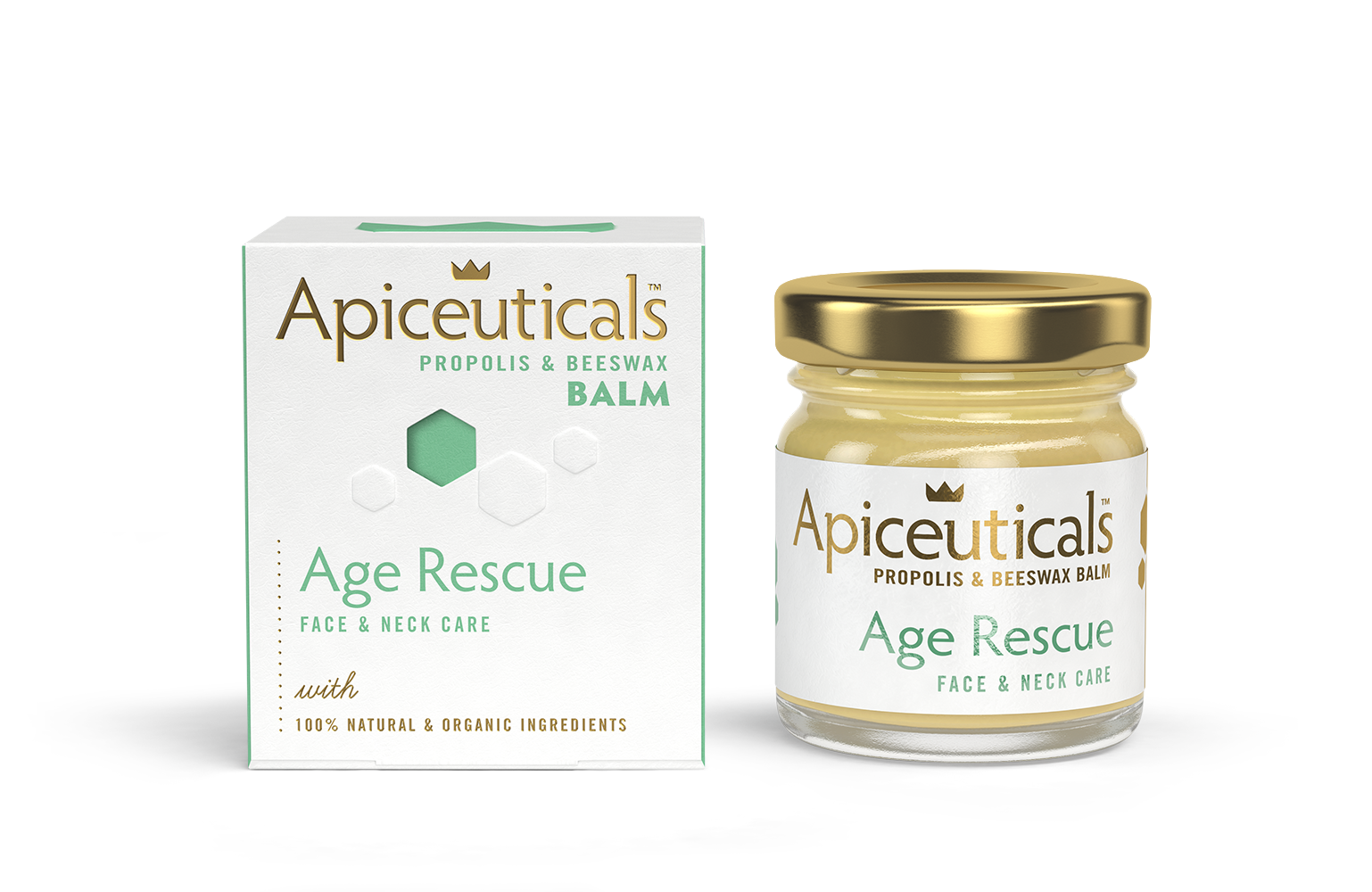
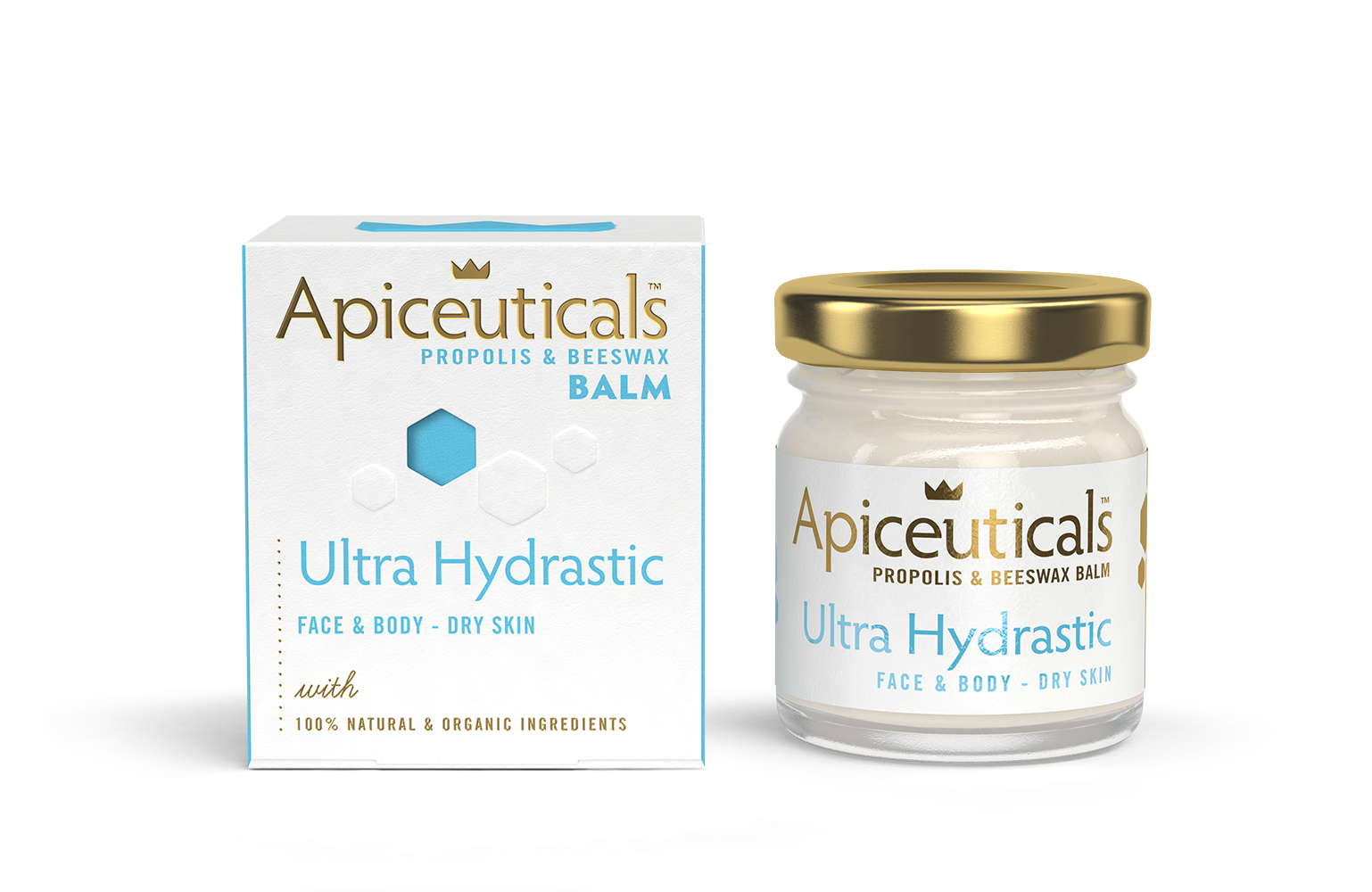
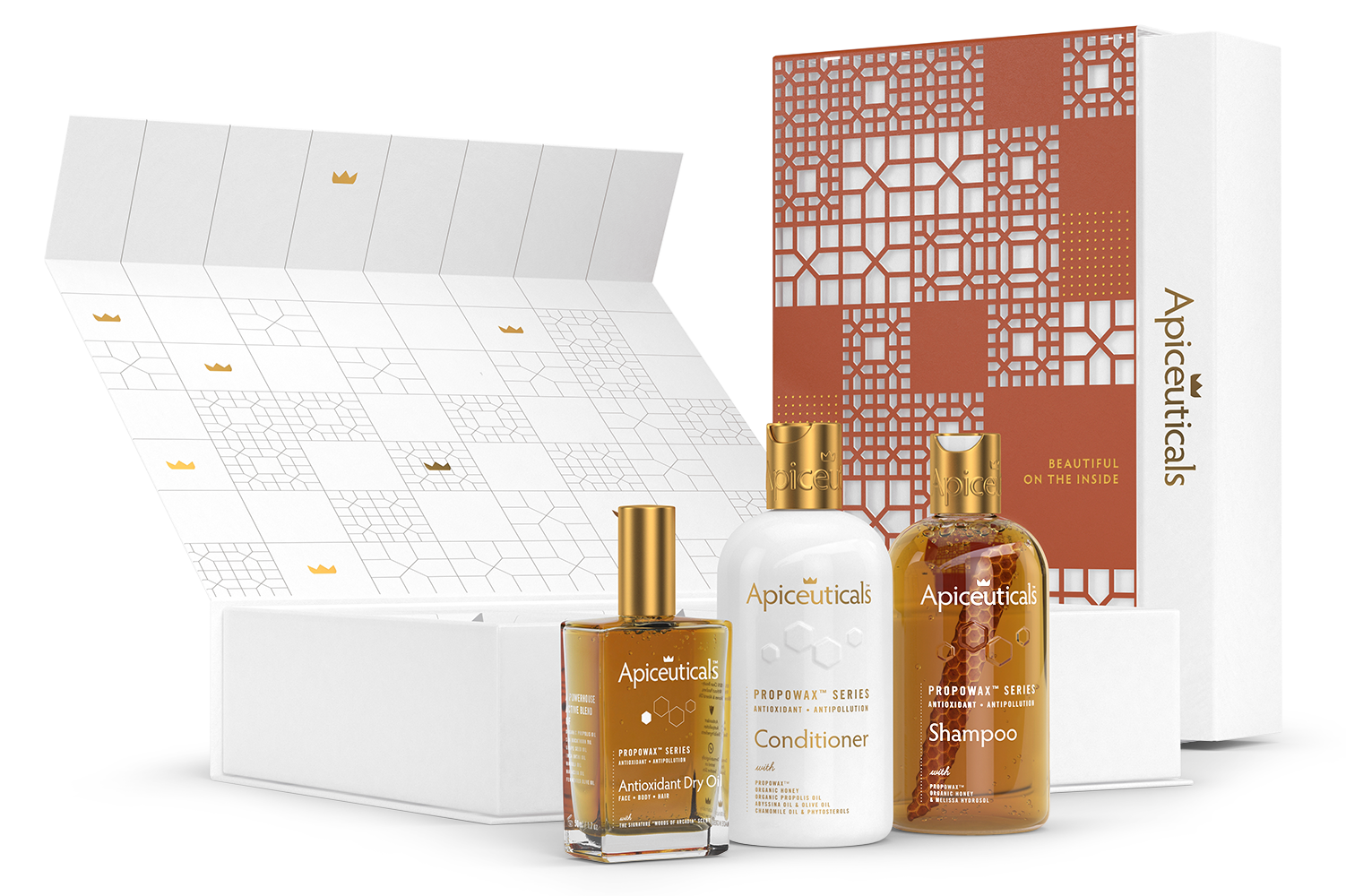
That continuous-release mechanism is the practical answer to a question raw propolis extracts can’t fully solve on their own: how do you keep active antioxidant compounds in contact with the scalp long enough to matter, without relying on the harsh, high-alcohol vehicles that raise irritation risk? For readers who want to start small, the Antioxidant Hair Care Duo pairs a shampoo and conditioner built on this technology, giving you a coordinated way to test tolerance and results together. Patch test first, give it the full trial window, and judge it on your own scalp’s response rather than on a marketing claim.
This article is general information, not a substitute for advice from a qualified doctor. Consult a qualified healthcare professional about your own circumstances before acting on anything here.
Sources
- The Philippines stingless bee propolis promotes hair growth through activation of Wnt/β-catenin signaling pathway
- Stimulatory effect of Brazilian propolis on hair growth through proliferation of keratinocytes in mice (PubMed record)
- Stingless bee propolis promotes hair follicle regeneration and melanocyte function in chemotherapy-induced alopecia mouse model
- FAO technical guidance on propolis in formulations
FAQ
What is the strongest herb or natural ingredient for hair growth?
No single natural remedy has clinical evidence matching approved treatments like minoxidil, though propolis stands out among natural options for having multiple independent animal studies converging on the same growth-related biological pathway.
What are considered the “big three” ingredients for hair regrowth?
Definitions vary across sources, but minoxidil, finasteride, and low-level laser therapy are the three most commonly cited treatments with substantial human clinical backing for hair regrowth; propolis is not typically included in that clinically validated group.
Finasteride is FDA-indicated for men only. Women who are or may become pregnant must not handle crushed or broken finasteride tablets, due to the risk of harm to a male fetus. It can also cause sexual side effects (reduced libido, erectile dysfunction) in a minority of men, which usually resolve after stopping treatment. Discuss these risks with a physician before starting.
Is propolis safe to use on a sensitive scalp?
Propolis carries a documented risk of contact allergy in people sensitive to bee products, so a 48 to 72 hour patch test is recommended before regular scalp use, and low-alcohol formulations reduce irritation risk for sensitive skin.
How long does it take to see results from propolis hair products?
Most practical trial plans recommend 6 to 12 weeks of consistent use, since hair follicle cycles move slowly and shorter windows rarely reveal meaningful change in shedding, scalp condition, or hair texture.
Does Apiceuticals use propolis in its haircare products?
Yes, propolis is one of the antioxidant sources incorporated into the PROPOWAX™ Living Honeycomb delivery system used across Apiceuticals’ haircare formulations, alongside dermatological testing showing 0% irritation on sensitive skin.
Recommended


Related posts

Explore how a trial lasting 24 weeks and Malassezia research link scalp oxidative stress to shedding, and where PROPOWAX™ fits continuous antioxidant care.

See when silicones smooth hair or build up, and how PROPOWAX™ holds a global patent for highest antioxidant activity, validated by Aristotle University.

Explore mountain honey benefits for skin and body, from floral polyphenols and antioxidant activity to evidence on cough relief, wound care, and safe use.

Propolis delivers stronger antioxidant and antimicrobial action. Royal jelly boosts hydration and repair. Learn which suits your skin or scalp and why...

Pick sulfate-free or sulfate shampoo by your scalp, porosity, and color needs. Read evidence-backed guidance, antioxidant options, and a 4-step switch...