No products in the cart.
Return To Shop
EU Hoteliers: Refillable Amenities That Meet PPWR and Hygiene Standards
Yes, switching to properly specified refillable hotel amenities delivers real environmental, financial, and operational benefits. The three pillars are measurable waste reduction, hard and soft cost savings, and alignment with the European Union’s incoming packaging rules. The one caveat that matters: hygiene risk is documented in peer-reviewed research, but it is manageable when dispenser design and staff protocols are correct.
TL;DR:
- Cost savings come from lower per-use expenses, reduced labor for restocking, and disposal decreases, often outweighing simple unit cost comparisons.
- Proper dispenser design is crucial for hygiene, with sealed systems and regular cleaning protocols reducing bacterial contamination risks.
- EU regulations will restrict single-use miniatures starting in 2030, requiring hotels to support traceability and hygienic reusable packaging.
- A pilot program allows hotels to test logistics, hygiene, and guest satisfaction before scaling refillable amenities across entire properties.
Table of Contents
- What Environmental Impact Do Refillable Amenities Actually Have?
- How Much Money Do Refillable Systems Actually Save?
- Are Refillable Dispensers Actually Hygienic?
- What Does the EU’s PPWR Mean for Hotel Amenities?
- How Do You Pilot a Refillable Amenity Program?
- What Hygiene and Formulation Standards Should Hotels Require?
- What Hotel Managers Get Wrong About Refillable Amenities
- How Apiceuticals Supports Your Refillable Amenity Program
- Sources
- FAQ
What Environmental Impact Do Refillable Amenities Actually Have?
A single mid-sized hotel replacing individually wrapped miniature bottles with bulk-fill dispensers removes thousands of plastic units from its waste stream every year, simply because one liter cartridge replaces roughly twenty to thirty single-use bottles depending on room turnover. That arithmetic is the entire case for refillable hotel amenities benefits on the environmental side, and it scales directly with occupancy.

The European Union’s packaging framework treats this shift as more than a marketing gesture. Regulation (EU) 2025/40 builds reusable packaging into the bloc’s circular-economy strategy, and it recommends traceability tools such as QR codes or digital data carriers so operators can document rotations and reuse cycles rather than simply claiming sustainability credentials.
Guest sentiment tracks the same direction. Industry reporting on travel-size versus refillable systems shows preference shifting toward well-presented refillable dispensers, provided they look clean and deliberately designed rather than institutional. That distinction between “budget dispenser” and “considered amenity system” is where most hotels either win or lose guest goodwill.
Three things drive the environmental case in practice:
- Fewer plastic units entering the waste stream per occupied room per night
- Reduced shipping volume and packaging for bulk-fill formats compared to cartons of individually wrapped minis
- Reporting-ready documentation that supports sustainability disclosures already expected by many corporate travel accounts
A property in Greece switching amenity formats can point to research on the hotel sector’s sustainability practices, which frames circular-economy measures like this one as a component of long-term economic resilience, not just a compliance checkbox.
How Much Money Do Refillable Systems Actually Save?
The financial case rests on comparing cost-per-guest-use against cost-per-unit for minis, then layering in the labor and disposal savings that rarely make it into a simple procurement spreadsheet.
Build the calculation in three steps:
- Calculate cost-per-use. Divide bulk-fill product cost by verified uses per liter, then compare against the landed cost of an equivalent single-use bottle, including packaging and freight.
- Add labor time saved. Housekeeping restocks fewer individual units per room turn, and dispenser-focused industry analysis reports that refillable systems shrink both restocking minutes and disposal handling once measured across a full property.
- Add disposal savings. Fewer plastic units means fewer waste-hauling cycles and less packaging material moving through receiving and storage.
Pro Tip: Track labor minutes saved per occupied room alongside kilograms of plastic diverted. Those two numbers translate environmental benefit into a dollar figure your finance team will actually approve.
Soft costs often decide the business case. Simpler inventory, fewer delivery cycles, and less storage congestion in housekeeping closets compound over a full year even when the per-unit product savings look modest on paper.
Are Refillable Dispensers Actually Hygienic?
This is the question hotel managers ask most, and the honest answer is nuanced. A peer-reviewed study sampling dispensers directly from occupied hotel rooms found that a significant portion of standard refillable pump dispensers tested positive for bacterial contamination, with a mean bacterial count of 2.2 × 10^5 CFU/mL. Nonrefillable press dispensers showed contamination in only 10.6% of samples.
The gap is not about refilling itself. It is about dispenser architecture. Researchers traced the difference to the pump head’s pressure-release mechanism, which can draw contaminated air and residue back into the nozzle between uses.
That distinction changes the entire procurement conversation. Press-actuated systems, drainable pump heads, and sealed swap-bottle cartridges all avoid the specific mechanical loophole researchers identified, which means the fix is a specification requirement, not an argument against refilling itself.
Operational controls that close the remaining gap:
- Refill only from sealed bulk containers directly into cartridges, never by topping off an open dispenser
- Set a fixed cleaning cadence for dispenser exteriors and nozzles, not just visible surfaces
- Replace pump heads on a defined schedule rather than waiting for visible wear
- Train housekeeping staff on refill protocol as a distinct competency, not a footnote in general cleaning training
Preserved bulk formulations with proper preservative systems make internal product growth unlikely. The real exposure sits in the hardware and the refill procedure, which is exactly where hotels can act.
What Does the EU’s PPWR Mean for Hotel Amenities?
Starting January 1, 2030, single-use miniature cosmetics and toiletry packaging for accommodation providers will be restricted under Annex V, point 5 of the Packaging and Packaging Waste Regulation. A parliamentary question on the mini-packaging ban confirms the timeline and raises a practical operational question hoteliers need to resolve now: how to keep essential items available on request without reverting to the packaging format the rule targets.
Regulation (EU) 2025/40 expects reusable packaging systems to meet minimum hygiene and rotation standards, with traceability tools like QR codes or digital data carriers used to demonstrate genuine reuse rather than a one-time refill claim.
A short procurement checklist for 2030 readiness:
- Confirm dispenser and cartridge design supports documented rotation counts
- Require supplier proof of hygiene testing against contamination pathways, not just marketing claims
- Build an on-request protocol for guests who prefer individually packaged items
- Set a formal review date well before the 2030 deadline, not after
How Do You Pilot a Refillable Amenity Program?
A disciplined pilot beats a property-wide rollout, because it surfaces hygiene and guest-feedback issues before they scale.
- Write the procurement brief first. Specify dispenser type, refill format, hygiene testing documentation, and service-level requirements before requesting samples.
- Scope a limited pilot. Choose one floor or wing, run it for 60 to 90 days, and track three numbers: kilograms of plastic diverted, net labor minutes saved per occupied room, and amenity-specific guest satisfaction scores.
- Set decision criteria in advance. Define what “success” looks like on all three metrics before the pilot starts, not after you see the results.
- Scale logistics deliberately. Plan bulk delivery cadence, secure dry storage for concentrate, stock replacement pump heads, and update housekeeping SOPs property-wide only once the pilot clears its criteria.
Pro Tip: Guest convenience expectations are rising across travel categories, and research on convenience priorities in business travel suggests amenity friction, real or perceived, shows up in satisfaction scores faster than most managers expect. Design the pilot to catch that friction early.
What Hygiene and Formulation Standards Should Hotels Require?
The amenity expertise draws on a family beekeeping operation based in Arcadia since 1981, informing a hotel amenity program built around measurable evidence rather than marketing language. The brand’s hotel dispenser hygiene checklist documents that standard pump dispensers carry roughly seven times the contamination risk of properly sealed alternatives, a finding consistent with the peer-reviewed contamination pathway data above.
Procurement teams evaluating any refillable amenity supplier should ask for dispenser architecture details, refill protocol documentation, and formulation stability data before signing. Hygiene performance is a specification question, not a brand promise.
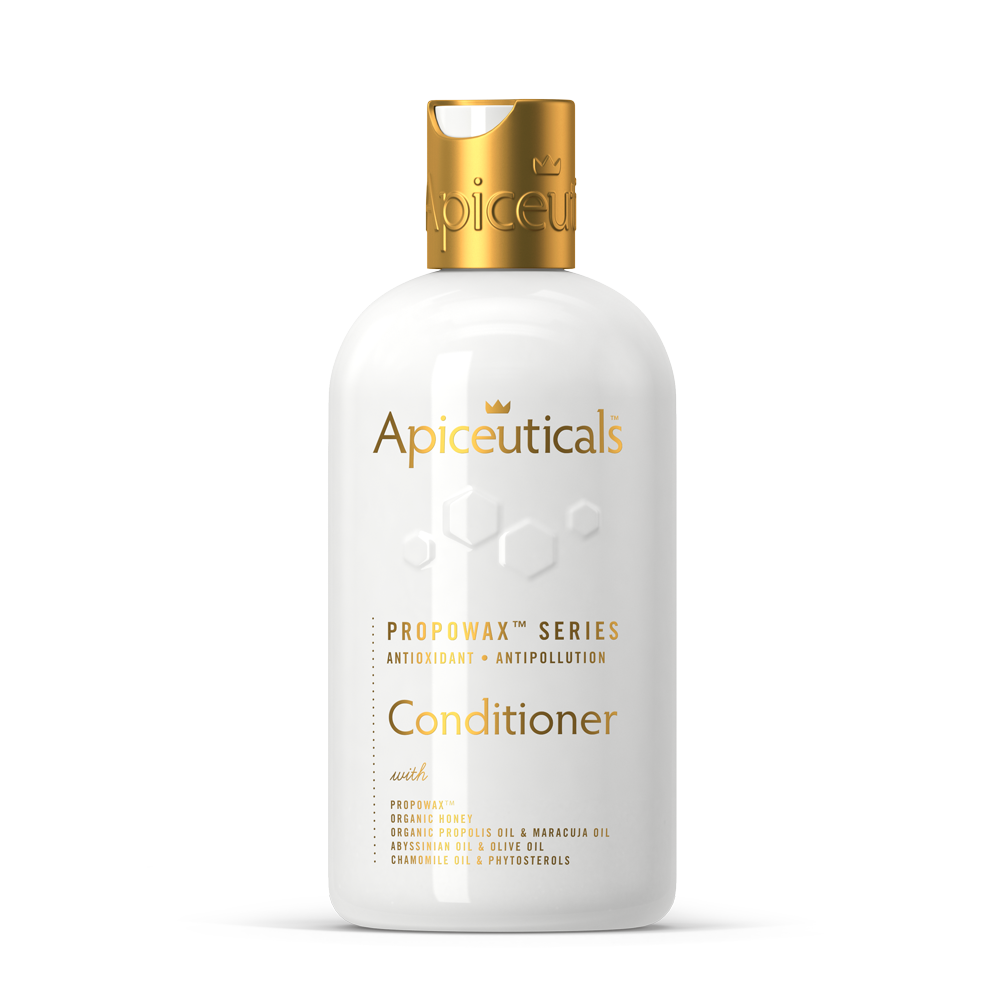
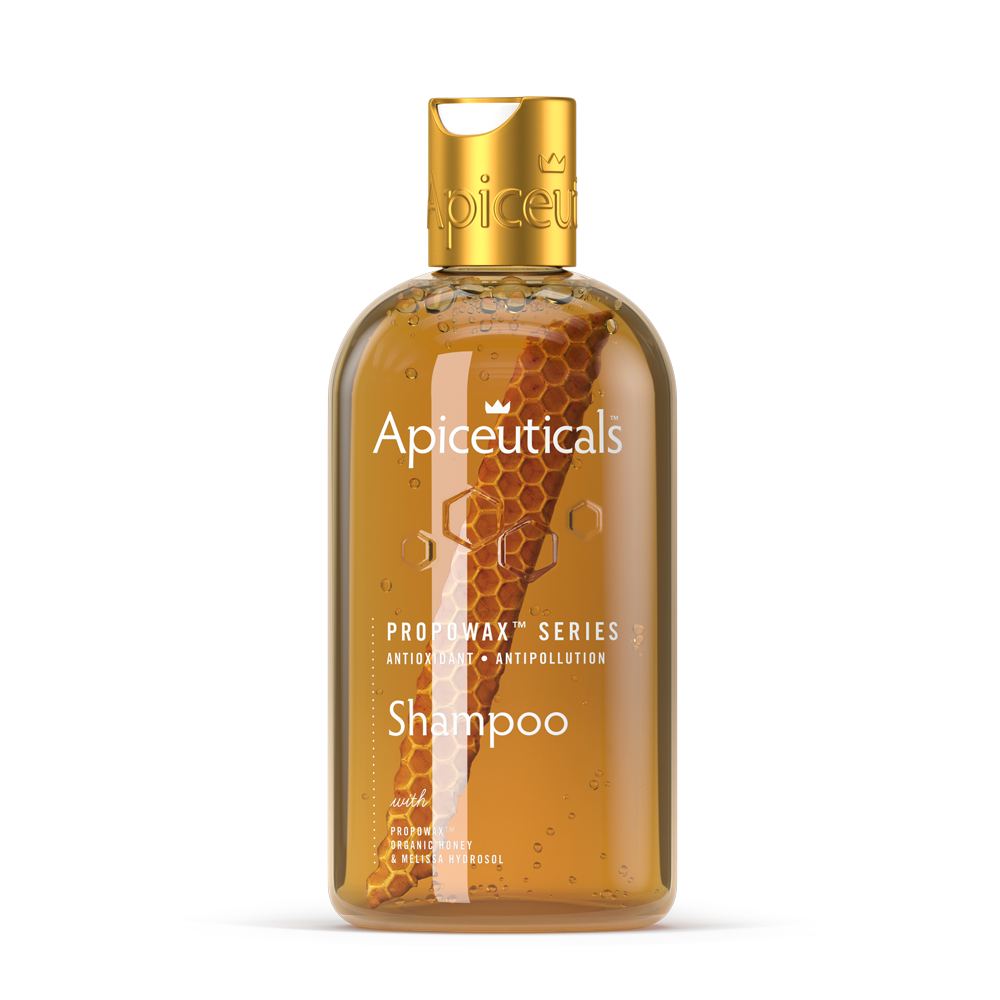
Apiceuticals’ formulations center on PROPOWAX™, a patented Living Honeycomb structure that continuously releases antioxidant compounds onto skin and hair. The technology holds a global patent for the highest antioxidant activity recorded in cosmetics, independently validated by the Aristotle University of Thessaloniki. For hotels weighing amenity formulation quality alongside hygiene architecture, that combination sets a technical bar worth requiring from any supplier, detailed further on the PROPOWAX™ technology for hotel toiletries page.
What Hotel Managers Get Wrong About Refillable Amenities
Most procurement conversations treat refillable amenities as a single decision: refill or don’t refill. That framing misses the point entirely. The peer-reviewed contamination data shows the real variable is dispenser architecture, not the refill concept itself, and hotels that skip that distinction end up either overpaying for unnecessary risk aversion or underspecifying hygiene controls they will regret later.

The conventional advice to “switch to refillables for sustainability points” also undersells the financial case. Labor minutes saved and disposal cost reductions often matter more to a general manager’s budget than the plastic-diversion number that ends up in a sustainability report. Lead with the number finance cares about, and the environmental case follows naturally.
What should a hotel manager prioritize first? Get the dispenser specification right before scaling anything. A pilot with the wrong hardware just multiplies a fixable hygiene problem across more rooms. Regulation gives you a 2030 deadline, but the hygiene research gives you a reason to move faster than that deadline requires.
— Apiceuticals
How Apiceuticals Supports Your Refillable Amenity Program
Apiceuticals pairs hotel-grade hygiene architecture with antioxidant formulation science built on PROPOWAX™, the patented Living Honeycomb technology validated by the Aristotle University of Thessaloniki for the highest antioxidant activity recorded in cosmetics. That combination means a hotel switching to refillable amenities does not have to trade formulation quality for hygiene compliance.

The Apiceuticals refill program is built around the dispenser and refill-protocol standards this article describes, and the PROPOWAX™ technology page covers the antioxidant delivery mechanism in technical detail for procurement teams comparing formulation science across suppliers. Hotels weighing a pilot can request a hospitality sample brief through Apiceuticals to see dispenser hardware, refill logistics, and formulation documentation before committing to a property-wide rollout.
Sources
- A loophole in soap dispensers mediates contamination with Gram‑negative bacteria
- Regulation (EU) 2025/40 of the European Parliament and of the Council (packaging and packaging waste)
- Parliamentary question | Ban on mini single-use packaging for cosmetics, hygiene and toiletry products in hotels
FAQ
Do Hotels Charge Guests for Taking Toiletries?
Most hotels do not charge for standard in-room toiletries, whether single-use or refillable, since these are included in the room rate. Some properties do charge for premium minibar or spa-branded items left in the room, so guests should check posted signage or ask the front desk if unsure.
What Is Typically Included in Free Hotel Toiletries?
Standard complimentary toiletries usually include shampoo, conditioner, body wash or soap, and sometimes lotion, provided in either single-use bottles or refillable wall-mounted dispensers depending on the property’s amenity program. Higher-end hotels increasingly include formulated antioxidant or botanical-based products as part of that standard set.
What Free Toiletries Can Guests Expect at a Hotel?
Guests can generally expect shampoo, conditioner, body wash, and soap as complimentary amenities, with some hotels adding shower caps, sewing kits, or dental kits on request. Refillable-format hotels typically present these in fixed dispensers rather than individually wrapped bottles, which is becoming the norm ahead of the EU’s 2030 packaging restrictions.
What Do Hotel Amenities Include Beyond Toiletries?
Hotel amenities typically include bathroom toiletries, coffee or tea service, bathrobes or slippers in higher-tier properties, and sometimes turndown items like water bottles or snacks. The toiletries category is where refillable systems are replacing single-use minis fastest, driven by both cost pressure and the PPWR timeline.
Is It Safe to Use Refillable Soap and Shampoo Dispensers?
Refillable dispensers are safe when they use press-actuated or sealed cartridge designs rather than standard pump heads, since peer-reviewed testing found pump dispensers had a 70.2% contamination rate compared to 10.6% for press systems. Hotels following proper refill protocols and cleaning schedules significantly reduce this risk regardless of guest concern about shared dispensers.
Does Switching to Refillable Amenities Actually Save Hotels Money?
Yes, refillable amenity systems reduce cost-per-use versus individually packaged minis once procurement, labor, and disposal savings are calculated together, according to industry analysis of dispenser economics. The savings compound through reduced housekeeping restocking time and fewer delivery and disposal cycles, not just the product cost itself.
Recommended


Related posts

Explore how a trial lasting 24 weeks and Malassezia research link scalp oxidative stress to shedding, and where PROPOWAX™ fits continuous antioxidant care.

See when silicones smooth hair or build up, and how PROPOWAX™ holds a global patent for highest antioxidant activity, validated by Aristotle University.

Explore mountain honey benefits for skin and body, from floral polyphenols and antioxidant activity to evidence on cough relief, wound care, and safe use.

Propolis delivers stronger antioxidant and antimicrobial action. Royal jelly boosts hydration and repair. Learn which suits your skin or scalp and why...

Pick sulfate-free or sulfate shampoo by your scalp, porosity, and color needs. Read evidence-backed guidance, antioxidant options, and a 4-step switch...