
No products in the cart.
Return To Shop
The Role of Science in Beauty Products: What Consumers Need to Know
TL;DR:
- The role of science in beauty products is complex and often misunderstood by consumers, with many claims lacking regulatory oversight. Effective formulations require multidisciplinary expertise, rigorous testing, and validated delivery systems like Apiceuticals’ PROPOWAX™ that ensure antioxidant activity and safety. Consumers should evaluate scientific credibility through transparency, independent validation, and understanding regulatory differences between regions such as the US and EU.
The role of science in beauty products is far more complex — and far less transparent — than most consumers realize. Walk into any pharmacy or scroll through any beauty retailer, and you will encounter an arsenal of claims: clinically tested, dermatologist-approved, scientifically formulated. Yet the vast majority of shoppers assume these phrases carry a level of regulatory oversight that simply does not exist in the United States. The science behind cosmetic formulations is real, rigorous, and genuinely consequential. Understanding it changes not just what you buy, but how you think about what goes on your skin every day.
Table of Contents
- Key Takeaways
- The Role of Science in Beauty Products: Formulation Fundamentals
- Scientific innovation and safety in cosmetic ingredients
- Regulatory frameworks and cosmetic safety assessment
- Evaluating scientific claims as a consumer
- My perspective: why scientific literacy in beauty matters more than ever
- Discover Apiceuticals’ science-backed antioxidant formulations
- FAQ
Key Takeaways
| Point | Details |
|---|---|
| FDA does not pre-approve most cosmetics | Manufacturers bear full responsibility for safety before a product reaches shelves. |
| Formulation science is multidisciplinary | Effective products integrate chemistry, biology, dermatology, and material science simultaneously. |
| EU regulation is more prescriptive | The SCCS sets specific ingredient concentration limits backed by quantifiable risk assessment. |
| Science-backed claims require evidence | Valid claims need ingredient substantiation, stability data, and clinical performance testing. |
| Antioxidant technology is measurable | PROPOWAX™ Living Honeycomb holds a global patent for the highest validated antioxidant activity in cosmetics. |
The Role of Science in Beauty Products: Formulation Fundamentals
Cosmetic science is not a single discipline. It draws from organic chemistry, biochemistry, dermatology, microbiology, and material science, integrating each to produce a product that is simultaneously stable on the shelf, safe on skin, and effective in use. Formulation science balances ingredient compatibility, delivery mechanisms, and sensory profiles in ways that require genuine scientific expertise to execute well.
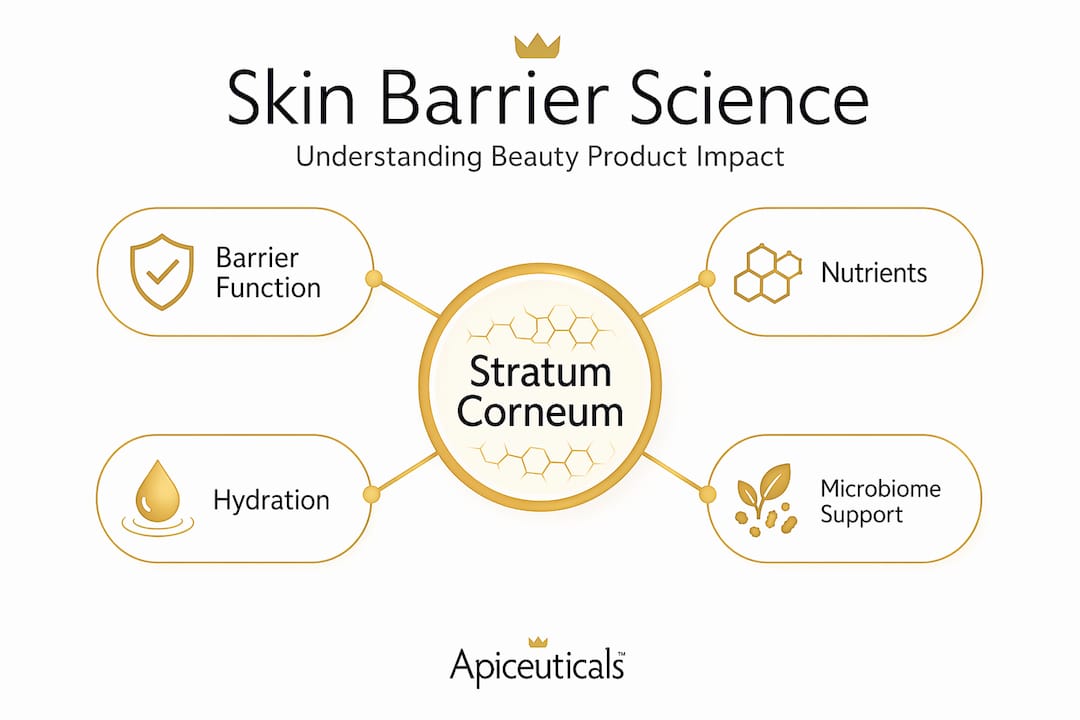
Skin and hair are not passive surfaces. The stratum corneum, the outermost skin layer, is a precisely organized barrier that determines which ingredients penetrate, how quickly, and to what depth. Hair fiber has a cuticle architecture that governs moisture retention and mechanical damage. A formulator who does not understand these structures cannot design a product that meaningfully interacts with them.
The importance of ingredients in beauty cannot be overstated at this foundational level. The selection of an emulsifier, for example, determines whether an oil-based active ingredient can even reach a water-based skin environment. A preservative system that works at pH 5.5 may fail entirely at pH 7.0. These are not cosmetic details. They are the difference between a product that works and one that merely feels like it might.
To illustrate what modern formulation science demands, consider what any credible product development process must address:
- Ingredient compatibility: Active compounds must not react with excipients in ways that degrade efficacy or generate harmful byproducts.
- Delivery mechanisms: The form of an ingredient, whether encapsulated, emulsified, or suspended, governs its bioavailability at the target site.
- Stability under use conditions: Products are exposed to light, heat, and microbial contamination in real-world bathrooms, not laboratory refrigerators.
- Sensory profile: Texture, spreadability, and absorption rate directly affect how consistently consumers use a product, which in turn affects real-world outcomes.
- Safety at intended concentrations: Every ingredient must be evaluated not just for its own toxicological profile but for its behavior within a specific formulation matrix.
Apiceuticals’ PROPOWAX™ Living Honeycomb technology demonstrates what this scientific rigor looks like in practice. The technology creates a patented antioxidant structure that continuously releases bioactive compounds onto skin, scalp, and hair. Rather than a static dose of antioxidants deposited at application, PROPOWAX™ functions as a sustained-release system, validated for the highest antioxidant activity in cosmetics by the Aristotle University of Thessaloniki.
Pro Tip: When evaluating a beauty product’s scientific credibility, look past ingredient lists and ask whether the brand discloses stability data, clinical study methodology, or third-party validation. Ingredient presence alone tells you nothing about effective delivery.
Scientific innovation and safety in cosmetic ingredients
The most significant shift in modern cosmetic science is the move from surface-level formulation to molecular and cellular understanding. Scientific evaluation now includes molecular, cellular, and clinical level studies, moving well beyond sensory appeal as a measure of success. This is how science improves skincare in a meaningful, measurable way.
Several technological advances have driven this shift in recent years:
- Nanotechnology and encapsulation: Nanoparticle delivery systems allow active ingredients to penetrate deeper into skin structures and release at controlled rates, significantly improving bioavailability compared to conventional formulations.
- Biotechnology-derived actives: Fermentation science, enzyme engineering, and plant cell culture now produce bioactive compounds with precise molecular structures and reproducible efficacy profiles, reducing the variability inherent in raw botanical extracts.
- In vitro and ex vivo testing: Advanced cell culture models of human skin now enable safety and efficacy screening before any human subject is exposed to a new ingredient or formulation.
- Dermatological clinical evaluation: Properly designed clinical studies, with control groups, objective measurement tools, and statistical analysis, are what separate substantiated claims from marketing assertions.
The effect of research on beauty products is perhaps most visible in the antioxidant category. Oxidative stress, the cellular damage caused by free radicals generated through UV exposure, pollution, and metabolic processes, is now recognized as a primary driver of visible skin aging. Think of it as the biological equivalent of rust forming on metal: left unchecked, free radicals progressively degrade collagen, damage lipid membranes, and impair melanin regulation. Antioxidant compounds interrupt this chain reaction by neutralizing free radicals before structural damage accumulates.
“Safety and efficacy assessments must evaluate ingredient concentration, formulation stability, and realistic use conditions — companies must ensure products perform as claimed throughout their entire shelf-life, not just at manufacture.”
What this means for the consumer is that genuine antioxidant efficacy is not a matter of including vitamin C or resveratrol on a label. The concentration, the delivery system, the pH stability, and the protection from oxidation during storage all determine whether a product’s antioxidant claims translate to measurable outcomes on skin. PROPOWAX™ Living Honeycomb holds a global patent for antioxidant activity precisely because Apiceuticals engineered the entire system rather than simply adding antioxidant ingredients to a conventional base.
Regulatory frameworks and cosmetic safety assessment
Here is where consumer understanding most commonly diverges from regulatory reality. FDA does not require premarket approval for most cosmetic products. The single exception is color additives. Every other product, from a moisturizer to a hair serum, reaches store shelves based on the manufacturer’s own determination that it is safe. The FDA’s role is post-market: it monitors adverse event reports, investigates complaints, and can take action if a product proves unsafe after it is already in consumer hands.
This does not mean U.S. cosmetics are unsafe. It means the safety burden rests with the manufacturer, and the quality of that safety evaluation varies enormously across the industry. Consumers cannot assume FDA has reviewed any product’s safety before it reaches them.
The EU operates under a fundamentally different model. The Scientific Committee on Consumer Safety (SCCS) conducts rigorous, evidence-based risk assessments of specific ingredients and sets legally binding concentration limits. The contrast between the two systems is significant:
| Regulatory Dimension | United States (FDA) | European Union (SCCS) |
|---|---|---|
| Pre-market approval | Not required (except color additives) | Ingredients assessed by SCCS before authorization |
| Ingredient concentration limits | Manufacturer-determined | Legally specified by SCCS opinion |
| Safety responsibility | Manufacturer | Shared: manufacturer and EU regulatory body |
| Post-market monitoring | Primary FDA mechanism | Supplementary to pre-market control |
| Example decision | No equivalent to SCCS specificity | Acetophenone limited to 100 ppm in finished products |
The SCCS approach also addresses nuanced risk scenarios. Prostaglandin analogues, for instance, were rejected for certain cosmetic applications due to potential reproductive toxicity. This kind of decision reflects quantifiable, use-case-specific science rather than a blanket judgment. The SCCS evidence grading demonstrates that “science” in beauty is not a vague endorsement. It is a precise, concentration-dependent, population-specific calculation.
Pro Tip: If you purchase beauty products primarily from U.S. brands, check whether the formula is also sold in the EU. EU market authorization provides an additional layer of independent ingredient scrutiny that U.S.-only products do not automatically receive.
Evaluating scientific claims as a consumer
Understanding the regulatory context is step one. Translating that understanding into smarter purchasing decisions is where the role of science in beauty becomes practically useful. The distinction between cosmetics, dermocosmetics, and cosmeceuticals matters here. Cosmetics by legal definition affect appearance without altering biological function. Dermocosmetics are cosmetics formulated for sensitive or compromised skin, typically with a stronger safety testing protocol. Cosmeceuticals occupy a grey zone: the term has no legal standing in the U.S. but describes products marketed for functional skin benefits backed by bioactive ingredients.
When assessing any product’s scientific credibility, the following markers carry genuine weight:
- Dermatological testing on sensitive skin, not just general population panels, which indicates the brand has pursued a more rigorous safety standard than the minimum required.
- Third-party clinical studies, published or summarized with methodology disclosed, including participant numbers, measurement tools, and statistical significance.
- Ingredient substantiation, meaning the brand can demonstrate that each active ingredient is present at a concentration consistent with the evidence supporting its efficacy claim.
- Formulation stability data, indicating the product maintains both safety and efficacy throughout its stated shelf life under real storage conditions.
- Regulatory compliance beyond the minimum, such as exclusion of ingredients restricted in the EU even when selling in markets where those ingredients remain permitted.
Learning to evaluate skincare ingredients with these criteria shifts the consumer from marketing audience to informed participant in a scientific conversation. It also quickly reveals which brands are investing in genuine formulation science and which are investing primarily in packaging and claims language.
Apiceuticals’ PROPOWAX™ Living Honeycomb represents a transparency benchmark in this regard. The global patent, the independent university validation, the dermatological testing achieving 0% irritation on sensitive skin, and the clean beauty formulation excluding over 2,000 potentially harmful ingredients collectively provide the kind of multi-layered scientific substantiation that most brands do not offer. This is what scientifically grounded antioxidant beauty looks like when formulation rigor is applied at every level.
My perspective: why scientific literacy in beauty matters more than ever
I have watched the beauty industry become simultaneously more scientific and more confusing over the past decade. The proliferation of ingredient-focused marketing has created a consumer class that knows what hyaluronic acid is but has no framework for evaluating whether a specific product delivers it effectively. That knowledge gap is precisely where misleading claims thrive.
What I have come to understand is that science in beauty is not binary. It is not a question of “is this science-backed or not?” It is a question of depth: what type of evidence, at what concentration, assessed under what conditions, for which population. The FDA’s post-market framework means I, as a consumer, cannot outsource my safety assessment to a regulatory body. I have to do some of that thinking myself. Knowing that the SCCS sets concentration-specific safety limits tells me what rigorous science actually looks like. Most products on the market do not come close to that standard.
The emerging intersection of longevity science and beauty is where I find genuine excitement. Personalized cosmetics approaches integrating cellular aging biomarkers will fundamentally change how products are developed and evaluated. Apiceuticals’ sustained-release antioxidant architecture in PROPOWAX™ already anticipates this trajectory: the science of continuous antioxidant delivery to living tissue is precisely the kind of biology-forward thinking that longevity research validates. The brands building that depth of scientific foundation now are the ones that will define the next decade of antioxidant beauty.
— Apiceuticals
Discover Apiceuticals’ science-backed antioxidant formulations
If this article has shifted how you think about scientific claims in beauty, the natural next step is exploring what evidence-based antioxidant formulation actually looks like in practice.
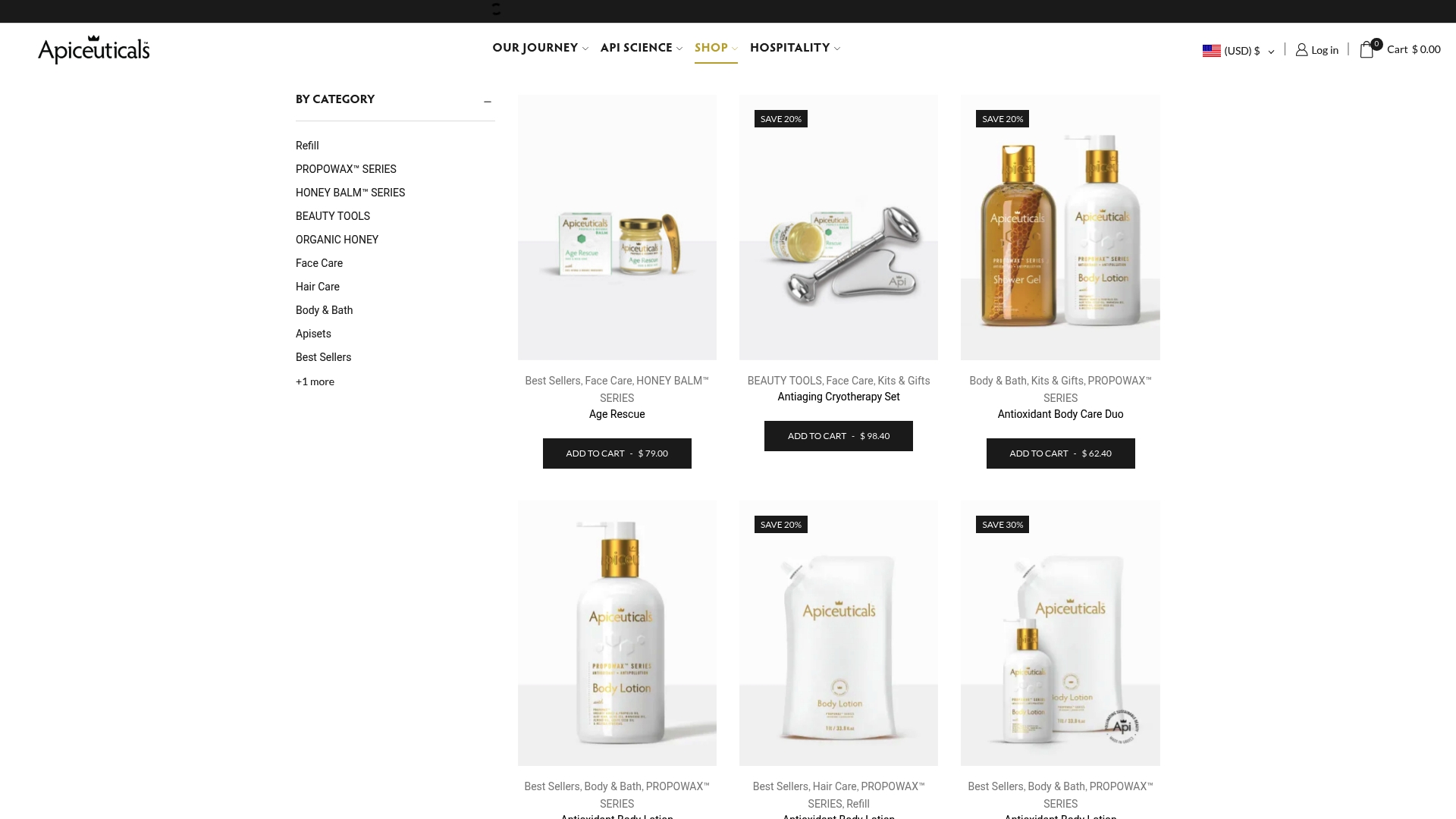
Apiceuticals builds every product around PROPOWAX™ Living Honeycomb, a globally patented technology that the Aristotle University of Thessaloniki independently validated for the highest antioxidant activity in cosmetics. This is not a marketing claim. It is a measured, reproducible result from a sustained-release system engineered at the molecular level. For consumers who want to understand the full science behind this technology, the PROPOWAX™ technology page provides a transparent breakdown of how it works, why it outperforms conventional antioxidant formulations, and what the validation data actually shows. To explore how antioxidant-rich skincare fits into a complete routine grounded in real science, start with the full antioxidant beauty guide.
FAQ
Does the FDA approve beauty products before they’re sold?
No. FDA does not require premarket approval for most cosmetics, except color additives. Manufacturers are responsible for establishing product safety before marketing.
What does “clinically tested” actually mean on a label?
The term has no standardized legal definition in the U.S. A genuinely substantiated claim requires disclosed methodology, a meaningful participant sample, objective measurement tools, and statistical analysis. Learn more about what clinically tested skincare actually means before accepting a label claim at face value.
How does the EU regulate cosmetic ingredients differently from the U.S.?
The EU’s SCCS evaluates specific ingredients and sets binding concentration limits before they can be used in products sold in the EU market. For example, acetophenone is capped at 100 ppm in finished products under this framework.
What makes an antioxidant ingredient scientifically credible in a beauty product?
Credibility requires demonstrated efficacy at the formulated concentration, stability throughout shelf life, a delivery mechanism that reaches the target tissue, and independent validation of antioxidant activity. PROPOWAX™ Living Honeycomb meets all four criteria, with its performance validated by the Aristotle University of Thessaloniki.
How can consumers identify beauty products with genuine scientific backing?
Look for third-party clinical study disclosure, dermatological testing on sensitive skin, ingredient concentration transparency, EU regulatory compliance, and patents or university-validated technology. Knowing which ingredients to avoid in skincare based on scientific evidence is an equally useful starting point for informed evaluation.
Recommended


Related posts

How bees and biodiversity sustain each other, what the science says about Greece and the Aegean, and how antioxidant beauty can start from a hive...

How organic propolis extraction works, from hive to extract: collection, solvents, EU organic rules, Greek propolis phenolics and what it means for skincare.

Build an anti pollution skincare routine that fits Greek city life: what pollution does to skin, the morning and evening steps, and the antioxidants with...

Honey moisture content explained: the EU and Greek limits, how to take a refractometer reading, what excess water does to honey, and why it matters...

How antioxidant activity measurement works: DPPH, ABTS, FRAP and ORAC explained, why results differ, and what a lab number can and cannot say about skin...















