No products in the cart.
Return To Shop
Clear Silicone Buildup From Hair in 1–3 Washes
Silicone buildup hair is a real, verifiable condition, but only for certain silicone types, and it is rarely permanent. If your hair feels weighed down, styling products stop performing, or shine has flattened into a waxy dullness, a clarifying shampoo is the correct first move. Water-soluble silicones usually rinse away with normal washing, while water-insoluble types like the dimethicone family can require a stronger surfactant, such as sodium lauryl sulfate, and sometimes more than one treatment. Once hair is reset, a silicone-free option like PROPOWAX™ can maintain results without reintroducing the residue.
TL;DR:
- Water-insoluble silicones like dimethicone can build up gradually and require multiple clarifying washes with strong surfactants to fully remove.
- Conducting a controlled trial—using clarifying shampoo after regular washing—can effectively identify if buildup is present and its severity.
- Fine or oily hair accumulates silicones faster and benefits from more frequent, lightweight, silicone-free cleansing routines.
- Chelating shampoos are necessary when mineral deposits from hard water or pools combine with silicone residue, especially in resistant cases.
- Using silicone-free products like PROPOWAX™ after a reset helps maintain hair health without reintroducing stubborn residue.
Table of Contents
- How to Tell If You Have Silicone Buildup in Your Hair
- What Silicones Are and Which Types Tend to Persist
- How to Remove Silicone Buildup From Hair
- Preventing Silicone Buildup by Hair Type
- Apiceuticals’ Approach: PROPOWAX™ and Silicone-Free Recovery
- Silicone Buildup vs. Mineral and Product Buildup
- Editor’s Synthesis: A Balanced View on Silicones
- Where to Start: Silicone-Free Aftercare From Apiceuticals
- Sources
- FAQ
How to Tell If You Have Silicone Buildup in Your Hair
Silicone buildup announces itself in ways that feel almost contradictory: hair looks coated and heavy, yet somehow still lacks shine. That combination, rather than any single symptom, is the real diagnostic clue.
The most common signs include:
- Hair that feels limp or flat within a day of washing, even with volumizing products applied
- A greasy or waxy texture at the roots or mid-lengths that soap and water don’t fully resolve
- Dullness that persists despite using shine serums or glossing treatments
- Styling products that seem to “stop working,” where curls fall faster or hold disappears within hours
- A scalp that feels clogged, itchy, or produces more flaking than usual, since silicone film can trap sebum and dead skin cells against the scalp barrier
Confirming the cause takes more than a glance in the mirror. Lab Muffin Beauty Science has tested some of the more popular home diagnostics, including the “scrape test” where users run a fingernail down a hair strand to check for waxy residue, and found the results unreliable. Small amounts of residue on hair are normal and not automatically damaging, so a scraped fingernail proves very little on its own.
A more useful approach is a controlled trial. Wash with your regular shampoo, note how hair behaves for a day, then wash once with a clarifying shampoo and compare. If hair suddenly feels lighter, takes styling product better, and shine improves, that’s a strong signal of buildup rather than a hair health issue. Extend the trial to a week using a silicone-free routine; if the improvement holds or grows, the silicones in your former products were likely the culprit. A single clarifying wash that produces dramatic change points to light buildup. If it takes two or three clarifying sessions before hair feels normal again, you’re dealing with heavier, water-insoluble residue that has had time to layer.
What Silicones Are and Which Types Tend to Persist
Silicones are synthetic polymers built around a silicon-oxygen backbone, and in cosmetic formulas they do genuinely useful work: they form a thin film over the hair shaft that smooths the cuticle, reflects light for shine, blocks humidity-driven frizz, and shields hair from heat styling tools. The chemistry that makes them effective is the same chemistry that makes some of them stubborn to remove.
Not every silicone behaves the same way once it lands on hair. The practical categories worth knowing:
- Water-soluble silicones, sometimes labeled as PEG-modified or “silicone copolyols,” dissolve in water and rinse out with ordinary shampoo, leaving little to no residue over time.
- Water-insoluble silicones, the dimethicone family, resist water and can accumulate wash after wash if a shampoo isn’t strong enough to break their bond with the hair shaft. A peer-reviewed review in PMC confirms these can block moisture and other actives from reaching the hair, which is the mechanism behind that flat, product-resistant feeling.
- Volatile silicones, like cyclomethicone, evaporate after application and leave minimal trace, functioning more like a temporary slip agent during styling than a lasting film.
- Amino-functional silicones, such as amodimethicone, carry a positive charge that draws them selectively to damaged areas of the hair shaft rather than coating everything uniformly. Healthline notes this selective deposition can actually self-limit how much builds up, making it a comparatively lower-risk option than older, unmodified dimethicone grades.
Formulation science has moved toward addressing the buildup problem directly. Water-dispersible and newer, fourth-generation silicone systems are designed to condition hair while depositing less material with each use, an approach one comprehensive review describes as reducing deposition while preserving benefits. None of this makes silicones inherently harmful. It simply means the label matters more than the marketing claim on the front of the bottle.
How to Remove Silicone Buildup From Hair
Removing silicone buildup from hair works best as an escalation, starting gentle and increasing intensity only if the lighter option fails. Jumping straight to the harshest tool available usually costs more in dryness than it saves in time.
- Repeat a normal wash first. If buildup is mild and mostly from water-soluble silicones, two consecutive washes with your regular shampoo may be enough to fully clear the film.
- Try a clarifying shampoo trial. A single wash with a dedicated clarifying formula tells you almost everything about severity. If hair transforms after one use, the buildup was moderate.
- Move to stronger surfactants for stubborn residue. Clarifying shampoos built around sodium lauryl sulfate or olefin sulfonates cut through water-insoluble silicone film more effectively than gentler cleansers, and Hims notes that heavy buildup often needs multiple treatments rather than a single wash to fully clear.
- Consider a chelating shampoo for mineral-complicated cases. If you also swim in chlorinated pools or have hard water, a chelating formula addresses mineral deposits alongside silicone residue, and a stylist can recommend a salon-strength version for particularly resistant cases.
- Skip the baking soda shortcut. It’s a common home remedy, and it can strip silicone film, but its high pH roughs up the cuticle and can leave hair more porous and prone to future buildup. If you try it, use it sparingly and only as a last resort before a professional treatment.
- Rebuild after clarifying. Follow any stripping treatment with a moisture-focused conditioner and, ideally, a leave-in with antioxidant support to calm the cuticle disruption that comes from aggressive cleansing.
Pro Tip: Schedule your clarifying wash the night before a rest day from heat styling. Cuticles are temporarily more porous right after a strong clarifying treatment, and skipping the blow-dryer for 24 hours gives hair time to settle before you stress it further.
A reasonable reset schedule looks like this: clarify once, wait 48 hours, evaluate, and clarify a second time only if hair still feels coated. After that, most people do well with a clarifying wash every three to four weeks. Women’s Health has reported that overusing harsh sulfates can dry out or damage fragile, color-treated hair, so anyone with chemically treated or already-fragile hair should stretch that interval further and consult a stylist before adding a stronger clarifying step to their routine. The two-week sulfate-free trial approach offers a gentler middle path for hair that can’t tolerate frequent stripping.

Preventing Silicone Buildup by Hair Type
The goal isn’t eliminating silicones outright. It’s matching your cleansing habit to how much silicone your products actually deposit, so residue never gets the chance to layer.
- Fine or oily hair accumulates buildup fastest because there’s less natural texture to hide a coated feel. Alternate a lightweight, silicone-free shampoo through the week and reserve any silicone-rich formula for occasional heat-protection days.
- Thick or curly hair tolerates more silicone because the added slip genuinely helps manage frizz and shape retention. A monthly clarifying wash is usually enough to prevent chronic residue in this hair type.
- Chemically treated hair (color, keratin, relaxers) should lean toward water-soluble or amino-functional silicones and treat sulfate-heavy clarifying shampoos as an occasional tool, not a weekly habit.
- Reading the label matters more than guessing. Ingredients ending in “-cone” or “-conol” (dimethicone, cyclomethicone, amodimethicone) are silicones; “PEG” prefixes generally signal the water-soluble, easier-to-rinse versions. A full breakdown of ingredients worth avoiding for fragile hair is worth a look before your next product swap.
Choosing a silicone-free option for daily use, and saving any silicone-containing formula for specific occasions, keeps the buildup question from ever becoming urgent.
Apiceuticals’ Approach: PROPOWAX™ and Silicone-Free Recovery
Apiceuticals formulates its haircare around PROPOWAX™, a patented Living Honeycomb structure that continuously releases antioxidants onto scalp and hair. The technology holds a global patent for the highest antioxidant activity recorded in cosmetics, independently validated by the Aristotle University of Thessaloniki. Because the formulas contain no silicones, SLS, or SLES, hair recovering from a clarifying wash receives conditioning support without reintroducing the film that caused the buildup in the first place. For anyone rebuilding a routine after a reset, an antioxidant leave-in and gentle conditioner pairing helps calm the cuticle disruption that follows aggressive cleansing.
Silicone Buildup vs. Mineral and Product Buildup
Silicone residue and mineral or product buildup look similar on the surface, dull, heavy, unresponsive hair, but they come from different sources and respond to different fixes. Mineral buildup comes from hard water or chlorinated pools depositing calcium, magnesium, or copper onto the hair shaft, and it tends to show up as a greenish tint (for blondes) or a rough, straw-like texture that no amount of conditioner smooths out. Product buildup is a catch-all term for styling residue: waxes, gels, and heavy creams that layer on top of hair without necessarily forming the same water-resistant film silicones create.
The distinction matters for treatment choice. Mineral deposits usually need a chelating shampoo specifically designed to bind metal ions, while silicone film responds better to a strong-surfactant clarifying formula. Standard product buildup from styling creams often clears with a single deep-cleanse wash, no specialty formula required. Testing each with a clarifying shampoo trial is still the fastest way to sort them out: if a clarifying wash resolves things in one pass, you were likely dealing with mineral or general product residue. If it takes multiple treatments and hair still feels coated afterward, water-insoluble silicone is the more likely explanation.

Editor’s Synthesis: A Balanced View on Silicones
Silicones aren’t the villain some hair care conversations make them out to be. The evidence points somewhere more measured: heavier, water-insoluble types warrant real caution and periodic clarifying, while lighter, water-soluble or amino-functional silicones carry far less buildup risk. The smartest routine matches cleansing frequency to the silicone load in your products, rather than banning the ingredient outright.
— Apiceuticals
Where to Start: Silicone-Free Aftercare From Apiceuticals
Once hair is clarified, the maintenance choice you make next determines whether buildup returns in a month or stays gone. Apiceuticals built its silicone-free haircare line specifically for that window right after a reset, when hair needs conditioning support without the film-forming ingredients that caused the original problem.

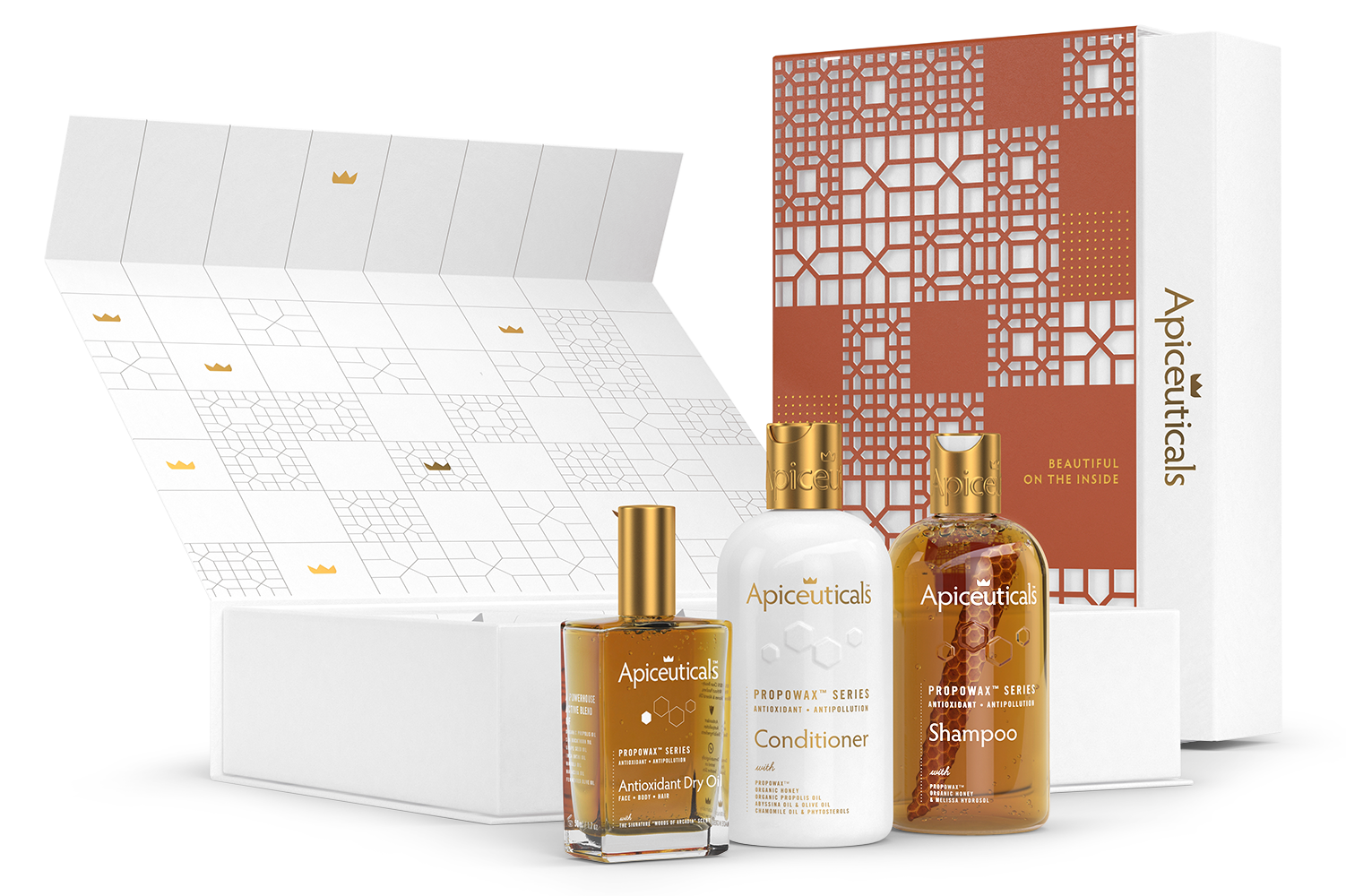
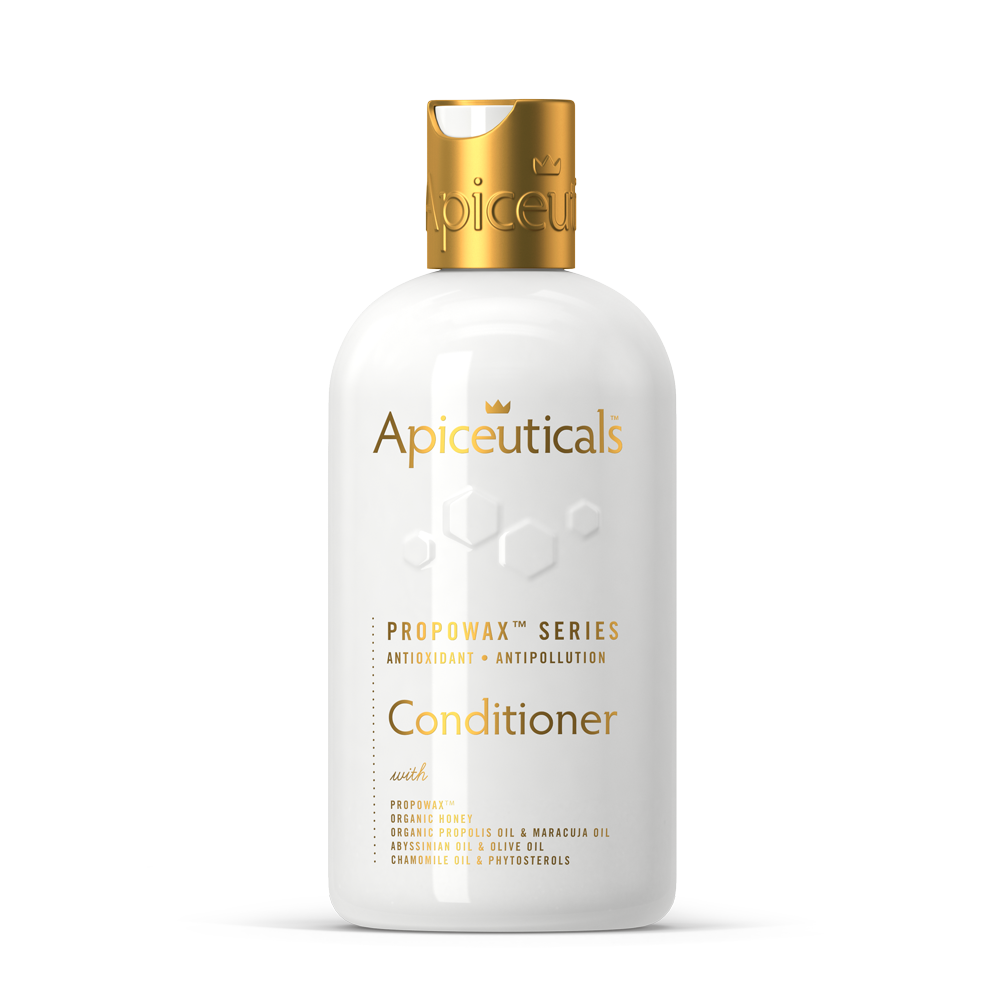
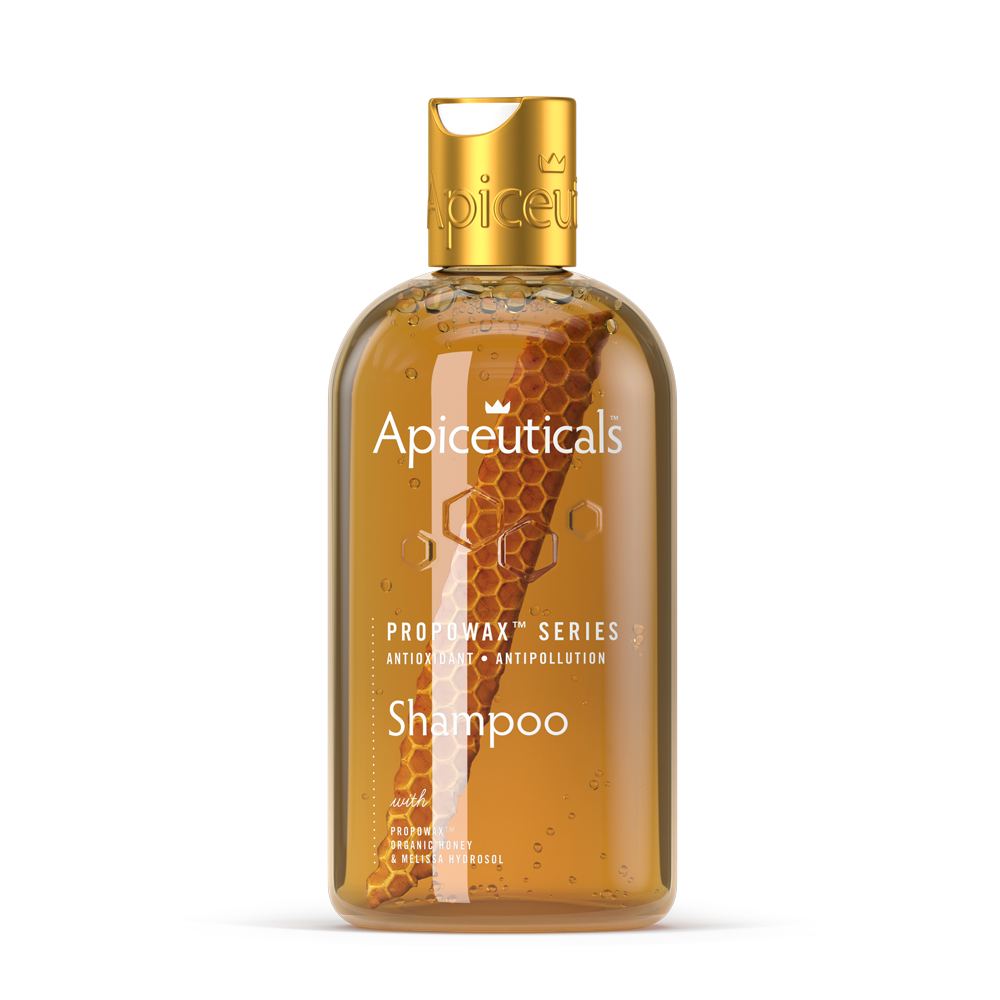
The PROPOWAX™ Antioxidant Hair Care Duo slots directly into the two-week reset plan outlined earlier: use it in place of any silicone-containing conditioner while hair rebuilds shine and manageability on its own terms. Unlike leaving your post-clarify routine to trial and error, this pairing gives scalp and strands antioxidant support from the same Living Honeycomb technology validated by the Aristotle University of Thessaloniki, without adding back the residue you just removed. Browse the full PROPOWAX™ lineup to build a maintenance schedule that fits your hair type and washing frequency.
Sources
- Is Silicone bad for hair? | Hims
- With or Without Silicones? A Comprehensive Review of Their Role in Hair Care
- Busting hair conditioner myths: Build-up, silicones, weighing hair down etc. | Lab Muffin Beauty Science
- Are silicones bad for your hair? Experts explain the truth | Women’s Health
FAQ
How Can I Remove Silicone Buildup From My Hair?
Start with a clarifying shampoo trial using a formula built on stronger surfactants like sodium lauryl sulfate. Light buildup often clears in one wash, while heavier, water-insoluble residue may need multiple treatments spaced a few days apart, followed by a moisture-focused conditioner.
What Will Dissolve Silicone Residue?
Surfactants strong enough to break the water-resistant bond of dimethicone-type silicones, such as sodium lauryl sulfate or olefin sulfonates in clarifying shampoos, are the most reliable option. Chelating shampoos help when mineral deposits from hard water are compounding the issue.
Does Clarifying Shampoo Remove Silicone Buildup?
Yes, a clarifying shampoo is the standard first-line treatment for silicone buildup hair, particularly for water-insoluble types. A single wash resolves mild cases, while persistent buildup on the dimethicone family may take two or three sessions before hair feels fully reset.
How Do I Get Dimethicone Out of My Hair?
Dimethicone is a water-insoluble silicone that resists standard shampoo, so a clarifying formula with a stronger surfactant is usually necessary. Follow with a silicone-free conditioner, such as Apiceuticals’ antioxidant-based options, to avoid immediately reintroducing the same film.
How Do I Know If It’s Silicone Buildup and Not Just Dry Hair?
Silicone buildup tends to make hair feel coated and heavy rather than brittle or straw-like, and styling products noticeably stop performing. A clarifying shampoo trial settles the question quickly: dramatic improvement after one wash points to buildup, while continued dryness afterward suggests a moisture, not residue, issue.
How Often Should I Clarify to Prevent Silicone Buildup?
Most people do well clarifying every three to four weeks, though fine or oily hair may need it more often and chemically treated hair should stretch the interval to protect fragile strands. Overusing harsh sulfates can dry out color-treated hair, so pair any clarifying schedule with a gentler maintenance routine between treatments.
Recommended


Related posts

Explore how a trial lasting 24 weeks and Malassezia research link scalp oxidative stress to shedding, and where PROPOWAX™ fits continuous antioxidant care.

See when silicones smooth hair or build up, and how PROPOWAX™ holds a global patent for highest antioxidant activity, validated by Aristotle University.

Explore mountain honey benefits for skin and body, from floral polyphenols and antioxidant activity to evidence on cough relief, wound care, and safe use.

Propolis delivers stronger antioxidant and antimicrobial action. Royal jelly boosts hydration and repair. Learn which suits your skin or scalp and why...

Pick sulfate-free or sulfate shampoo by your scalp, porosity, and color needs. Read evidence-backed guidance, antioxidant options, and a 4-step switch...