No products in the cart.
Return To Shop
The Science-Backed Benefits of Honey in Skincare
TL;DR:
- Honey offers multifaceted skincare benefits, including deep hydration, antibacterial action, and antioxidant protection. Its bioactivity depends on processing, with raw, cold-processed honey maintaining full therapeutic efficacy. Clinically validated formulations leverage honey’s natural compounds for safe, effective skincare.
Honey is a multifunctional skincare ingredient defined by its simultaneous capacity to hydrate, protect against bacteria, neutralize free radicals, and gently resurface the skin. Few single ingredients in dermatology or cosmetic science match this range. The benefits of honey in skincare are now supported by a substantial body of clinical and biochemical research, with over 200 bioactive compounds including polyphenols, enzymes, amino acids, and minerals working in concert. Apiceuticals, whose PROPOWAX™ Living Honeycomb holds a global patent for the highest antioxidant activity in cosmetics, validated by the Aristotle University of Thessaloniki, treats honey not as a trend but as a scientifically serious ingredient. This article examines each of honey’s core skin benefits with the precision that evidence demands.
1. Benefits of honey in skincare: deep hydration and barrier support
Honey is a humectant, meaning it draws water molecules from the environment and the deeper dermis toward the skin surface, then holds them there. This mechanism is driven by honey’s high concentration of hygroscopic sugars, primarily fructose and glucose, which bind water with exceptional efficiency. Dermatologist Dr. Michele Green notes that honey complements other moisturizers and actively supports the skin’s moisture barrier, making it a functional partner rather than a standalone treatment.
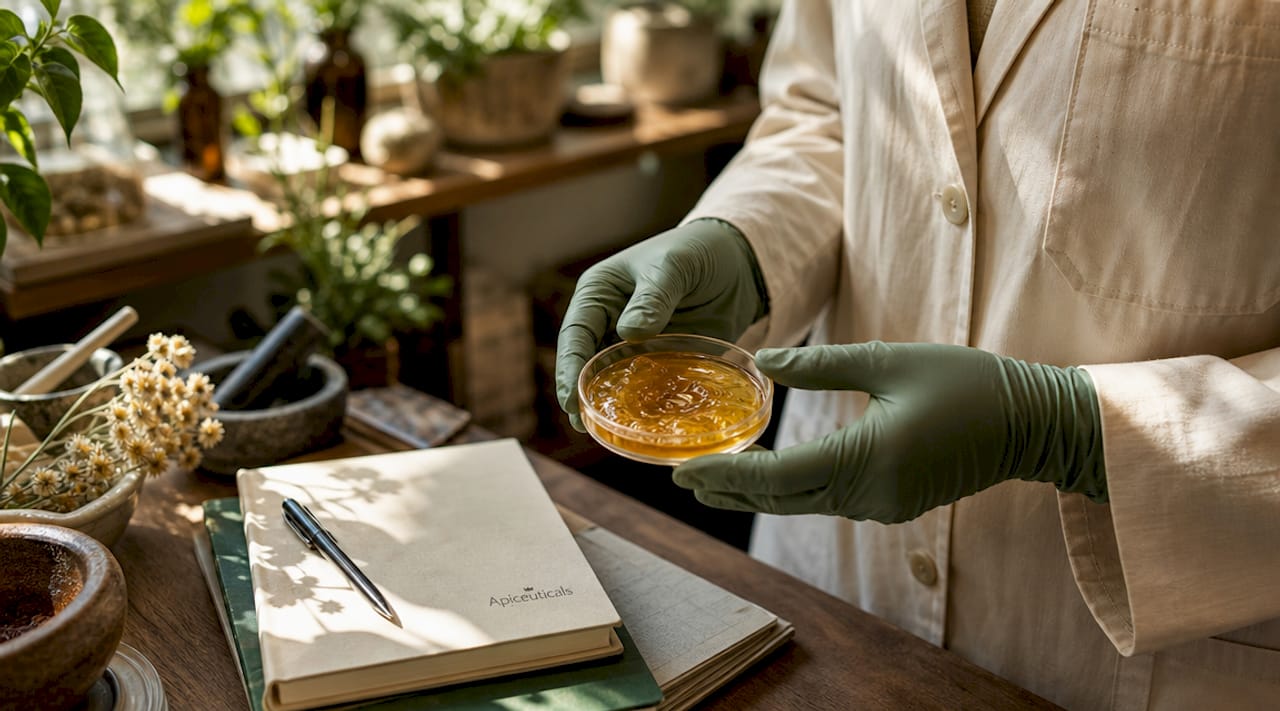
The role of honey in skin hydration becomes even more significant when paired with other barrier-supporting actives. Studies confirm that honey works synergistically with hyaluronic acid and ceramides, amplifying moisture retention beyond what either ingredient achieves alone. This synergy matters because a compromised skin barrier is the underlying cause of dryness, sensitivity, and accelerated aging. Honey addresses the barrier at both the biochemical and structural level.
Pro Tip: Apply raw honey to slightly damp skin for 15 to 20 minutes, two to three times weekly. The pre-moistened surface maximizes the humectant draw and reduces the stickiness that makes raw honey inconvenient to use.
2. Antibacterial action against acne-causing bacteria
Honey’s antibacterial properties are not incidental. They arise from a specific set of mechanisms: hydrogen peroxide generated by the enzyme glucose oxidase, a low pH that inhibits pathogen growth, and in Manuka honey specifically, methylglyoxal (MGO), a compound with potent direct antimicrobial activity. These mechanisms act against Cutibacterium acnes, the primary bacterium responsible for inflammatory acne lesions.
Clinical evidence for this is now substantial. Medical-grade Manuka honey has demonstrated efficacy comparable to topical antibiotics for mild-to-moderate acne over a four-week course, with measurable reductions in the inflammatory markers IL-1β, IL-17, and CRP. Patients in these studies also reported psychosocial improvements similar to those seen with clindamycin gel. This positions Manuka honey as a credible, evidence-based alternative for those seeking to reduce antibiotic dependence in their skincare routines.
The practical implications for acne-prone skin are clear:
- Spot treatment: Apply a small amount of raw Manuka honey directly to active lesions for 20 minutes before rinsing.
- Mask use: A full-face honey mask two to three times weekly reduces overall bacterial load and calms background inflammation.
- Combination therapy: Honey can be layered with niacinamide or azelaic acid without interaction, supporting multiple acne pathways simultaneously.
- Sensitivity check: Always patch test on the inner arm before applying to the face, particularly for reactive or rosacea-prone skin.
3. Antioxidant protection and honey anti-aging properties
Oxidative stress is to skin aging what rust is to metal: a slow, cumulative degradation that weakens structural integrity over time. Free radicals generated by UV radiation, pollution, and metabolic processes attack collagen and elastin fibers, accelerating the formation of fine lines, loss of firmness, and uneven tone. Honey’s polyphenol content, including chrysin and caffeic acid, directly neutralizes these free radicals before they reach structural skin proteins.
Honey’s antioxidant capacity rivals many fruits and vegetables, with over 30 identified polyphenols providing protection against UV and pollution-induced oxidative damage. This positions honey as a meaningful post-sun treatment and a daily antioxidant layer in any routine. The table below contextualizes honey’s antioxidant role relative to other common skincare approaches.
| Antioxidant source | Primary mechanism | Skin benefit |
|---|---|---|
| Honey polyphenols (chrysin, caffeic acid) | Free radical scavenging | Collagen preservation, UV protection support |
| Vitamin C (L-ascorbic acid) | Electron donation, collagen synthesis | Brightening, firming |
| Vitamin E (tocopherol) | Lipid peroxidation inhibition | Barrier repair, moisture retention |
| PROPOWAX™ Living Honeycomb | Continuous antioxidant release via patented Living Honeycomb | Sustained oxidative defense for skin, scalp, and hair |
Apiceuticals’ PROPOWAX™ Living Honeycomb represents the most scientifically advanced application of this principle. The patented antioxidant technology continuously releases antioxidants from a living honeycomb structure embedded in each formulation, providing sustained protection rather than a single-dose effect. British Vogue described it as “arguably the global leader in antioxidant activity.” For anyone serious about honey anti-aging properties, this distinction between passive and active antioxidant delivery is significant.
4. Gentle exfoliation and skin tone improvement
Honey contains gluconic acid, a mild alpha-hydroxy acid (AHA) produced enzymatically during honey’s natural maturation. At a concentration of 0.5 to 1%, gluconic acid provides self-limiting chemical exfoliation that loosens the bonds between dead corneocytes without the irritation risk associated with stronger AHAs like glycolic acid. This makes honey one of the few exfoliating ingredients genuinely suitable for sensitive and reactive skin types.
Beyond surface renewal, honey also inhibits tyrosinase, the enzyme responsible for melanin synthesis. Regular use can gradually reduce the appearance of post-inflammatory hyperpigmentation, sun spots, and uneven tone. The antibacterial and antioxidant co-benefits of gluconic acid mean that exfoliation with honey simultaneously addresses pigmentation, bacterial load, and oxidative damage in a single step.
| Feature | Honey (gluconic acid) | Glycolic acid | Lactic acid |
|---|---|---|---|
| AHA concentration | 0.5–1% | 5–20% | 5–12% |
| Sensitivity risk | Very low | Moderate to high | Low to moderate |
| Additional benefits | Antibacterial, antioxidant, humectant | Collagen stimulation | Hydration, brightening |
| Suitable for sensitive skin | Yes | With caution | Generally yes |
Pro Tip: For a targeted brightening treatment, mix raw honey with a small amount of turmeric powder and apply to areas of hyperpigmentation for 15 minutes. The curcumin in turmeric adds additional tyrosinase inhibition, compounding honey’s own pigment-reducing effect.
5. Calming eczema, psoriasis, and reactive skin conditions
Honey’s anti-inflammatory action operates through polyphenol-mediated modulation of cytokine pathways. Specifically, Manuka honey modulates aryl hydrocarbon receptor pathways, reducing the inflammatory signals implicated in eczema, psoriasis, and rosacea. This is not a superficial soothing effect. It is a measurable reduction in the biochemical cascade that drives chronic skin inflammation.
Dermatologists consistently position honey as a complementary soothing agent for these conditions, supporting barrier repair and reducing flare frequency without replacing prescribed medical treatments. The distinction matters: honey is not a cure for eczema, but it is a clinically supported adjunct that reduces the burden on the skin between flares. For those managing chronic inflammatory conditions, this role in skin health is genuinely meaningful.
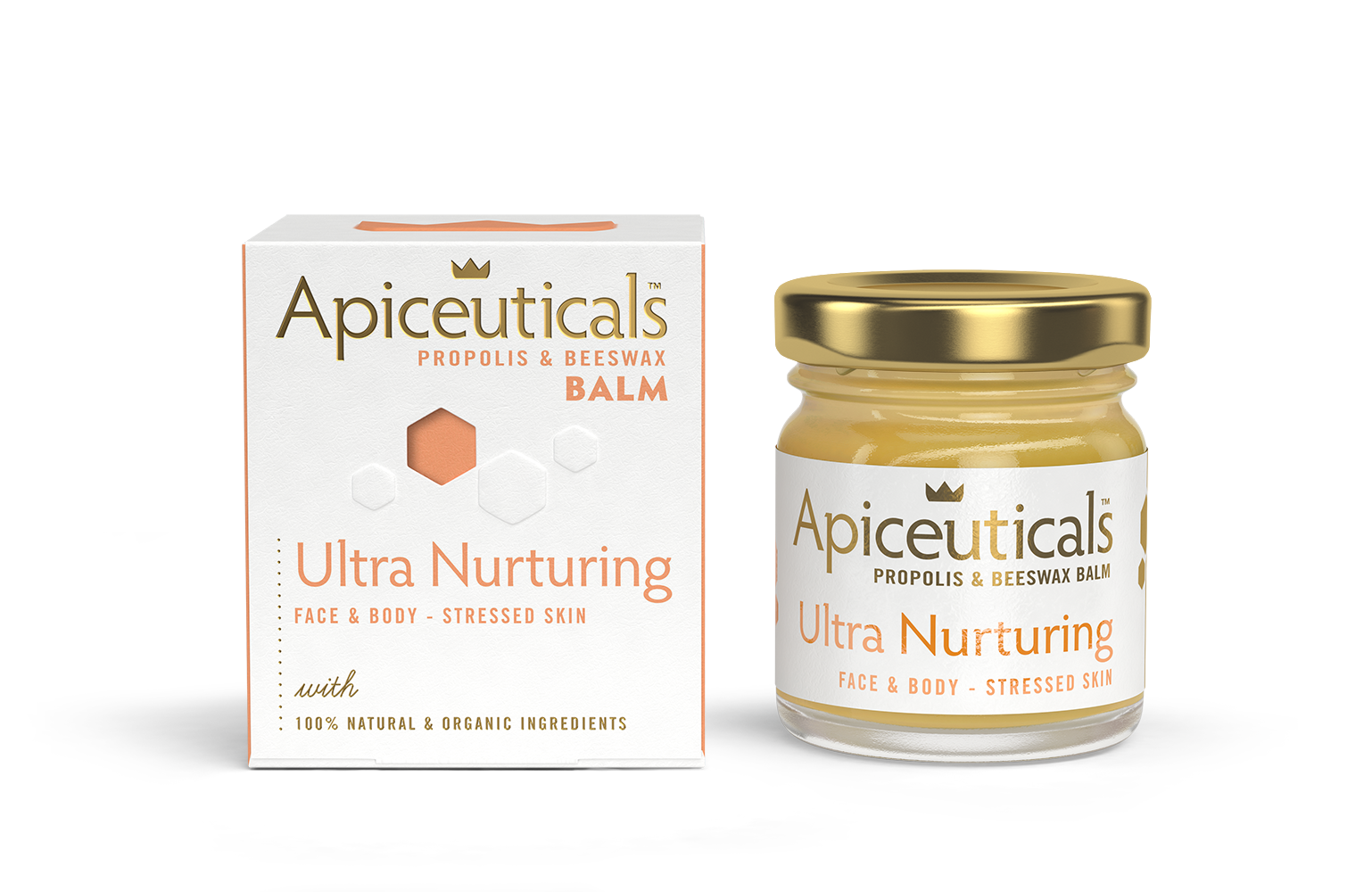
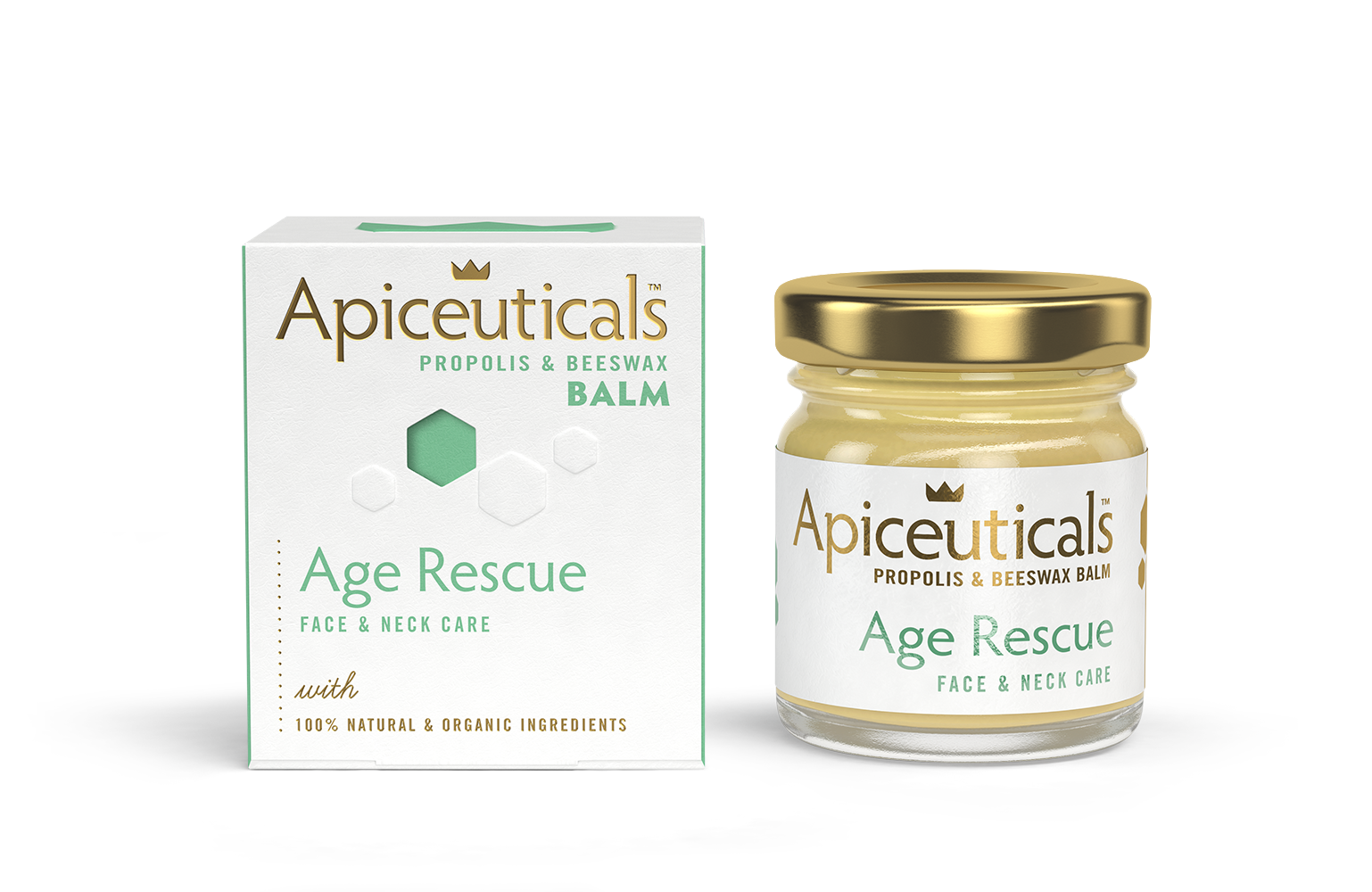
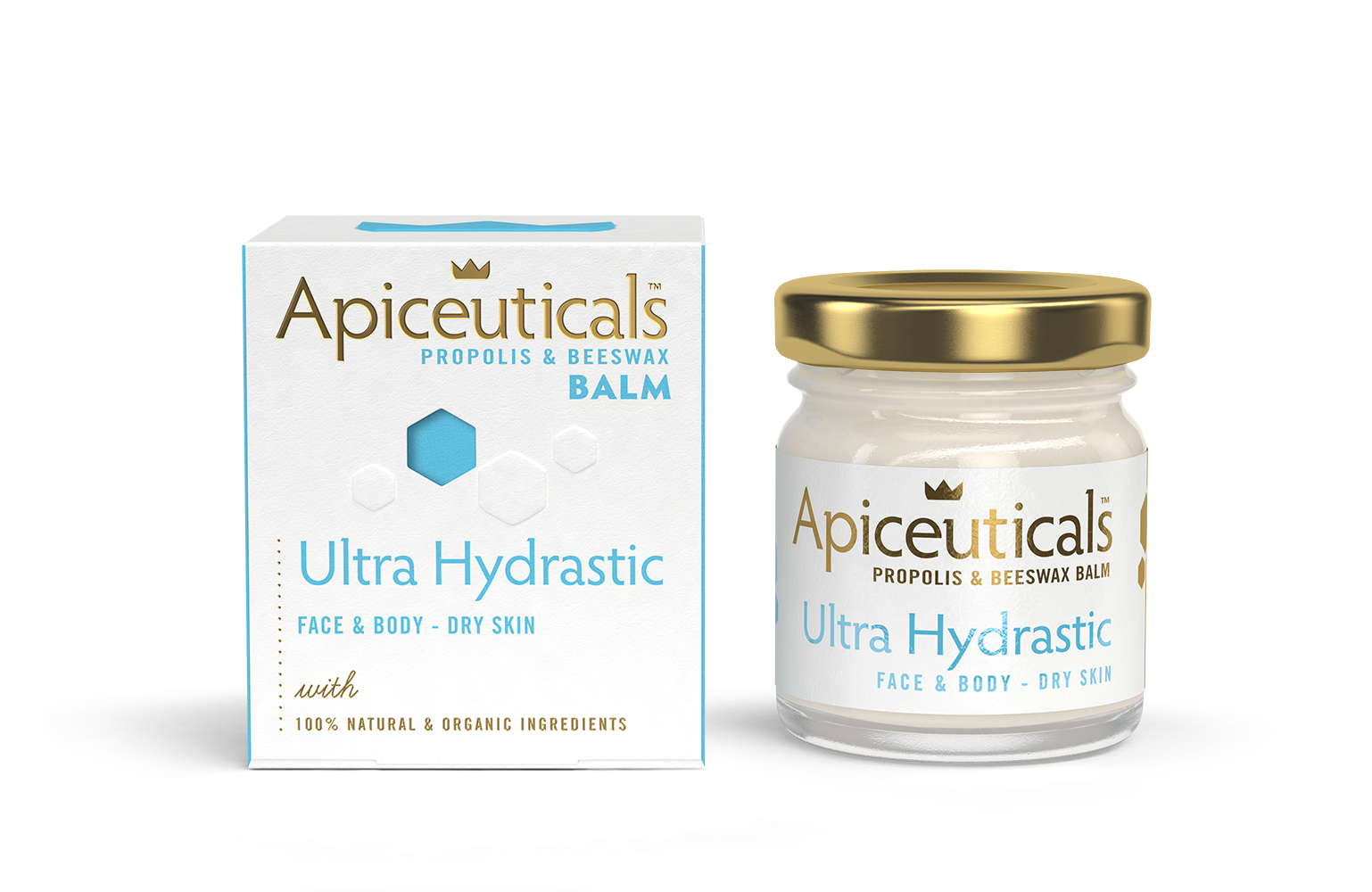
Apiceuticals’ Honey Balm™ Series was formulated with this population in mind. Dermatologically tested on sensitive skin with 0% irritation, it excludes over 2,000 potentially harmful ingredients and is free from SLS, SLES, parabens, silicones, and mineral oils. The waterless format concentrates active honey compounds without the dilution that water-based formulas introduce.
6. Antimicrobial scalp benefits and hair health support
The role of honey in skin health extends beyond the face to the scalp, which functions as a living ecosystem of sebaceous glands, hair follicles, and microbial populations. Honey’s antimicrobial compounds target Malassezia fungi, the primary driver of seborrheic dermatitis, scalp flaking, and dandruff. Studies report significant improvement with regular honey application, with no relapse observed during maintenance phases.
This positions honey as a meaningful ingredient in scalp care, not merely facial skincare. The same antibacterial and anti-inflammatory mechanisms that calm acne-prone facial skin also reduce the inflammatory response that causes scalp itching and flaking. Apiceuticals’ PROPOWAX™ Series applies this science to haircare, using the Living Honeycomb structure to deliver continuous antioxidant and antimicrobial support to the scalp environment.
7. Wound healing and skin repair acceleration
Honey accelerates wound healing through four distinct biological mechanisms: stimulation of collagen synthesis, promotion of angiogenesis (new blood vessel formation), facilitation of epithelial cell migration, and maintenance of optimal wound moisture. A Cochrane review confirms faster healing of burns, ulcers, and surgical wounds with honey compared to conventional treatments. This is medical-grade evidence, not cosmetic marketing.
For everyday skincare, this translates to faster recovery from breakouts, micro-abrasions, and post-procedure skin. The collagen synthesis stimulation is particularly relevant to anti-aging applications: honey does not merely protect existing collagen through antioxidant action, it actively supports the production of new collagen in damaged or stressed tissue. This dual mechanism, protection and repair, is what separates honey from most single-function skincare actives.
8. Choosing the right honey for skincare efficacy
Not all honey performs equally in skincare. Processing method is the most critical variable. Heating or pasteurization destroys glucose oxidase and other enzymes essential for antibacterial and antioxidant activity, along with heat-sensitive polyphenols. Raw, cold-processed honey retains full bioactivity. This is why Apiceuticals’ Gods’ Nectar honeys are triple-certified organic and harvested from Arcadian forests using methods that preserve enzymatic integrity.
Among honey varieties, Manuka honey occupies a distinct clinical category due to its MGO content. Where standard honey relies primarily on hydrogen peroxide for antibacterial action, Manuka honey’s methylglyoxal provides a non-peroxide antibacterial mechanism that remains active even in conditions where hydrogen peroxide is neutralized, such as on the skin surface. For acne-prone or reactive skin, this distinction is therapeutically significant.
For those who find raw honey impractical to apply, emulsified professional formulations offer the same bioactive compounds in a stable, non-sticky delivery format. This is precisely the approach behind honey-based skincare at Apiceuticals, where raw bee ingredients are formulated into clean, dermatologically tested products that retain full biological activity without the inconvenience of kitchen-counter application.
Key takeaways
Honey’s benefits in skincare are grounded in its unique combination of humectant sugars, antimicrobial enzymes, anti-inflammatory polyphenols, and mild AHA activity, making it one of the most scientifically supported multifunctional natural ingredients available.
| Point | Details |
|---|---|
| Hydration mechanism | Honey’s hygroscopic sugars draw and retain moisture, supporting the skin barrier when paired with ceramides or hyaluronic acid. |
| Antibacterial efficacy | Manuka honey’s MGO content matches topical antibiotics for mild-to-moderate acne in four-week clinical trials. |
| Antioxidant protection | Over 30 polyphenols neutralize free radicals from UV and pollution, preserving collagen and elastin over time. |
| Exfoliation and tone | Gluconic acid at 0.5 to 1% provides self-limiting AHA exfoliation suitable for sensitive skin with added tyrosinase inhibition. |
| Processing quality | Raw, cold-processed honey retains full enzymatic and antioxidant activity; heat destroys these critical compounds. |
Why honey deserves more scientific respect than it typically receives
From Apiceuticals’ perspective, the most underappreciated aspect of honey in skincare is not any single benefit but the biological coherence of its effects. Most skincare actives are designed to do one thing well. Retinol stimulates collagen. Niacinamide reduces pigmentation. Hyaluronic acid hydrates. Honey does all of these things simultaneously, through distinct but complementary biochemical pathways, at concentrations that are inherently self-limiting and therefore safe for sensitive skin.
What the research increasingly confirms is that honey’s multifunctionality is not a coincidence of chemistry. It is the result of evolutionary optimization. Honey exists in the hive as a preservation medium, an antimicrobial barrier, and a nutrient reservoir. When applied to skin, these same properties translate with remarkable fidelity. The skin, like the hive, benefits from an environment that is simultaneously hydrated, protected from microbial invasion, and defended against oxidative degradation.
The practical implication is that honey should not be treated as a single-step treatment but as a foundational layer in a well-constructed routine. Paired with a clinically validated antioxidant system like PROPOWAX™ Living Honeycomb, which provides continuous antioxidant release rather than a static dose, honey’s protective and reparative effects are amplified rather than duplicated. This is the direction that evidence-based natural skincare is moving in 2026: not away from single actives, but toward ingredient systems that work in biological concert.
— Apiceuticals
Discover Apiceuticals’ honey-based skincare science

Apiceuticals translates the science behind honey’s skin benefits into clinically tested, clean-beauty formulations rooted in Arcadia, Greece. The HONEY BALM™ Series delivers waterless facial care with clinically proven 26% wrinkle reduction, built on the same bioactive honey compounds this article examines. Every product is dermatologically tested on sensitive skin with 0% irritation and excludes over 2,000 potentially harmful ingredients. For a deeper understanding of how honey functions within Apiceuticals’ formulations, the honey ingredient page details the specific role each bee-derived compound plays in skin health. Those interested in the antioxidant science behind PROPOWAX™ Living Honeycomb can explore the full patented technology and its validation by the Aristotle University of Thessaloniki.
FAQ
What are the main benefits of honey in skincare?
Honey hydrates as a humectant, fights acne-causing bacteria through enzymatic and MGO-based mechanisms, neutralizes free radicals via polyphenols, and gently exfoliates through gluconic acid. These effects operate simultaneously, making honey one of the few ingredients that addresses multiple skin concerns in a single application.
Is Manuka honey better than regular honey for skin?
Manuka honey contains methylglyoxal, which provides a non-peroxide antibacterial mechanism that remains active on the skin surface where standard honey’s hydrogen peroxide is quickly neutralized. For acne-prone or inflamed skin, Manuka honey offers measurably superior antibacterial and anti-inflammatory effects.
How often should you use honey on your face?
Dermatologists recommend applying raw honey 2 to 3 times weekly for 15 to 20 minutes as a mask or spot treatment, following a patch test. Daily use is generally safe for most skin types but is not necessary to achieve clinical benefit.
Can honey replace medical treatment for eczema or acne?
Honey is a clinically supported complementary agent for eczema, psoriasis, and acne, but it does not replace prescribed medical treatments. It supports barrier repair and reduces inflammatory signals, making it a useful adjunct that can reduce flare frequency and severity alongside appropriate medical care.
Does processing affect honey’s skincare benefits?
Yes. Heating or pasteurization destroys glucose oxidase and heat-sensitive polyphenols that are responsible for honey’s antibacterial and antioxidant activity. Raw, cold-processed honey retains full bioactivity, which is why ingredient quality and sourcing are critical factors when selecting honey-based skincare products.
Recommended


Related posts

How bees and biodiversity sustain each other, what the science says about Greece and the Aegean, and how antioxidant beauty can start from a hive...

How organic propolis extraction works, from hive to extract: collection, solvents, EU organic rules, Greek propolis phenolics and what it means for skincare.

Build an anti pollution skincare routine that fits Greek city life: what pollution does to skin, the morning and evening steps, and the antioxidants with...

Honey moisture content explained: the EU and Greek limits, how to take a refractometer reading, what excess water does to honey, and why it matters...

How antioxidant activity measurement works: DPPH, ABTS, FRAP and ORAC explained, why results differ, and what a lab number can and cannot say about skin...