No products in the cart.
Return To Shop
Vegan Beauty Product Examples: Your 2026 Guide
TL;DR:
- Vegan beauty products contain no animal ingredients and are never tested on animals. The best formulations combine cruelty-free standards with clinically validated plant-based actives and high performance.
Vegan beauty products are defined as formulations that contain no animal-derived ingredients and are never tested on animals. The best vegan beauty product examples go further than that baseline. They combine cruelty-free standards with clinically validated plant-based actives, antioxidant complexes, and ingredient transparency that rivals pharmaceutical-grade skincare. Brands like Rituel de Fille, The Honest Company, MBC Cosmetics, and Apiceuticals demonstrate that vegan cosmetics can match, and in some cases exceed, the performance of conventional formulations. The science behind this shift is real, and the product options are more specific than most guides acknowledge.
1. What are the best vegan beauty product examples for skincare?
Effective vegan skincare is built on three pillars: clean formulation, clinical testing, and antioxidant potency. The Honest Icons Skincare Trio from The Honest Company is a well-documented example. It includes a gentle gel cleanser, a vitamin C radiance serum, and a hydrogel cream, all dermatologist-tested for sensitive skin. The formula features chamomile, calendula, hyaluronic acid, and vitamin C, covering both hydration and oxidative defense in a single routine.
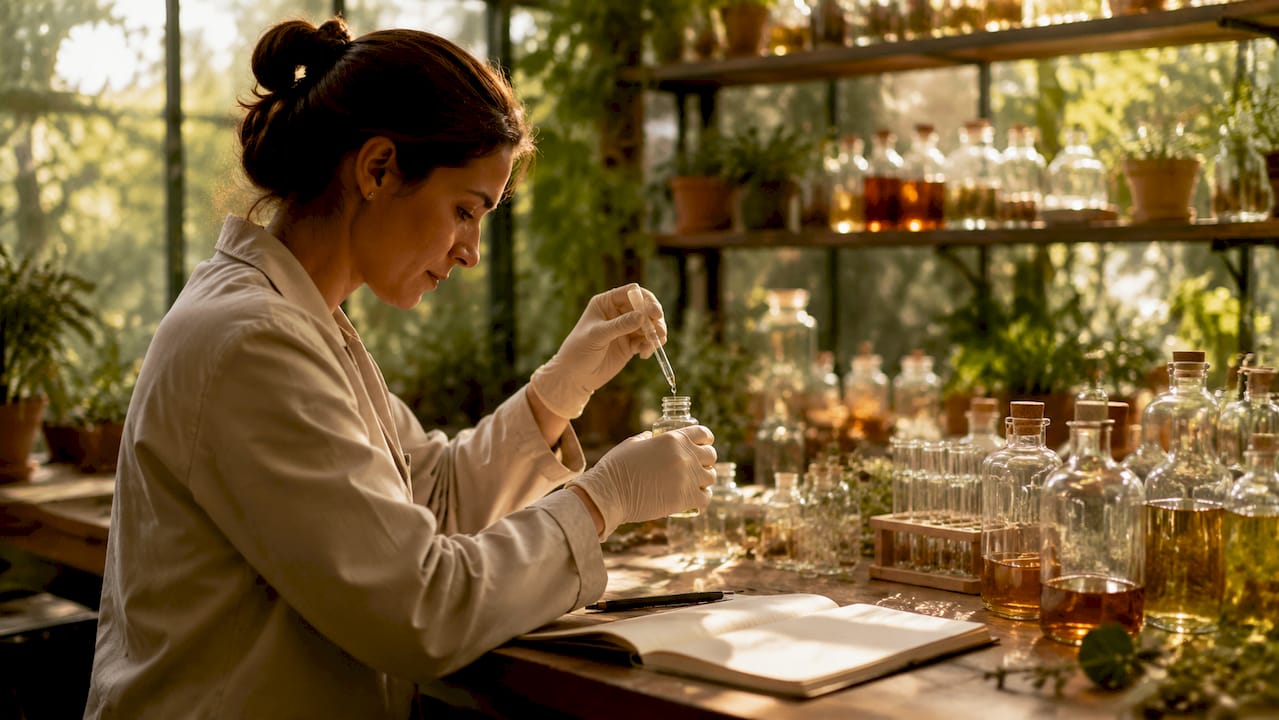
MBC Cosmetics takes a different approach. The brand excludes over 2,000 harmful ingredients including parabens, silicones, and sulfates, while formulating non-comedogenic and hypoallergenic products for people with reactive skin. That level of exclusion is not standard across the industry. It reflects a clinical philosophy that treats clean beauty as a measurable standard, not a marketing claim.
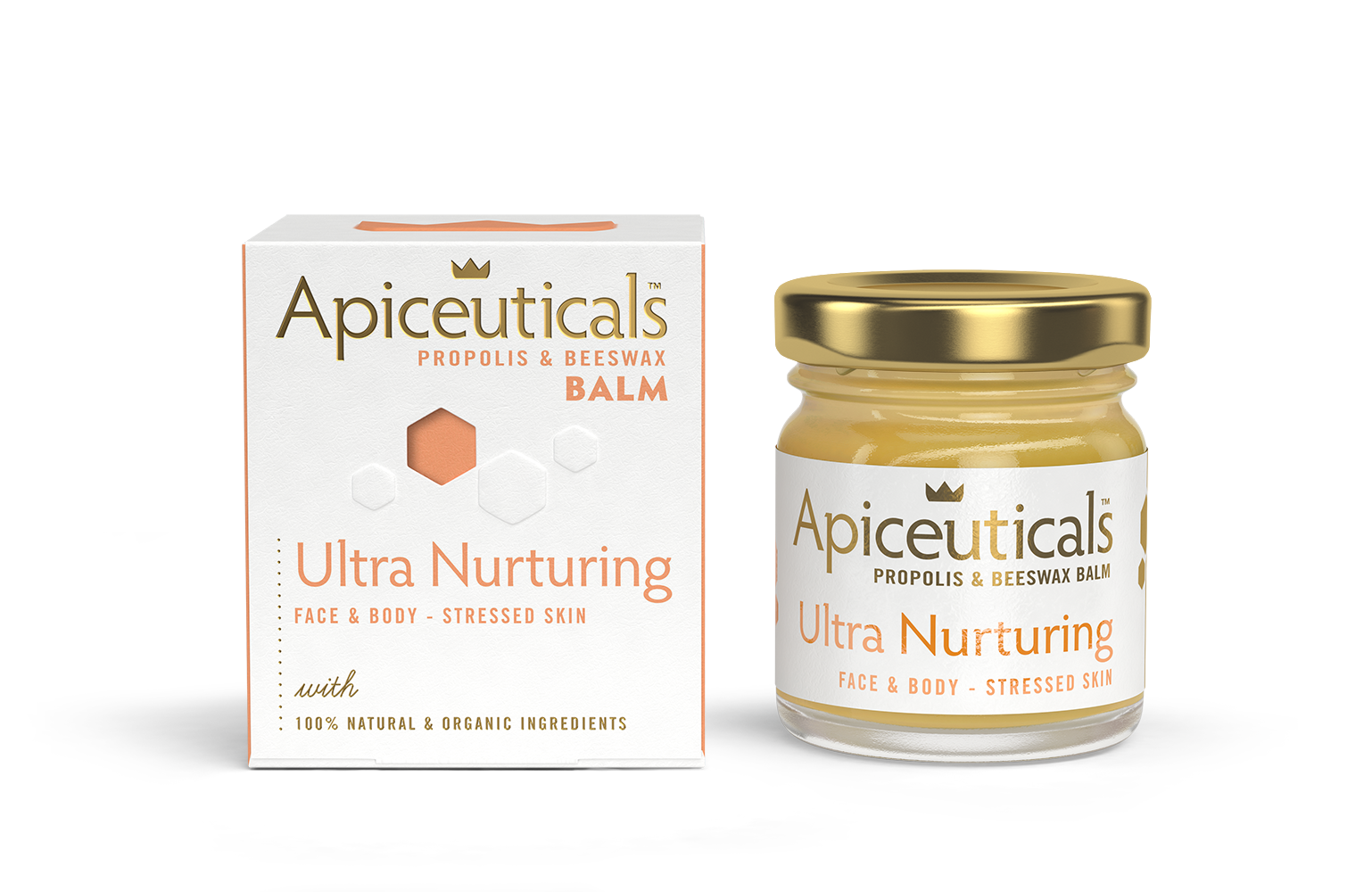
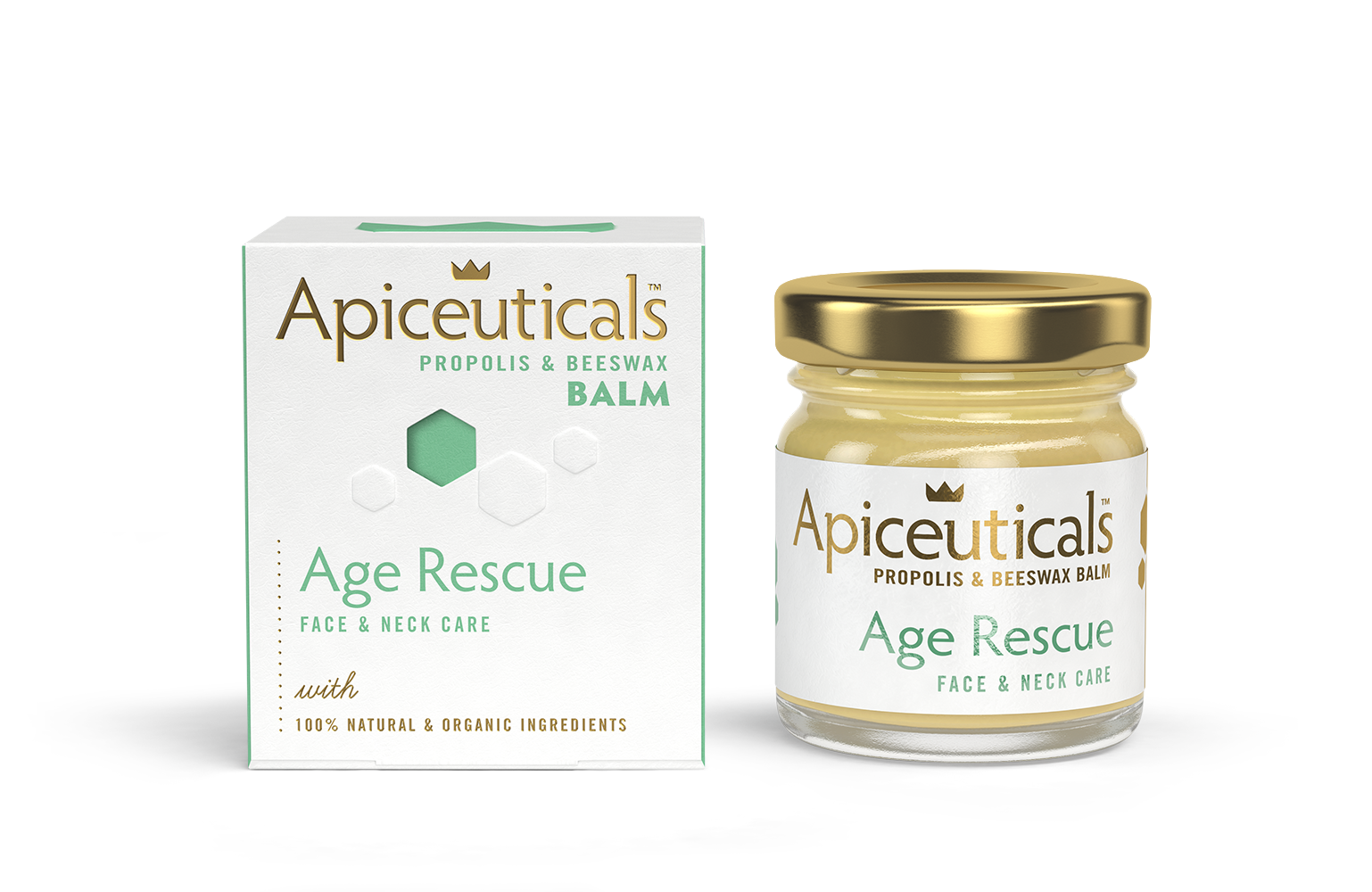
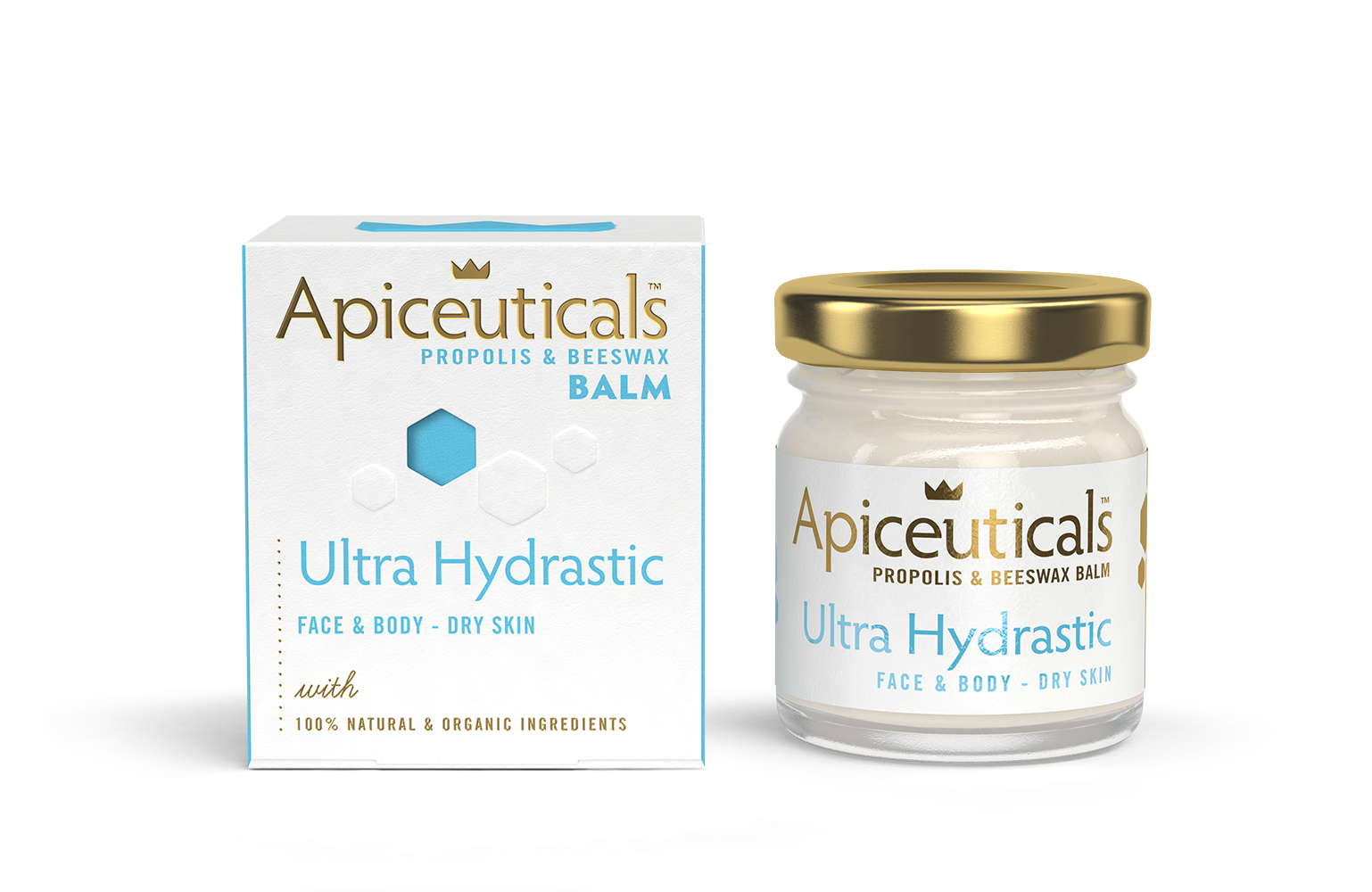
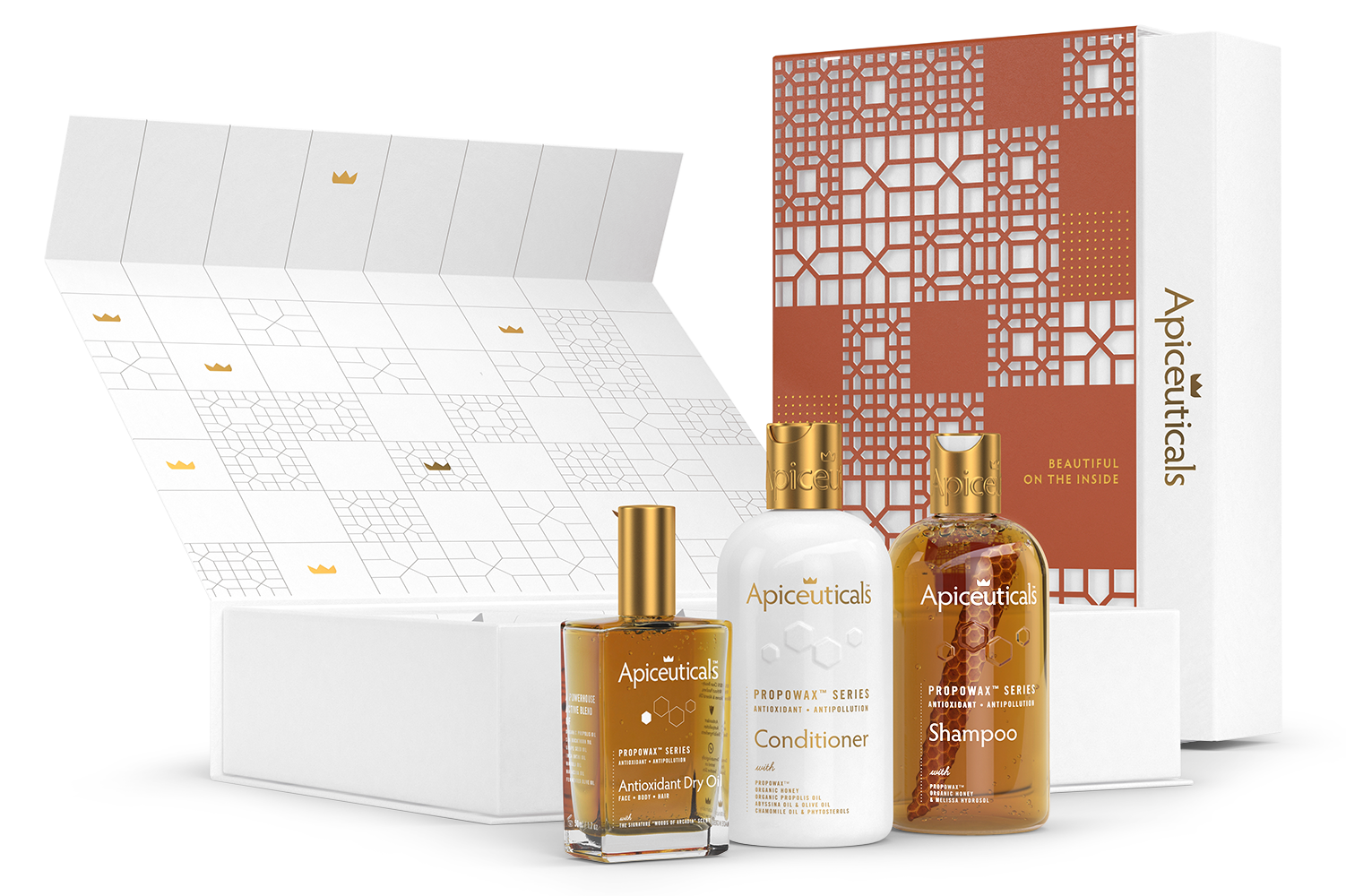
Apiceuticals’ HONEY BALM™ Series represents the antioxidant frontier in vegan facial care. The series is waterless, which means active concentrations are higher than in water-based alternatives. Clinical testing shows a 26% reduction in wrinkles. The PROPOWAX™ Living Honeycomb technology, validated by the Aristotle University of Thessaloniki and recognized by British Vogue as “arguably the global leader in antioxidant activity,” continuously releases antioxidants onto skin rather than delivering a single-dose application. That distinction matters because oxidative stress on skin is a continuous process, not a one-time event.
Pro Tip: When evaluating popular vegan skincare, look for products that list antioxidant actives by concentration, not just by name. A serum that lists vitamin C without specifying the percentage or form (ascorbic acid vs. ascorbyl glucoside) tells you very little about its actual efficacy.
2. Which vegan makeup products deliver professional performance?
Vegan cosmetics no longer sacrifice performance for ethics. Plant-based technologies now meet high-definition camera requirements and all-day wear standards, which is why professional makeup artists are adopting them at scale.
Rituel de Fille’s Levitation Lash Lifting + Lengthening Mascara is one of the most cited examples in this category. The formula is 95% natural origin, vegan, and Leaping Bunny certified cruelty-free. It uses argan and castor oils for conditioning, a bio-fiber brush for separation, and recycled packaging. The result is a mascara that lifts and lengthens without clumping, free from parabens and silicones.
MBC Cosmetics was founded by a celebrity makeup artist and builds its product line around professional demands. Key products include a mineral longwear foundation, a peptide lip tint, and a mascara, all formulated for HD cameras and extended wear. The brand’s use of peptides in a lip product is notable. Peptides are typically reserved for anti-aging serums. Incorporating them into color cosmetics reflects a convergence of skincare science and makeup formulation that defines the best vegan cosmetics available now.
“Vegan beauty no longer sacrifices performance. Plant-based technologies now match high-definition camera requirements and all-day wear.” — The Guardian, 2026
Multi-use products are a defining feature of high-performance vegan makeup. A single product that functions as both a blush and a lip tint reduces packaging, simplifies routines, and concentrates ingredient quality into fewer items. This is not a compromise. It is a more disciplined approach to formulation.
3. How does sustainable packaging shape vegan beauty choices?
Packaging is the second ingredient list. What a product is contained in affects its environmental footprint as much as what is inside it. River Organics builds its entire product line around plastic-free, zero-waste packaging, using vegan makeup sticks for blush, lip tint, and brow products formulated with organic jojoba and plum extracts. The stick format eliminates the need for plastic tubes, pumps, and secondary packaging entirely.
Multi-functional stick products reduce the total number of items a person carries, which directly reduces packaging waste. This is not an abstract environmental benefit. Fewer products mean fewer production cycles, fewer shipping materials, and fewer end-of-life disposal decisions. For people building a mindful beauty routine, the packaging decision is inseparable from the formulation decision.
Certifications provide a verification layer that packaging claims alone cannot. Leaping Bunny certification, vegan society approval, and third-party cruelty-free verification each address a different part of the supply chain. Transparent manufacturing is emerging as the decisive factor for consumers choosing between otherwise comparable vegan brands. A brand that publishes its supplier list and testing protocols earns a different level of trust than one that simply prints “vegan” on the label.
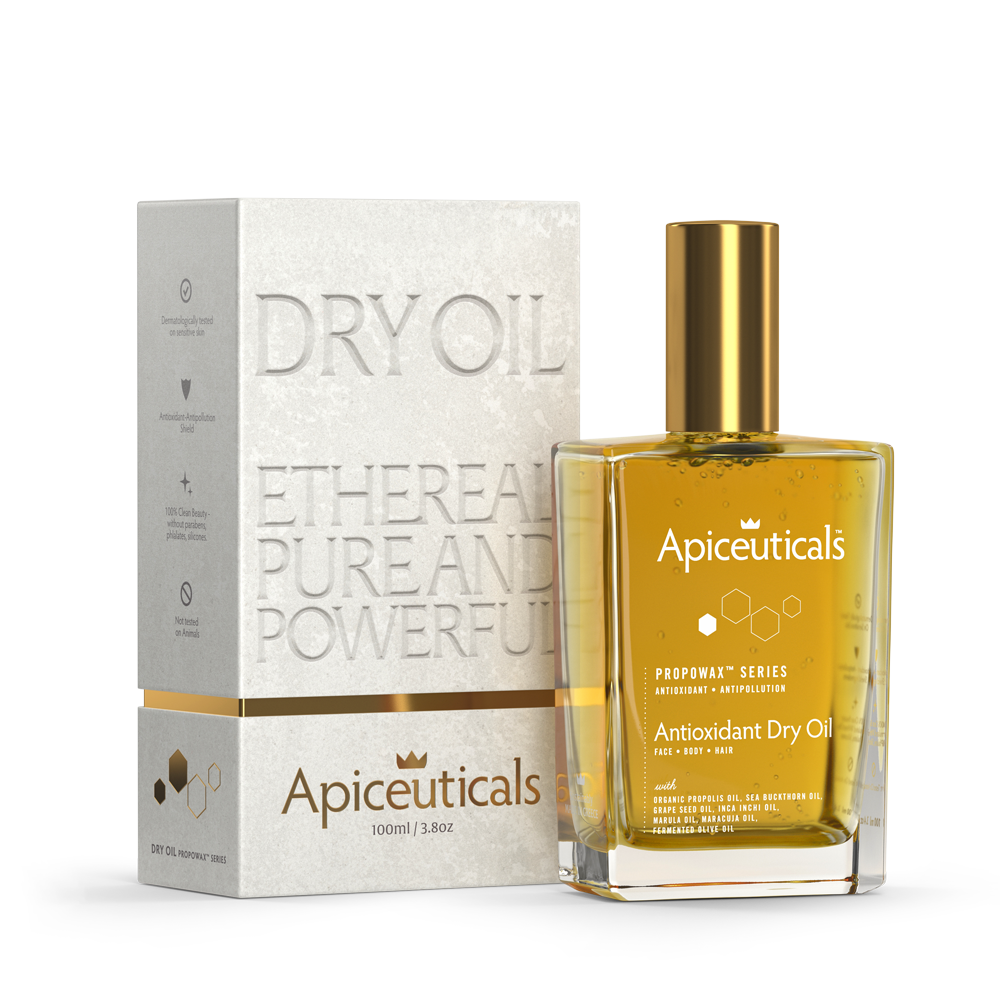
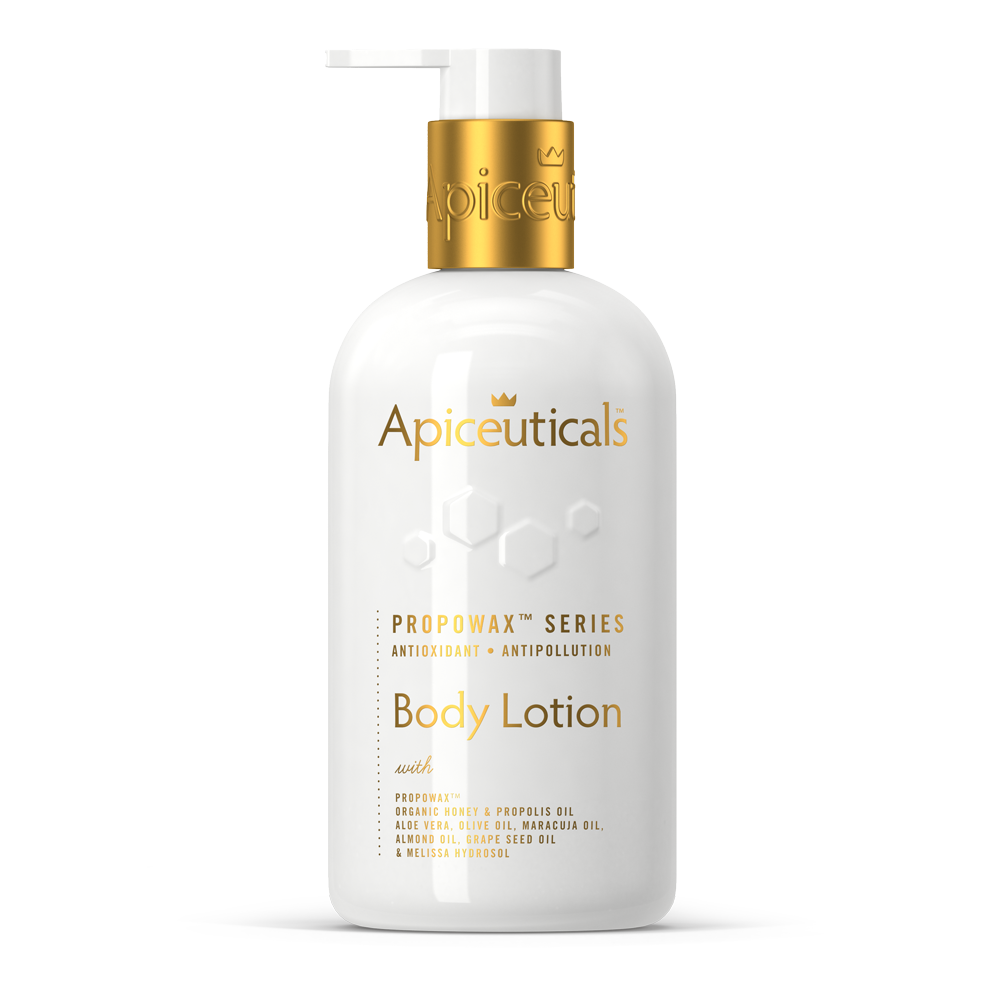
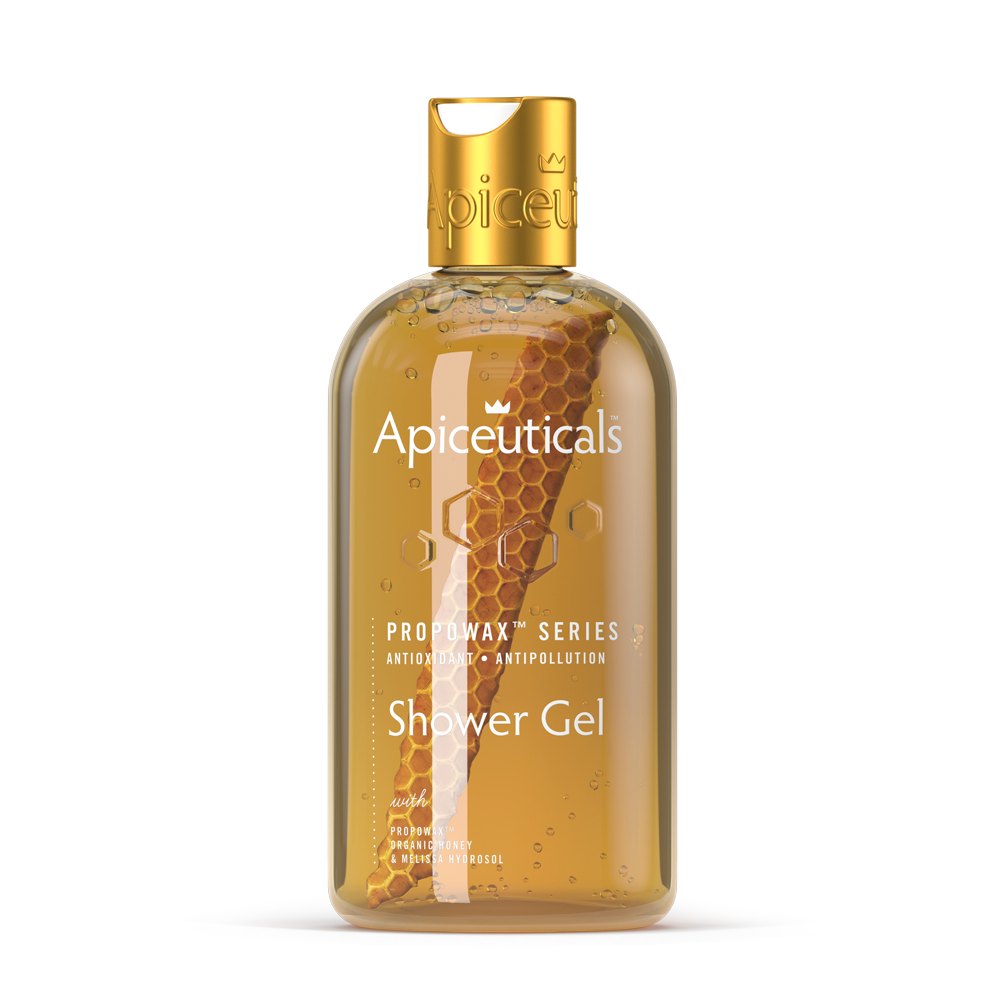
Apiceuticals addresses sustainability at the source. Over 1,000 beehives in Arcadia, Greece, pollinate 4 billion flowers daily. Only 60% of bee production is harvested, leaving 40% for the bees. The PROPOWAX™ Living Honeycomb technology holds a global patent for the highest antioxidant activity in cosmetics, which means the environmental investment in ethical sourcing translates directly into measurable product efficacy.
Pro Tip: Before purchasing a vegan beauty product, check whether the brand publishes a full ingredient supplier list or third-party audit. Certification logos on packaging are a starting point, not a complete answer.
4. How to select vegan beauty product examples for your skin type
Selecting the right plant-based beauty products requires ingredient literacy, not just label reading. The most common hidden animal derivatives in cosmetics are carmine (red pigment from insects), lanolin (wool grease), and beeswax. Vegan alternatives exist for all three. Carnauba wax replaces beeswax in lip and mascara formulas. Synthetic pigments replace carmine in color cosmetics. Ingredient vigilance is what separates a genuinely vegan selection from one that simply avoids the most visible animal products.
The table below compares key selection criteria across different skin concerns.
| Skin concern | Key ingredient to prioritize | Example product type | What to avoid |
|---|---|---|---|
| Sensitive or reactive skin | Chamomile, calendula, hyaluronic acid | Dermatologist-tested gel cleanser | Synthetic fragrance, sulfates |
| Oxidative aging | High-potency antioxidants, PROPOWAX™ | Waterless facial balm or serum | Mineral oils, silicones |
| Acne-prone or oily skin | Non-comedogenic plant oils, peptides | Mineral foundation, lightweight tint | Beeswax, heavy waxes |
| Dry or dehydrated skin | Hyaluronic acid, argan oil, castor oil | Hydrogel cream, conditioning mascara | Alcohol-heavy formulas |
| Environmentally conscious | Certified organic, plastic-free packaging | Multi-use stick products | Single-use plastic packaging |
Starting with multi-use products is the most practical entry point for people new to cruelty-free skincare. A single product that covers two or three functions reduces the number of ingredient labels to read, the number of packaging decisions to make, and the overall cost of transitioning. Multi-use vegan products reduce routine complexity and environmental impact simultaneously. That is a compounding benefit, not a minor convenience.
Antioxidant potency deserves specific attention when selecting vegan skincare. Not all antioxidants are equal in stability or delivery. Vitamin C degrades rapidly in water-based formulas. PROPOWAX™ Living Honeycomb, by contrast, uses a continuous-release mechanism that maintains antioxidant activity over time. The Aristotle University of Thessaloniki validated this mechanism independently. For people serious about antioxidant skin protection, the delivery system matters as much as the active ingredient itself.
Key Takeaways
The most effective vegan beauty product examples combine clinical ingredient validation, cruelty-free certification, and sustainable packaging into a single, coherent formulation standard.
| Point | Details |
|---|---|
| Ingredient literacy is non-negotiable | Check for carmine, lanolin, and beeswax; replace with carnauba wax and synthetic pigments. |
| Antioxidant delivery determines efficacy | Continuous-release systems like PROPOWAX™ outperform single-dose vitamin C in water-based formulas. |
| Multi-use products reduce impact | One product serving two functions cuts packaging waste and simplifies the transition to vegan beauty. |
| Certification verifies claims | Leaping Bunny and vegan society approval address different supply chain stages; look for both. |
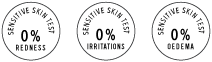
| Clinical testing separates science from marketing | Dermatologist-tested, 0% irritation results are measurable; “natural” on a label is not. |
Apiceuticals’ perspective on building a vegan routine that actually works
The vegan beauty conversation often stalls at ethics and misses the science entirely. From where Apiceuticals stands, having formulated with organic bee-derived actives since the Roumeliotis family began sustainable beekeeping in Arcadia in 1981, the most important shift in this category is not the removal of animal ingredients. It is the replacement of those ingredients with plant-based and bio-derived actives that are clinically superior.
Beeswax, for example, is a functional ingredient in many conventional cosmetics. Removing it without replacing its film-forming and emollient properties produces an inferior product. The best plant-based beauty brands solve this problem with carnauba wax, plant-derived ceramides, and complex oil blends. The brands that do not solve it produce vegan products that feel thin, unstable, or short-lived on skin.
The antioxidant dimension is where Apiceuticals sees the largest gap in the current market. Most vegan skincare addresses hydration and barrier repair well. Oxidative stress protection is handled inconsistently. Free radicals damage skin the way rust corrodes metal: slowly, continuously, and invisibly until the damage becomes visible. A vegan formulation that does not address this process is incomplete, regardless of how clean its ingredient list is.
The PROPOWAX™ Living Honeycomb technology was developed specifically to close that gap. It holds a global patent for the highest antioxidant activity in cosmetics. The mechanism is continuous release, not single application. That distinction is what makes it a genuine scientific reference point in the antioxidant beauty category, not simply a marketing differentiator.
For anyone building a vegan routine from scratch, the recommendation is to start with the antioxidant layer first. Hydration products are abundant and well-formulated across the market. Clinically validated antioxidant protection in a vegan, cruelty-free format is still rare. That is where the selection decision deserves the most attention.
— Apiceuticals
Apiceuticals’ antioxidant-first approach to vegan skincare
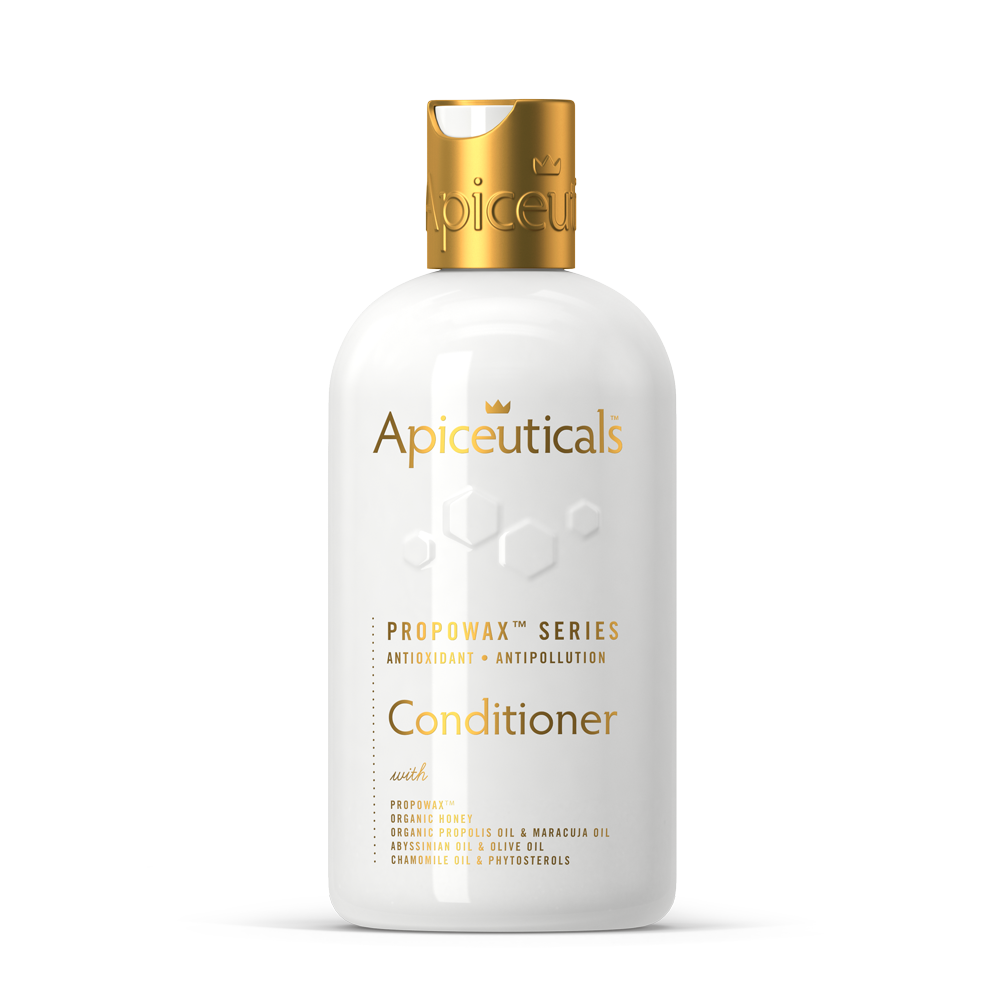
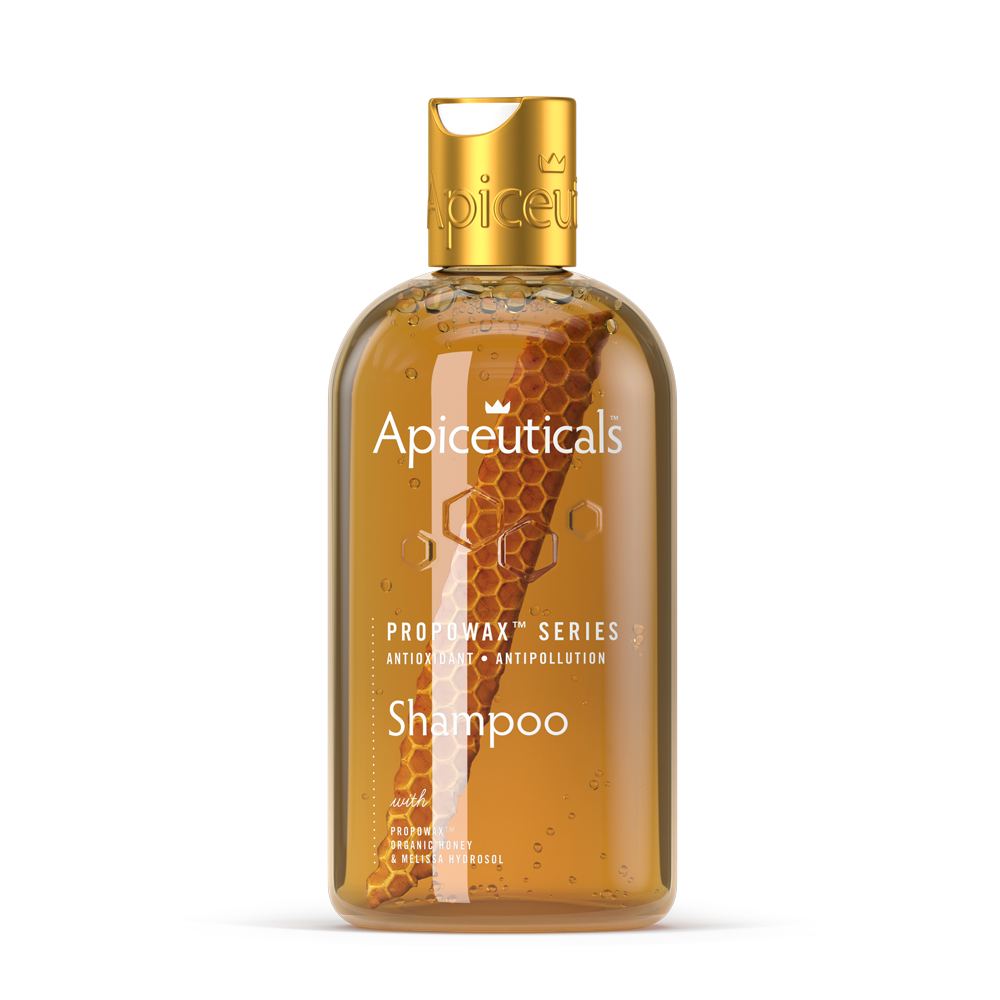
Apiceuticals formulates every product around one principle: antioxidant protection delivered continuously, not intermittently. The PROPOWAX™ Living Honeycomb technology, validated by the Aristotle University of Thessaloniki and recognized by British Vogue, holds a global patent for the highest antioxidant activity in cosmetics. Every formula excludes over 2,000 potentially harmful ingredients and is dermatologically tested on sensitive skin with 0% irritation.

The HONEY BALM™ Series delivers clinically proven 26% wrinkle reduction through a waterless facial care system that concentrates actives without dilution. The PROPOWAX™ Series extends that antioxidant protection to hair, scalp, and body. All bee ingredients are ethically harvested from over 1,000 beehives in Arcadia, Greece, with 40% of production always left for the bees. For people who want antioxidant-rich vegan skincare that meets both clinical and ethical standards, Apiceuticals offers a formulation standard that is independently verified, not self-declared.
FAQ
What makes a beauty product genuinely vegan?
A genuinely vegan beauty product contains no animal-derived ingredients and is not tested on animals at any stage of production. Common hidden animal derivatives include carmine, lanolin, and beeswax, which must be replaced with plant-based or synthetic alternatives.
Are vegan beauty products effective for sensitive skin?
Yes. Brands like The Honest Company and MBC Cosmetics formulate cruelty-free skincare products that are dermatologist-tested and hypoallergenic, specifically excluding the sulfates, parabens, and silicones most likely to trigger reactions in sensitive skin.
How do I know if a vegan beauty brand is trustworthy?
Look for third-party certifications such as Leaping Bunny or Vegan Society approval, and check whether the brand publishes transparent manufacturing and sourcing information. Transparent manufacturing is now the decisive factor separating credible vegan brands from those using the label as a marketing tool.
What is PROPOWAX™ Living Honeycomb and is it vegan?
PROPOWAX™ Living Honeycomb is a patented technology developed by Apiceuticals that continuously releases antioxidants onto skin, scalp, and hair. It is derived from ethically harvested organic bee ingredients, with 40% of production always left for the bees, and is formulated to meet clean beauty standards with 0% irritation in dermatological testing.
Do vegan makeup products perform as well as conventional ones?
Plant-based formulations now meet professional performance standards. Rituel de Fille’s Levitation Lash Mascara uses a 95% natural formula that lifts and lengthens without clumping, and MBC Cosmetics formulates mineral foundations and peptide tints specifically for HD cameras and all-day wear.
Recommended


Related posts

How bees and biodiversity sustain each other, what the science says about Greece and the Aegean, and how antioxidant beauty can start from a hive...

How organic propolis extraction works, from hive to extract: collection, solvents, EU organic rules, Greek propolis phenolics and what it means for skincare.

Build an anti pollution skincare routine that fits Greek city life: what pollution does to skin, the morning and evening steps, and the antioxidants with...

Honey moisture content explained: the EU and Greek limits, how to take a refractometer reading, what excess water does to honey, and why it matters...

How antioxidant activity measurement works: DPPH, ABTS, FRAP and ORAC explained, why results differ, and what a lab number can and cannot say about skin...