No products in the cart.
Return To Shop
Antioxidant Wins From Low Water Activity: Waterless Moisturizer Benefits
Waterless moisturizer benefits come down to three verified mechanisms: higher concentrations of oil-soluble actives, a lower need for antimicrobial preservatives because of reduced water activity, and durable occlusion that supports the skin barrier. The trade-offs are real, too. Anhydrous formulas oxidize more easily than their water-based counterparts, and they cannot deliver certain water-soluble ingredients on their own. Water activity, often written as aw, is the technical hinge on which most of this turns, and it’s the same principle behind why a formula like PROPOWAX™ can favor stability without leaning on heavy preservative loads.
TL;DR:
- Waterless moisturizers provide concentrated oil-soluble actives and form occlusive barriers that reduce water loss and support skin health.
- These formulas have low water activity, which minimizes microbial growth and reduces the need for preservatives, but increases oxidation risk for oils and butters.
- They are especially beneficial for sensitive, dry, and mature skin, but require caution and patch testing for oily or acne-prone skin due to potential comedogenic oils.
- Waterless products are more environmentally friendly by reducing packaging weight and waste, and are effective when used as the final layer over water-based serums.
- Products like the HONEY BALM™ Series utilize proprietary technology to deliver antioxidants safely and effectively without relying on water, suitable for users seeking concentrated skincare.
Table of Contents
- What “Waterless” Actually Means in a Moisturizer
- Core Benefits: Potency, Active Delivery, and Barrier Support
- Who Actually Benefits From a Waterless Face Moisturizer
- Preservation, Shelf Life, and the Oxidation Trade-Off
- The Environmental Case for Skipping Water
- How to Use and Switch to a Waterless Moisturizer
- The Evidence Behind Apiceuticals’ Waterless Antioxidant Balms
- Where Waterless Fits in an Antioxidant Routine
- An Anhydrous Option Worth Considering: HONEY BALM™ Series
- Sources
- FAQ
What “Waterless” Actually Means in a Moisturizer
An anhydrous formula skips water entirely, building its texture instead from oils, waxes, butters, and sometimes powders. Shea butter, jojoba oil, beeswax, and squalane are common bases, each chosen for how it melts, spreads, or sets on skin.
Water usually does three jobs in a conventional cream: it dissolves water-soluble ingredients, thins the texture so a formula spreads easily, and carries humectants like glycerin or hyaluronic acid deeper into the surface layers. Strip the water out, and you lose that solvent and that vehicle, but you gain something formulators care about intensely: control over water activity.
Water activity measures how much of the water in a product is actually available for microbes to use, not simply how much water is present. A formula can contain some moisture and still have low aw if that moisture is bound tightly to other ingredients. Research on water activity reduction in emulsions shows that pushing aw down suppresses microbial growth, which is exactly why anhydrous systems, sitting at or near zero water activity, often need far fewer antimicrobial preservatives than their water-heavy counterparts.

Core Benefits: Potency, Active Delivery, and Barrier Support
Conventional moisturizers typically run 60% to 80% water by weight, according to reporting on waterless skincare formulation. That means, in a standard jar cream, roughly two out of every three grams you apply is water doing very little for your skin barrier. Remove it, and the remaining ingredients, the oils, antioxidants, and emollients, occupy a much larger share of the formula. You are applying more of what matters per pump or per scoop.

That concentration effect matters most for oil-soluble actives. Vitamin E, many carotenoids, ceramides, and most plant-derived antioxidants dissolve readily into a lipid base and stay stable there. A waterless face balm can carry these ingredients at meaningful concentrations without diluting them into an emulsion that’s mostly water and thickener.
Lipid bases also do something aqueous creams struggle to match: they form an occlusive film. That film slows transepidermal water loss, or TEWL, which is the clinical term for water evaporating out through the skin’s surface. A study on water activity and humectants found that formulations engineered to lower water activity actually reduced TEWL and increased stratum corneum hydration in controlled testing, evidence that the barrier benefits of low-water formulas are measurable, not just anecdotal.
That said, waterless is not a universal upgrade. Certain clinically validated actives, some vitamin C derivatives among them, require an aqueous phase to perform as intended. A few practical distinctions:
- Favors waterless delivery: vitamin E, tocopherols, plant sterols, most ceramides, fat-soluble antioxidant complexes.
- Requires an aqueous phase: L-ascorbic acid, hyaluronic acid at full molecular weight, many peptide complexes.
- Works in either system, with trade-offs: niacinamide, certain polyphenols, depending on stabilization method.
The honest takeaway: waterless moisturizers excel at potency and barrier support for a specific class of ingredients. They are a tool, not a replacement for every step in a routine.
Who Actually Benefits From a Waterless Face Moisturizer
Sensitive and reactive skin types tend to see the clearest advantage. Because low water activity reduces the need for antimicrobial preservatives, waterless formulas often carry a shorter, calmer ingredient list, which matters for skin that reacts to fragrance carriers or preservative systems used to stabilize water-based emulsions. Reporting on waterless beauty for sensitive and aging skin points to this exact pattern.
Dry and mature skin also respond well, largely because occlusive lipids address the two things that skin loses with age and dryness: barrier lipids and moisture retention. A richer balm can outperform a thin lotion when the goal is overnight recovery or defense against a cold, dry climate.
Acne-prone skin needs more caution. Not every plant oil behaves the same way on oily or blemish-prone skin, and comedogenicity varies widely by ingredient.
- Look for lighter, non-comedogenic oils such as squalane, jojoba, or grapeseed rather than heavy coconut-derived bases.
- Patch test on the jawline for a few days before applying to the full face.
- Start with a thinner layer than you’d use on dry skin, since waterless formulas are more concentrated by design.
Pro Tip: If your skin flushes or stings with most water-based creams, that reaction is often tied to the preservative or emulsifier system, not the active ingredients themselves. A waterless formula strips out that variable, which is why it’s worth testing before assuming your skin simply “doesn’t like moisturizer.”
For more on calming reactive skin without stripping the barrier, see this breakdown of science-backed strategies for sensitive skin.
Preservation, Shelf Life, and the Oxidation Trade-Off
Waterless formulas trade one risk for another. Microbial risk drops because there’s little available water for bacteria or mold to use, but oxidative risk rises because oils and butters degrade when exposed to air, light, and heat. Rancid oil doesn’t just smell off; it loses efficacy and can irritate skin.
Formulation science on preservation-free claims is clear that “preservative-free” doesn’t mean stabilizer-free. Anhydrous products still need antioxidant protection, typically tocopherols or rosemary extract, to slow oxidation. When shopping, look for three signals: a named antioxidant stabilizer in the ingredient list, opaque or airless packaging that limits light and air exposure, and a visible batch code that lets you track freshness. Store any waterless balm away from direct sunlight and bathroom humidity, and it should hold its stability well within its stated shelf life.
The Environmental Case for Skipping Water
Water is the heaviest ingredient in most creams, and shipping heavy products costs more in fuel and packaging. Removing it lets a 50-gram balm do the work of a much larger jar of diluted lotion, which translates into lighter shipments and smaller packaging, a real reduction in transport emissions per unit of active ingredient.
There’s a use-side benefit too. Because waterless balms are concentrated, a pea-sized amount typically covers the face, which stretches product life and cuts down on packaging waste per year of use. None of this is automatic, though. Stabilizer sourcing and container recyclability still matter, so refillable systems and concentrated formats generally deliver the strongest environmental return over a jar that’s mostly filler.
How to Use and Switch to a Waterless Moisturizer
Anhydrous balms reward patience in the application, not the ingredient list.
- Scoop a small, pea-sized amount and warm it between your fingertips until it turns from solid to a light film.
- Press it into slightly damp skin, or apply it directly over a water-based serum if you’re using one for hyaluronic acid or vitamin C.
- Use it once daily to start, typically at night, and adjust to twice daily in colder or drier months.
- Patch test on your inner arm for 48 hours before your first full-face application.
- In summer or humid climates, use a thinner layer; in winter or dry indoor heat, layer more generously for barrier support.
If you’re combining waterless and aqueous products, apply water-based serums first so their actives can absorb before you seal everything in with the balm. For more on how balm textures interact with skin repair, this guide on how balms support skin repair covers the mechanism in more depth.
The Evidence Behind Apiceuticals’ Waterless Antioxidant Balms
Apiceuticals built its HONEY BALM™ Series as an anhydrous format specifically to take advantage of what waterless skincare does well: concentrated antioxidant delivery without a preservative-heavy base. The formulas rely on PROPOWAX™, a patented Living Honeycomb structure that continuously releases antioxidants onto skin. The technology holds a global patent for the highest antioxidant activity in cosmetics, independently validated by researchers at the Aristotle University of Thessaloniki.
- The HONEY BALM™ Series is reported to reduce wrinkles in clinical testing.
- Dermatological testing has been conducted on sensitive skin to assess irritation.
- Full technical detail on the patent and validation is available on the PROPOWAX™ technology page.
Where Waterless Fits in an Antioxidant Routine
Waterless balms aren’t a replacement for every step in a routine, they’re the occlusive, antioxidant-delivering layer that seals in what came before. A reasonable rule: use aqueous serums for water-soluble actives like vitamin C or hyaluronic acid, then finish with a waterless balm for barrier support and lipid-based antioxidants. What matters most, beyond the format, is whether a brand discloses what’s actually stabilizing the formula against oxidation. Transparency there tells you more than any marketing claim.
— Apiceuticals
An Anhydrous Option Worth Considering: HONEY BALM™ Series
If the formulation science above has you curious about trying a waterless format, the HONEY BALM™ Series gives you a direct entry point, built around PROPOWAX™ Living Honeycomb rather than a generic oil-and-wax base.

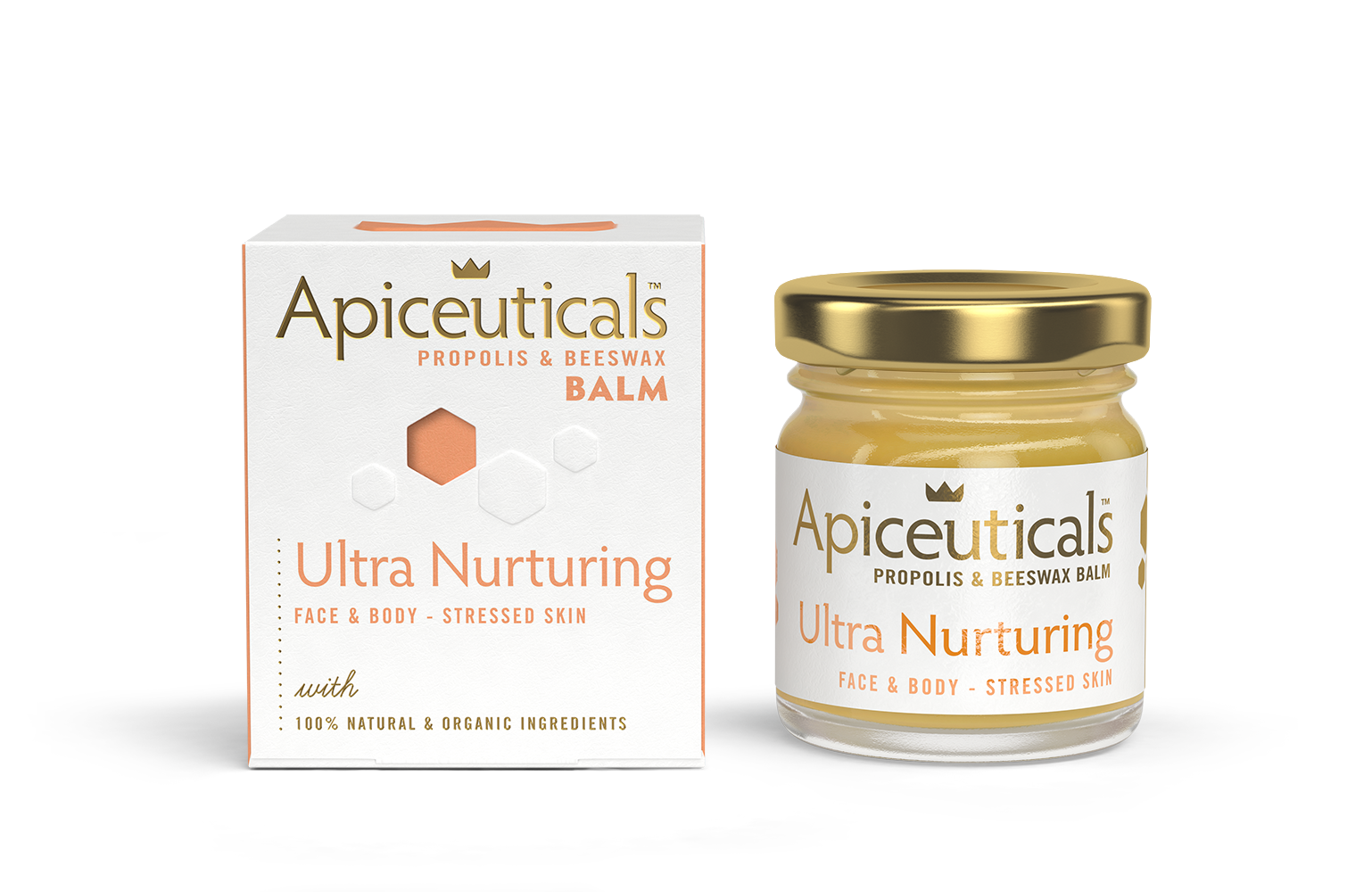
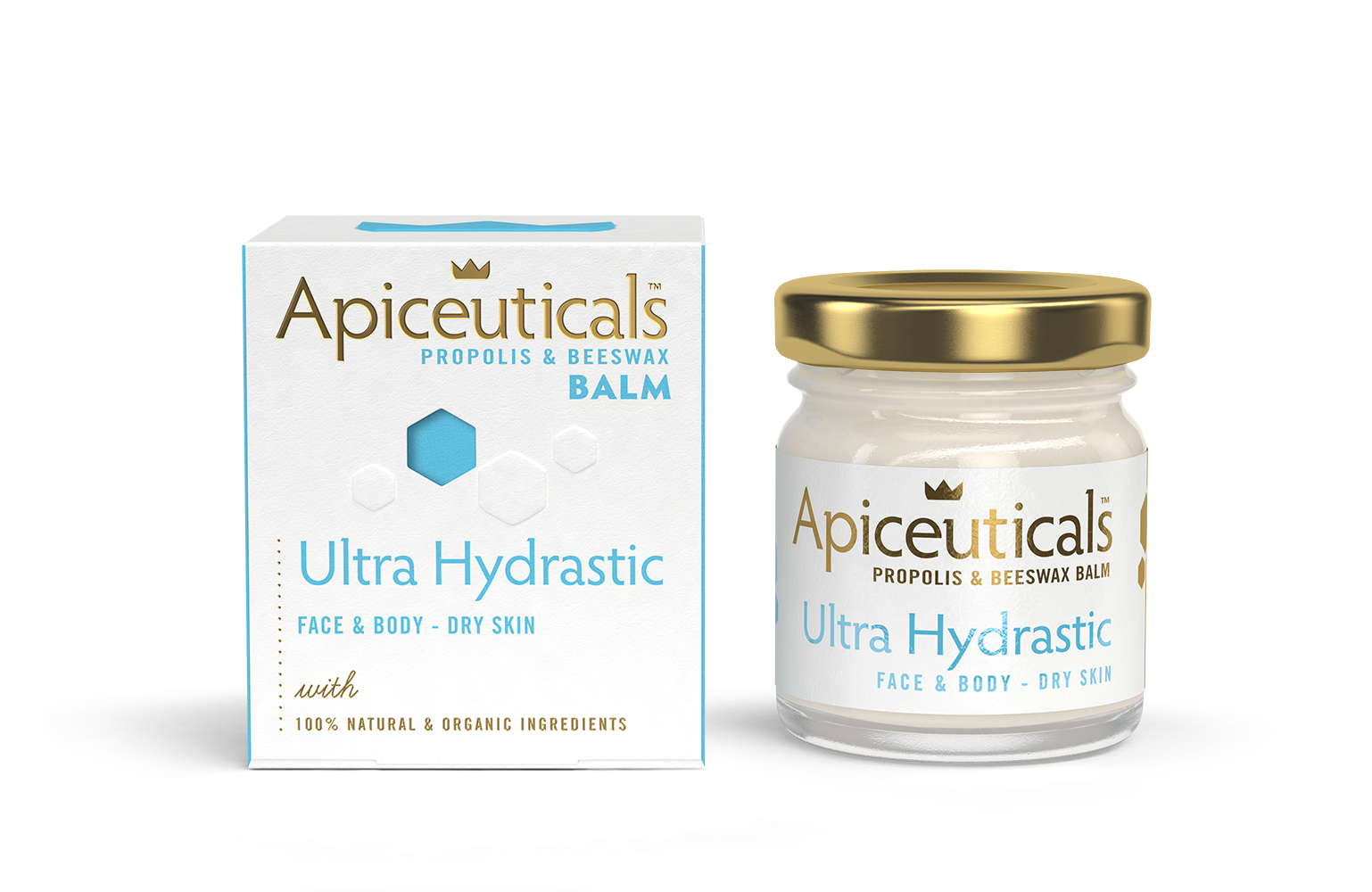
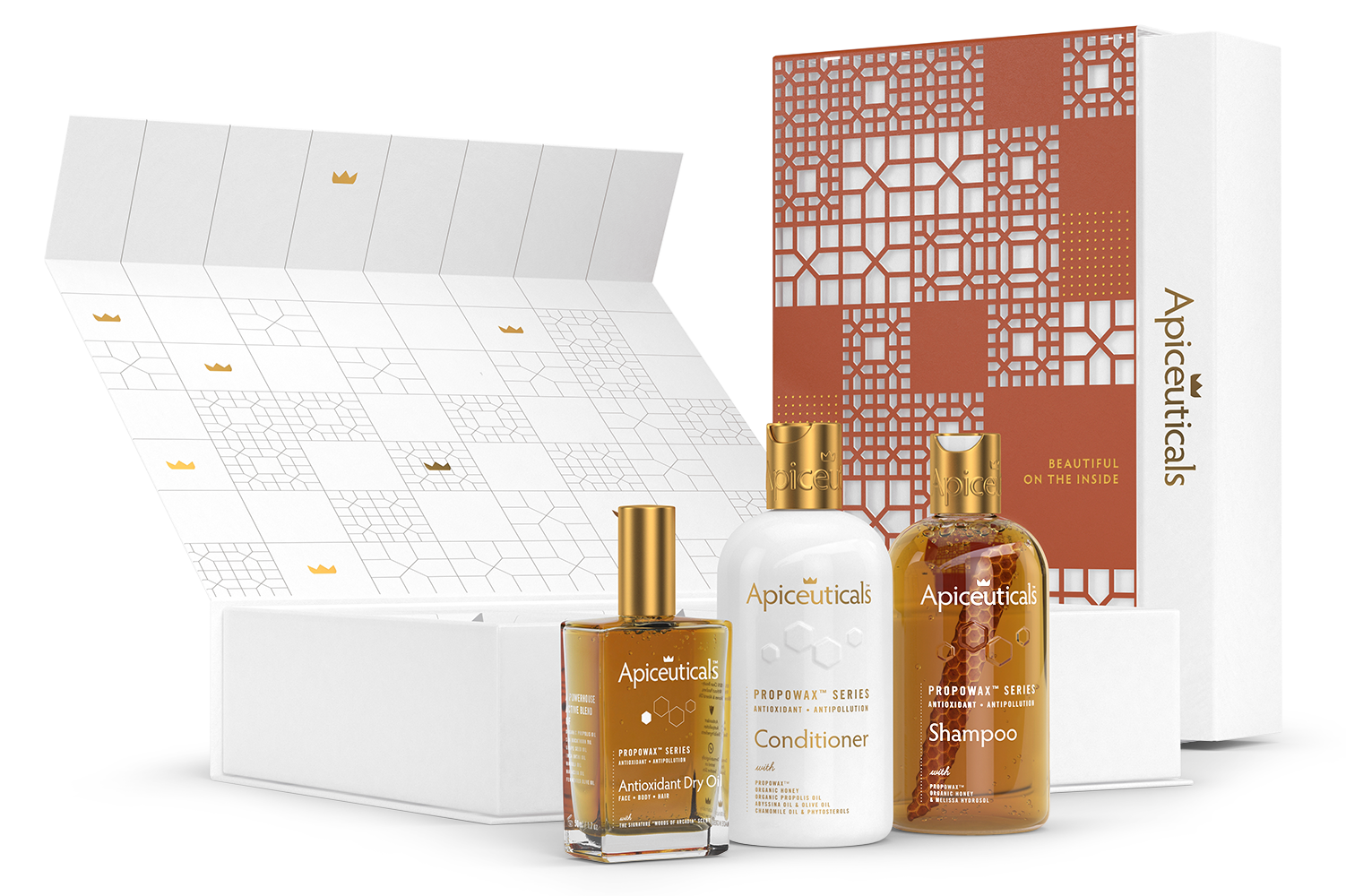
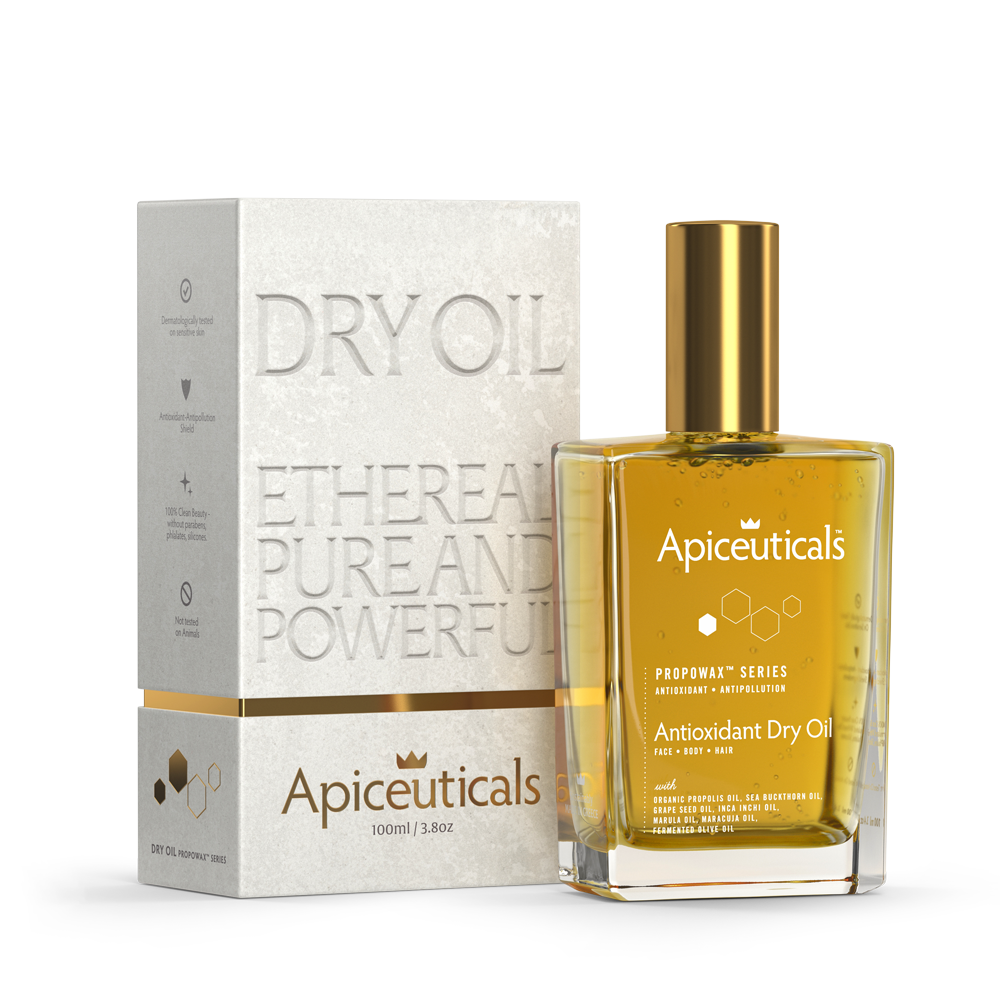
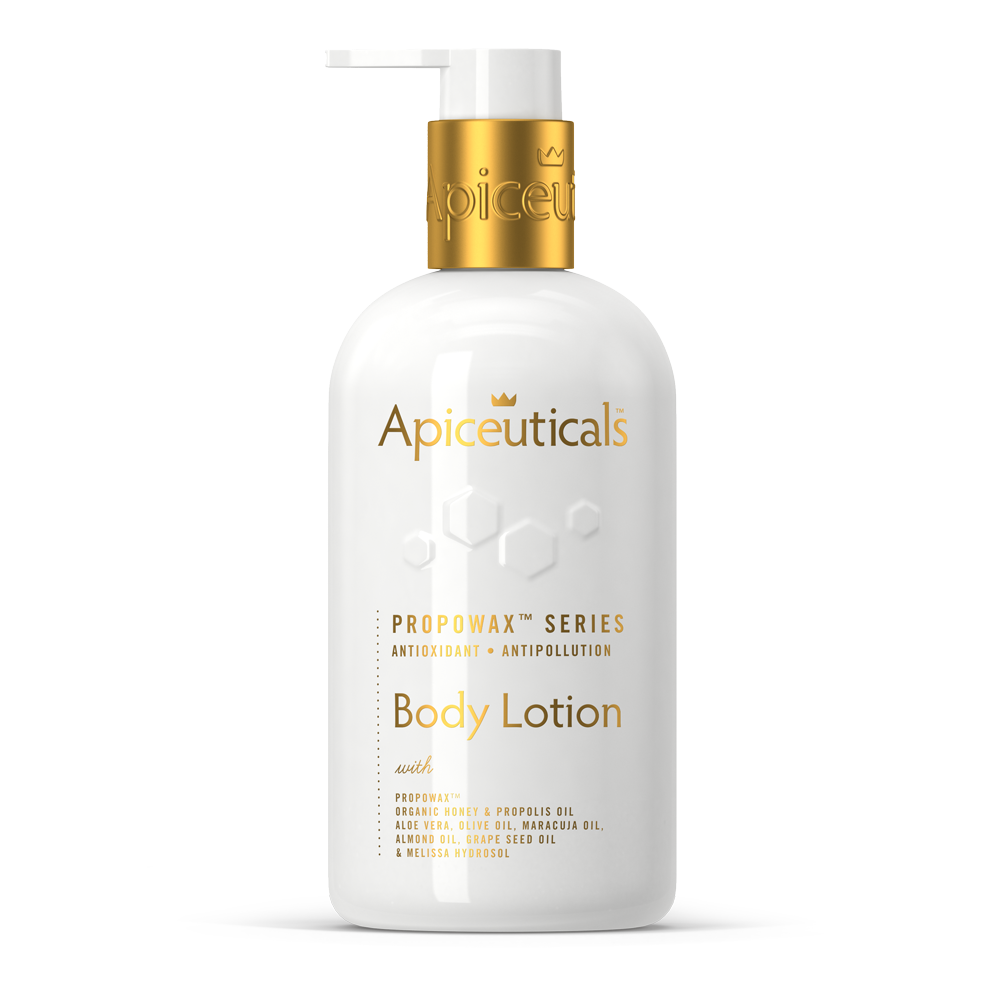
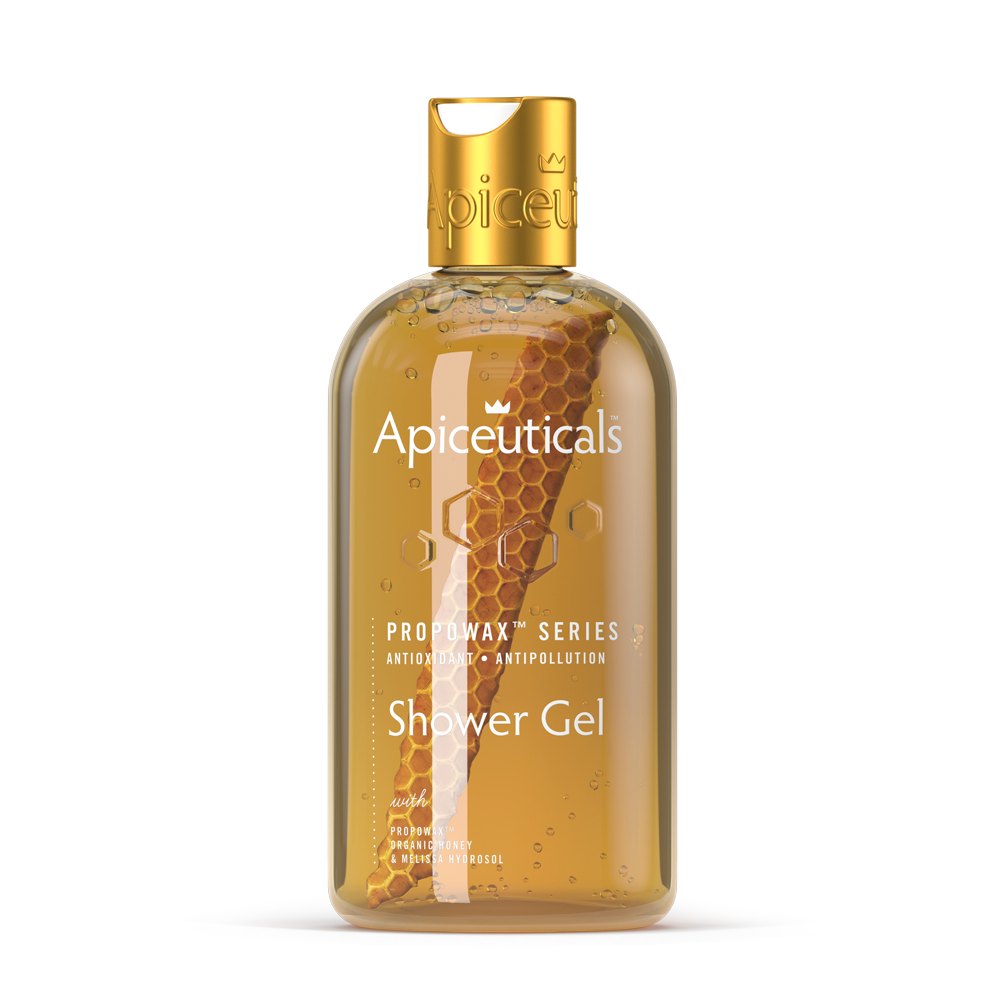
Every jar in the series is built on the same principle discussed throughout this piece: concentrated, oil-soluble antioxidants delivered without the water-heavy filler of a conventional cream. Because the formula relies on low water activity rather than a heavy preservative system, it suits the sensitive and reactive skin types this article flagged as the strongest fit for anhydrous care. You can look at the full Ultra Hydrastic Honey Balm product page for texture and ingredient specifics, or start at the Apiceuticals shop to compare it against the rest of the PROPOWAX™ SERIES and BEAUTY TOOLS lineup. Prices for the HONEY BALM™ Series are listed on the site rather than fixed here, so check current availability before you order.
Sources
- Water-less Skincare: All the Benefits (and Downsides) of Skipping This Key Beauty Ingredient
- Skin Barrier Enhancing Alternative Preservation Strategy of O/W Emulsions by Water Activity Reduction with Natural Multifunctional Ingredients
- The benefits of waterless beauty for sensitive & aging skin – Los Angeles Times
- Effects of water activity and low molecular weight humectants on skin permeability and hydration dynamics
FAQ
Is waterless skincare actually better than water-based skincare?
It’s better for specific goals, not universally. Waterless formulas concentrate oil-soluble actives and reduce the need for antimicrobial preservatives, but they can’t deliver water-soluble actives like L-ascorbic acid the way an aqueous serum can.
What is the most hydrating thing to put on your face?
Hydration and moisturizing aren’t identical. Water-soluble humectants like hyaluronic acid pull moisture into skin, while a waterless balm’s occlusive lipids seal that moisture in and prevent it from evaporating, which is why pairing a hydrating serum with a waterless balm often works better than either alone.
Do waterless moisturizers expire faster than regular creams?
They face a different risk, not necessarily a faster one. Microbial spoilage is less likely thanks to low water activity, but oil oxidation becomes the main concern, so formulas need antioxidant stabilizers and opaque packaging to hold up over their shelf life.
Is a waterless face balm suitable for oily or acne-prone skin?
It can be, if the oils used are non-comedogenic, such as squalane or jojoba. Heavier butters can feel too rich for oily skin, so patch testing and starting with a thin layer is the safer approach.
Can I use a waterless moisturizer with my other skincare actives?
Yes, apply water-based serums, such as vitamin C or hyaluronic acid formulas, before the balm so their actives can absorb first. The balm then acts as the final occlusive layer, sealing in hydration rather than competing with it.
Recommended


Related posts

Explore how a trial lasting 24 weeks and Malassezia research link scalp oxidative stress to shedding, and where PROPOWAX™ fits continuous antioxidant care.

See when silicones smooth hair or build up, and how PROPOWAX™ holds a global patent for highest antioxidant activity, validated by Aristotle University.

Explore mountain honey benefits for skin and body, from floral polyphenols and antioxidant activity to evidence on cough relief, wound care, and safe use.

Propolis delivers stronger antioxidant and antimicrobial action. Royal jelly boosts hydration and repair. Learn which suits your skin or scalp and why...

Pick sulfate-free or sulfate shampoo by your scalp, porosity, and color needs. Read evidence-backed guidance, antioxidant options, and a 4-step switch...