
No products in the cart.
Return To Shop
Antioxidant Activity Explained: Science and Skin Delivery
Antioxidant activity is the measurable ability of a single compound to inhibit or delay the oxidation of a defined substrate in a specific assay or reaction system. That is the technical answer to what is antioxidant activity, and it is worth holding onto precisely, because the term is routinely conflated with a related but distinct concept: antioxidant capacity, which describes the cumulative antioxidant behavior of a complex sample — a food extract, a serum, or a plasma fraction — rather than the kinetic behavior of one isolated compound. The distinction shapes how you read a lab report, interpret a product claim, or design a formulation.
Key Takeaways
Antioxidant activity describes a single compound’s measurable ability to inhibit oxidation in a defined assay, and that precision is what separates a scientifically defensible claim from a marketing generality.
| Point | Details |
|---|---|
| Activity vs. capacity | “Antioxidant activity” applies to one compound in one assay; “total antioxidant capacity” describes a complex sample’s aggregate behavior. |
| Assay results are not interchangeable | DPPH, ABTS, ORAC, FRAP, and CUPRAC measure different chemical principles; always report the assay name, radical, and Trolox-equivalent units together. |
| Modulation, not elimination | ROS serve physiological signaling roles; the goal is balanced antioxidant defense, not wholesale suppression of reactive species. |
| In vitro scores don’t guarantee in vivo benefit | Bioavailability, metabolism, and subcellular compartmentalization all intervene between a lab result and a biological outcome. |
| Apiceuticals PROPOWAX™ delivery | The patented PROPOWAX™ Living Honeycomb provides continuous antioxidant release validated by the Aristotle University of Thessaloniki, aligning with the sustained-modulation principle. |
This article is general information, not a substitute for advice from a qualified doctor. Consult a qualified healthcare professional about your own circumstances before acting on anything here.
Table of Contents
- Why Do Reactive Oxygen Species Make Antioxidant Activity Matter?
- How Do Antioxidants Work at the Molecular Level?
- What Are the Main Types of Antioxidants?
- How Is Antioxidant Activity Measured in the Laboratory?
- How Should You Interpret Assay Results — and Where Do They Fall Short?
- What Does Antioxidant Activity Mean for Your Health?
- Antioxidant Activity Beyond the Body: Food, Materials, and Cosmetics
- Which Foods and Topical Ingredients Have Meaningful Antioxidant Activity?
- How to Prepare Samples and Run Antioxidant Activity Assays Reliably
- How PROPOWAX™ Living Honeycomb Applies These Principles to Skin
- When to Use “Antioxidant Activity” vs. “Total Antioxidant Capacity”
- The Measurement Gap That Most Formulations Ignore
- Apiceuticals’ PROPOWAX™ Products Put This Science into Practice
- Sources
- FAQ
Why Do Reactive Oxygen Species Make Antioxidant Activity Matter?
Oxidation is not an abstract threat. It begins with reactive oxygen species (ROS), a family of chemically aggressive molecules generated continuously inside living cells. The three most biologically significant are superoxide (O₂•⁻), hydrogen peroxide (H₂O₂), and the hydroxyl radical (•OH). Superoxide forms primarily at the inner mitochondrial membrane when electrons leak from the electron transport chain and react with molecular oxygen. Peroxisomes generate H₂O₂ as a byproduct of fatty acid oxidation. Environmental sources — ultraviolet radiation, air pollutants, cigarette smoke — add an external load that skin and hair bear disproportionately.

Oxidative stress arises when ROS production outpaces the body’s defense capacity. The consequences are molecular: lipid peroxidation degrades cell membranes, protein carbonylation impairs enzyme function, and DNA strand breaks accumulate. Think of it as the biological equivalent of rust corroding metal, except the substrate is your cell architecture. For skin specifically, oxidative damage to structural proteins and lipids accelerates visible aging and disrupts barrier integrity in ways that topical antioxidant delivery is designed to address.
The enzymatic antioxidant system — superoxide dismutase (SOD), catalase (CAT), and glutathione peroxidases (GPX) — represents the cell’s first line of defense, with mitochondria and peroxisomes as the primary sites of endogenous ROS generation. Small-molecule antioxidants supplement this enzymatic network in both aqueous and lipid compartments.
How Do Antioxidants Work at the Molecular Level?
Antioxidants reduce or prevent oxidative damage through four principal mechanisms: direct radical scavenging, chain-breaking of lipid peroxidation, metal chelation, and enzymatic conversion or repair. Each maps to a different chemical context, which is why no single antioxidant covers every threat.
- Direct radical scavenging involves donating a hydrogen atom or an electron to a free radical, neutralizing it before it attacks a biological target. Vitamin C, for example, donates an electron to a peroxyl radical, converting it to a far less reactive species.
- Chain-breaking interrupts the self-propagating cascade of lipid peroxidation. Vitamin E (alpha-tocopherol) inserts itself into membrane phospholipid bilayers and donates a hydrogen atom to a lipid peroxyl radical, stopping the chain before it consumes neighboring fatty acids.
- Metal chelation prevents Fenton chemistry, the reaction in which free iron or copper catalyzes •OH formation from H₂O₂. Chelating agents bind these metals and render them catalytically inactive.
- Enzymatic conversion is carried out by SOD, which converts O₂•⁻ to H₂O₂, and by CAT and GPX, which reduce H₂O₂ to water. GPX uses reduced glutathione (GSH) as a cofactor, oxidizing it to GSSG in the process.
The compartment problem is particularly relevant for topical formulations. Lipid-soluble antioxidants like vitamin E reach membrane bilayers readily, while water-soluble ones like vitamin C and glutathione operate in the cytosol and extracellular fluids. A formulation that delivers only one class may leave the other compartment unprotected. This is why oxidative stress management in skin increasingly favors multi-mechanism delivery systems over single-ingredient approaches.
According to Nature Reviews Molecular Cell Biology, antioxidants operate within a defense network that modulates ROS rather than eliminating them, because ROS also serve as physiological signaling molecules. Sustained, balanced delivery is often preferable to high-dose spikes that could disrupt those signals.
What Are the Main Types of Antioxidants?
Two practical categories cover the field: enzymatic antioxidants and small-molecule antioxidants. Enzymatic antioxidants — SOD, CAT, and GPX — are proteins that catalyze specific redox reactions and cannot be meaningfully delivered intact through most topical formulations, making them primarily relevant as endogenous cellular defenses. Small-molecule antioxidants are the category that drives both dietary strategy and cosmetic formulation.
| Class | Key Examples | Solubility | Primary Location | Topical Formulation Notes |
|---|---|---|---|---|
| Enzymatic | SOD, CAT, GPX | Water-soluble | Cytosol, mitochondria, peroxisomes | Protein stability limits topical delivery; encapsulation required |
| Vitamin antioxidants | Vitamin C (ascorbic acid), Vitamin E (tocopherol) | C: water; E: lipid | C: extracellular fluid, cytosol; E: membranes | C requires low pH (below 3.5) for stability; E integrates into lipid phases |
| Polyphenols | Flavonoids, resveratrol, quercetin | Variable | Extracellular, cytosol | Molecular weight and polarity determine skin penetrance |
| Carotenoids | Beta-carotene, lycopene, astaxanthin | Lipid-soluble | Membranes, lipoproteins | Effective in oil phases; limited aqueous formulation compatibility |
| Thiol compounds | Glutathione (GSH), N-acetylcysteine | Water-soluble | Cytosol, mitochondria | Stability and skin penetration are formulation challenges |
Vitamin E’s lipid solubility is not incidental — it is what allows the molecule to reside within phospholipid bilayers and intercept peroxyl radicals at the site where lipid peroxidation actually propagates. Vitamin C, by contrast, works in aqueous environments and can regenerate oxidized vitamin E, making the two compounds functionally synergistic rather than redundant.
Botanical polyphenols present a more complex picture. Their bioactive antioxidant properties are well-documented in vitro, but chemical structure strongly determines whether a given polyphenol penetrates the stratum corneum, survives formulation pH, and reaches the viable epidermis in meaningful concentrations.
How Is Antioxidant Activity Measured in the Laboratory?
Assays differ fundamentally in chemistry: some measure electron transfer capacity, others measure hydrogen atom transfer, and others assess reducing power against a metal ion. Because they measure different things, results from different assays are not interchangeable, and comparing a DPPH value directly with an ORAC value is a methodological error rather than a minor imprecision.
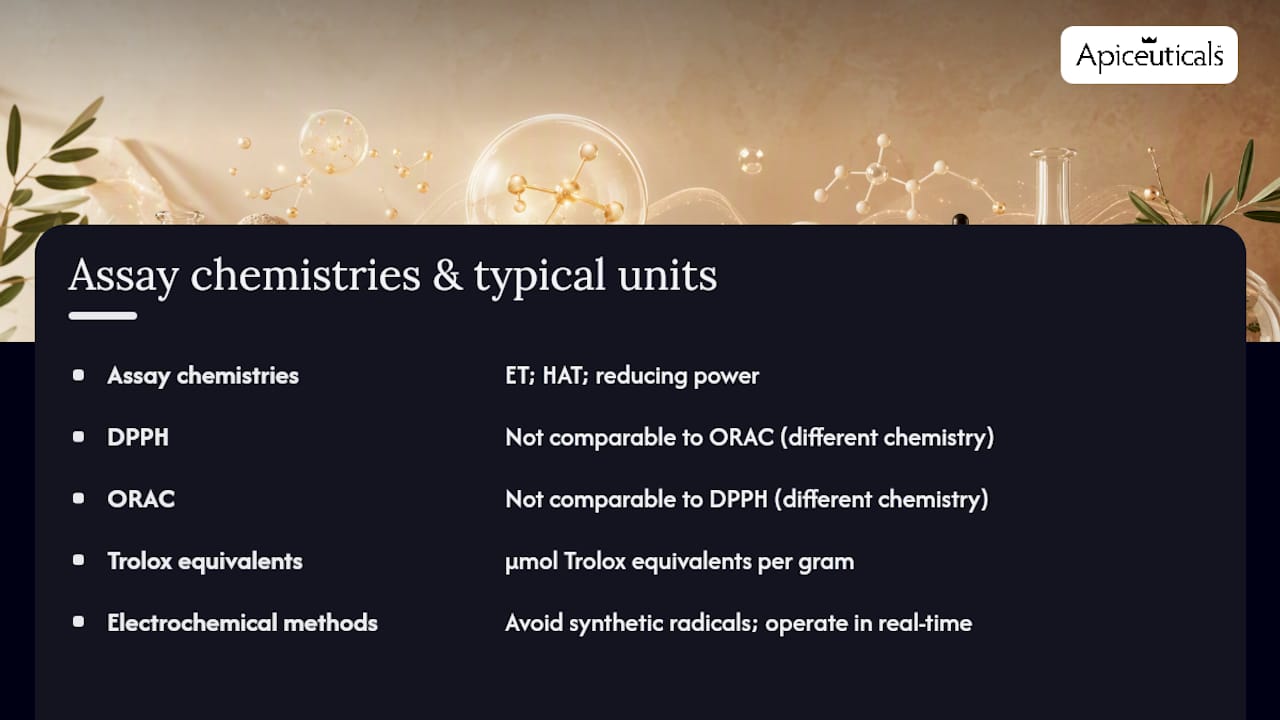
Trolox equivalents are the most common reporting unit across assays. Trolox is a water-soluble analog of vitamin E used as a calibration standard, and expressing results as “µmol Trolox equivalents per gram” allows relative comparisons within the same assay. It does not, however, allow direct comparison across assays or translation into a biological potency claim.
As reviewed in PMC, inconsistent terminology and incompatible units across assays create interpretive ambiguity unless the assay chemistry and units are clearly reported alongside the result. Electrochemical methods are increasingly favored in research contexts precisely because they avoid the use of synthetic radicals and can operate in real-time.
How Should You Interpret Assay Results — and Where Do They Fall Short?
Assay numbers are informative but require context. A result is only meaningful when you know the assay chemistry, the sample matrix, the standard used, and whether the metric describes a single compound’s activity or a sample’s total capacity. Without that context, a high Trolox-equivalent score is a number without a referent.
The in vitro to in vivo gap is where most misinterpretation occurs. A compound that scavenges DPPH radicals efficiently in a methanol solution may be metabolized to inactive forms before reaching systemic circulation, may be excluded from the subcellular compartment where oxidative damage is occurring, or may be present at concentrations too low to compete with endogenous ROS production. Bioavailability, first-pass metabolism, and local concentration all intervene between the assay tube and the living cell.
Pro Tip: Always check three things before citing an antioxidant activity number: the assay method used, the standard the result is expressed against (Trolox equivalents or another reference), and whether the sample was a purified compound or a complex extract. A DPPH result for a crude plant extract and an ORAC result for an isolated flavonoid are measuring fundamentally different things.
The NCCIH guidance on antioxidant supplements makes this gap concrete: antioxidant enzymes are primary defense components, and large doses of isolated antioxidant supplements can be ineffective or even harmful, which is precisely what happens when high in vitro activity is assumed to translate directly into clinical benefit.
What Does Antioxidant Activity Mean for Your Health?
Antioxidant action contributes to controlling oxidative damage, but the goal is modulation of ROS, not their elimination. ROS have genuine physiological roles: they function as second messengers in immune signaling, regulate vascular tone, and participate in cellular differentiation. A defense network that suppresses all ROS indiscriminately would be as damaging as one that suppresses none.
Researchers measure oxidative stress in vivo through several established biomarkers:
- Isoprostanes (particularly 8-iso-PGF₂α): formed by non-enzymatic oxidation of arachidonic acid; considered among the most reliable plasma markers of lipid peroxidation.
- GSH/GSSG ratio: the ratio of reduced to oxidized glutathione reflects the redox status of the cytosol; a falling ratio indicates increased oxidative burden.
- SOD and GPX activity: measured in erythrocytes or tissue homogenates as indicators of enzymatic antioxidant capacity.
- Protein carbonyls: markers of oxidative protein modification, elevated in chronic disease states.
Population data consistently link higher fruit and vegetable intake with lower risk of cardiovascular disease and certain cancers, but the Mayo Clinic notes that the evidence for isolated supplements replicating this benefit is far weaker. The beta-carotene trials in smokers are the most cited cautionary example: supplementation at high doses was associated with increased lung cancer risk rather than protection, a result that underscores why whole-food dietary patterns outperform isolated-molecule interventions.
MedlinePlus further cautions that antioxidant supplements can interact with certain medications and that high doses carry documented risks, reinforcing the recommendation to discuss supplement use with a healthcare provider before starting.
Antioxidant Activity Beyond the Body: Food, Materials, and Cosmetics
The same biochemical principle that protects cells from oxidative damage is applied industrially to slow lipid peroxidation in foods, stabilize polymers, and preserve cosmetic formulations. In each context, the goal is the same: delay the chain reaction of oxidation long enough to maintain quality or function.
In food systems, antioxidants delay lipid peroxidation and preserve flavor, color, and texture. Malondialdehyde (MDA) formation is a standard marker of lipid oxidation in food science, and effective food antioxidants must be stable through processing temperatures, affordable at scale, and nontoxic at working concentrations. Phenolics and flavonoids from plant sources serve this role in both conventional and clean-label food applications.
In polymer and materials science, antioxidants prevent oxidative degradation of rubber, plastics, and lubricants, extending service life and maintaining mechanical properties. The chemistry is analogous to biological chain-breaking: a sacrificial molecule intercepts radical intermediates before they propagate through the polymer matrix.
Cosmetic formulations face a dual challenge: protecting the active ingredients themselves from oxidation during shelf life, and delivering antioxidant activity to the skin or scalp where it can support the tissue’s own defense network. Formulators must account for the oxidative stability of the base, the compatibility of antioxidant actives with other ingredients, and the delivery vehicle’s ability to transport those actives to the correct skin compartment.
Which Foods and Topical Ingredients Have Meaningful Antioxidant Activity?
Whole foods and certain topical actives are the most reliable sources of antioxidant activity, but chemical form and bioavailability determine whether that activity translates into effect. A high DPPH score in a berry extract does not guarantee that the responsible polyphenols will survive digestion, reach target tissues, or penetrate the stratum corneum when applied topically.
The Mayo Clinic recommends whole foods as the best antioxidant sources for long-term health, with dietary patterns consistently outperforming isolated supplements in population studies. Key sources and their bioavailability considerations:
- Berries (blueberries, strawberries, blackberries): Rich in anthocyanins and vitamin C. Anthocyanins are absorbed in the small intestine but undergo rapid metabolism; plasma concentrations peak within 1–2 hours and decline quickly, so regular intake matters more than single large doses.
- Leafy greens (spinach, kale): Provide carotenoids (lutein, zeaxanthin) and vitamin C. Carotenoids require dietary fat for absorption; cooking increases bioavailability of some forms.
- Nuts and seeds (walnuts, almonds, sunflower seeds): Deliver vitamin E (alpha-tocopherol) in a lipid matrix that supports absorption. Vitamin E is fat-soluble and stored in adipose tissue, unlike vitamin C.
- Vitamin C (ascorbic acid) in topical formulations: Water-soluble and not stored in skin; must be delivered at low pH (typically below 3.5) to maintain stability and support collagen synthesis. Penetration is concentration- and pH-dependent.
- Botanical polyphenols (resveratrol, quercetin, curcumin) in topical products: Molecular weight and polarity determine stratum corneum penetrance. Encapsulation in liposomes or nanoparticles significantly improves delivery to the viable epidermis.
For a structured approach to incorporating these actives into a daily routine, the antioxidant skincare guide from Apiceuticals covers formulation principles and layering strategies in practical detail.
How to Prepare Samples and Run Antioxidant Activity Assays Reliably
Reliable antioxidant measurement requires clear sample preparation, validated standards, and appropriate controls. Without these, even a well-chosen assay produces numbers that cannot be compared across laboratories or time points.
- Select the extraction solvent based on target compound polarity. Polar antioxidants (vitamin C, most polyphenols) extract into aqueous or hydroalcoholic solvents; lipid-soluble antioxidants (tocopherols, carotenoids) require hexane or ethyl acetate. Mismatched solvent and analyte class will systematically underestimate activity.
- Normalize sample concentration. Express results per gram of dry weight, per milligram of protein, or per milliliter of extract, and state the basis clearly. Concentration normalization is the single most common source of inter-laboratory discrepancy.
- Prepare a Trolox calibration curve. Run at least five concentration points spanning the expected sample range. Verify linearity (R² above 0.99) before applying the curve to unknowns.
- Include a reagent blank. The blank corrects for background absorbance or electrochemical signal from the solvent and matrix, not from the antioxidant itself.
- Run a positive control. A known-concentration Trolox or ascorbic acid standard confirms assay performance on the day of measurement and flags reagent degradation.
- Use matrix-matched controls. When measuring antioxidant activity in a complex matrix (plasma, food extract, cosmetic formulation), include a matrix blank spiked with a known amount of standard to detect matrix interference.
- Control reaction time and temperature. ORAC and DPPH assays are particularly sensitive to incubation time; ABTS radical stability varies with temperature. State both in the methods section.
- Run a minimum of three technical replicates. Report mean ± standard deviation and flag any replicate with a coefficient of variation above 5% for re-measurement.
How PROPOWAX™ Living Honeycomb Applies These Principles to Skin
Continuous, balanced antioxidant delivery better supports skin’s defense network than intermittent high-dose application, because it mirrors the way endogenous antioxidant systems operate: as a sustained, modulating presence rather than a periodic surge. This principle, articulated in Nature Reviews Molecular Cell Biology, has direct implications for topical formulation design.
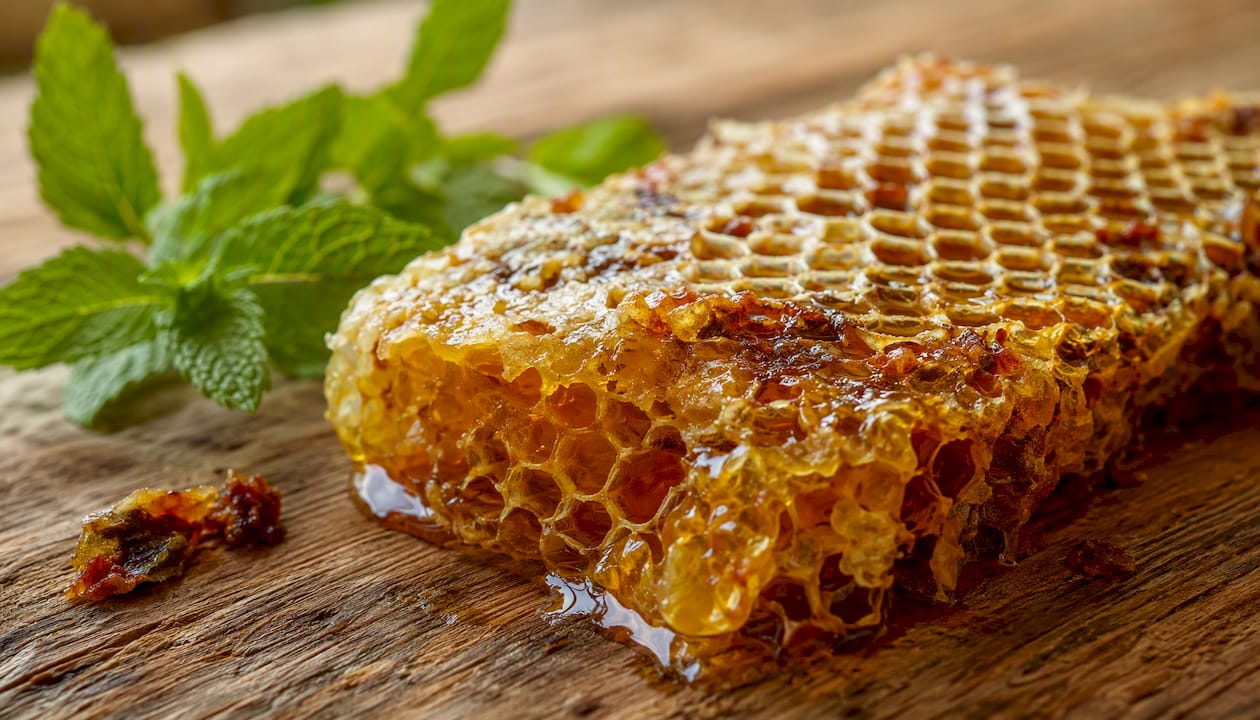
Apiceuticals’ PROPOWAX™ technology is a patented Living Honeycomb delivery system that continuously releases antioxidants onto skin, scalp, and hair. The technology holds a global patent for the highest antioxidant activity in cosmetics and was independently validated by the Aristotle University of Thessaloniki. British Vogue described Apiceuticals as “arguably the global leader in antioxidant activity.”
Several formulation principles make this approach biochemically coherent:
- Sustained release maintains antioxidant concentration in the target compartment without the concentration spikes that can disrupt ROS signaling.
- Multi-compound delivery addresses both lipid and aqueous compartments, consistent with the compartmentalization principles described in the types-of-antioxidants section above.
- Propolis-derived actives contribute polyphenolic compounds with documented radical-scavenging activity, complementing the enzymatic defenses already present in viable skin cells.
- Clinical validation of the HONEY BALM™ Series includes a clinically proven 26% wrinkle reduction, grounding the delivery claims in measurable outcomes rather than in vitro assay scores alone.
The role of antioxidants in anti-aging skin health is explored in further detail on the Apiceuticals site, with specific reference to how sustained-release delivery maps to the biochemical modulation principles described here.
When to Use “Antioxidant Activity” vs. “Total Antioxidant Capacity”
Prefer “antioxidant activity” when describing a single compound’s behavior in a defined assay; use “total antioxidant capacity” (TAC) when reporting the aggregate antioxidant behavior of a complex sample such as a food extract, plasma, or formulation. The PMC comprehensive review formalizes this distinction, and applying it consistently prevents the most common misreading of published data.
A practical reporting checklist for papers and product documentation:
- Name the assay (DPPH, ABTS, ORAC, FRAP, CUPRAC, or electrochemical method) — never report a result without identifying the method.
- State the radical or chemical principle measured (HAT, electron transfer, reducing power).
- Report units as Trolox equivalents (µmol TE/g or µmol TE/mL) or as the appropriate metal-equivalent unit for FRAP/CUPRAC, and include the normalization basis (per gram dry weight, per milligram protein, per milliliter).
- Describe sample preparation in sufficient detail to allow replication: solvent, extraction ratio, centrifugation conditions, and storage.
- Include an in vivo relevance caveat when the result is from an in vitro assay: state that the figure reflects assay-specific reducing or scavenging capacity and does not directly predict biological efficacy.
Example sentence for a research paper: “The ethanol extract showed an antioxidant activity of 245 µmol Trolox equivalents per gram dry weight as measured by the DPPH assay; this figure reflects in vitro radical-scavenging capacity and should not be extrapolated to in vivo antioxidant efficacy without bioavailability data.”
Example for product copy: “PROPOWAX™ Living Honeycomb delivers continuous antioxidant activity validated by the Aristotle University of Thessaloniki, with the highest antioxidant activity in cosmetics confirmed by independent assay.”
The Measurement Gap That Most Formulations Ignore
The most consequential insight from the biochemistry of antioxidant activity is not about which assay to use or which food scores highest on a Trolox-equivalent scale. It is about timing and compartmentalization. Most topical antioxidant products are designed around a single application event, which produces a concentration spike in the upper stratum corneum that dissipates within hours, leaving the viable epidermis and dermis with intermittent rather than continuous protection.
The antioxidant defense network in living tissue does not work in spikes. SOD, CAT, and GPX operate continuously, and the GSH/GSSG ratio is maintained within a narrow physiological range around the clock. A topical formulation that mimics this sustained-release profile is not a marketing concept; it is a biochemically grounded design choice. The challenge for formulators is that sustained release requires a delivery architecture, not just a high-scoring ingredient. Encapsulation, matrix entrapment, or a structural delivery vehicle like a Living Honeycomb lattice can provide that architecture. Without it, even a compound with exceptional in vitro antioxidant activity may deliver most of its dose to the wrong compartment at the wrong time.
This is also why the best antioxidants for skin are rarely the ones with the highest DPPH scores. They are the ones whose chemistry, solubility, and delivery system align with the compartment and the kinetics of the oxidative challenge they are meant to address.
Apiceuticals’ PROPOWAX™ Products Put This Science into Practice
The biochemical principles covered in this article — sustained antioxidant release, compartment-targeted delivery, and modulation rather than suppression of ROS — are precisely what Apiceuticals’ PROPOWAX™ Series is designed to implement. Every product in the line contains the patented PROPOWAX™ Living Honeycomb, which continuously releases antioxidants onto skin, scalp, and hair rather than delivering a single concentrated dose at application.
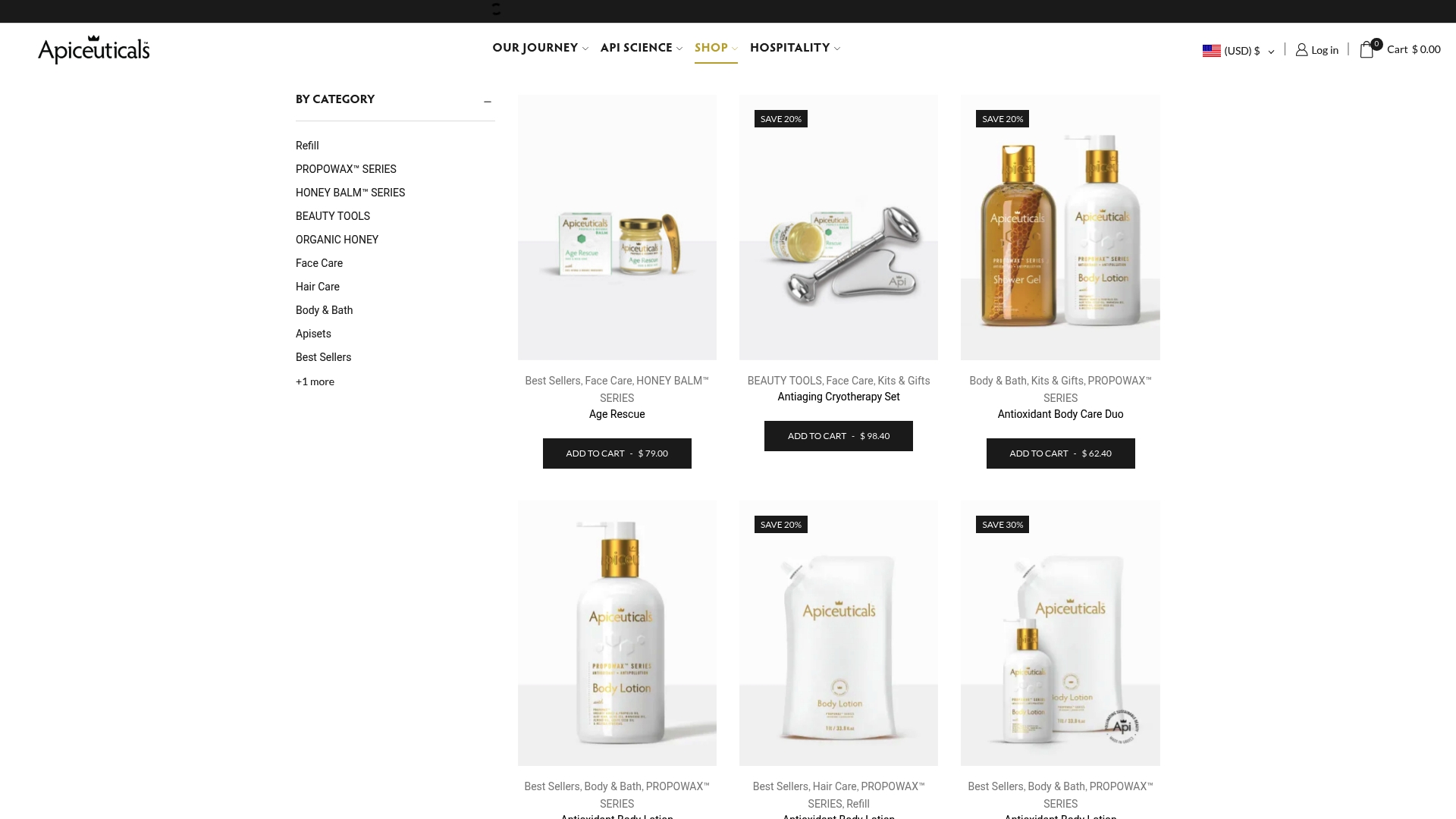
The antioxidant activity of the PROPOWAX™ system was independently validated by the Aristotle University of Thessaloniki, and the global patent for highest antioxidant activity in cosmetics is the formal scientific recognition of that validation.
For readers who want to translate the science into a daily routine, the guide to preventing skin oxidation walks through practical application steps, and the full PROPOWAX™ technology page provides the technical detail behind the delivery system. Product pages and clinical summaries carry the specifics for each formulation.
Sources
- Understanding mechanisms of antioxidant action in health and disease | Nature Reviews Molecular Cell Biology
- Antioxidants: a comprehensive review – PMC – NIH
- Antioxidant — NCBI Bookshelf
- Antioxidant Supplements: What You Need To Know | NCCIH
- Add antioxidants to your diet – Mayo Clinic
- Antioxidants – MedlinePlus
FAQ
What is antioxidant activity in biochemical terms?
Antioxidant activity is the measurable ability of a single compound to inhibit or delay the oxidation of a defined substrate in a specific assay. It describes kinetic or reaction-level behavior, not a general property of a food or supplement.
What is the difference between antioxidant activity and total antioxidant capacity?
Antioxidant activity refers to one compound’s behavior in one assay; total antioxidant capacity (TAC) describes the cumulative antioxidant behavior of a complex sample such as plasma or a food extract. Using the terms interchangeably misrepresents what the measurement actually reflects.
What are the most common antioxidant activity assays?
DPPH, ABTS/TEAC, ORAC, FRAP, CUPRAC, and electrochemical methods are the most widely used. Each measures a different chemical principle — hydrogen atom transfer, electron transfer, or reducing power — so results are not directly comparable across assays.
What are the top antioxidant-rich foods?
Berries (blueberries, strawberries, blackberries), leafy greens (spinach, kale), nuts and seeds, dark chocolate, and legumes consistently rank among the highest in population and food-science studies. The Mayo Clinic recommends whole foods over isolated supplements as the more reliable long-term source.
Are antioxidant supplements as effective as dietary antioxidants?
Not reliably. The NCCIH notes that antioxidant enzymes are the primary defense components and that large doses of isolated supplements can be ineffective or harmful. High-dose beta-carotene supplementation in smokers is the most cited example of a supplement producing the opposite of the intended effect.
How does PROPOWAX™ Living Honeycomb relate to antioxidant activity science?
PROPOWAX™ is a patented continuous-release delivery system that provides sustained antioxidant activity to skin, scalp, and hair, validated by the Aristotle University of Thessaloniki. Its design aligns with the biochemical principle that modulated, sustained antioxidant delivery better supports the skin’s defense network than intermittent high-dose application.
Recommended


Related posts

How bees and biodiversity sustain each other, what the science says about Greece and the Aegean, and how antioxidant beauty can start from a hive...

How organic propolis extraction works, from hive to extract: collection, solvents, EU organic rules, Greek propolis phenolics and what it means for skincare.

Build an anti pollution skincare routine that fits Greek city life: what pollution does to skin, the morning and evening steps, and the antioxidants with...

Honey moisture content explained: the EU and Greek limits, how to take a refractometer reading, what excess water does to honey, and why it matters...

How antioxidant activity measurement works: DPPH, ABTS, FRAP and ORAC explained, why results differ, and what a lab number can and cannot say about skin...















