No products in the cart.
Return To Shop
Why Premium Body Care Outperforms Lotion for Your Skin
TL;DR:
- Premium body care exceeds lotion by delivering clinically validated actives and antioxidants at functional concentrations. Its formulations focus on targeted delivery and barrier reinforcement, not just hydration or packaging.
Premium body care outperforms lotion because of higher active concentrations, targeted delivery systems, superior occlusive and emollient architecture, and clinically validated antioxidant protection — not because of price or packaging. The clearest evidence of this gap sits in formulations like Apiceuticals’ PROPOWAX™ Living Honeycomb, which holds a global patent for the highest antioxidant activity in cosmetics, independently validated by Aristotle University of Thessaloniki. Before you read further, three label signals predict whether a product will genuinely outperform a standard lotion:
- Clinically backed actives with named test types (e.g., dermatological testing, published endpoints)
- Stated concentration ranges for key ingredients (e.g., niacinamide 2–5%, hyaluronic acid molecular weight)
- Delivery or stability claims tied to a named technology or formulation method, not just an ingredient callout
If a product you’re evaluating checks all three, the science behind why premium body care outperforms lotion is already working in its formula.
Table of Contents
- What “lotion” actually means versus premium body care
- What separates a truly premium body product from an expensive one
- How premium body care outperforms lotion across hydration, barrier repair, and antioxidant protection
- How to choose the right premium body care product for your skin
- The science behind Apiceuticals and PROPOWAX™ antioxidant delivery
- Key Takeaways
- The antioxidant-first standard is where premium body care is heading
- Apiceuticals antioxidant body care: formulated to outperform
- Further reading and sources
- FAQ
What “lotion” actually means versus premium body care
The word “lotion” describes a specific formulation architecture: a water-in-oil or oil-in-water emulsion with a high water phase, light emollients, and a relatively low concentration of actives. It spreads easily, absorbs quickly, and delivers short-term surface hydration. That is exactly what it was designed to do.

Premium body care is not a format — it is a performance standard. It encompasses creams (higher oil-to-water ratio, denser emollient matrix), balms and body butters (waterless or near-waterless, occlusive-dominant), and treatment formulas that carry face-grade actives at clinically meaningful concentrations. The defining difference is not texture but intent: premium formulas include actives such as squalane, hyaluronic acid, ceramides, fermented extracts, and peptides rather than relying on cheap occlusives or fragrance to simulate hydration.
Formulation choices drive real performance differences. A high-water lotion hydrates the skin surface quickly but loses that moisture within hours as the water phase evaporates. A cream with a structured lipid matrix seals the barrier and slows transepidermal water loss. A waterless balm bypasses the water phase entirely, concentrating actives and occlusives for maximum delivery. Understanding these distinctions is the foundation of any honest comparison between premium vs regular lotion.
- Lotion: high water content, fast absorption, short hydration window, suited to normal skin in mild climates or daytime use
- Cream: balanced water-oil ratio, moderate absorption, longer-lasting barrier support, suited to dry or combination skin year-round
- Balm / body butter: waterless or near-waterless, occlusive-dominant, deep repair, suited to very dry, damaged, or mature skin
- Premium body care (any format): ingredient-led, evidence-focused, with actives at functional concentrations and validated delivery
What separates a truly premium body product from an expensive one
Price and premium performance are not the same thing. A product can carry a high retail price and still rely on mineral oil, fragrance, and water as its primary ingredients. What actually makes body care superior is the ingredient architecture beneath the label.

Humectants draw water into the skin from the environment and deeper dermal layers. Hyaluronic acid, glycerin, and urea are the workhorses here. Hyaluronic acid’s performance varies significantly by molecular weight: low-molecular-weight forms penetrate the stratum corneum, while high-molecular-weight forms film on the surface. Premium formulas specify both. Barrier lipids — ceramides, squalane, and cholesterol — reinforce the skin’s natural lipid matrix, reducing transepidermal water loss and calming reactivity. Emollients like shea butter and botanical oils (rosehip, marula, sea buckthorn) fill intercellular gaps, improving texture and spreadability. Peptides signal fibroblasts to support collagen synthesis, adding a corrective dimension that no standard lotion delivers. Antioxidants — including propolis, honey-derived actives, and polyphenols — neutralize free radicals that accelerate visible aging and barrier degradation.
Active concentrations matter as much as ingredient selection. Niacinamide in the 2–5% range is often cited as effective for improving tone and barrier support on body skin when used consistently over weeks. A label that lists niacinamide without a percentage may contain a trace amount added for marketing rather than function.
Stability and delivery systems are where many “premium” products quietly fail. Antioxidants are inherently unstable; without a validated delivery mechanism, they oxidize before reaching the skin. Waterless formats, microencapsulation, and high-grade emulsifier systems all extend active bioavailability. The presence of an antioxidant name on a label is not evidence of antioxidant activity — only validated delivery is.
Testing and transparency close the gap between claim and proof. Brands that publish dermatological testing results, specify exclusion lists, and name the clinical endpoints they measured are demonstrating a different level of accountability than those that rely on aspirational language alone. Apiceuticals, for example, excludes over 2,000 potentially harmful ingredients and is free from SLS, SLES, parabens, silicones, and mineral oils — a formulation standard that reflects genuine commitment to clean beauty efficacy.
Pro Tip: When reading an ingredient panel, look for the active in the first third of the list (ingredients are listed by concentration, highest first). If a key active appears after fragrance or preservatives, its concentration is likely below functional threshold.
How premium body care outperforms lotion across hydration, barrier repair, and antioxidant protection
The performance gap between a standard lotion and a well-formulated premium product is not a matter of degree — it is a matter of mechanism. A lotion primarily delivers humectant-driven, short-term surface hydration. A premium formula works across three simultaneous layers: humectant attraction, lipid-barrier sealing, and active correction.

Antioxidant delivery is where the most significant differentiation occurs. Free radicals generated by UV exposure, pollution, and metabolic stress degrade collagen, disrupt melanin synthesis, and compromise barrier integrity — the same process that makes metal rust, applied to living tissue. Validated antioxidant delivery provides measurable benefit on skin over time, but only when the antioxidant system is both stable and continuously active. A single application of an unstable antioxidant serum accomplishes far less than a delivery system that releases antioxidants gradually throughout the day.
Barrier repair depends on the ratio and form of ceramides, cholesterol, and fatty acids in the formula. These three lipid classes exist in the skin’s natural barrier in a specific molar ratio; premium emulsification systems that approximate this ratio improve delivery and reduce irritation more effectively than single-lipid formulas. This is why readers with sensitive or reactive skin often notice a qualitative difference when they switch from a standard lotion to a ceramide-rich cream.
Texture engineering also drives real-world outcomes. A formula that feels dense in the jar but spreads thinly and absorbs within a minute encourages daily use. Consumer perception tests often measure attributes like “absorbs within one minute” and “non-greasy finish” because these drive adherence — and adherence is the single most important variable in whether any body care product delivers visible results.
| Dimension | Standard Lotion | Premium Body Care |
|---|---|---|
| Consistency / texture | Light, watery, fast-spreading | Engineered: dense to light, melt-on-skin finish |
| Hydration depth & duration | Surface-level, 2–4 hours | Multi-layer, 8 hours with occlusive seal |
| Active ingredient concentration | Trace or decorative | Functional ranges, often stated on label |
| Mechanism | Humectant only | Humectant + emollient + occlusive + antioxidant |
| Absorption & finish | Fast, sometimes tacky | Calibrated; non-greasy or satin depending on format |
| Suitability by skin type | Normal to mildly dry | Formulated by skin type and concern |
| Evidence / clinical testing | Rarely published | Dermatological testing, clinical endpoints cited |
| Price / perceived value | Low upfront cost | Higher cost, offset by multifunctional performance |
Clinical signal: Apiceuticals’ HONEY BALM™ Series, a waterless facial formula in the same product family, reports a clinically measured significant wrinkle reduction — a published endpoint that illustrates the performance ceiling of waterless, antioxidant-rich formulation architecture when applied consistently.
How to choose the right premium body care product for your skin
The benefits of premium body care only materialize when the product matches your skin’s actual needs. A ceramide-heavy body butter on oily skin in summer will feel occlusive and uncomfortable; a lightweight lotion on severely dry, barrier-compromised skin will evaporate before it can repair anything.
Start with these label questions before purchasing:
- Are active concentrations specified, or are actives listed without percentages?
- Is antioxidant technology or clinical testing referenced by name, not just implied?
- Does the texture finish (matte, satin, occlusive) match your skin type and application timing?
- Is the formula free from ingredients that contradict its stated finish (e.g., heavy mineral oil in a “lightweight” product)?
Skin-type matchup:
| Skin Type | Best Format | Priority Ingredients |
|---|---|---|
| Dry / very dry | Cream or balm | Ceramides, shea butter, squalane, hyaluronic acid |
| Normal | Lotion or light cream | Glycerin, botanical oils, peptides |
| Oily / combination | Lightweight lotion or gel-cream | Niacinamide, hyaluronic acid, non-comedogenic oils |
| Sensitive / reactive | Fragrance-free cream | Ceramides, colloidal oatmeal, propolis, no SLS/SLES |
Red flags to avoid: vague “active complex” claims with no named ingredients, heavy petrolatum or mineral oil in a product marketed for a light finish, and antioxidant claims with no named delivery technology or validation source. Premium lines that solve real skin problems win by offering targeted benefits and credible trust signals — not price alone.
On the question of value: premium body care makes the most sense when you are dealing with barrier damage, visible roughness, crepiness, or post-shave irritation. For mild daily maintenance on healthy skin, a well-formulated mass-market lotion may be the more practical choice. Premium costs can be offset when a multifunctional product replaces several cheaper items or prevents downstream issues caused by inferior formulations. Commit to 6–8 weeks of consistent use before judging barrier repair or visible tone changes — skin cell turnover takes time.
For a practical hydration checklist to complement your routine, this skin hydration guide covers application sequencing and moisture-locking technique in useful detail.
The science behind Apiceuticals and PROPOWAX™ antioxidant delivery
The most credible evidence for why premium body care outperforms lotion comes from validated antioxidant delivery systems, not ingredient lists. Apiceuticals’ PROPOWAX™ Living Honeycomb is the clearest example in the market: a patented technology that holds a global patent for the highest antioxidant activity in cosmetics, independently validated by Aristotle University of Thessaloniki. The mechanism is a structured honeycomb matrix inside every product that continuously releases antioxidants onto skin throughout the day, rather than delivering a single oxidizing burst at application.
This distinction matters because antioxidant efficacy depends on validated activity and delivery. The presence of an antioxidant name on a label is not evidence of antioxidant performance without stability and independent validation. PROPOWAX™ addresses both: the waterless matrix stabilizes reactive compounds like propolis and honey-derived polyphenols, and the continuous-release architecture ensures they reach the skin in active form.
Key formulation standards that support this performance:
- Excludes over 2,000 potentially harmful ingredients, including SLS, SLES, parabens, silicones, and mineral oils
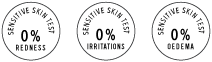
- Dermatologically tested on sensitive skin with 0% irritation reported in brand testing
- All bee ingredients are organic and ethically harvested from over a thousand beehives in Arcadia, Greece
- Propolis and honey are used as functional antioxidant actives, not decorative botanicals
For readers who want to understand the full mechanism, the PROPOWAX™ technology page details the patent, the academic validation, and the delivery architecture. The antioxidant body lotion benefits page translates that science into expected skin outcomes.
Key Takeaways
Premium body care outperforms standard lotion because of functional active concentrations, validated antioxidant delivery, and multi-mechanism hydration — not packaging or price.
| Point | Details |
|---|---|
| Active concentrations decide performance | Look for stated percentages (e.g., niacinamide 2–5%); unlisted concentrations often indicate decorative use. |
| Antioxidant delivery requires validation | A named antioxidant on a label is not evidence of activity; validated delivery systems like PROPOWAX™ are the standard to seek. |
| Barrier repair takes 6–8 weeks | Commit to consistent use before judging visible changes in texture, tone, or barrier integrity. |
| Match format to skin type | Dry skin needs ceramide-rich creams or balms; oily skin benefits from lightweight, non-comedogenic formulas with niacinamide. |
| Apiceuticals PROPOWAX™ | Holds a global patent for highest antioxidant activity, validated by Aristotle University of Thessaloniki, with 0% irritation in dermatological testing. |
The antioxidant-first standard is where premium body care is heading
The conventional wisdom in body care has long been that hydration is the goal and lotion is the tool. That framing misses the more consequential question: what is the skin actually losing, and what does it need to repair? Oxidative stress, barrier degradation, and collagen disruption are not solved by water and glycerin alone. They require stable, validated antioxidant delivery — the kind that continues working after application, not just during it.
What most consumers underestimate is that the gap between a standard lotion and a genuinely premium formula is not sensory. It is biochemical. A product that continuously releases antioxidants, reinforces the lipid barrier with the right ceramide-to-cholesterol ratio, and carries actives at functional concentrations is doing something categorically different from a lotion that moisturizes the surface and evaporates. The science of why premium body care outperforms lotion is not complicated — but it does require knowing what to look for.
Sustainability and ethical sourcing are not peripheral to this argument. When bee ingredients are harvested with a split favoring bee sustainability — a majority collected and a substantial portion left for the bees — and over 1,000 beehives are actively pollinating ecosystems rather than depleting them, the formulation integrity and the sourcing integrity reinforce each other. That is a different kind of premium than a beautiful jar. For readers interested in how ethical sourcing connects to formulation quality, Apiceuticals’ ethics and sustainability page makes the case clearly.
Apiceuticals antioxidant body care: formulated to outperform
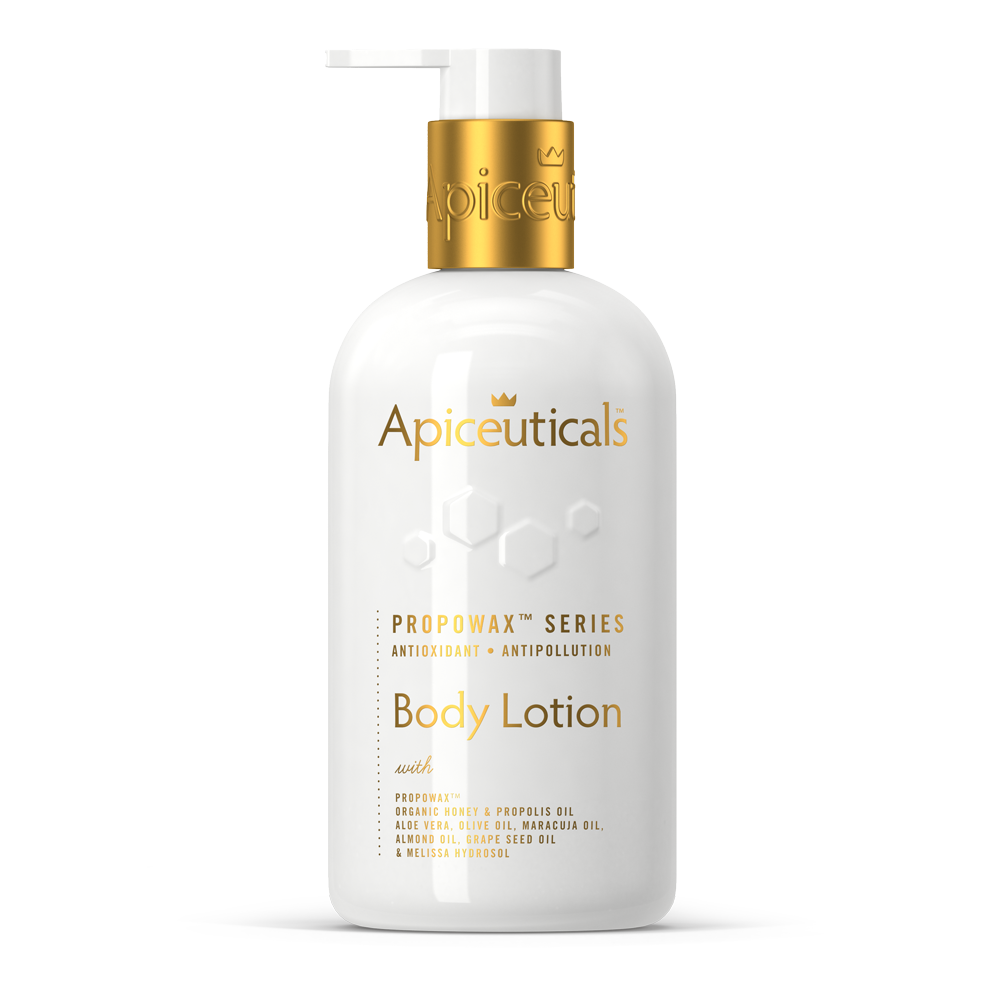
For readers dealing with barrier damage, visible skin roughness, or oxidative stress from environmental exposure, Apiceuticals’ antioxidant body care delivers the specific combination the science points to: PROPOWAX™ Living Honeycomb for continuous antioxidant release, clean formulation free from over 2,000 potentially harmful ingredients, and dermatological testing on sensitive skin with 0% irritation. The antioxidant body lotion is the entry point for readers who want to experience what validated antioxidant delivery actually feels like on body skin.

The PROPOWAX™ technology page explains the patent and the academic validation in full. For readers ready to move from understanding the science to applying it, the full Apiceuticals range is available at apiceuticals.com.
Further reading and sources
Apiceuticals resources:
- PROPOWAX™ technology and patent validation
- Antioxidant body lotion benefits
- Why antioxidants in body care matter for your skin
- Organic body care guide
- Body care vs skincare: what your skin actually needs
Third-party context:
- Why Body Care Is Entering Its Premium Era
- Below-the-neck luxury: why prestige brands are treating body care as skincare
- Premium vs drugstore body care: is it worth it?
FAQ
Why does premium body care outperform regular lotion?
Premium body care outperforms lotion because it delivers actives at functional concentrations through validated delivery systems, rather than relying on water and light emollients alone. The combination of humectants, barrier lipids, peptides, and antioxidants addresses multiple skin mechanisms simultaneously.
Are expensive body lotions actually worth the cost?
They are, when the formula solves a real skin problem — barrier damage, visible roughness, or oxidative stress — better than a cheaper alternative. Premium costs can be offset when a multifunctional product replaces several items or prevents downstream skin issues.
What makes a body cream better than a lotion for dry skin?
A cream’s higher oil-to-water ratio and structured lipid matrix slow transepidermal water loss far more effectively than a lotion’s water phase, which evaporates within hours. For dry or barrier-compromised skin, ceramide-rich creams or balms deliver longer-lasting repair.
What is the healthiest body lotion approach for sensitive skin?
The healthiest approach for sensitive skin is a fragrance-free, dermatologically tested formula free from SLS, SLES, parabens, and mineral oils, with ceramides and a validated antioxidant system. Apiceuticals’ formulas are dermatologically tested on sensitive skin with 0% irritation reported in brand testing.
How long does it take to see results from premium body care?
Visible changes in barrier integrity, skin texture, and tone typically require 6–8 weeks of consistent daily use, aligned with the skin’s natural cell turnover cycle. Surface softness can improve within days, but structural improvements take longer.
What role do antioxidants play in body care performance?
Antioxidants neutralize free radicals generated by UV exposure and pollution, which degrade collagen and compromise barrier function over time. Validated delivery systems like PROPOWAX™ Living Honeycomb ensure antioxidants remain stable and continuously active on skin, rather than oxidizing at application.
Recommended


Related posts

Explore how a trial lasting 24 weeks and Malassezia research link scalp oxidative stress to shedding, and where PROPOWAX™ fits continuous antioxidant care.

See when silicones smooth hair or build up, and how PROPOWAX™ holds a global patent for highest antioxidant activity, validated by Aristotle University.

Explore mountain honey benefits for skin and body, from floral polyphenols and antioxidant activity to evidence on cough relief, wound care, and safe use.

Propolis delivers stronger antioxidant and antimicrobial action. Royal jelly boosts hydration and repair. Learn which suits your skin or scalp and why...

Pick sulfate-free or sulfate shampoo by your scalp, porosity, and color needs. Read evidence-backed guidance, antioxidant options, and a 4-step switch...