No products in the cart.
Return To Shop
Why Use Botanical Ingredients: The Science Behind Plant-Based Skincare
Use botanical ingredients because they deliver antioxidant, anti-inflammatory, and barrier-supporting compounds that reduce visible damage while calming reactive skin. That is the whole case, stated plainly, and the evidence behind it is substantial. A review published in PMC documents botanical extracts producing measurable antioxidant and anti-inflammatory effects on skin, while Cosmetics Info defines the category with the precision regulators expect on an ingredient label.
The one caveat worth holding onto before you read further: safety and performance depend on dose, purity, and formulation, not on whether an ingredient came from a plant or a laboratory.
- Antioxidant protection against UV and pollution-driven oxidative stress
- Anti-inflammatory action that calms redness and irritation
- Barrier and moisture support that keeps skin resilient over time
Botanical does not mean unregulated, and synthetic does not mean inferior. The chemistry of the compound, not its origin story, determines what it does on your skin.
Key Takeaways
Botanical ingredients earn their place in skincare through documented antioxidant, anti-inflammatory, and barrier-supporting effects, provided the formulation controls dose, purity, and stability.
| Point | Details |
|---|---|
| Definition matters | Botanicals include extracts, oils, waxes, and isolates; naming and extraction method affect potency. |
| Antioxidant evidence is strongest | Green tea polyphenols (EGCG) show documented photoprotective effects in peer-reviewed research. |
| Mechanism is measurable | Botanicals scavenge free radicals, chelate metals, and calm inflammatory cytokine pathways. |
| Safety depends on formulation | Purity, dose, and third-party testing determine safety, not plant origin alone. |
| Validated delivery outperforms claims | Apiceuticals’ PROPOWAX™ Living Honeycomb holds a global patent independently validated by the Aristotle University of Thessaloniki. |
Table of Contents
- What Are Botanical Ingredients, Exactly?
- What Are the Evidence-Backed Benefits of Botanical Ingredients for Skin?
- How Do Botanical Actives Work at the Cellular Level?
- Are Botanical Ingredients Safe? What Are the Risks?
- How Do You Choose an Effective, Safe Botanical Skincare Product?
- What Does a Validated Botanical Delivery System Look Like in Practice?
- Sources
- FAQ
What Are Botanical Ingredients, Exactly?
A botanical ingredient is any component derived from a plant part, root, leaf, flower, seed, or fruit, valued for a functional or therapeutic effect on skin. Cosmetics Info categorizes them into several distinct forms: extracts (concentrated plant compounds pulled out using water, alcohol, or oil), essential oils (volatile aromatic compounds distilled from plant tissue), expressed juices, waxes, vegetable oils and lipids, tinctures, and purified isolates such as specific antioxidant molecules extracted from a larger plant matrix.
Labeling conventions matter more than most shoppers realize. Ingredient lists often use Latin genus and species names (Camellia sinensis for green tea, Matricaria chamomilla for chamomile) because common names can refer to several unrelated plants. The extraction method also changes what ends up in the jar: a water-based extract pulls different compounds than an oil infusion, and a standardized extract guarantees a specific percentage of an active marker compound, while a “whole extract” delivers a broader, less predictable mixture.
Common examples on modern ingredient decks include:
- Green tea extract — polyphenol-rich, used for antioxidant and photoprotective effects
- Chamomile — anti-inflammatory constituents used in sensitive-skin formulas
- Soy isoflavones — studied for pigmentation and elasticity support
- Honey-derived botanicals — humectant and antimicrobial properties from floral nectar sources
Apiceuticals explores this terrain in more depth in its guide to botanical skincare science, which walks through how formulation choices affect what a botanical actually delivers.
What Are the Evidence-Backed Benefits of Botanical Ingredients for Skin?
The benefits of botanical ingredients cluster around five functions with real clinical and laboratory support: antioxidant defense, anti-inflammatory calming, moisture and barrier reinforcement, pigmentation control, and wound-healing or antimicrobial action. Each deserves its own look, because the evidence strength varies considerably between them.
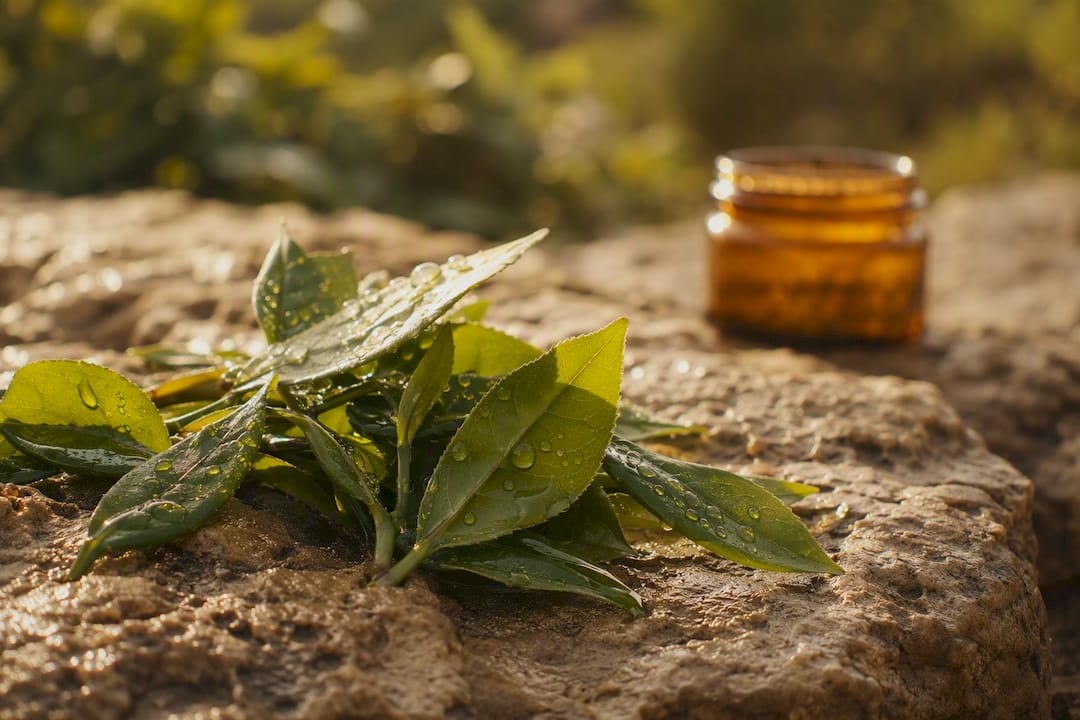
Antioxidant protection is the best-documented category. Plant polyphenols and flavonoids neutralize free radicals generated by UV exposure and pollution, the same reactive molecules responsible for collagen breakdown and premature fine lines. Green tea polyphenols, specifically epigallocatechin gallate (EGCG), show measurable reductions in sunburn cell formation and UV-induced DNA damage in skin models, according to a PMC study on tea polyphenols, and researchers have found EGCG can enhance the performance of a sunscreen when layered with it.
Anti-inflammatory action comes next, and chamomile is the textbook case. Its active constituents, chamazulene and levomenol, are recognized by Germany’s Commission E for treating inflammatory skin conditions and supporting wound therapy, a use case documented in the same PMC review that anchors much of the antioxidant research above.
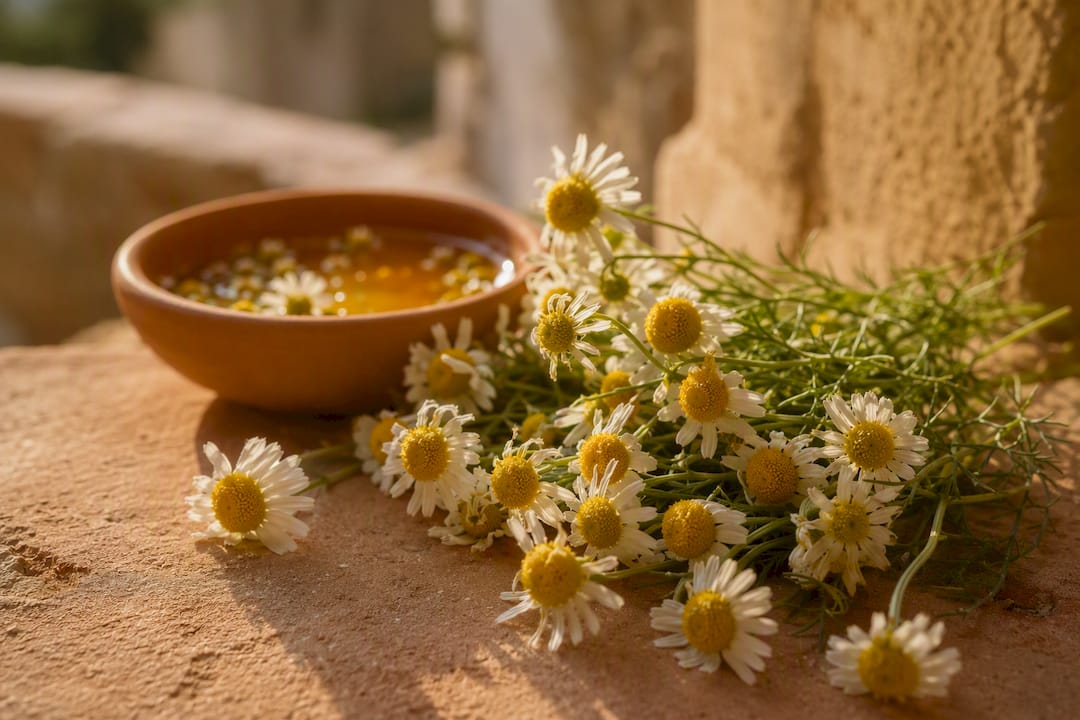
Moisture and barrier support rely on a different chemistry entirely: polysaccharides, plant lipids, and humectant sugars that draw water into the stratum corneum and slow its escape. Pigmentation control shows promise with soy isoflavones, though the evidence here is moderate rather than definitive. Wound-healing and antimicrobial effects appear across a range of plant-derived phenolics and peptides, summarized in a broader review of plant-based cosmetic materials.
| Benefit | Typical Botanical Examples | Strength of Evidence |
|---|---|---|
| Antioxidant protection | Green tea polyphenols, plant flavonoids | Good |
| Anti-inflammatory / soothing | Chamomile, licorice root | Good |
| Moisture / barrier support | Plant lipids, polysaccharides, honey-derived humectants | Moderate |
| Pigmentation control | Soy isoflavones | Moderate |
| Wound-healing / antimicrobial | Plant phenolics, peptides | Limited to moderate |
A key data point: EGCG has been shown to reduce sunburn cell formation and protect UV-exposed skin cells in controlled studies, one of the more consistently replicated findings in botanical dermatology, per the PMC research on tea polyphenols.
Endpoints across these studies typically measure photoprotection, reduced erythema (visible redness), elasticity changes, or shifts in pigmentation, not vague “glow” outcomes. That specificity is what separates a credible claim from a marketing one.
How Do Botanical Actives Work at the Cellular Level?
Antioxidant botanicals work through a few overlapping mechanisms: they scavenge free radicals directly, chelate metal ions that would otherwise catalyze oxidative reactions, and in some cases activate the skin’s own antioxidant gene pathways (like Nrf2 signaling) so cells produce more of their own defense enzymes. Anti-inflammatory botanicals typically interrupt the biochemical cascade that produces redness and swelling, inhibiting inflammatory cytokines and the COX and LOX enzyme pathways that drive that response.
- Free radical scavenging neutralizes reactive oxygen species before they damage lipids and collagen
- Metal chelation prevents iron and copper ions from accelerating oxidative chain reactions
- Cytokine and enzyme inhibition (COX/LOX pathways) reduces the biochemical signals behind visible inflammation
- Humectant and lipid-replenishing compounds support the skin barrier, in some formulations influencing filaggrin and aquaporin-3 activity tied to hydration
Picture it as a simple sequence: oxidative stress from UV or pollution triggers cellular damage, a botanical antioxidant intervenes by neutralizing the free radical mid-reaction, and the downstream result is measurably reduced cellular damage. That single mechanism, interrupted early, explains most of what antioxidant skincare claims to do. Apiceuticals breaks this process down further in its explainer on skin oxidation and aging.
Are Botanical Ingredients Safe? What Are the Risks?
Botanical does not automatically mean gentle. Essential oils in particular carry real allergenicity and phototoxicity risk, some citrus-derived oils cause photoallergic reactions when skin is exposed to sunlight after application, and botanical proteins can trigger sensitization in people with existing plant allergies. Potency also varies by preparation type: a tea, a tincture, and a concentrated extract of the same plant can differ enormously in strength, a point the NIH Office of Dietary Supplements makes explicitly when discussing botanical dosing.
Contamination is the risk consumers think about least and should think about most. Heavy metals, pesticide residue, and microbial contamination can all enter a botanical supply chain depending on where and how the plant was grown and processed. A detailed safety assessment from Intertek walks through the phytochemical characterization and contamination testing that responsible formulators run before a botanical ever reaches a finished product; the report is blunt that “natural” carries no regulatory guarantee of purity.
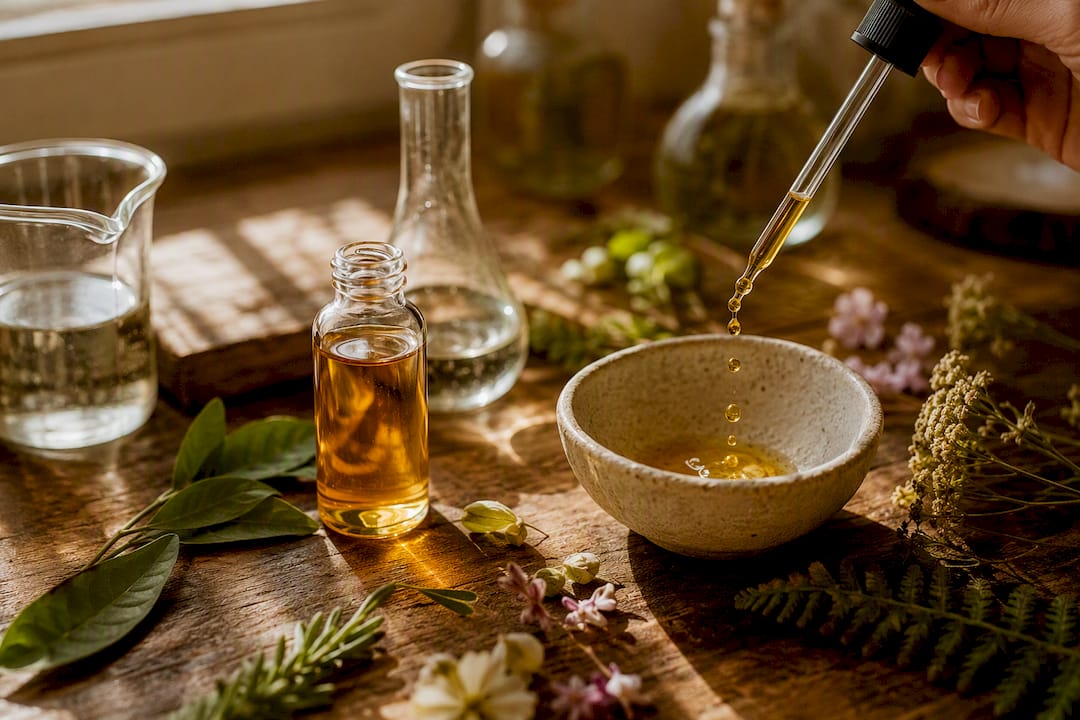
Regulatory context matters too. Cosmetics, dietary supplements, and drugs face different pre-market approval standards, and a botanical marketed as a supplement is not vetted the same way a drug ingredient is, per the NIH’s own consumer guidance.
Quality controls that meaningfully reduce these risks include standardized extracts with a guaranteed marker-compound percentage, third-party lab verification, documented batch certificates, microbiological testing, and manufacturing under good manufacturing practice (GMP) standards.
Pro Tip: Before trying a new botanical product on your face, patch-test it on your inner forearm for 48 hours. While you wait, check the label for the extraction solvent used, the standardized marker compound (if listed), and a full allergen disclosure, three details that tell you more about quality than any front-of-package claim.
A botanical ingredient’s safety profile is built in the lab, through characterization and testing, not assumed from its origin on a farm or in a forest.
How Do You Choose an Effective, Safe Botanical Skincare Product?
Selecting a botanical product well means reading past the ingredient name to the formulation science behind it. Use this sequence when comparing options:
- Check for standardized concentrations. A listed percentage of an active marker compound (like a guaranteed EGCG content in a green tea extract) signals a formulator who controls potency rather than guessing at it.
- Look for clinical or in vitro evidence, ideally tied to the specific formulation rather than the raw ingredient in isolation.
- Assess the delivery and stability system. Botanical antioxidants degrade easily when exposed to air, light, and water; a product with a stabilizing delivery mechanism will outperform one without it.
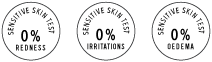
- Confirm dermatological testing, particularly for sensitive skin, and look for a stated irritation rate rather than a vague “gentle” claim.
- Verify independent lab testing for purity, contamination, and label accuracy.
Ask a brand directly what percentage of active marker compound its extract contains, whether the formula has been dermatologically tested, and what stabilizes the botanical compound between the jar and your skin.
- Synthetic or isolated actives make sense when you need absolute consistency, guaranteed purity, or a smaller environmental footprint per unit produced
- Whole-plant extracts make sense when you want the complex, multi-compound interactions that a single isolated molecule cannot replicate
Neither approach is categorically superior; the right choice depends on what a specific formulation is trying to achieve. Apiceuticals covers this tradeoff in more detail in its natural ingredients and clean beauty guide, and a partner resource on antioxidants and skin health offers a clinically oriented second perspective on the same question.
What Does a Validated Botanical Delivery System Look Like in Practice?
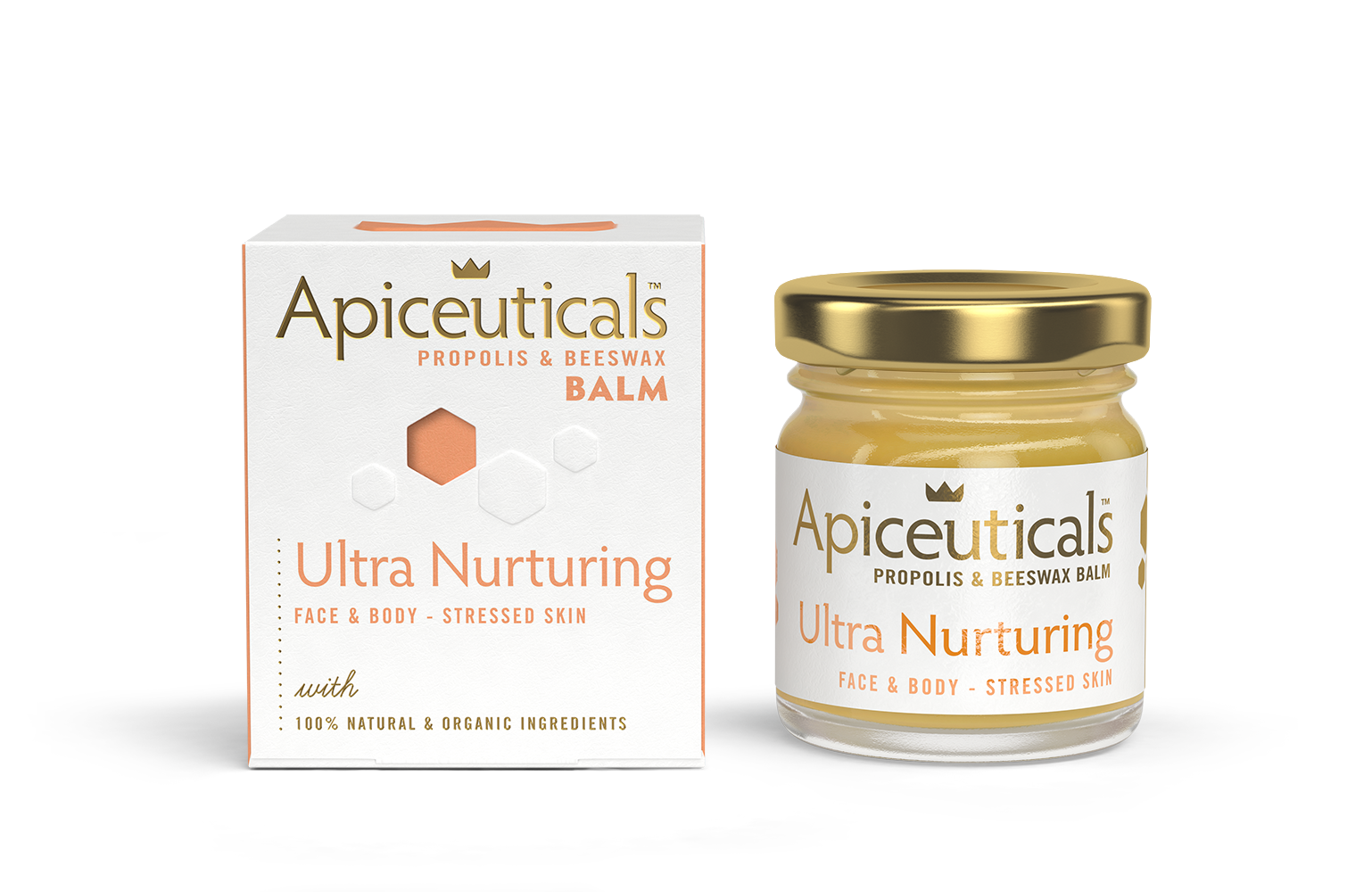
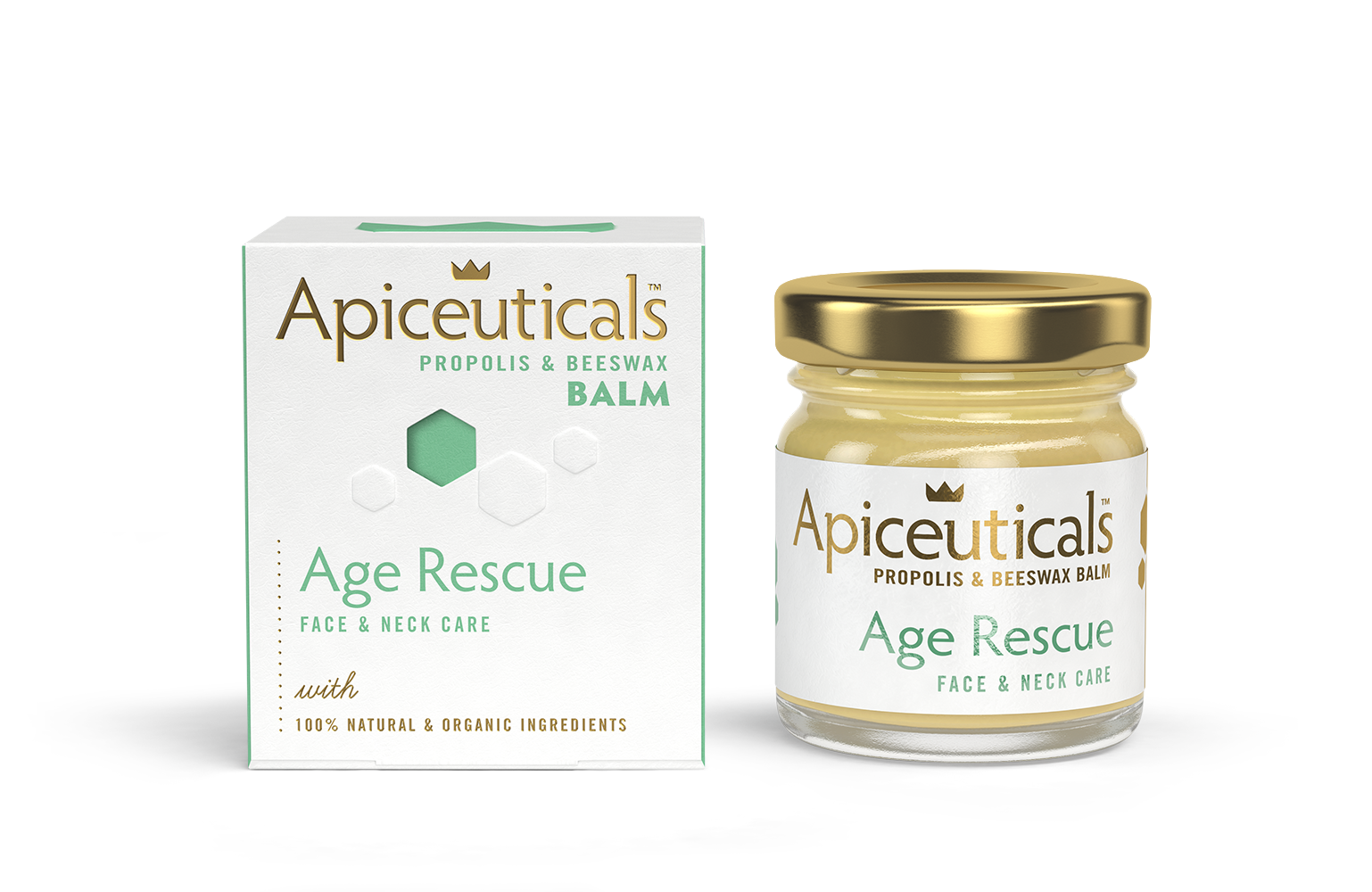
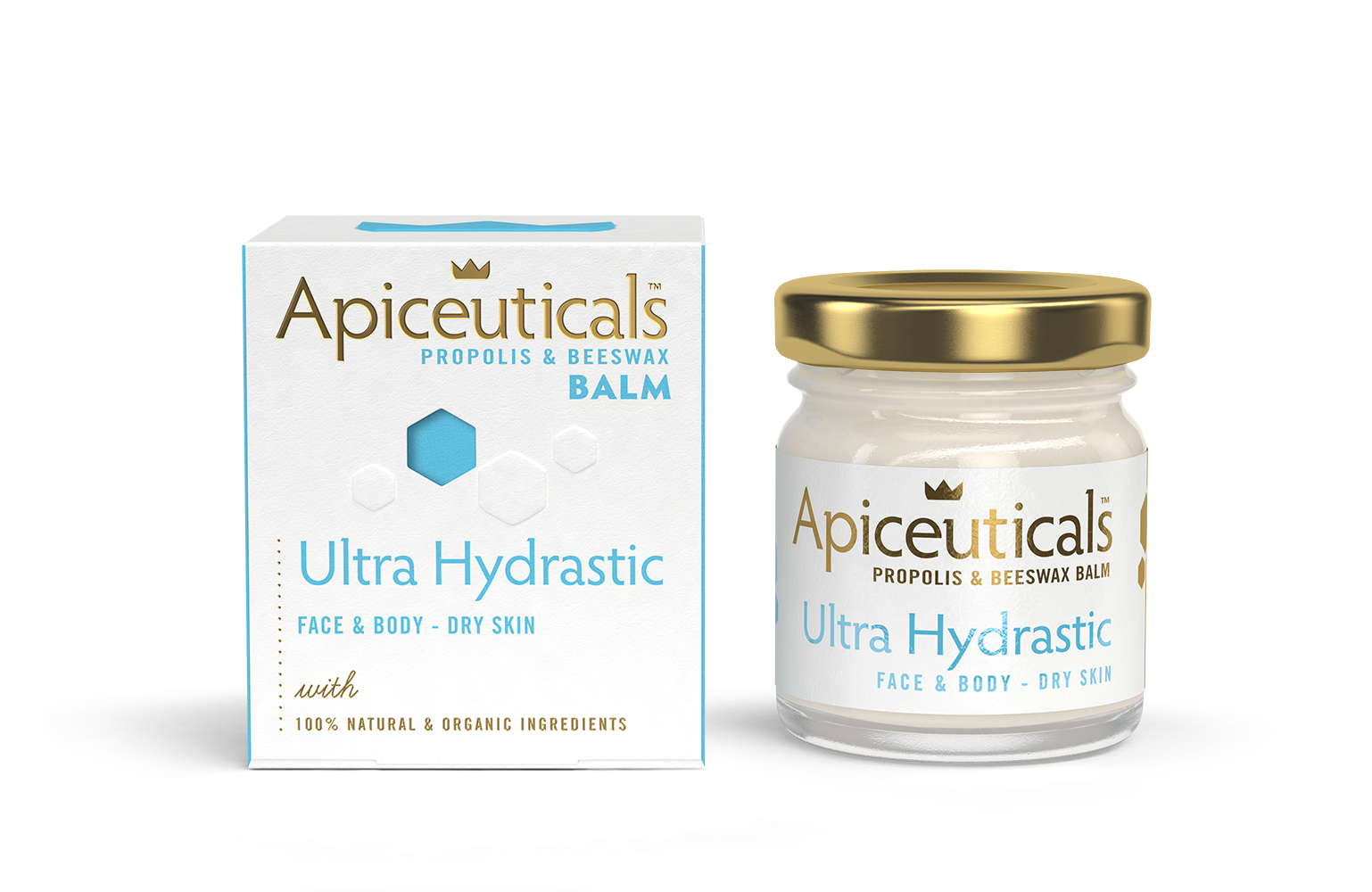
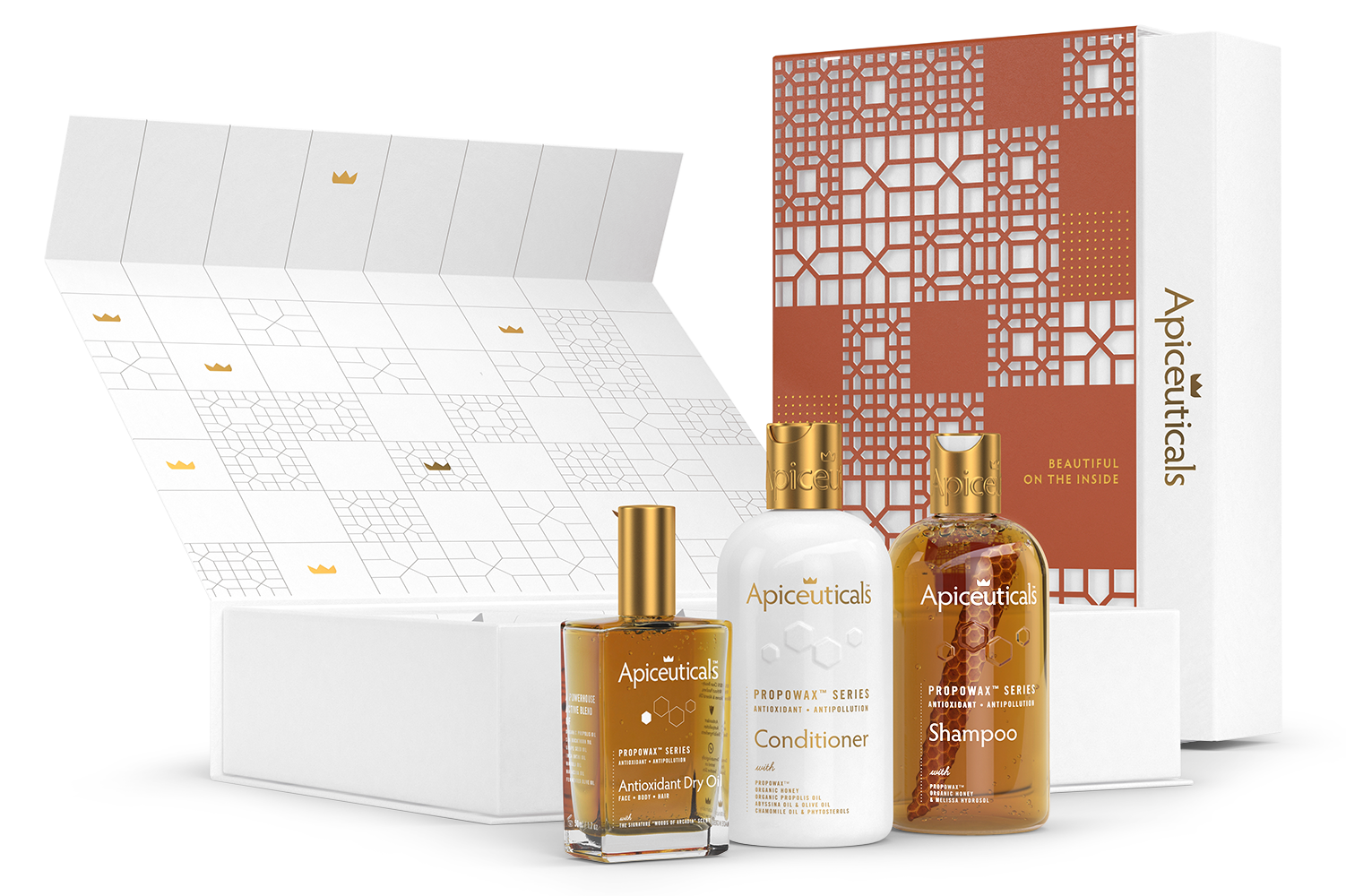
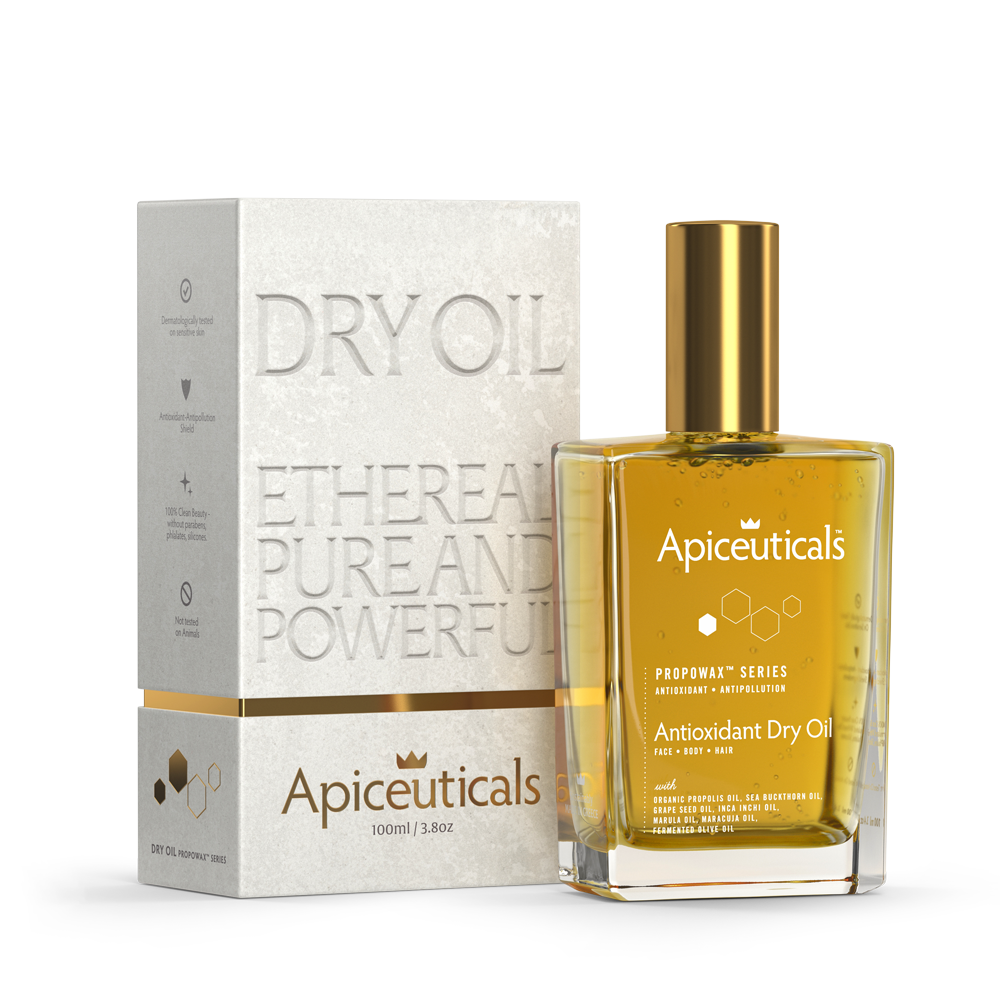
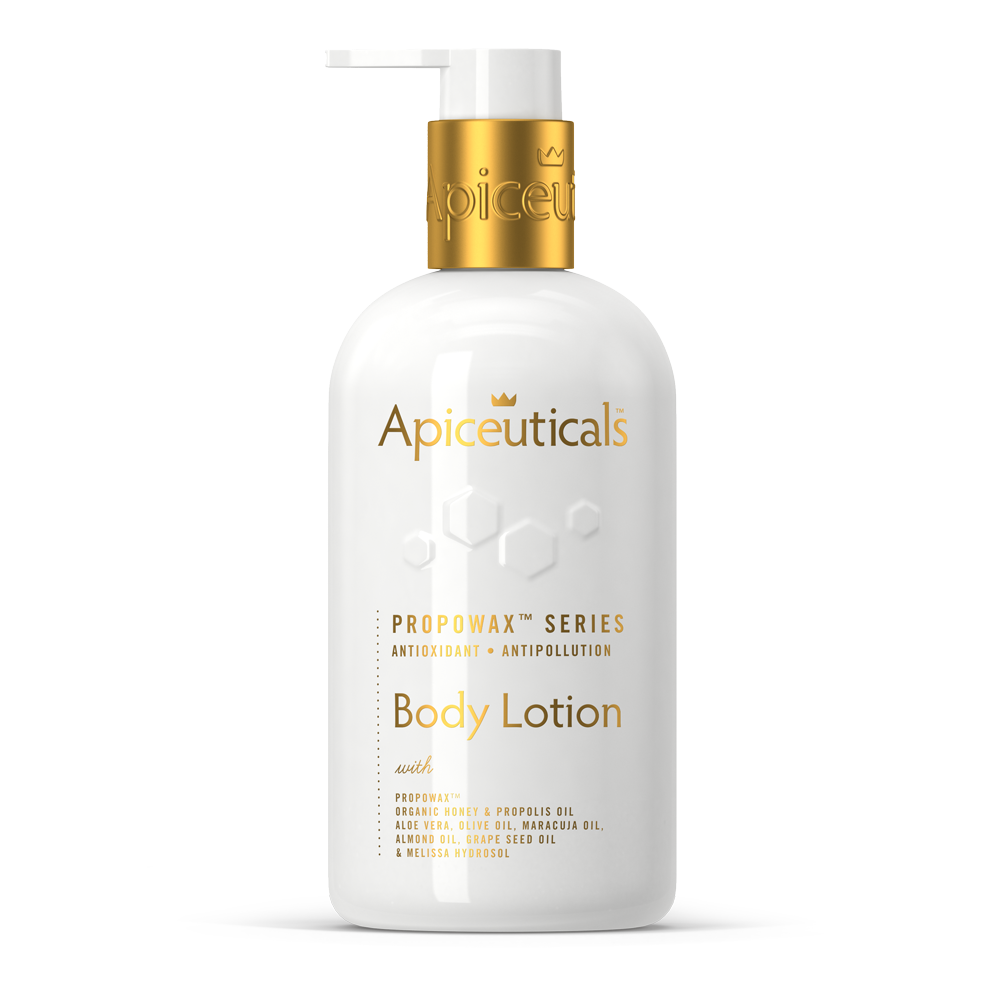
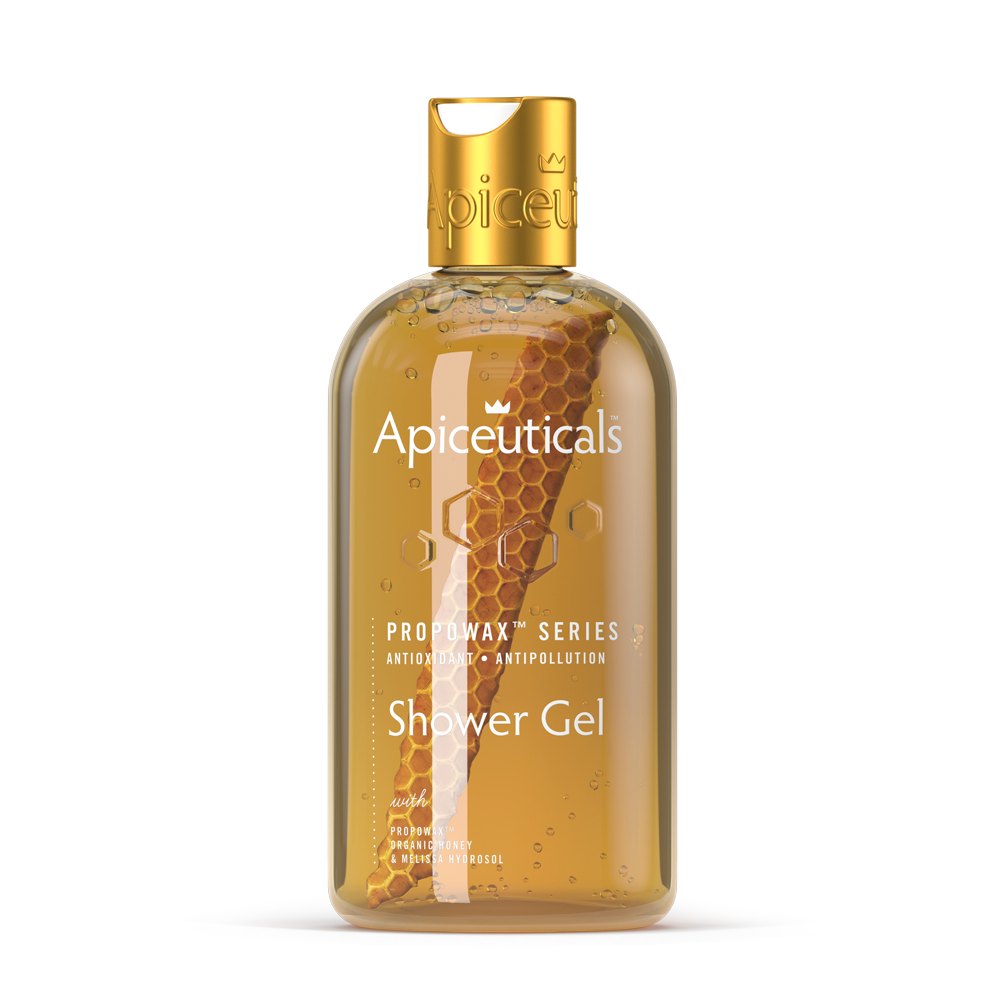
PROPOWAX™ Living Honeycomb is Apiceuticals’ patented antioxidant delivery technology, built into every product in the line rather than added as a marketing afterthought. It functions as a continuous-release system, meaning the antioxidant compounds it carries are delivered onto skin, scalp, or hair over time rather than in a single burst that oxidizes and loses potency within hours.
The technology holds a global patent for the highest antioxidant activity recorded in a cosmetic formulation, and that claim was independently validated by researchers at the Aristotle University of Thessaloniki, not asserted by the brand alone. Full technical detail on the patent and validation methodology lives on the PROPOWAX™ technology page.
Validation from an outside university is what separates a formulation claim from a formulation fact. That distinction is the entire point of third-party testing.
An editor’s honest read on the botanical debate
The loudest argument in skincare, natural versus synthetic, misses the actual question. What matters is whether a compound is characterized, dosed correctly, and stabilized in the formula, not where it originated. Botanicals earn their place in modern antioxidant skincare because plants produce complex, multi-target compounds a single synthetic molecule often cannot replicate, and they pair well with established actives, calming the irritation that comes with starting a retinoid, for instance, rather than replacing it.
Where a validated antioxidant fits your routine
A well-characterized botanical antioxidant, one with a stabilized delivery system and independent lab verification behind it, works best as a daily layer against the oxidative stress your skin accumulates from sun and pollution exposure, rather than a rescue treatment reached for occasionally. That is the role PROPOWAX™ Living Honeycomb plays across Apiceuticals’ formulations, and readers curious about the broader antioxidant category can start with the brand’s guide to bee-powered antioxidant science or browse the shop directly to see how the technology is applied across hair, scalp, and body lines. This article offers general information and is not a substitute for advice from a dermatologist about your specific skin.
Sources
- Botanical Ingredients – Cosmetics Info
- Practical Uses of Botanicals in Skin Care – PMC
- Botanical Dietary Supplements Background Information – Consumer (ODS/NIH)
- INSIGHT INTO BOTANICAL INGREDIENTS: BENEFITS & RISKS
- Applications of Plant-Based Materials in Cosmetics | IntechOpen
Reading the original study designs behind these sources, not just their conclusions, gives a clearer sense of how strong any given botanical claim really is.
FAQ
What do botanical ingredients mean in skincare?
Botanical ingredients are components derived from plant parts, roots, leaves, flowers, or seeds, used in forms like extracts, oils, waxes, or purified isolates, as defined by Cosmetics Info.
What are the main benefits of botanicals for skin?
The best-documented benefits are antioxidant protection, anti-inflammatory calming, and barrier or moisture support, with pigmentation control and wound-healing effects showing moderate evidence.
In what ways do botanical ingredients benefit sensitive skin specifically?
Botanicals like chamomile inhibit inflammatory pathways that drive redness and irritation, making them useful in formulas designed for reactive or sensitized skin.
Is botanical skincare actually better than synthetic skincare?
Not inherently. Natural and synthetic compounds can be chemically identical, and safety or performance depends on dose, purity, and formulation quality rather than origin.
How do I know if a botanical product is high quality?
Look for standardized extract concentrations, dermatological testing, independent lab verification, and a stabilizing delivery system, the same criteria behind Apiceuticals’ PROPOWAX™ technology.
Can botanical antioxidants replace my other skincare actives?
No. Botanicals work best as a complement to established actives, calming irritation from retinoids or acids rather than replacing their targeted effects.
Recommended


Related posts

Explore how a trial lasting 24 weeks and Malassezia research link scalp oxidative stress to shedding, and where PROPOWAX™ fits continuous antioxidant care.

See when silicones smooth hair or build up, and how PROPOWAX™ holds a global patent for highest antioxidant activity, validated by Aristotle University.

Explore mountain honey benefits for skin and body, from floral polyphenols and antioxidant activity to evidence on cough relief, wound care, and safe use.

Propolis delivers stronger antioxidant and antimicrobial action. Royal jelly boosts hydration and repair. Learn which suits your skin or scalp and why...

Pick sulfate-free or sulfate shampoo by your scalp, porosity, and color needs. Read evidence-backed guidance, antioxidant options, and a 4-step switch...