No products in the cart.
Return To Shop
Your Complete Skin Protection Checklist for 2026
TL;DR:
- A skin protection checklist emphasizes daily broad-spectrum SPF 30+, physical barriers, and antioxidant skincare to prevent UV damage. Consistent reapplication, physical coverings, and antioxidant use support optimal skin health and reduce skin cancer risk year-round.
A skin protection checklist is a systematic daily protocol that prioritizes broad-spectrum SPF 30+, physical barriers, and antioxidant skincare to prevent UV-induced damage and maintain healthy skin year-round. Dermatology research confirms that five or more lifetime sunburns double melanoma risk, making consistent protection a medical necessity, not a cosmetic preference. This guide builds your skin health checklist from the ground up, combining clinical sun protection standards with the antioxidant science behind Apiceuticals’ patented PROPOWAX™ Living Honeycomb technology, validated by the Aristotle University of Thessaloniki for the highest antioxidant activity in cosmetics.
1. Why daily broad-spectrum SPF 30+ is the foundation of your skin protection checklist
Daily broad-spectrum SPF 30+ sunscreen is the single most evidence-supported step in any daily skin protection protocol. SPF 30+ reduces squamous cell carcinoma risk by approximately 40% and melanoma risk by approximately 50% with consistent use. Those numbers represent real lives, not abstract statistics.
The application standard matters as much as the product itself. Dermatologists set the benchmark at 2 mg/cm² of skin surface, yet most people apply only 25–50% of that recommended amount. Applying half the required quantity does not deliver half the protection. Due to the nonlinear nature of SPF math, SPF 50 products often deliver protection equivalent to SPF 15–25 when underapplied.
Pro Tip: Use the two-finger rule: squeeze sunscreen along the length of your index and middle fingers. That amount approximates the correct dose for your face and neck alone.
Reapplication is equally non-negotiable. Sunscreen degrades under UV exposure and physical activity. Reapply every two hours during outdoor exposure, and immediately after swimming or heavy sweating. Water-resistant formulas maintain SPF protection for 40 or 80 minutes in water but still require reapplication afterward. SPF alone, even applied correctly, is insufficient as a standalone strategy. Layering additional methods is what separates adequate protection from comprehensive defense.
2. Layered physical protection: UPF clothing, hats, and shade
No single method fully prevents UV damage. Dermatologists advise layering sunscreen with clothing, hats, and shade as a complete sun protection strategy. Physical barriers work independently of application errors, making them a reliable complement to topical products.

UPF-rated clothing is the most underused tool in most people’s daily skin protection arsenal. UPF 50+ fabric blocks 98% of UV radiation, while a standard cotton t-shirt offers only 5–7 UPF. That gap is dramatic. Switching to UPF 50+ garments for outdoor activities provides a level of protection that no amount of sunscreen reapplication can fully replicate on covered skin.
Practical physical protection steps to build into your routine:
- Wide-brimmed hat: Choose a minimum 3-inch brim to shield the face, ears, and back of the neck, all areas frequently missed by sunscreen application.
- UV-blocking sunglasses: Look for lenses rated to block 99–100% of UVA and UVB rays to protect the delicate periorbital skin and reduce cataract risk.
- Shade timing: Seek shade when the UV index reaches 3 or higher. Real-time UV index data is available through weather apps and dedicated UV monitoring tools.
- UPF swimwear and rash guards: Particularly relevant for children and people with photosensitive skin conditions.
Pro Tip: Apply the shadow rule outdoors: if your shadow is shorter than your height, UV rays are at peak intensity. That is your signal to seek shade or add a protective layer.
The shadow rule is a practical, no-technology method for gauging UV strength in real time. It works anywhere, requires no app, and takes less than a second to assess. Pair it with a UV index check each morning and you have a reliable two-point system for planning outdoor exposure safely.
3. Integrating antioxidant skincare to counteract oxidative stress
UV radiation does not only burn. It triggers a cascade of oxidative stress inside the skin, generating free radicals that damage collagen, accelerate pigmentation, and accelerate cellular aging. Think of free radicals as rust forming inside living tissue. Left unchecked, the damage accumulates faster than the skin’s natural repair mechanisms can manage.
Antioxidants neutralize free radicals before they cause structural harm. This is why antioxidant skincare is not a luxury add-on to a sun protection routine. It is a biochemical necessity. Vitamin C serums applied under sunscreen, for example, provide added antioxidant defense that neutralizes UV-induced free radicals and enhances photoprotection. The combination outperforms either approach used alone.
Apiceuticals’ PROPOWAX™ Living Honeycomb takes this principle further. The technology holds a global patent for highest antioxidant activity in cosmetics, validated by the Aristotle University of Thessaloniki. British Vogue described it as “arguably the global leader in antioxidant activity.” The mechanism is continuous: PROPOWAX™ releases antioxidants onto the skin over time, rather than delivering a single dose at application. That sustained release addresses the ongoing nature of oxidative stress, which does not stop when you step indoors.
How to integrate antioxidant skincare into your daily skin care routine:
- Morning: Apply an antioxidant serum or treatment before sunscreen. This primes the skin’s defenses before UV exposure begins.
- Evening: Use an antioxidant-rich moisturizer or balm to support overnight repair. Skin cell turnover peaks during sleep, making this the most productive window for restorative ingredients.
- Year-round consistency: Oxidative stress from pollution, blue light, and infrared radiation occurs regardless of season. Antioxidant protection is not a summer-only measure.
“The skin’s antioxidant defense system is finite. UV exposure depletes it faster than diet or rest can replenish it. Topical antioxidants are not optional for anyone serious about preventing premature aging.”
For a deeper understanding of how skin oxidation accelerates aging and what science-backed formulas can do about it, the evidence is clear and consistent across dermatology literature.
4. Behavioral strategies for consistent daily skin protection
The most complete skin health checklist fails without consistent execution. Behavioral science identifies the core problem: relying on memory or willpower to apply sunscreen leads to predictable gaps, particularly during reapplication windows mid-day. Protection applied only in the morning degrades long before the day ends.
If-then planning is one of the most effective behavioral tools for building consistent sun protection habits. The structure is simple: “If I eat lunch, then I reapply sunscreen.” Linking protection behaviors to existing daily anchors removes the cognitive load of remembering independently. Research by behavioral scientist Angela Rodrigues confirms that mental triggers and digital reminders measurably improve sunscreen adherence.
Build these habits into your routine:
- Place sunscreen next to your toothbrush. Morning application becomes automatic when the product is physically adjacent to an established habit.
- Set a phone alarm for midday reapplication on days with outdoor exposure.
- Check the UV index each morning using a weather app. Digital tools providing real-time UV data shift protection from reactive to proactive.
- Keep a travel-size sunscreen in your bag, car, and desk drawer. Availability removes the most common excuse for skipping reapplication.
- Pair UPF clothing selection with your morning outfit choice. Treating sun-protective garments as standard wardrobe items normalizes their use.
Pro Tip: UV rays penetrate standard window glass and scatter through cloud cover. Year-round UV exposure is a clinical reality, not a seasonal concern. Apply SPF every morning, regardless of weather or plans to stay indoors.
The behavioral goal is to make protection automatic rather than deliberate. Once sunscreen application and reapplication are anchored to existing daily habits, adherence stops depending on motivation. For a complete look at layering skincare products for maximum effectiveness, the sequencing of antioxidants, SPF, and physical barriers matters more than most people realize.
Key takeaways
A complete skin protection checklist requires daily broad-spectrum SPF 30+, physical barriers, antioxidant skincare, and consistent behavioral habits working together year-round.
| Point | Details |
|---|---|
| SPF 30+ daily | Reduces squamous cell carcinoma risk by ~40% and melanoma risk by ~50% with consistent use. |
| Apply the correct amount | Use the two-finger rule to reach the 2 mg/cm² standard; underapplication sharply reduces efficacy. |
| Layer physical barriers | UPF 50+ clothing blocks 98% of UV; pair with a wide-brimmed hat and UV-blocking sunglasses. |
| Add antioxidant skincare | PROPOWAX™ Living Honeycomb continuously releases antioxidants to neutralize UV-induced free radicals. |
| Build behavioral anchors | Link sunscreen application and reapplication to existing daily habits using if-then planning. |
The case for treating your skin protection routine as a science, not a ritual
What Apiceuticals has observed, both in formulation research and in conversations with dermatologists, is that most people treat sun protection as a single-step morning ritual. Apply SPF, done. That mental model is the root cause of most protection failures.
The skin faces oxidative assault continuously. UV radiation is the most studied source, but pollution, blue light from screens, and infrared heat all generate free radicals that degrade collagen and accelerate visible aging. A morning application of SPF 30, even correctly dosed, addresses only one of those stressors and only for a portion of the day. The gap between what people believe they are doing and what their skin actually needs is significant.
What actually works is a layered, science-informed approach: SPF applied correctly and reapplied on schedule, physical barriers that do not degrade, and antioxidant skincare that works continuously at the cellular level. PROPOWAX™ Living Honeycomb was developed precisely because topical antioxidants that release once at application cannot match the sustained oxidative challenge the skin faces across a full day. The global patent for highest antioxidant activity reflects a measurable, validated difference, not a marketing position.
The practical wisdom here is simple. Treat your skin protection checklist the way you treat any evidence-based health protocol: with consistency, correct dosing, and an understanding of why each step exists. Skin that is protected at the cellular level ages differently from skin that is only protected at the surface.
— Apiceuticals
Apiceuticals’ antioxidant skincare for complete skin defense

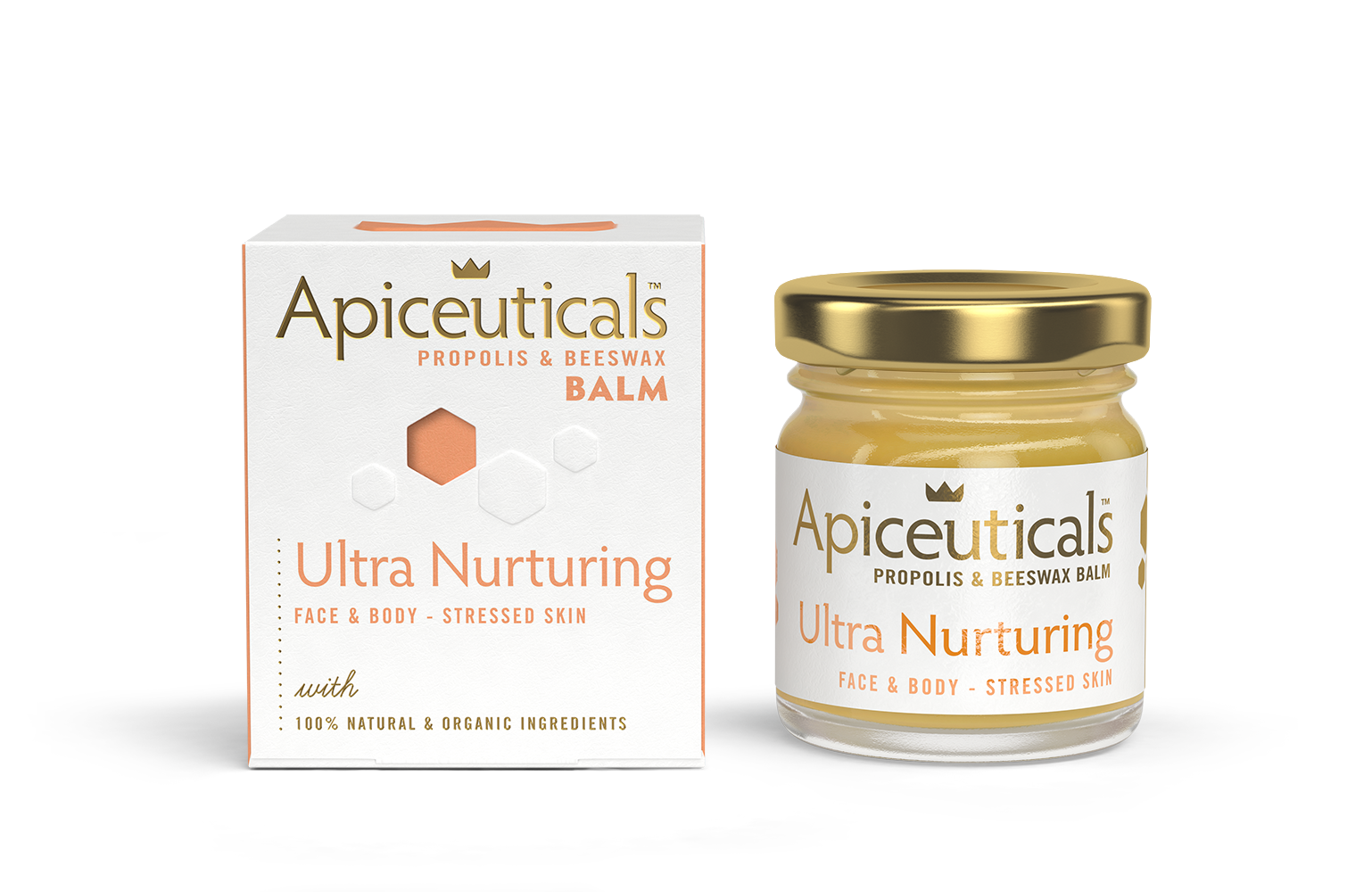
Apiceuticals builds every product around one principle: antioxidant protection that works continuously, not just at the moment of application. The PROPOWAX™ Living Honeycomb technology, patented globally and validated by the Aristotle University of Thessaloniki, delivers sustained antioxidant release onto skin throughout the day. Every formula excludes over 2,000 potentially harmful ingredients and is dermatologically tested on sensitive skin with 0% irritation. For people who take their daily skin protection seriously, Apiceuticals offers a science-backed range that complements SPF and physical barriers with proven antioxidant defense. The HONEY BALM™ Series, with clinically demonstrated 26% wrinkle reduction, is a strong starting point for anyone building an anti-aging skin care protocol grounded in real science.
FAQ
What does a complete skin protection checklist include?
A complete skin protection checklist includes daily broad-spectrum SPF 30+, UPF 50+ clothing, a wide-brimmed hat, UV-blocking sunglasses, antioxidant skincare, and behavioral habits like midday reapplication and UV index monitoring.
How much sunscreen should you apply to your face?
The clinical standard is 2 mg/cm² of skin surface. The two-finger rule, squeezing sunscreen along the index and middle fingers, approximates the correct dose for the face and neck.
Do you need sunscreen on cloudy days or indoors?
Yes. UV rays penetrate cloud cover and standard window glass, making year-round daily SPF application necessary regardless of weather or whether you plan to stay indoors.
How does antioxidant skincare support sun protection?
Antioxidants neutralize UV-induced free radicals that SPF does not block. Applying an antioxidant serum or treatment before sunscreen, such as a product containing PROPOWAX™ Living Honeycomb, provides a second layer of cellular defense against oxidative stress.
How often should sunscreen be reapplied during outdoor activity?
Reapply every two hours during outdoor exposure. Water-resistant sunscreens maintain protection for 40 or 80 minutes in water but require immediate reapplication after swimming or heavy sweating.
Recommended


Related posts

How bees and biodiversity sustain each other, what the science says about Greece and the Aegean, and how antioxidant beauty can start from a hive...

How organic propolis extraction works, from hive to extract: collection, solvents, EU organic rules, Greek propolis phenolics and what it means for skincare.

Build an anti pollution skincare routine that fits Greek city life: what pollution does to skin, the morning and evening steps, and the antioxidants with...

Honey moisture content explained: the EU and Greek limits, how to take a refractometer reading, what excess water does to honey, and why it matters...

How antioxidant activity measurement works: DPPH, ABTS, FRAP and ORAC explained, why results differ, and what a lab number can and cannot say about skin...